Parents often describe croup the same way: a child who seemed to have a simple cold suddenly wakes at night with a harsh, barking cough that sounds nothing like their usual cough. The noise can be startling. The breathing can sound tight. And the question arrives fast—is this dangerous, or just noisy?
Most croup episodes are viral and recover well, especially with calm support at home and, when needed, a single dose of steroid medicine to reduce swelling. Still, some warning signs deserve urgent medical assessment. Knowing what to listen for—stridor, chest pulling in, difficulty drinking—helps you decide what to do next.
What croup is (and why it sounds so dramatic)
Croup is inflammation of the upper airway, mainly the larynx (voice box) and the top of the trachea (windpipe). Many clinicians call it laryngotracheitis. The key issue is swelling just below the vocal cords, known as subglottic edema.
A child’s airway is naturally narrow. Add a ring of swelling, and air has to squeeze through a smaller space. Turbulent airflow creates:


- a barking cough
- a hoarse voice (dysphonia)
- sometimes a high-pitched sound when breathing in, called inspiratory stridor
You might notice it most when your child cries—crying increases airflow demand, and the narrowed area “whistles” more.
Who gets croup (age matters)
Croup is most common from about 6 months to 3 years, with many cases between 1 and 3 years. Older children can get it too, but severe episodes become less likely as the airway grows wider.
Under 6 months, croup is less common. If a very young baby has noisy breathing, clinicians are more cautious because other conditions can mimic it.
Types of croup: viral vs spasmodic
Not all croup behaves the same.
Viral croup
Classic viral croup usually follows a runny nose and mild “cold” symptoms, sometimes with fever. Then, often at night, the barking cough and stridor appear.
Spasmodic croup
Spasmodic croup tends to start suddenly at night, sometimes with little fever and few cold symptoms. It can improve quickly and then return, some children have recurrences.
Spasmodic patterns may involve airway hyperreactivity (an airway that swells or tightens more easily), sometimes associated with allergies or gastroesophageal reflux.
Symptoms of croup: what to watch for
- Barking cough
- Hoarse or raspy voice
- Stridor (a high-pitched sound, usually on breathing in)
- Runny nose
- Sometimes fever
Work of breathing: the “pulling in” signs
When breathing becomes harder, you may see:
- Retractions (skin pulling in between or under the ribs)
- pulling at the base of the neck
- nostril flaring
- faster breathing
A helpful self-check: Is the noisy breathing present when my child is calm and resting? Stridor at rest is more concerning than stridor only when crying.
Feeding, drinking, swallowing
Breathing discomfort can reduce intake. Parents often notice shorter feeds, more pauses, or less interest in drinking. Drooling or difficulty swallowing is not typical for viral croup and needs urgent assessment.
Why nights can feel worse
Fatigue, lying flat, day–night shifts in airway tone, and dry, warm indoor air can all make croup sound louder. Crying amplifies it. Calm changes the mechanics.
Mild, moderate, severe croup: practical grading
Clinicians may use the Westley croup score (alertness, color, stridor, air entry, retractions). At home, these patterns help.
Mild
- Barking cough
- No stridor at rest (or only when upset)
- Minimal/no retractions at rest
- Drinking reasonably well
Moderate
- Stridor at rest
- Clear retractions
- Faster breathing, agitation
- Drinking less
Severe
- Stridor at rest with marked retractions
- Very labored breathing or signs of tiring
- Pale/blue/gray color around lips/face (cyanosis)
- Unable to drink
- Unusual sleepiness or hard to wake
- Pauses in breathing
If you’re hesitating between “moderate” and “severe,” treat it as urgent.
Causes of croup and how it spreads
Croup is usually viral. The most common cause is parainfluenza virus (types 1 and 2). Other viruses can trigger similar upper-airway inflammation: influenza, RSV, adenovirus, rhinovirus/enterovirus, and SARS‑CoV‑2.
Triggers that can worsen symptoms
Even with viral croup, the environment can make symptoms more intense:
- tobacco smoke exposure
- overheated rooms and very dry air
- air pollution, dust, strong scented sprays
Contagiousness and timing
Croup spreads through droplets and contaminated hands/surfaces. Incubation is often 2–6 days. Children are usually most contagious early, especially while fever persists.
Croup sounds: stridor vs wheeze
- Stridor: upper-airway noise, typically on breathing in, often loudest near the neck.
- Wheeze: lower-airway noise from the lungs, often on breathing out, more typical of asthma or bronchiolitis.
Stridor at rest is a key reason to seek same-day medical assessment for croup.
How clinicians diagnose croup
Most croup diagnoses are made from history and exam: cough quality, stridor at rest or only when upset, breathing effort, hydration, alertness, and color. Pulse oximetry may be used. Imaging is reserved for atypical or severe presentations, or when another diagnosis is suspected.
Conditions that can mimic croup
The barky cough points toward croup, but clinicians stay alert for look-alikes.
- Epiglottitis: high fever, very unwell appearance, drooling, trouble swallowing, muffled voice (emergency).
- Bacterial tracheitis: may start like croup, then worsens with high fever and toxicity, responds poorly to usual treatment.
- Foreign body: sudden onset after choking.
- Anaphylaxis: sudden breathing difficulty with hives, swelling of lips/tongue, vomiting, or collapse.
Medical treatment for croup (clinic or ER)
A single dose of dexamethasone is a mainstay of croup care. It reduces airway inflammation and lowers the risk of worsening at night. Many protocols use 0.6 mg/kg (often capped around 10 mg). If oral medication is not feasible, nebulized budesonide may be considered.
Nebulized epinephrine
For moderate to severe croup, nebulized epinephrine can rapidly reduce swelling in the airway lining. Because the effect is temporary, children are usually observed afterward (often 2–4 hours).
Oxygen and admission
Oxygen may be given if saturation is low (targets vary). Admission is more likely if stridor at rest persists after treatment, hydration is poor, oxygen is needed, or there are signs of tiring.
Croup home care: what helps most
Calm is physiologic treatment for croup. Holding your child upright, keeping lights low, and speaking softly can reduce crying—and that often reduces stridor.
Ask yourself: Does the noise improve when my child relaxes in my arms? If not, or if stridor persists at rest, seek care.
Hydration and positioning
Offer small, frequent drinks. For babies, shorter feeds with pauses may be easier. Upright positioning during a flare often helps. Once calm again, return babies to safe sleep: back, firm flat mattress, no pillows or positioners.
Blocked nose
Saline drops/spray and gentle suction can improve nasal breathing, especially before feeds and bedtime.
Humidity, steam, cool air
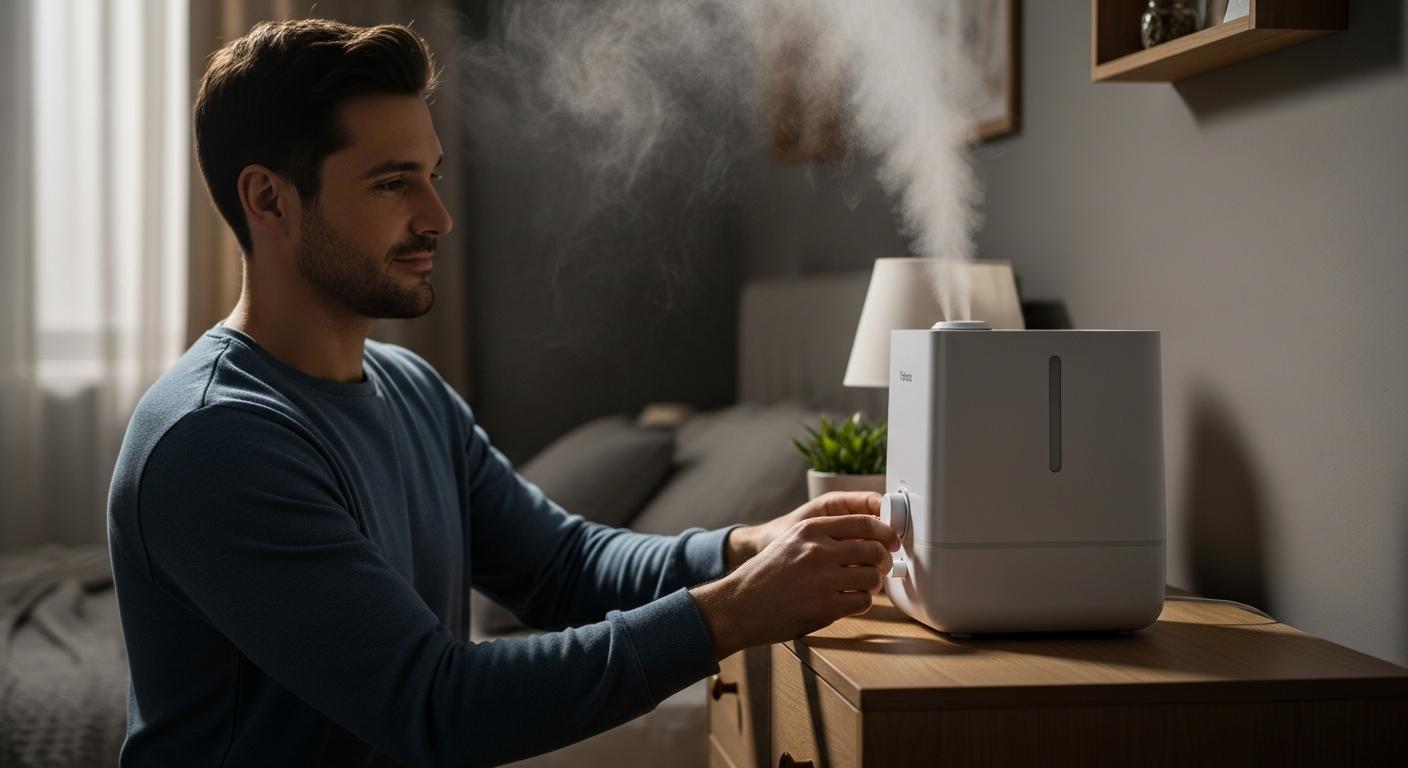
Warm steam has inconsistent benefit and can burn, avoid hot-water bowls and direct steam exposure. Some children settle briefly with cool night air, treat it as comfort, not as a reason to delay assessment.
Medicines to use carefully
- Fever relief: acetaminophen (paracetamol) or ibuprofen (generally from 6 months, avoid if dehydrated). Avoid aspirin.
- Antibiotics do not help typical viral croup.
- Avoid cough suppressants or sedating medicines, they do not reduce airway swelling and can mask worsening breathing.
- Avoid essential oils in babies and young children (airway irritation is possible).
When to seek medical care
Seek same-day evaluation if:
- stridor is present when your child is calm
- breathing looks harder (retractions, fast breathing, nostril flaring)
- drinking is poor, vomiting prevents hydration, or wet diapers drop
- symptoms keep returning or aren’t improving
- your baby is very young (especially under 3 months) and seems unwell
Emergency signs
Call emergency services right away if:
- severe breathing difficulty
- blue/gray lips or face
- pauses in breathing
- extreme drowsiness or hard to wake
- drooling or inability to swallow
- the breathing noise becomes quieter while your child looks worse
How long croup lasts
Croup often peaks over the first 1–3 nights, then improves. Many children look clearly better within 48 hours and recover within 3–7 days, though a mild cough can linger.
Reassuring signs: comfortable breathing at rest, normal color, improving fluid intake.
Prevention
Handwashing, cleaning high-touch surfaces, keeping sick children home when feverish, and keeping the home smoke-free can reduce infections and airway irritation. Routine vaccines help prevent severe look-alike illnesses.
Key takeaways
- Croup is upper-airway swelling that causes a barking cough, hoarseness, and sometimes inspiratory stridor.
- Stridor only when crying can fit mild croup, stridor at rest needs same-day assessment.
- Calm, upright positioning, and frequent fluids are the most helpful home measures.
- In medical care, dexamethasone reduces swelling, nebulized epinephrine is used for more significant symptoms with observation afterward.
- Emergency help is needed for severe breathing difficulty, blue/gray color, pauses in breathing, drooling/trouble swallowing, extreme drowsiness, or sudden quieting of breathing noise with worsening appearance.
For personalized advice and free child health questionnaires, you can download the Heloa app.
Questions Parents Ask
Can adults get croup?
Croup is mainly a childhood illness because little airways swell more easily. Adults can still get a similar viral laryngitis and feel hoarse with a rough cough, but the classic “barking” sound and stridor are much less common. If an adult has noisy breathing, trouble swallowing, or rapidly worsening symptoms, it’s important to get medical advice, as other causes may need different care.
Is croup contagious—and when can my child go back to daycare?
Yes, croup is usually caused by common cold viruses, so it can spread through cough droplets and hands/surfaces. Many families find it reassuring to know that contagion is typically highest early on, especially with fever and lots of runny nose. Returning to daycare often feels reasonable once fever has been gone for 24 hours (without fever medicine), breathing is comfortable at rest, and your child is well enough to participate.
Why does my child keep getting croup?
Recurrent episodes can happen, and it doesn’t mean you did anything wrong. Some children simply have more sensitive upper airways, and different viruses can trigger similar swelling. If episodes are frequent, severe, happen outside the usual age range, or come with feeding trouble or poor growth, a clinician may suggest checking for contributing factors like reflux, allergies, or an underlying airway tendency.
Further reading: