
Feeding a newborn can look effortless in reels and feel totally different at home. One day the latch is okay, the next day it stings. Baby gulps, then dozes off. Someone says “baby is still hungry” and your mind starts running. Normal newborn behaviour, or one small adjustment missing?
A lactation consultant helps bring clarity. They watch a complete feed (breast or bottle), explain what your baby is doing with tongue, jaw, and cheeks, connect it to what your breasts are experiencing, and then give practical steps you can repeat. From milk “coming in” and engorgement to returning to work and weaning, the goal stays the same: feeding that nourishes your baby and remains manageable for you.
When a lactation consultant can help
Consider booking a lactation consultant if you notice:
- Pain during feeds (pinching, burning, cracked nipples)
- Baby falls asleep quickly and feeds feel never-ending
- Clicking sounds, cheeks dimpling in, or baby slipping off the breast
- Doubt about milk intake, wet nappies, or weight gain
- Pumping pain, confusing flange size, or low output
- You want combination feeding without losing supply
- You want to wean comfortably and avoid blocked ducts
You may be wondering, “Should I just wait it out?” Sometimes time helps. Sometimes the body needs a clearer signal.

What a lactation consultant is (and what “IBCLC” means)
A lactation consultant is trained to support breastfeeding and lactation management (how milk is produced, removed, and maintained). They help you understand what is happening in your body and what your baby is doing at the breast or bottle, then suggest changes that improve comfort and effectiveness.
IBCLC (International Board Certified Lactation Consultant) is a widely recognised credential. It generally indicates formal lactation education, supervised clinical experience, a board exam, and ongoing continuing education.
In India, IBCLCs may work in maternity hospitals, paediatric clinics, NICUs, and private practice. If the situation is persistent or layered (ongoing pain, transfer concerns, prematurity, twins, breast surgery history), IBCLC support can make a real difference.
What a lactation consultant can do, and what they cannot do
A lactation consultant supports lactation (milk production) and feeding mechanics. They begin with your goal (exclusive breastfeeding, combination feeding, relactation, exclusive pumping, continuing, weaning), observe what is happening, and propose a realistic plan.
They may:
- Observe a feed and assess latch, sucking, your comfort, and milk transfer
- Fine-tune positioning (head-neck-trunk alignment, closeness, breast support)
- Help with nipple cracks, engorgement, blocked ducts, and mastitis warning signs
- Support pumping (flange sizing, settings, schedule) and expressed milk storage
- Offer follow-up indicators you choose together (pain score, nappy counts, weight checks with your clinician)
Limits matter. A lactation consultant does not replace your paediatrician, obstetrician, midwife, or family doctor. They do not prescribe medicines. They refer for medical assessment if there are red flags like fever, dehydration signs, marked jaundice, poor growth, severe breast pain, or a baby too sleepy to feed well.
Lactation consultant vs lactation counsellor vs midwife vs doula
- IBCLC: advanced clinical lactation training, often a strong fit for persistent pain, milk transfer concerns, preterm babies, twins, and post-surgery feeding
- Lactation consultant / lactation counsellor: training varies, ask about education and experience
- Midwife: medical professional providing pregnancy and postpartum care, often including breastfeeding support
- Doula: emotional and practical support, not a clinical role
If the difficulty is technical (latch, pain, transfer, pumping), a lactation consultant is often the right first step, with medical follow-up if needed.
What happens during lactation support
Assessment (history, goals, and a real feed)
A consult starts with your goals and your day-to-day reality (especially important with night feeds, family support, and travel). Common assessment points:
- Parent history: birth story, previous feeding, breast surgery, medicines, thyroid disease, diabetes, PCOS
- Breast/nipple: cracks, dermatitis/eczema, swelling, localised tenderness
- Baby: weight trend, gestational age (late-preterm babies may need extra support), alertness, jaundice context, hydration clues
- Feeding observation: latch depth, posture, and suck-swallow-breathe coordination
- Intake markers: wet nappies/stools, sometimes weighted feeds to estimate milk transfer
That common question, “Baby is feeding all the time, does it mean milk is not enough?” gets answered with evidence rather than guesswork.
Coaching (latch, positioning, milk production)
You should leave with teachable steps.
A lactation consultant may support:
- Positions like cross-cradle, football hold, side-lying, laid-back
- How milk supply works: effective, frequent milk removal drives production
- Early physiology: colostrum is small in volume but concentrated, milk volume often increases between day 2 and day 5 postpartum, then supply regulates
- Nipple care that supports healing while feeding continues
- Pump basics: correct flange fit, comfortable suction, sustainable schedule
Consent and coordination
Hands-on help should be only with your consent. A lactation consultant can also coordinate with your paediatrician or OB-GYN (with your permission) when a medical issue is suspected.
Why book a lactation consult?
Parents usually want three things: comfort, efficiency, and reliable markers.
A lactation consultant can help you aim for:
- Less pain
- Better milk transfer
- Clear intake signs (swallowing, nappies, baby settling after feeds)
- A routine that fits your home and work
Frequent feeding can be normal (growth spurt, comfort, cluster feeding) or it can reflect low transfer. Watching a feed often clarifies it.
Benefits for the baby
When latch and oral mechanics improve, you may notice:
- Better suck-swallow-breathe rhythm
- Feeds that are shorter but more nourishing
- More consistent weight trend (always interpreted with your clinician)
Some babies also swallow less air once latch is stable, which may reduce burping and discomfort.
Benefits for the mother
Nipple pain often comes from a shallow latch where the nipple gets compressed. Support can help you:
- Reduce engorgement episodes by improving drainage
- Recognise mastitis early (hot red area, increasing pain, fever)
- Reduce mental load by knowing what to change first, and what to monitor
When to see a lactation consultant (pregnancy to postpartum)
Prenatal (third trimester)
Useful if there are risk factors (breast surgery, endocrine issues, multiples, planned C-section, prior low supply) or you want a plan for the first week.
Early postpartum (first week)
Book early if feeds are painful, baby is very sleepy at the breast, latch feels ineffective, or intake is uncertain.
Return to work
Planning 2 to 4 weeks in advance helps. Many parents start with pumping every 2 to 3 hours during separations, then adjust based on comfort and output.
Weaning
Gradual weaning (dropping one feed at a time) usually keeps breasts more comfortable and reduces inflammation risk.
Common challenges a lactation consultant can help with
Painful latch, nipple cracks, and trauma
Clues that often point to shallow latch or unstable attachment:
- Clicking, slipping, pinching
- Nipple looks flattened/creased after feeds
- Baby works hard with few swallows
If pain persists despite good technique, medical assessment may be needed.
Vasospasm, blebs, dermatitis, and suspected thrush
- Vasospasm (Raynaud phenomenon of the nipple): sharp pain with colour change, often triggered by cold, warmth and latch correction help, persistent cases need clinician support
- Milk blebs: manage gently, avoid picking, improve drainage and reduce friction
- Dermatitis/contact irritation can mimic infection
- Burning pain that does not settle deserves a clinical check so treatment matches the cause
Engorgement, blocked ducts, mastitis spectrum
Engorgement often happens when milk volume rises or removal becomes irregular. Relief usually focuses on frequent effective milk removal and comfort measures:
- Feed often
- Hand express a little to soften areola if baby cannot latch
- Warmth before feeds, cooling after
Breast inflammation can progress. Fever, spreading redness, worsening flu-like symptoms, or a painful lump that does not improve needs prompt medical evaluation.
Low supply (perceived vs true) and delayed milk coming in
A lactation consultant looks at weight trend, nappies, swallowing, and transfer to separate perceived low supply from true low supply. If milk volume increase is delayed, the priority is effective milk removal and identifying contributors.
Oversupply and forceful letdown
Fast flow can cause gulping, coughing, frequent unlatching, and maternal discomfort. Laid-back positioning and pacing can help while keeping growth on track.
Weight gain and milk transfer concerns (weighted feeds)
If weight gain is slow, a lactation consultant may assess transfer and, when appropriate, use weighted feeds. Any plan should be aligned with paediatric review.
Sleepy feeds, jaundice, late-preterm babies
Late-preterm babies (34 to 37 weeks) and babies with jaundice may tire easily. Strategies can include skin-to-skin, switching sides, compressions, and expressed milk support, with paediatric follow-up for jaundice concerns.
Pumping issues and exclusive pumping
Flange fit, suction level, and worn valves can affect comfort and output. Exclusive pumping can work well with adequate frequency, double pumping when possible, and paced bottle feeding.
Tongue-tie concerns
Tongue-tie (ankyloglossia) can contribute to pain and poor transfer in some babies. A lactation consultant can screen feeding function and coordinate referral to paediatrics/ENT for evaluation.
Breast refusal (nursing strike)
Look for triggers (cold, pain, separation, smell changes). Skin-to-skin, quiet feeding spaces, and trying different positions can help, while protecting supply if feeds are missed.
Tools and methods a lactation consultant may use
- Positioning: laid-back, cross-cradle, football hold, side-lying
- Milk transfer techniques: hand expression, breast compressions, switch nursing
- Pump support: flange sizing, schedule, comfort settings
- Nipple shields (short-term, with a plan and monitoring)
- Supplementation methods: SNS, cup/spoon/syringe in selected cases, paced bottle feeding
Milk storage and cleaning basics
Common targets used by many services:
- About 4 hours at room temperature (cool environment)
- About 4 days in the refrigerator
- About 6 months in the freezer for best quality
Thawed milk is usually used within 24 hours in the fridge and not refrozen. Pump parts and bottles should be washed well, sterilising may be advised for newborns or medically fragile infants.
Cost, access, and finding a lactation consultant in India
Fees vary by city and format (home visit, clinic visit, online consult). You can start with:
- Maternity hospital postnatal services
- Paediatric clinics and well-baby clinics
- NICU follow-up clinics (if baby was premature)
- Private practice and community programmes
If you want IBCLC-level care, ask if certification is current.
Online consultations can work well for pumping, positioning coaching, bottle technique, and follow-up. In-person is often better for severe pain, significant nipple trauma, or when weight transfer needs close assessment.
Safety: when to seek medical care urgently
Seek urgent medical care if:
- Baby has fever (rectal ≥38.0°C), marked sleepiness, or is difficult to wake for feeds
- You see dehydration signs (very few wet nappies, dark urine, dry mouth, sunken fontanelle)
- You have mastitis symptoms with fever, spreading redness, severe pain, worsening flu-like symptoms, or a lump that does not improve (possible abscess)
Key takeaways
- A lactation consultant supports breastfeeding, pumping, combination feeding, and weaning with practical, step-by-step care.
- IBCLC is a widely recognised credential and can be especially helpful for persistent pain, milk transfer concerns, prematurity, twins, and complex feeding situations.
- Early support (prenatal or in the first postpartum week) can prevent nipple trauma, engorgement, and supply/transfer problems from escalating.
- Medical teams remain essential for fever, dehydration signs, significant jaundice, poor growth, or worsening breast inflammation.
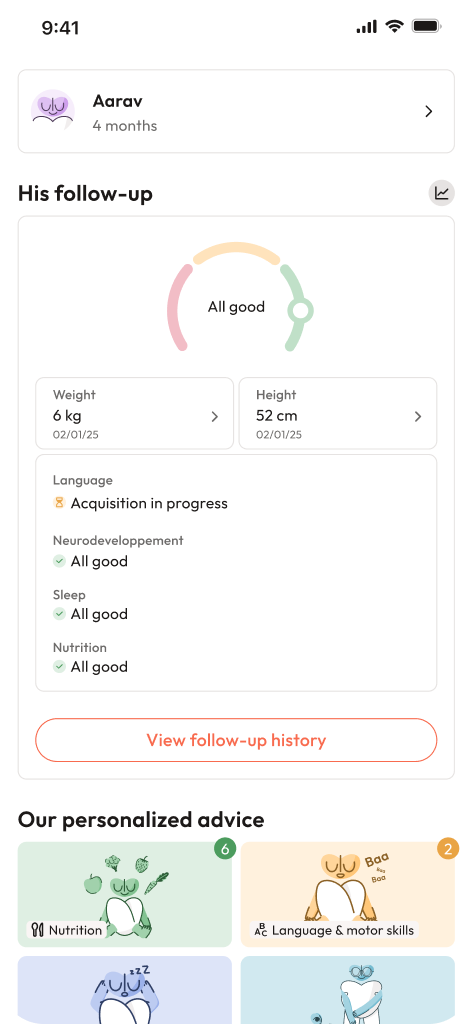
- For personalised guidance and free child health questionnaires, you can download the Heloa app.

Further reading: