A washcloth looks like a small thing, doesn’t it? Yet it often sits right at the centre of baby bath time, where comfort, hygiene, and skin sensitivity meet. Parents may notice redness after a bath, a damp smell in the bathroom, or confusion about whether one washcloth can safely go from face to nappy area. With the right fabric, a light hand, and a simple routine, a washcloth becomes a gentle, dependable helper for babies, toddlers, and grown-ups alike.
Washcloth basics parents actually need
A washcloth is a small, reusable piece of fabric meant to be wet, lightly lathered with cleanser, and used to clean the skin. The most common size is a square around 12×12 in (30×30 cm). Because it is compact, you can fold it into a neat pad, control it easily on a wriggling toddler, and reach tricky spots like neck folds without soaking an entire towel.
You may see different names for the same item:
- Washcloth / wash cloth
- Washrag
- Facecloth
- Flannel (common in the UK)
In Indian stores and online listings, you may also notice “baby washcloth”, “bath cloth”, or “face towel”, usually hinting at extra softness or a smaller size.

Washcloth vs cleansing cloth (reusable vs disposable)
When parents search for “washcloth”, they usually mean a reusable cloth (cotton terry, muslin, waffle weave). “Cleansing cloth” is broader: it can mean a reusable washcloth, but it often refers to disposable, pre-moistened wipes.
The real-life difference:
- Reusable washcloth: needs quick drying + regular laundering
- Disposable wipes: less laundry, more waste, may contain fragrance, alcohol, or preservatives that can irritate sensitive skin
Baby skin and why gentle handling matters
You might be thinking: “I’m being careful. Why does baby still get red?” Often, it is not about dirt. It is about the skin barrier.
Newborn skin: thinner, quicker to react
Baby skin is thinner than adult skin and has fewer protective lipids. In simple words: it loses water faster and reacts sooner to heat, friction, and residues (like cleanser left behind). Repeated rubbing, even with a soft washcloth, can lead to:
- redness
- dryness
- itching
- flares in babies prone to atopic dermatitis (eczema)
Gentle bathing usually means:
- warm water (not hot), around 36–37°C
- short baths, often 5–10 minutes
- a mild, low-foaming, preferably fragrance-free baby cleanser
- minimal mechanical friction (wipe softly, no scrubbing)
Clean is the goal, not “sterile”
Many babies do well with 2–3 baths per week, plus targeted cleaning on other days: face, hands, neck folds, and the nappy area.
What supports hygiene most consistently is the routine:
- clean adult hands before handling baby
- a clean washcloth (or mitt) when you use one
- careful rinsing (residue can sting)
- thorough drying of folds (moisture trapped in folds irritates skin)
Washcloth uses for bath time and daily clean-ups
A washcloth is more than a bath accessory. It can be a daily helper, provided it is kept clean and properly dried.
Body cleansing in bath or shower
A washcloth spreads cleanser evenly and provides light friction to lift sweat, sunscreen, and body oils. For children, it can also help remove suds without needing a lot of running water.
Try gentle, small circles. If skin turns pink or feels tight afterwards, reduce pressure or switch to a softer fabric.
Face cleansing: when a softer facecloth helps
Facial skin is delicate and can react quickly, especially in winter, during drooling/teething, or if the child has eczema. A low-pile cotton or muslin washcloth can remove cleanser while staying kind to the skin.
Mild exfoliation (mainly for older kids and adults)
A washcloth naturally gives mild exfoliation through its texture. It can help with dull, flaky skin after pool days (chlorine can dry skin) or heavy sunscreen use.
A quick self-check: if moisturiser stings afterwards, the friction or frequency was too much.
Baby washcloth uses: quick wipe-downs and folds
For babies, a washcloth is often used for spot-cleaning:
- milk dribble in the neck
- sticky hands
- dried food around the mouth
- sweat in skin folds
Folds are special: friction plus moisture can trigger irritation and maceration (skin that stays overly moist and fragile). A soft cloth, gentle wiping, then drying carefully makes a big difference.
Nappy area: keep cloths separate
For the nappy area, use a separate washcloth (or colour-code). This helps reduce cross-contamination.
A practical order is clean to dirty:
1) face
2) body
3) nappy area last
Beyond bathing: meals, travel, and daycare bags
A small stack of washcloth pieces can reduce paper towel use at home: wiping hands after fruit, cleaning a highchair tray, or rinsing a small scrape with clean water.
For travel or daycare, carry a clean dry cloth in a breathable pouch. Avoid storing it damp in a closed bag.
Washcloth types and formats to know
Classic squares vs larger sizes
Classic 30×30 cm squares are easy to wring out and dry quicker, very useful in humid monsoon weather or bathrooms with limited ventilation. Larger cloths feel comfortable for adults but may stay damp longer if not hung open.
Wash mitt vs washcloth
A wash mitt slips over the hand, giving better grip on a squirmy baby. A washcloth, however, is more flexible: you can fold it thicker, use just a corner around the eyes, and separate “zones” easily.
Sponge vs washcloth
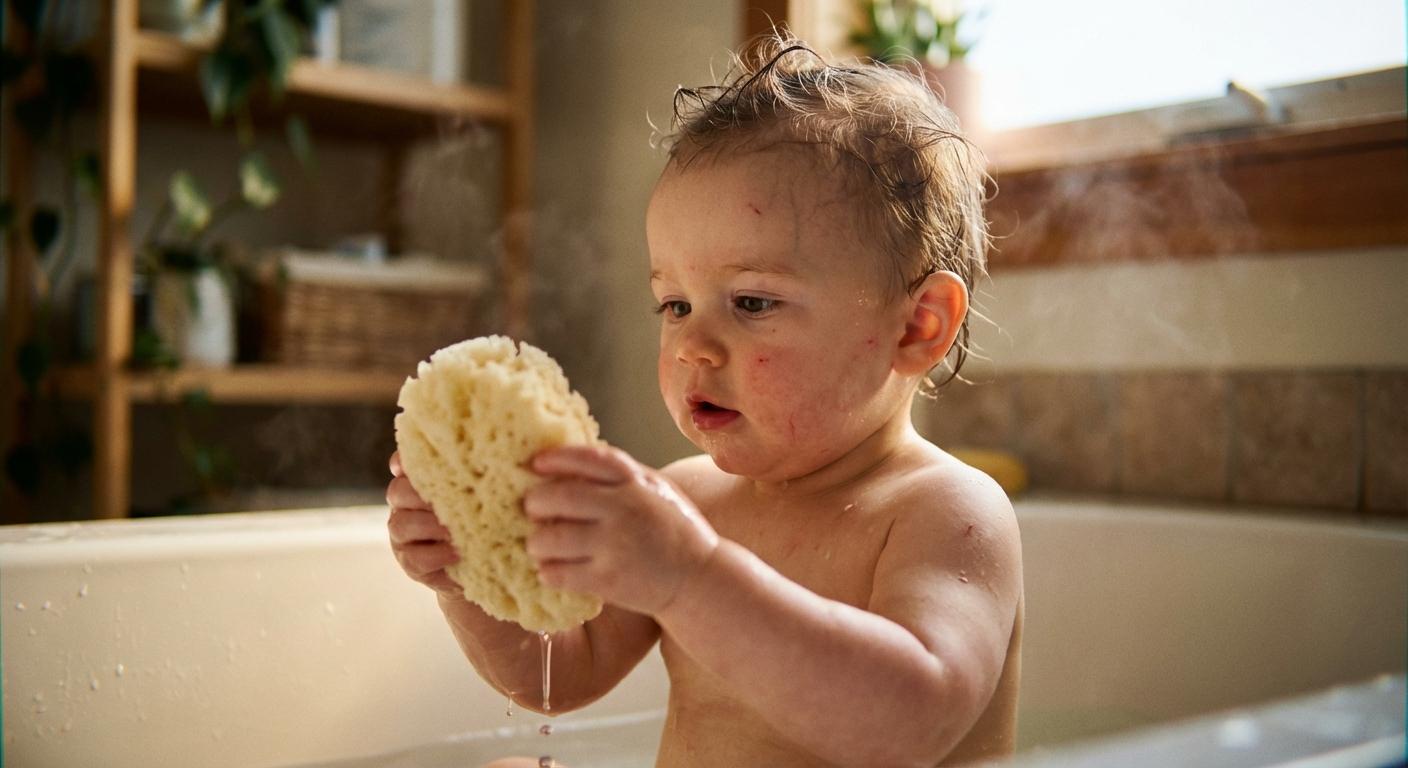
Sponges can remain wet inside and dry slowly. That trapped moisture encourages odour and microbial growth. If a sponge becomes stiff, sheds, changes texture, or smells damp, it can irritate delicate skin.
If you choose a sponge, be strict: rinse immediately, squeeze out fully, air-dry completely, and replace early.
Washcloth materials and textures (what to choose and why)
Cotton terry washcloth
Cotton terry is the classic: looped fibres that hold water and lather well. It is durable and suits most families. For sensitive baby skin, choose low-pile terry (shorter loops) to reduce friction.
Organic cotton washcloth
Organic cotton is often chosen for softness and to reduce exposure to certain agricultural chemicals. Labels vary, some carry certifications such as GOTS. For eczema-prone babies, organic cotton plus fragrance-free laundering can be a comfortable combination.
Microfiber washcloth
Microfiber (polyester/polyamide) dries fast and removes oily residue well, useful in humid bathrooms.
Care points:
- avoid fabric softener (it coats fibres and reduces absorbency)
- avoid very high heat (it can damage the structure)
Some babies dislike the “grippy” feel. If redness appears, switch to cotton or muslin.
Bamboo washcloth (often bamboo viscose blends)
Many “bamboo” cloths are bamboo-derived viscose/rayon blended with cotton or other fibres. They often feel smooth on facial skin. Durability depends on the blend and stitching quality.
Muslin or gauze washcloth
Muslin/gauze is lightweight, breathable, and very gentle, popular for newborn care. It glides over delicate skin, but may need an extra pass to remove thick creams.
Waffle weave washcloth
Waffle weave has a grid texture that improves airflow, so it dries quicker than thick terry. Rinse well, because cleanser can sit in the weave.
Linen or hemp washcloths
Linen and hemp tend to dry faster and can resist musty odour better in damp climates. They also feel more textured at first. Many adults enjoy them, for babies or eczema flares, they can be too stimulating.
Washcloth hygiene in family life
A damp washcloth plus skin oils plus warm bathroom humidity creates a friendly environment for bacteria and yeast. That familiar “musty towel smell” usually means one thing: the cloth stayed wet too long, not that your home is unclean.
Simple routines that support hygiene
A realistic rhythm for many families:
- face: use once, then laundry
- body: one washcloth per bath/shower, then laundry
- baby folds: use once, then laundry (milk and drool are odour magnets)
If daily laundry is difficult, prioritise fresh cloths for the face and the nappy area.
Keep zones separate (colour-coding works)
Different body areas tolerate different textures, and separating cloths reduces germ spread:
- one colour for faces
- one colour for body
- one colour for nappy/intimate care
After illness, gym, or travel
After vomiting/diarrhoea illness, change washcloth pieces more often and wash used ones at the warmest temperature allowed by the label. After travel or sports, avoid leaving a damp cloth in a closed bag, hang it open or keep it in a breathable mesh pouch until laundry.
How to use a washcloth comfortably and effectively (especially with babies)
Wet, lather, cleanse, rinse
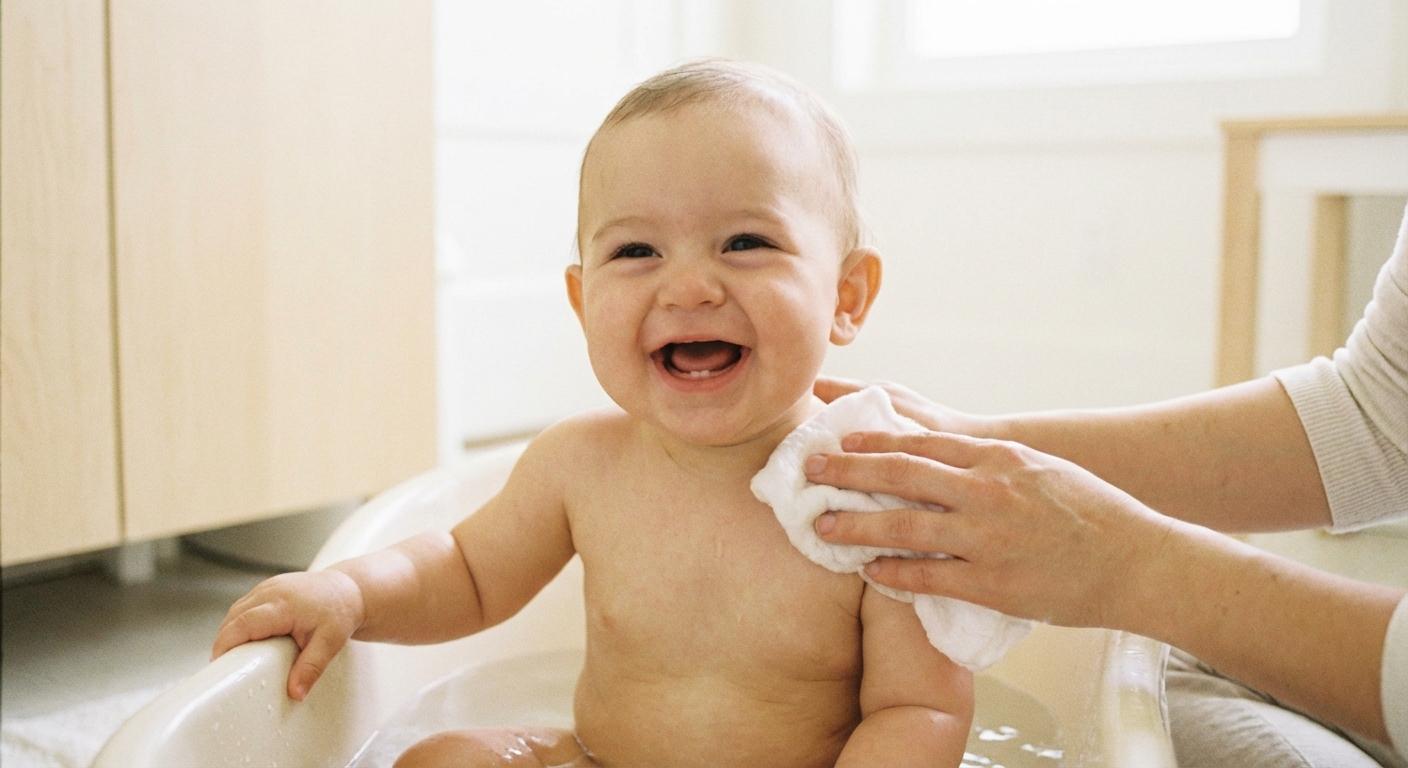
Wet the washcloth with warm water, add a small amount of cleanser, and create light lather. Wipe gently. Then rinse skin and cloth well.
Wring it out firmly and hang it spread open so it dries quickly.
Baby bath routine: clean-to-dirty, no scrubbing
A simple order:
- face: warm water only (very soft washcloth or clean hands)
- hair: only if needed, tiny amount of cleanser, rinse well
- body: quick wash, focus on neck, armpits, and folds
- folds: one gentle pass, then dry carefully
- nappy area: last, with a dedicated washcloth
Pressure should be very light. Fast back-and-forth rubbing can irritate, even when the fabric feels soft.
Rinsing matters more than most parents expect
Stinging or redness often comes from leftover cleanser on the skin or trapped in the cloth, especially in folds. Rinse until water runs clear.
Drying: pat, don’t rub (and dry the folds)
After bathing, pat dry. Pay attention to neck folds, groin folds, and underarms. Moisture trapped there can lead to irritation.
If baby has dry skin, applying an emollient after bathing can improve comfort, especially when skin is slightly damp.
Clinical and antimicrobial washcloths: what’s different
Hospital-style cleansing cloths
Hospitals often use single-use cleansing cloths to standardise hygiene and reduce germ transfer between patients, especially when showering is not possible.
Chlorhexidine (CHG) washcloths
CHG washcloths are antiseptic cloths used in specific medical situations (for example, before certain procedures, or for targeted decolonisation protocols to reduce bacteria such as MRSA). CHG can irritate skin and must be kept away from eyes, ears, and mucous membranes.
For babies, eczema-prone children, or broken skin, CHG should be used only under professional guidance.
Antimicrobial washcloth claims
Some reusable cloths are sold with “antimicrobial” claims. Even if a treatment slows bacterial growth in the fabric, it does not replace laundering, thorough rinsing, and full drying. For sensitive skin, treated textiles and heavy fragrances can trigger irritant contact dermatitis.
Washcloth care: washing, drying, and replacement
How often to wash
- face cloths: after each use
- body washcloth: after each bath/shower
- baby cloths: after each use
- guest cloths: after each guest stay
Machine washing and detergent choices
Use the warmest temperature the fabric label allows (many cotton cloths tolerate 40–60°C). Fragrance-free detergent is often better tolerated by sensitive skin.
If cloths smell musty, oxygen bleach can help with odour and stains (follow instructions). Vinegar is sometimes used as a rinse aid in hard water, it may reduce mineral build-up, but it does not replace proper washing and drying.
Drying well to avoid mildew
Hang washcloth pieces fully open, ideally with airflow. Waffle weave and low-pile fabrics dry faster, thick plush terry needs more space and time.
When to replace
Replace a washcloth that has:
- frayed edges or loose stitching
- a rough feel that irritates skin
- persistent odour even after washing and drying
- noticeable thinning
Washcloth vs other cleansing tools
- Hands: excellent control for newborns, easy to rinse clean, a very soft washcloth helps with sticky folds and nappy clean-up.
- Loofah: more exfoliating, can trap moisture, not ideal for baby skin.
- Sponge: often stays damp inside, odour risk is higher than a washcloth.
- Towel: mainly for drying, bulky for precise cleaning around eyes and folds.
- Wash mitt: good grip for wriggly toddlers, washcloth is more versatile for folding and zone separation.
Key takeaways
- A washcloth is a small reusable cloth (often 30×30 cm) used for gentle cleansing and mild exfoliation.
- For babies, aim for minimal friction, warm water, short baths, and thorough rinsing, clean, not scrubbed.
- Softer fabrics (muslin/gauze, low-pile cotton, some bamboo blends) are often best for baby and sensitive skin.
- Hygiene depends on drying fast, rotating often, and keeping separate cloths for face/body/nappy area.
- Replace any washcloth that stays smelly, stays damp, feels rough, or starts to fray.
To remember
If rashes, persistent redness, or itching keep returning, it is worth discussing with your paediatrician. Conditions like eczema, drool rash, or yeast-related nappy rash may need tailored care. You can also download the Heloa app for personalised tips and free child health questionnaires.