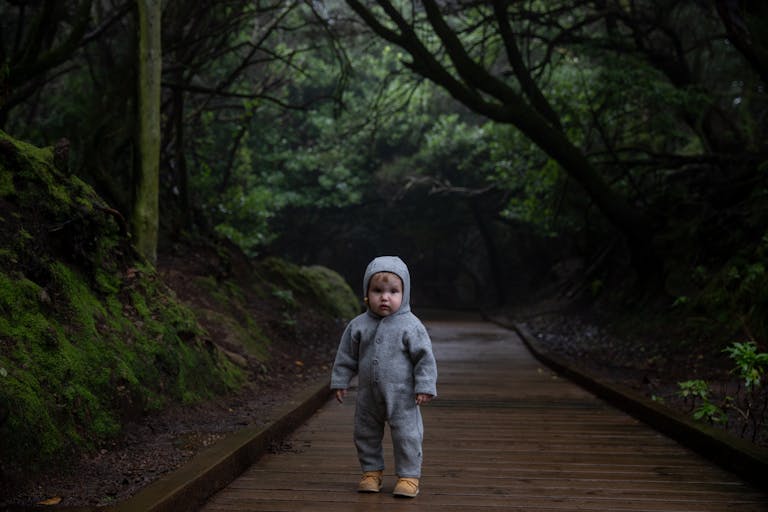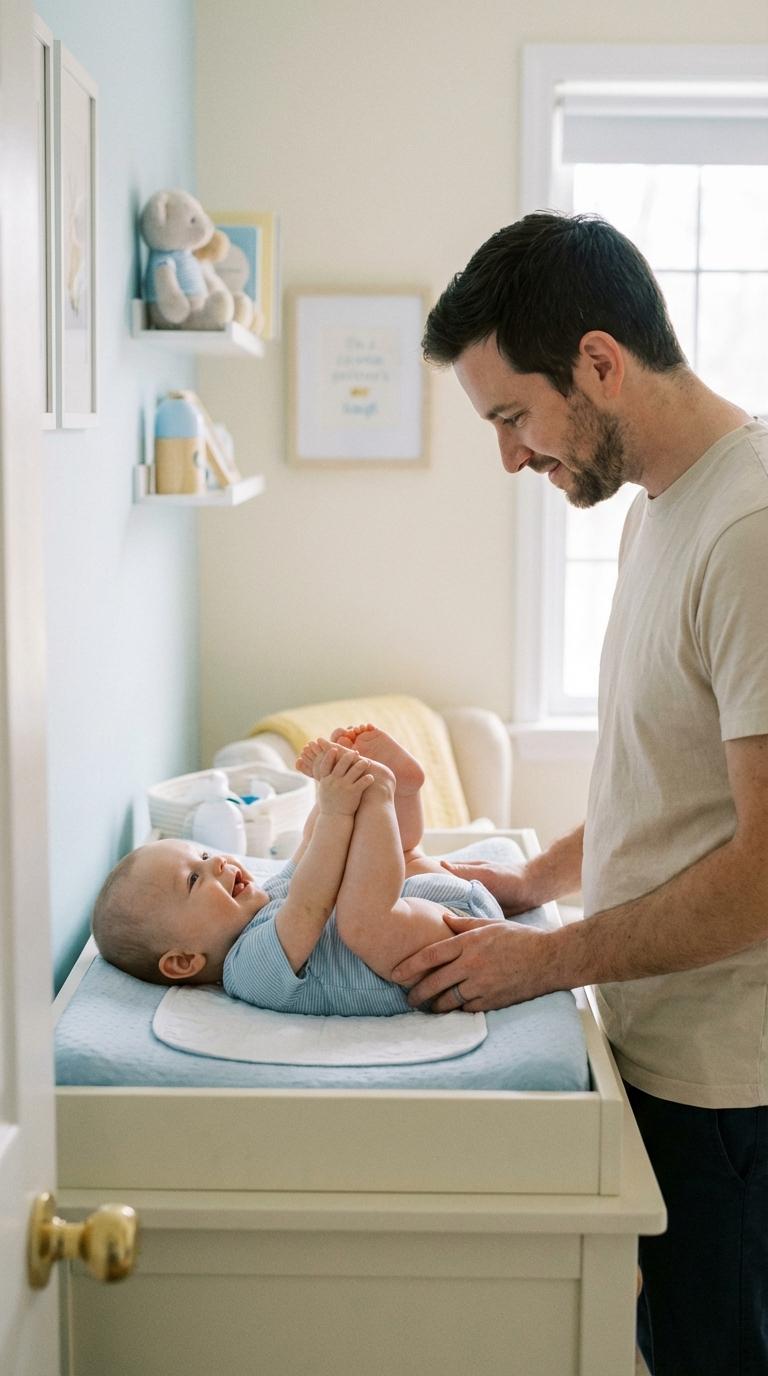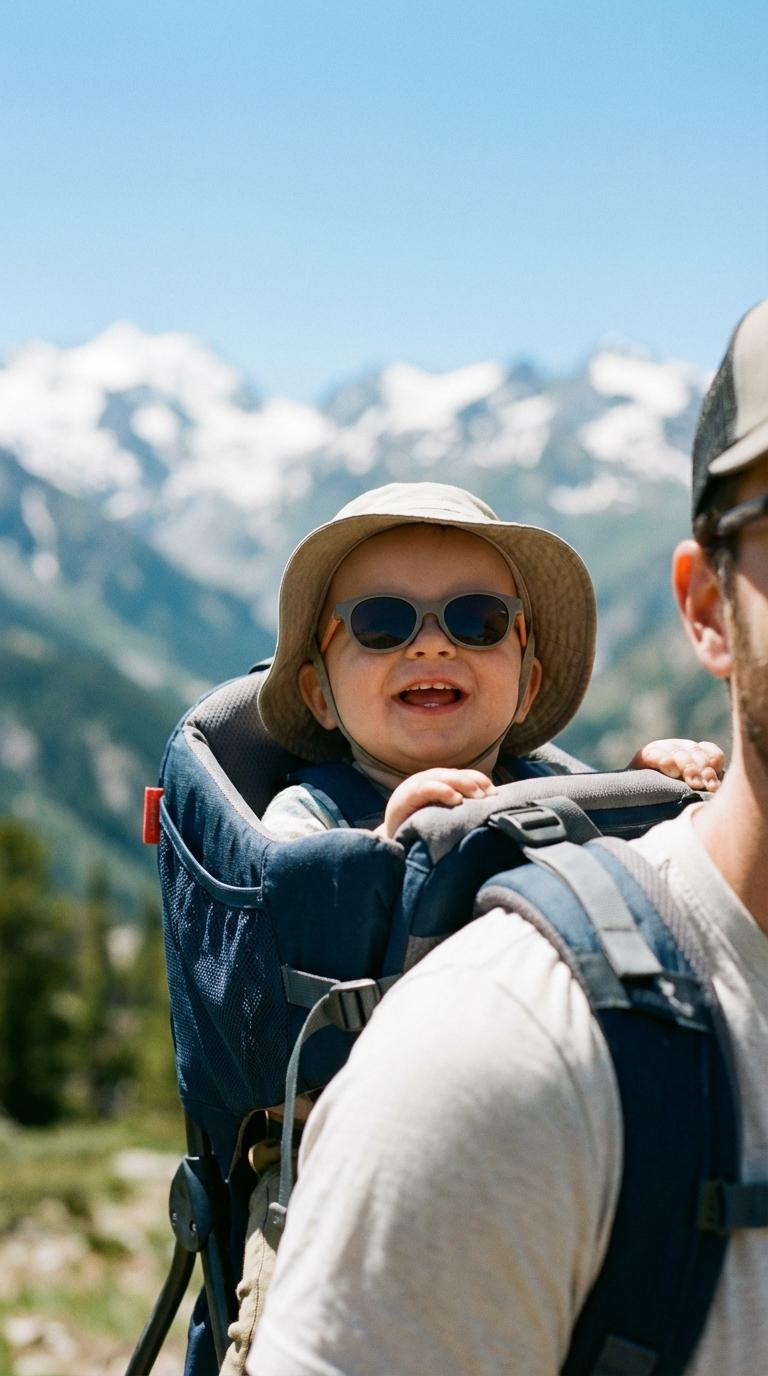
A short break in the hills can feel like a proper breath of fresh air, cool mornings, slower days, hot chai with a view. And then a very parent question arrives: altitude and baby. Will your child breathe comfortably, feed well, and sleep without too many interruptions? Concerns usually sound familiar: “Will my baby get enough oxygen?”, “Will my baby’s ears hurt during the climb?”, “What if the room is too cold and their nose gets blocked at night?”
With a few medical basics, some common-sense pacing, and close attention to your baby’s cues, altitude and baby can go together for many families, especially at moderate elevations.
Altitude and baby: what really changes at higher elevation
Day trip altitude vs sleeping altitude (the one that matters most)
Altitude is not only the number you see on Google Maps. For babies, sleeping altitude matters the most because night-time is long exposure: lower oxygen availability, dry air, and cooler temperatures act for hours.
A quick way to frame it:

- Day trips: brief exposure is often easier if your baby is warm, calm, and feeding normally.
- Overnight stays: be more conservative. Symptoms linked to altitude and baby often show up in the first 24 hours and may feel more noticeable after the first night.
Air pressure and oxygen: why “less oxygen” happens
As you go higher, barometric pressure (atmospheric pressure) drops. Oxygen remains about 21% of air, but the partial pressure of oxygen falls, so each breath delivers less oxygen into the blood.
Adults usually compensate by breathing a bit faster and increasing circulation. With altitude and baby, compensation can be less steady, particularly in early infancy and during sleep.
Why babies react differently
Babies are physiologically different:
- respiratory control is still maturing (especially during sleep)
- airways are narrow, so even mild congestion can disturb breathing
- smaller reserves of fluids and energy mean dehydration or reduced feeding can unsettle them quickly
Mountain air is also commonly dry, which can irritate nasal passages (mucosa) and worsen blockage. That alone can disturb sleep and feeds, an everyday challenge that gets amplified with altitude and baby.
Factors that increase risk
Some situations make altitude harder:
- rapid ascent (less time to adapt)
- cold and wind (babies lose heat quickly)
- strong UV exposure (sunburn risk even when it feels cool)
- illness, especially respiratory infections or significant nasal congestion
How altitude may affect your baby’s body
Breathing patterns and periodic breathing
At elevation, oxygen pressure drops. Babies may breathe faster. During sleep, you might notice periodic breathing, brief pauses followed by quicker breaths. This can be seen in healthy infants, and may be more noticeable with altitude and baby.
Focus on the whole baby, not just the rhythm:
- feeds are steady
- your baby is responsive and wakes normally
- skin colour stays normal (pink, not blue)
- no increased work of breathing (no grunting, chest retractions, or nasal flaring)
Temperature regulation: chilling and overheating
Babies have immature thermoregulation. Hill stations can swing from sunny afternoons to cold evenings quickly. A baby can get chilled in a stroller or during a night-time diaper change.
At the same time, overdressing can cause overheating, especially in a baby carrier where your body heat adds warmth. Check the chest/upper back (not only hands and feet) to judge comfort.
Hydration, feeding, and digestion
Dry air increases water loss through breathing and skin. Many babies do better with more frequent feeds at altitude.
You may see:
- temporary drop in appetite on the first day
- comfort feeding (especially breastfed babies)
- more spit-up (sometimes from swallowed air due to crying or faster breathing)
Vomiting and poor feeding can fit altitude and baby, but they can also mean dehydration or infection. Wet diapers remain a very practical indicator.
Sleep changes: lighter sleep, more wake-ups
Sleep can become lighter at altitude: more micro-awakenings, shorter naps, and fussier settling. Dry air plus a slightly blocked nose can be enough to break sleep.
Many families notice the second night improves once the baby adapts, unless the room is too cold/dry or the ascent was fast.
Safe altitude ranges by age (practical, cautious numbers)
Newborns (0-3 months): keep sleeping altitude low
For newborns, a cautious approach is keeping overnight stays around 1,200 m (approx. 3,900 ft) or lower. Breathing control is still immature, and oxygen reserve is limited.
If a higher viewpoint is planned as a short day trip, keep it gentle: warm layers, shade, feeding on time, and an easy route back down.
Babies (3-12 months): slow pace, protect naps
Between 3 and 12 months, adaptation improves. Still, routine is your strongest guide for altitude and baby. Shorter days, protected naps, and frequent feeds usually help at moderate altitude.
6+ months and toddlers: no single “safe” cutoff
Many families manage sleeping altitudes around 2,000 m (approx. 6,560 ft) with a gradual ascent. But there is no universal number.
Think in combinations:
- how fast you climbed
- whether your baby has a cold
- symptoms over the first 24-36 hours
- daytime high point vs sleeping altitude
Altitude zones that help decision-making
- Moderate: up to ~1,500 m
- Intermediate: 1,500-2,500 m
- High: above 2,500-3,000 m
Often:
- 1,000-1,500 m: usually comfortable, sometimes lighter sleep.
- 1,500-2,500 m: watch more closely, keep days easy.
- Above 2,500-3,000 m: think carefully about overnight stays, especially for smaller babies.
Babies who need extra caution before going higher
Extra caution is sensible if your baby:
- was born premature (especially with prior oxygen/ventilation or chronic lung disease)
- has a history of apnea
- has congenital heart disease or suspected pulmonary hypertension
- has chronic respiratory disease
- has significant anaemia
- has frequent ear infections
- recently had bronchiolitis or pneumonia, or currently has heavy congestion
For these situations, altitude and baby planning is best done with your paediatrician. The safest pattern is usually sleeping lower, ascending slowly, and keeping descent simple.
Acclimatisation for families: simple and practical
How acclimatisation looks in babies
Babies show acclimatisation through behaviour:
- smaller, more frequent feeds
- more fussiness
- faster breathing or more noticeable pauses during sleep
- unusual sleepiness or reduced interaction
Improvement usually means better feeds, easier settling, more typical alertness.
A gentle ascent strategy
Two easy rules support altitude and baby travel:
- Pause every 300-500 m to feed, change, and reassess (closer to 300 m for younger babies).
- When possible, sleep 300-500 m lower than the highest point you visited during the day.
For the first 48 hours, keep plans light: short outings, calm evenings, and return for naps.
Travel modes in India: car, ropeway, train, flight
By car: breaks, temperature, and ears
In the car:
- take breaks when you can
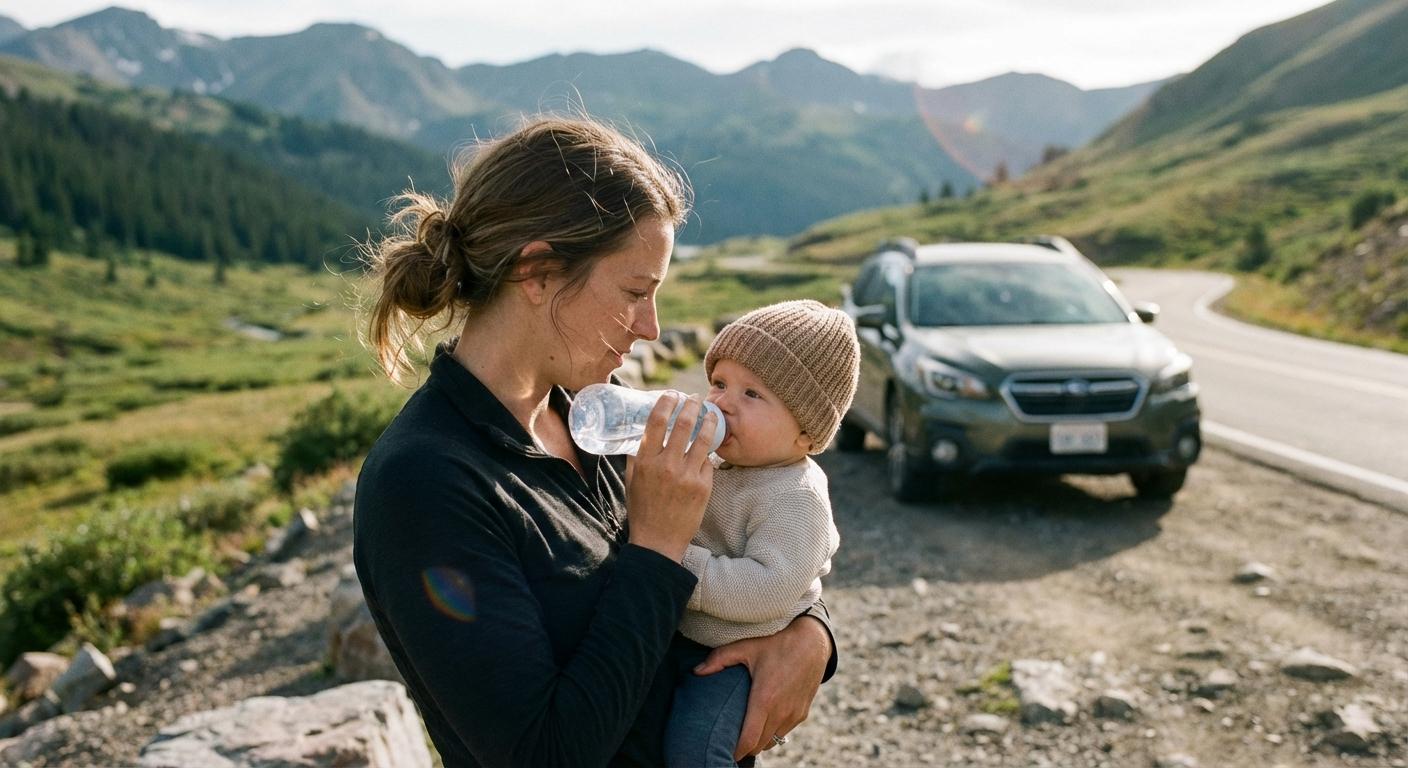
- offer breast/bottle/pacifier during climbs and descents to encourage swallowing
- watch temperature, babies can get cold fast if the AC is on or if windows are open
Ropeway/cable car vs mountain train: rapid vs gradual ascent
Ropeways climb quickly, which can aggravate ear discomfort. If you use one, observe for sudden crying, agitation, or feed refusal.
A toy train or a gradual drive with stops is often gentler for altitude and baby.
Flying: cabin altitude and congestion
Aircraft cabin pressure is often similar to 1,800-2,400 m. Many babies tolerate it, but ear discomfort is common, especially with congestion. Feeding during take-off and landing can help.
Altitude sickness in babies: signs, timing, and action
Why it can be hard to identify
Babies cannot explain pain or headache. Altitude illness can mimic normal baby issues: crying, poor feeding, vomiting, disturbed sleep. Context matters: recent ascent, first night at a new altitude.
Early signs to watch
Look for:
- unusual irritability or inconsolable crying
- refusing feeds or clear drop in intake
- vomiting or marked increase in spit-up
- marked fatigue, reduced interaction
- sleep suddenly becoming very disrupted
A helpful clue for altitude and baby: symptoms appear after ascent and improve with rest or descent.
Breathing warning signs (urgent)
Seek urgent medical care and descend if you notice:
- fast breathing at rest that keeps worsening
- chest retractions, nasal flaring, grunting
- louder snoring than usual or more pronounced pauses during sleep
- cyanosis (bluish lips/face)
- unusual drowsiness or difficulty waking
Pause, stop ascending, or descend?
- Pause: mild symptoms, rest, warm up, feed, observe.
- Stop ascending: symptoms persist after rest or recur when going higher.
- Descend: symptoms worsen or breathing/colour/alertness is concerning.
Dropping 300-500 m and reassessing is often a practical first step.
Differentiating altitude illness from cold, ear pain, dehydration
Overlap is common.
- Symptoms that begin within 24-36 hours of ascent, worsen after the first night, and improve with descent suggest altitude involvement.
- Fever, persistent cough, or no improvement with descent suggests infection.
When unsure, choose the safer path: do not go higher, and consider descending.
Sleep at altitude: comfort without compromising safety
Why sleep gets disrupted
Lighter sleep and frequent waking are common. Dry air can thicken nasal mucus. A slightly blocked nose can make your baby restless, and that can cascade into less feeding and more crying.
Extra caution is needed if there is laboured breathing at night, prolonged pauses, or unusual daytime sleepiness.
Keeping baby comfortable overnight
- Dress in breathable layers you can remove or add.
- Keep the room comfortably warm, not hot.
- If air is very dry, a humidifier can help reduce nasal irritation.
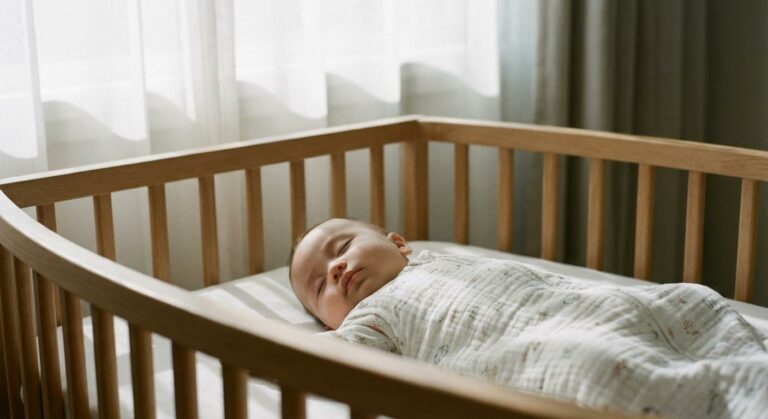
Safe sleep basics remain the same: firm flat surface, baby on the back, no loose blankets or soft pillows.
Feeding and hydration at altitude
Offer feeds more often
Dry air increases fluid needs. Offer breastfeeds or bottles more frequently. After 6 months, small sips of water in addition to milk may help in very dry conditions.
Signs of dehydration
Watch for:
- fewer wet diapers
- darker urine
- dry mouth, fewer tears
- unusual sleepiness or irritability
- poor feeding
If dehydration signs combine with repeated vomiting, breathing changes, or marked lethargy, get medical help.
Outdoor safety in the hills: cold, wind, sun
Clothing: simple three-layer plan
- base layer: moisture-wicking (avoid cotton in cold)
- middle layer: fleece or wool for insulation
- outer layer: windproof/waterproof jacket
Wind and sudden weather changes
Wind can cool a baby quickly even in sun. Keep a wind layer handy and carry spare dry clothes.
Babywearing vs stroller
Babywearing reduces wind exposure but can overheat the baby due to your body heat. In a stroller, keep shade and airflow without blocking ventilation completely.
Sun protection at altitude
UV is stronger at altitude and snow reflects sunlight. Prefer physical protection: shade, wide-brim hat, sunglasses, and protective clothing. Sunscreen is generally used more in older babies, for younger babies, shade and clothing remain the mainstay.
Monitoring oxygen saturation (SpO2): when it helps and when it does not
At altitude, SpO2 readings are expected to be lower even in healthy babies. Also, devices can misread with motion, cold hands/feet, or poor probe fit.
Treat the number as one piece of information. Behaviour is often more meaningful: comfortable breathing, normal colour, normal alertness, and steady feeding are reassuring in altitude and baby situations.
If altitude and baby do not mix: a calm action plan
First steps
- Stop ascending.
- Keep your baby calm and comfortably warm.
- Offer frequent feeds.
- Observe breathing at rest, colour, alertness, and urine output.
Descent helps most
If symptoms are linked to altitude, improvement may happen after descending a few hundred metres. Do not wait for your baby to push through if symptoms are worsening.
When to seek urgent care
Get urgent medical care and descend if you see:
- breathing distress (retractions, nasal flaring, grunting)
- cyanosis (blue lips/face)
- unusual lethargy or difficulty waking
- repeated vomiting with refusal to feed, or signs of significant dehydration
- worsening despite rest and descent
Altitude and baby packing list (quick essentials)
- warm layers (three-layer system)
- cap, mittens, thick socks
- stroller blanket/footmuff if needed
- spare dry outfits
- saline drops/spray for the nose
- baby sunglasses and hat
- thermometer and your regular baby care kit
To remember
- With altitude and baby, lower oxygen availability can affect sleep, feeding, and mood, often after the first night.
- Be extra watchful between 1,500 and 2,500 m, above 2,500-3,000 m, think carefully about overnight stays.
- Breathing effort, skin colour, alertness, feeding, and wet diapers matter more than any single device reading.
- Slow ascent, regular pauses, protection from cold and UV, and more frequent feeds make a big difference.
- Paediatric professionals can support planning and safety decisions. You can also download the Heloa app for personalised advice and free child health questionnaires.
Further reading: