By Heloa | 21 May 2025

Hormones and menopause: what every parent should know

7 minutes
de lecture

By Heloa | 21 May 2025

Hormones and menopause: what every parent should know

7 minutes

Par Heloa, le 21 May 2025

Hormones and menopause: what every parent should know

7 minutes
de lecture

Hormones and menopause—words that can make many parents pause, wondering what truly unfolds inside their bodies as this new chapter approaches. Perhaps you have noticed changes and pondered, “Is this normal? What can I do to support my health?” These are not just passing questions; they reflect genuine concerns about daily well-being, family dynamics, and long-term vitality. The horizon of menopause, shaped by the interplay of powerful chemicals like estrogen and progesterone, ushers in both uncertainty and opportunity. From unpredictable hot flashes to shifting moods, hormonal changes can ripple into many corners of life. Understanding these waves—what causes them and how to manage their effects—can ease the journey, dispel misconceptions, and help parents support both themselves and their loved ones.

Understanding Hormones and the Menopausal Transition

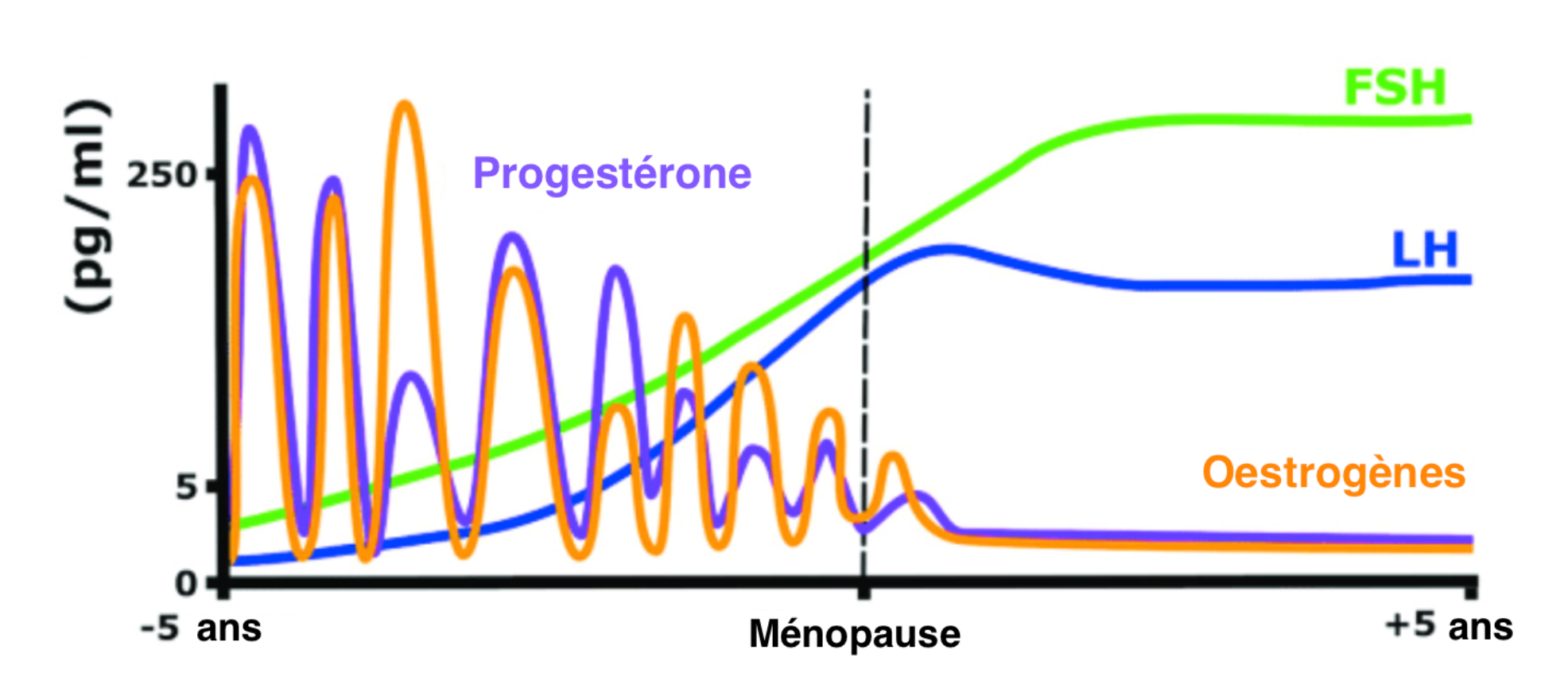
Menopause is not simply an abrupt ending but a complex biological evolution. As the ovarian reserve dwindles, the elegant choreography of hormones begins to shift. Estrogen and progesterone—the main players—see their levels dip sharply, leading to a cascade of physiological transformations. Menstrual cycles change character, sometimes erratic, at other times heavier or lighter until, one day, they stop altogether. This phase, often termed perimenopause, is peppered with irregular periods, mood changes, and sleep disruptions. But why does this happen? The answer lies in the fluctuating responses of the ovaries to follicle-stimulating hormone (FSH) and luteinizing hormone (LH), which spike as ovaries become less responsive.

Consider this: estrogen doesn’t just govern periods—it supports the skin’s plumpness, the heart’s rhythm, and even influences how we think and feel. When its influence wanes, the body adapts in unexpected ways, forcing parents to recalibrate their routines, their diets, and sometimes their outlooks. The median age for menopause is about fifty-one, but there’s no universal template—family history, ethnic background, and lifestyle all leave their marks. For some, symptoms are barely noticeable; for others, they feel all-encompassing.

Hormonal Changes and Their Effects

Hormones and menopause impact almost every cell. The famed hot flash—sudden, searing, and as unpredictable as the monsoon—traces its root to changes in how the brain manages heat. Lower estrogen disturbs the hypothalamus, triggering vasomotor symptoms: not just hot flashes, but also night sweats and palpitations. Up to 80% of women describe these feelings, often at the least convenient moment.

The decline in estrogen also transforms the urogenital tract. Lowered mucosal strength leads to vaginal dryness and can make intimacy uncomfortable. Sometimes urinary issues surface—an urgent need to visit the restroom or unexpected leakage when coughing or laughing. Infections may appear more frequently due to thinned mucosa.

Changes aren’t merely skin-deep. Reduced collagen production, a hallmark of lower estrogen, leaves skin feeling less supple, dry, perhaps a little more fragile than you remember. Unwanted facial hair? Thinning on the scalp? These are linked to the new hormonal balance, sometimes with emotional consequences as unsettling as the physical ones.

What about bones? Estrogen offers double protection: supporting bone density while slowing down bone loss. Its tapering heightens the risk of osteoporosis—a silent condition where bones become brittle. Spontaneous fractures can be one of the first signs, making daily calcium and vitamin D, plus load-bearing exercises, immediate allies.

Mood, cognition, and energy also sway under the shadow of hormonal change. Anxiety, irritability, or even full-blown depressive episodes may arise—some fleeting, others more persistent. Sleep often suffers; tossing and turning, woken by night sweats, the consistent sleep of youth can feel like a distant memory. Weight changes, particularly an expansion around the waist, reflect deeper metabolic shifts. Some parents notice a loss of libido, for which biology shares space with psychological and relationship influences. Over time, waning estrogen gently raises the risk of heart disease, making healthy lifestyle choices ever more relevant.

Diagnosis and Monitoring Menopause

Hormones and menopause are typically recognized by the absence of periods for twelve months. No complicated tests are needed for most—your story is the strongest clue. In some situations, especially for younger women or where the picture isn’t clear, checking levels of FSH and estradiol can provide clarity. FSH typically climbs above 30–40 IU/L, while estradiol dips below 20 pg/mL during menopause, though there is a natural ebb and flow during perimenopause.

A host of other scenarios can mimic menopause—thyroid issues, pituitary disorders, surgical removal of the ovaries, or premature ovarian insufficiency. Ruling out pregnancy, polycystic ovarian syndrome (PCOS), or hypothalamic amenorrhea is important for accurate management and peace of mind.

Hormone Replacement Therapy (HRT) and Symptom Relief

The swirl of symptoms during menopause prompts many to ask: is there relief? Hormone Replacement Therapy (HRT) steps in here, replenishing some of what’s lost, especially for hot flashes, urogenital symptoms, and bone protection. Options include estrogen-only therapy (for women without a uterus), combined estrogen-progestin (if the uterus is intact), and bioidentical hormones—agents that mimic the body’s natural chemicals, though the compounded versions are not always regulated.

Like all significant choices, HRT demands balance. While benefits include reduced hot flashes and preservation of bone mass, there are trade-offs: a slightly higher risk of breast cancer (mainly with combined therapy), deep vein thrombosis, and stroke if begun after age sixty or continued long-term. Transdermal patches and gels tend to pose lower risk of clots and metabolic disruption than tablets. Timing matters: starting sooner after menopause, at the lowest workable dose, is advised for most. There are scenarios, like a history of breast cancer or certain kinds of bleeding or blood clots, where HRT is avoided.

For those who cannot or would prefer not to use hormones, non-hormonal medications like SSRIs, SNRIs, gabapentin, and SERMs (Selective Estrogen Receptor Modulators) can still ease symptoms. It’s reassuring to know that effective alternatives exist.

Nutrition and Lifestyle for Hormonal Balance

Daily choices can amplify or soothe the effects of hormones and menopause. Nutrition is foundational: phytoestrogens—naturally occurring plant chemicals found in flaxseed, soy, and legumes—may gently mimic estrogen. Load your plate with vegetables, whole grains, lean proteins, and sources of omega-3 fatty acids. Calcium and vitamin D become non-negotiables for bone protection.

Physical activity is the backbone of long-term wellness. Simple walks or resistance training, repeated regularly, stave off bone loss and ease stress. Sleep hygiene deserves special attention: establish a predictable bedtime, keep your space cool, and watch out for caffeine or alcohol late in the day—each can disrupt fragile sleep.

Stress management is not a luxury. Techniques like deep breathing, meditation, or even short breaks for yourself buffer the effects of heightened cortisol, which often runs high during busy parenting years. Family connections—shared meals, group walks, open conversations—strengthen not just parent-child bonds but also reinforce lasting healthy habits.

Personalized advice from a dietitian can help address specific needs, fine-tuning nutritional choices where medical issues or preferences come into play.

Advances and New Options in Menopause Care

Hormones and menopause remain vibrant areas of medical progress. Selective Estrogen Receptor Modulators (like ospemifene and bazedoxifene) target specific tissues, easing vaginal symptoms or supporting bones while bypassing organs like the uterus or breast. Fresh entrants—neurokinin 3 receptor antagonists (such as fezolinetant)—offer hot flash relief by recalibrating brain mechanisms, completely hormone-free.

Women who reach menopause earlier than average, especially after surgery, contend with a rapid hormone decline, increasing the risk for osteoporosis, heart disease, and depression. For these individuals, supportive therapy (including HRT until the usual menopausal age) is often a significant ally.

Male Hormones and Aging

Is there a male equivalent to menopause? Not in the same sense. “Andropause” occasionally surfaces in conversations but lacks the sharp hormonal drop seen with menopause. In men, the gradual decline of testosterone may influence libido, the frequency of morning erections, and the ease of achieving or sustaining erections. Hair loss is influenced more by genetics than hormone shifts, and testosterone’s main influence concerns body hair, not scalp coverage.

Long-term Health, Support, and Wellness

Maintaining wellness during and after menopause benefits from teamwork: regular bone checks (DEXA scans), cardiovascular risk assessments (like cholesterol and blood pressure tests), and consistent cancer screening, including mammograms. Open communication—whether about intimacy, dryness, or general well-being—strengthens relationships and helps address potential challenges early.

Professional assistance—whether from a gynecologist, endocrinologist, dietitian, or mental health provider—tailors care directly to your story and your family’s needs. Emotional health matters deeply; if low moods, anxiety, or memory changes linger, support is always justified.

Ultimately, hormones and menopause signify evolution rather than decline. With information, support, and steady care, parents can traverse this landscape with resilience, continuing to set powerful examples for family health.

Key Takeaways

  • Hormones and menopause mark a natural stage in life, orchestrated by the interplay of estrogen, progesterone, and other key regulators.
  • Symptoms can range from subtle to disruptive but are all part of the transition.
  • Clinical diagnosis is most often based on menstrual history, with hormone testing for special cases.
  • Relief for symptoms is available—hormonal, non-hormonal, and lifestyle-based approaches all have a place.
  • Balanced nutrition, daily movement, and strong sleep habits underpin smoother physical and emotional transitions.
  • Scientific advancements and individualized strategies support diverse needs, including early or surgical menopause.
  • For men, aging-related hormonal changes exist, but without a menopause equivalent.
  • Support—from professionals and loved ones—can make a world of difference. For extra guidance, parents can download the application Heloa for practical tips and free health questionnaires for children, adding another dimension to proactive family care.

Questions Parents Ask

Can menopause affect memory or concentration?
It is quite usual during hormones and menopause to notice changes in memory or trouble keeping focus. Many parents mention feeling forgetful or experiencing “brain fog.” Such symptoms are closely related to shifting estrogen levels, which play a part in how the brain works. For most, this is temporary and tends to settle as the body adapts. Simple organisation—using reminders, writing things down, incorporating daily routines—often helps. If these troubles persist or disrupt daily functioning, meeting a healthcare professional for a check-up is advised.

Can menopause impact heart health?
Definitely. The fall in estrogen decreases some of the heart’s natural protection, making high blood pressure and cholesterol changes more common. For parents, prioritising cardiovascular health is now especially important: regular exercise, balanced meals (with less fatty or salty food), staying away from tobacco, and scheduled health reviews do make a big difference. For those with a family background of heart disease, discussing more specific strategies with a doctor is very wise.

How can I talk to my children about menopause?
Starting such conversations can feel awkward. Still, using familiar, age-appropriate language helps children make sense of change. A simple explanation like, “My body is changing as I grow older, and it’s completely natural,” normalises your experiences for children. If you’re unsure where to begin, giving honest, reassuring answers and inviting children’s questions fosters understanding and trust. Some parents also find that storybooks or digital resources designed for families can open up this dialogue naturally.

Further reading:

Similar Posts

Sweating in the middle of the night, unpredictable mood swings, and conversations about bone health suddenly on the family agenda? If the term “hormones and menopause” feels more like the opening line of a riddle than a medical subject, you are far from alone. For parents juggling busy schedules, work obligations, and household dynamics, hormonal changes tied to menopause can raise a whirlwind of concerns. Is it hot flashes or just another fevered rush to the school run? Could sleep disturbances be hormonal, or simply the result of interrupted nights with little ones? Understanding what really happens during “hormones and menopause”, why bodies shift, and how to find balance amid it all can transform confusion into clarity—and maybe even empowerment. The journey through menopause is unique, yet the science is universal. What’s actually happening on the inside, and how can science-based strategies support everyday wellbeing? Here’s a deep dive for parents seeking clear answers, guidance, and reassurance as they navigate this vital life stage.

The Hormonal Landscape: Unraveling the Science of Menopause

You’ve probably wondered: what causes the chaos of menopause, and how much is preordained by biology? At its core, “hormones and menopause” refers to the interplay of key chemical messengers—namely estrogen and progesterone—and a gradual shift in their levels as the ovarian reserve diminishes. Menopause, officially recognized when periods have stopped for 12 consecutive months, typically arrives around age 51, though genetics and lifestyle can tip the scales earlier or later.

Ovaries, once bustling with thousands of follicles, become less responsive to follicle-stimulating hormone (FSH) over time. As a result, estrogen production decreases. This decline, in turn, disrupts the hypothalamic-pituitary-gonadal axis, sending FSH and luteinizing hormone (LH) levels soaring. The result? Irregular, eventually absent, menstrual cycles. It’s a domino effect: as estrogen wanes, almost every system in the body feels the ripple—including the nervous, cardiovascular, and skeletal systems.

Beyond the textbook symptoms, the day-to-day impact is real. Hot flashes, those sudden surges of heat and sweat, stem from misfires in the brain’s temperature regulation (a direct hit from declining estrogen). Sleep becomes elusive, mood feels unpredictable, and a mysterious fatigue can settle in. The question, then, is not whether these changes happen, but why, and what to do about them.

Symptom Spectrum: What Shifts, What Stays, and Why It Matters for Parents

Every parent knows the value of predictability, yet “hormones and menopause” usher in a new era where rules change. Let’s explore the main zones of impact:

  • Vasomotor Symptoms. Those infamous hot flashes and night sweats result from altered thermoregulation. Imagine your body’s thermostat breaking, flickering erratically—one moment freezing, the next drenched in sweat. These episodes often come with a flush, sometimes palpitations, and leave many parents feeling as though they hardly recognize their own skin.
  • Urogenital Changes. Vaginal dryness, discomfort during intercourse, plus increased urinary urgency or frequency—these aren’t topics most parents anticipate discussing at the dinner table, but they’re rooted in thinning vaginal and urinary tract mucosa secondary to plummeting estrogen. Lowered estrogen also means diminished natural protection against urinary tract infections. While awkward to discuss, these symptoms are extremely common and deserve open, shame-free conversations.
  • Skin, Hair, and Bones. Reduced estrogen means less collagen production and decreased skin elasticity. Fine lines may deepen, hair may thin or shift distribution, and the risk for osteoporosis—fragile, fracture-prone bones—rises. Because estrogen helps regulate calcium metabolism in bones, its decline accelerates bone resorption. Bone density screening (like DEXA scans) becomes an essential health tool.
  • Mood and Sleep. Fluctuating levels of neurosteroids (hormones that affect neurotransmitters) contribute to shifts in mood, ranging from mild irritability to, in some, significant depressive symptoms. More than 40% of people in menopause report sleep disruptions; night sweats or insomnia challenge even the most organized parents. Notably, these symptoms can feed into each other in a feedback loop—poor sleep magnifies mood swings, which in turn impact sleep.
  • Metabolism and Weight. Perhaps you notice weight creeping up or a shift toward central adiposity (“apple-shape”). Changes in fat distribution, slower metabolism, and increased insulin resistance combine with lifestyle stressors, making weight management more complex during menopause.
  • Libido and Sexual Health. It’s not a myth—many report a dip in sexual desire, excitement, or satisfaction. While estrogen decline is partly responsible, psychological stressors, relationship dynamics, and self-image play significant supporting roles. The solution? Honest dialogues and, when needed, tailored medical advice.

Decoding Diagnosis: How Is Menopause Identified?

A common parental concern: “How do I know if it’s really menopause, and not something else?” The gold standard remains absence of menstruation for 12 straight months. Yet, when symptoms start before 45, or if the picture is unclear, checking hormone levels such as FSH (>30–40 IU/L) and low estradiol (<20 pg/mL) can be informative—though values may swing wildly in perimenopause.

Sometimes, doctors assess anti-Müllerian hormone (AMH) to evaluate ovarian reserve, but this isn’t routine. Other causes for missed periods—like thyroid abnormalities, polycystic ovarian syndrome (PCOS), or even pregnancy—require exclusion. When in doubt, medical evaluation ensures the right diagnosis and plan.

Hormone Replacement Therapy: Science, Safety, and Individual Choice

For many, the phrase “hormones and menopause” instantly triggers debates about Hormone Replacement Therapy (HRT). Is it safe? Effective? Necessary? Breaking it down:

  • Estrogen-only HRT suits those who have had a hysterectomy.
  • Combined estrogen-progestin HRT is preferred for those retaining a uterus, guarding against endometrial cancer risk.
  • Bioidentical hormones mimic natural human hormones, yet compounded versions are not strictly regulated.

HRT effectively soothes vasomotor symptoms, genitourinary complaints, and bone loss. Yet, it’s not without risks: studies show a modest increase in breast cancer (especially with long-term, combined forms), and small rises in blood clot or stroke risk, particularly when started well after menopause or in high-risk individuals. Transdermal patches and gels are associated with lower risks relative to pills. The core message: timing, dose, and personal medical history matter. For some, non-hormonal treatments—SSRIs, SNRIs, gabapentin, or selective estrogen receptor modulators (SERMs)—may be preferable or necessary.

A genuinely personalized approach, led by open dialogue with healthcare professionals, ensures health decisions reflect individual risks and priorities.

Nutrition, Lifestyle, and Parental Wellbeing: Supporting Hormonal Harmony

Meeting the daily demands of parenting during hormone shifts is its own athletic feat. Proactive lifestyle choices can dramatically ease adjustments tied to “hormones and menopause”:

  • Nourishing Diet. Choose calcium-rich foods to protect bones, vitamin D (think fatty fish, fortified milks, a dash of sunlight), plus phytoestrogens—natural plant compounds found in soy, flaxseed, and legumes—which may mildly support hormonal balance. Aim for a rainbow of vegetables, whole grains, and lean protein.
  • Physical Activity. Weight-bearing exercises like brisk walking, resistance training, or dance classes not only bolster bone strength but also improve mood and metabolic health. Even brief activity breaks make a difference—consistency trumps perfection.
  • Restorative Sleep. Regular sleep schedules, calming evening routines, cool and dark bedrooms, and limiting caffeine or alcohol can counter insomnia’s grip. If sleep issues persist, individualized support from a sleep specialist may help.
  • Stress Reduction. Simple relaxation strategies—mindful breathing, meditation, or hobbies—support hormonal stability. Elevated cortisol levels amplify symptoms; managing stress can be transformative.
  • Social Connection. Shared meals, family rituals, or support from other parents lend emotional resilience. Seeking professional advice (dietitians, mental health providers) is always wise for tailored recommendations.
  • Avoid Smoking, Limit Alcohol. Both habits undermine bone, heart, and hormonal health. Reducing exposure matters at any stage.
  • Family Awareness. Open conversations with partners, children, or loved ones foster empathy and understanding. When everyone’s informed, support flows more easily.

Emerging Treatments and Special Circumstances

The landscape of “hormones and menopause” management isn’t static. New therapies—such as SERMs (like ospemifene and bazedoxifene) and novel neurokinin 3 receptor antagonists (example: fezolinetant)—expand options with targeted, tissue-selective relief for specific symptoms. For people experiencing early menopause, especially following surgery (oophorectomy), abrupt hormone changes intensify risk for heart disease and osteoporosis—prompting earlier, sustained intervention with HRT or other modalities until the typical age of menopause.

Genetics, co-existing health conditions, and personal preferences shape every recommendation. Empathy—paired with cutting-edge science—remains the essential thread.

Andropause: The Male Perspective

While “hormones and menopause” are largely associated with women, attention sometimes turns to aging men. The term andropause occasionally surfaces to describe age-related declines in testosterone, but its medical validity remains debated. Some experience reduced libido, fewer morning erections, or erectile difficulties. However, these shifts are influenced by a broad interplay of health, lifestyle, and psychological factors, rather than a discrete hormonal ‘switch’ akin to menopause.

Hair loss may occur, but its roots are genetic as often as hormonal. Metabolic health—weight, cholesterol, and cardiovascular profile—merits monitoring for all parents as years advance.

Long-Term Health and Support: Strategy, Science, and Compassion

Regular health screenings transform worry into action. Bone density scans, lipid profiles for cardiovascular risk, and relevant cancer screening (mammograms, endometrial assessment) are powerful tools for prevention and peace of mind. Concerns about sexual health—whether lubrication, comfort, or intimacy—are thoroughly valid; options range from local estrogen to lubricants and specialist counseling.

Mental health remains paramount. If anxiety, mood changes, or cognitive shifts arise, compassionate and prompt support is available. The mix of hormonal, psychological, and social change can feel stormy—yet knowledge, resilience, and professional partnership make a tremendous difference.

Key Takeaways

  • “Hormones and menopause” center around changes in estrogen, progesterone, and gonadotropins that touch nearly every aspect of health and daily routine for parents.
  • Symptoms are highly variable, but each is a legitimate signal from the body, not a sign of failure or weakness.
  • Most diagnoses hinge on clinical features—absence of menses, midlife onset, symptom constellation—with laboratory testing reserved for ambiguous or early presentations.
  • Both hormone-based (HRT) and non-hormonal therapies offer meaningful relief, but decisions should always weigh individual health profiles, risk factors, and preferences.
  • Optimal wellbeing rests on balanced nutrition, physical movement, restorative sleep, and steady stress management—tools fully within reach for busy families.
  • Innovations in treatment, a multidisciplinary care team, and compassionate communication empower every parent facing the challenges of menopause.
  • While aging brings hormonal changes for men, shifts are less abrupt and rarely rooted solely in testosterone loss.
  • Lifelong learning, support networks, and trusted medical partners are valuable at every turn.

Resources, community support, and expert guidance are always at hand. For personalized tips and free health questionnaires tailored to your family, explore the Heloa app for practical support and advice right at your fingertips.

Questions Parents Ask

Can menopause affect memory or concentration?

Yes, it is common to notice changes in memory or concentration during menopause. Many parents report episodes of forgetfulness, difficulty focusing, or what some call “brain fog.” These changes are often linked to fluctuations in estrogen, which plays a role in cognitive function. If you experience these symptoms, rassurez-vous, they are typically temporary and tend to improve over time. Simple strategies like organizing your daily routine, taking notes, and practicing self-care can help. If memory problems are persistent or severe, seeking medical advice is encouraged.

Can menopause impact heart health?

Absolutely, menopause can influence heart health. The decrease in estrogen may increase the risk of cardiovascular issues such as high blood pressure or changes in cholesterol levels. It’s important to be attentive to your cardiovascular wellbeing at this stage. You can support your heart by eating a balanced diet, staying active, not smoking, and scheduling regular health check-ups. If you have concerns or a family history of heart disease, discuss them with your healthcare provider for personalized guidance.

How can I talk to my children about menopause?

Open communication is key. Explaining menopause to your children in age-appropriate language helps normalize the changes you are experiencing and can encourage empathy within the family. You might say something like, “Sometimes my body feels different as I get older—it’s completely natural, and nothing to worry about.” Answering questions honestly and reassuring your children that everything is okay supports an environment of trust. If you find it difficult, remember that it’s normal—many parents feel the same way. There are also books and online resources designed to help families discuss these topics together.

evolution hormones menopause

Further reading:

Similar Posts