Suddenly, the daily rhythm is turned upside down—your body transforms, you hold your baby close, yet the digestive system, an overlooked companion during pregnancy, brings a new challenge: postpartum constipation. The relief of holding your newborn is soon mingled with a quieter discomfort, often mentioned in hush, that can feel unexpectedly overwhelming. Why does the first bowel movement after birth feel so daunting? How long should it take, and is it normal to feel so stuck—both literally and figuratively? Let’s break down a topic every parent deserves to understand without embarrassment or confusion: what happens to digestive health after childbirth, why things slow down, and—above all—what truly helps. Throughout this exploration, discover not only medical facts but empowering, science-based solutions tailored for your unique and transformative postpartum phase.
What is postpartum constipation and what should you expect?
After childbirth, it’s almost as though the gut hits pause, renegotiating its role in a body now healing, feeding, and adjusting. Postpartum constipation—defined as fewer than three bowel movements per week or hard stools that require force or cause a sense of incomplete evacuation—emerges frequently in the early days. The stools may change in consistency, a phenomenon hospitals describe using the Bristol Stool Chart: types 1 and 2 (pellet-like or lumpy “sausages”) are classic signs of constipation, while types 3 and 4 (soft, smooth snakes) are the gold standard to aim for during recovery.
So why does everything slow down? Unlike chronic constipation tied to long-term low fibre, inadequate water, or inactivity, postpartum constipation is woven from a tapestry of factors: the sudden plummet of pregnancy hormones, anaesthesia after a C-section, the soreness and psychological shadow of stitches, iron supplements, fluctuating diet patterns, pain, and sleep deprivation. Sometimes, the mere anticipation—fear of pain or damaging sutures—leads to avoidance, making the passage even tougher as the stool dries and hardens.
For many, the first bowel movement after childbirth occurs within 1–3 days, though several days of delay is common, especially after surgery or with opioid painkillers. If nothing has moved after 4–5 days, doctors usually suggest a more direct approach to avoid faecal impaction or severe discomfort.


How frequent is postpartum constipation?
If you thought you were alone in this, consider that postpartum constipation is a near-universal experience. In the first 3–5 days, particularly following a C-section, the mix of anaesthesia, medications, and enforced bed rest stalls bowel movements. Even after a vaginal birth, perineal pain, stitches, and the emotional weight of caring for a newborn can delay the first motion. Adding irregular hospital meals and disrupted sleep routines makes bowel regularity a distant memory. Only once you regain movement and settle into familiar eating patterns—though with new stresses—does the gut begin to wake again.
Causes of postpartum constipation: physiological, hormonal, lifestyle
The postpartum body undertakes a remarkable adjustment. Let’s demystify the scientific layers:
Hormonal shifts: During pregnancy, high progesterone slows gut contractions. Post-delivery, as hormones swing dramatically, gut motility doesn’t instantly bounce back, impacted further by stress hormones shifting appetite and fluid balance.
Physiological adaptation: The intestines, shifted for months by an expanding uterus, recalibrate after birth. Muscles—especially in the pelvic floor—may be bruised, torn, or stretched, making sensations unusual, sometimes even numb.
Fluid changes and dehydration: Intense fluid shifts—think blood loss, extra urination, and postpartum sweating—make hydration essential. When intake lags, the colon reabsorbs more water from stool, turning it rock hard.
Reduced fibre and erratic meals: Hospital diets and the appetite changes immediately post-delivery can shrink fibre intake. Snack-driven, irregular meals at home disrupt the natural “gastrocolic reflex”—the urge to pass stool after eating.
Limited movement and fatigue: The pain of tears or a recovering incision means prolonged rest. The digestive tract, deprived of gravity and muscular movement, slows.
Microbiota changes: New life inside and out—both you and your gut bacteria are in transition, and stress or diet shifts can affect digestion.
Medications: Opioid painkillers—beloved for numbing pain, notorious for blocking bowels. Iron, antacids, and antiemetics also slow things down.
Obstetric trauma: Perineal tears, episiotomies, and swelling provoke legitimate fear of straining and discomfort, which can instigate a cycle of avoidance.
Who is more likely to experience postpartum constipation? Understanding risk
Why do some struggle more than others? Patterns emerge:
- Cesarean deliveries, especially when general anaesthesia is used
- Instrumental deliveries (forceps, vacuum) with greater trauma
- Serious perineal tears or midline episiotomy
- Long second stage, with extended pushing
- First-time mothers (primiparity) and higher BMI
- History of chronic constipation, pelvic floor weakness, or IBS
- Low fibre or fluid intake, especially with postnatal confinement practices
Recognizing your individual risk can prompt earlier action—for you, not only statistics.
Signs, symptoms, and possible complications
Recognising the everyday face of postpartum constipation isn’t always straightforward. Beyond the obvious—the struggle to go—watch for these:
- Hard, lumpy stool (Bristol types 1–2)
- Straining or lingering sensation of incomplete emptying
- Bloating, gassiness, aching discomfort or mild bleeding when wiping
- Dread or anxiety before the first movement, especially after stitches or surgery
But what if constipation lingers? Complications can include:
- Painful hemorrhoids, swollen and prone to bleed
- Anal fissures, small tears that burn with every stool
- Prolapse or rectocele symptoms—vaginal bulging or pelvic heaviness
- Aggravation of perineal or incisional wounds, slowing healing
- Rarely, faecal impaction, abdominal distension, or even ileus
How long does postpartum constipation last and when should you seek help?
Relief is within reach for most within 3–7 days, once proper hydration, regular meals, and gentle activity resume. After vaginal birth, bowel motions may be delayed but usually become easier with each passing day. Post C-section, expect things to take a shade longer. Concern spikes if symptoms extend beyond 6–8 weeks—or return with the same severity as day one.
There are warning signs that demand swift medical attention:
- No bowel movement for 4–5 days postpartum, especially with bloating or malaise
- Sharp, cramping or unyielding abdominal pain, distended belly, or inability to pass gas
- Ongoing vomiting, persistent fever, or heavy rectal bleeding
- Intense perineal pain stopping you from sitting or feeding your baby
- Sudden loss of bowel or bladder control, or profound fatigue and hair loss (possible hypothyroidism)
Diagnosis: How do professionals assess postpartum constipation?
Your doctor, midwife, or nurse takes a detailed approach, balancing empathy and the need for precision. Expect questions about:
- Delivery type, presence of tears, or complications
- Medication use, especially opioids, iron, or antacids
- Bowel habits before and after pregnancy
- Stool frequency, appearance, and degree of discomfort
- Associated symptoms—pain, bleeding, urinary complaints, bloating
Physical examination may cover:
- Abdominal palpation for pain or distension
- Check for perineal swelling or suture healing
- Rectal assessment as needed
If symptoms persist, blood tests may screen for anaemia or hypothyroidism, electrolyte imbalances, or kidney function concerns.
Gentle daily practices for relief: simple yet effective
What can parents genuinely rely on? Let’s turn to practical, movement-friendly strategies:
Hydration: Aim for 1.5–2 litres per day, or 2.3–3 litres when breastfeeding. A glass of water at every feed, a warm drink in the morning, clear soups or dal, and monitoring for pale yellow urine—these simple gestures add up.
Fibre: Target 25–35 g daily, but build up slowly. Choose:
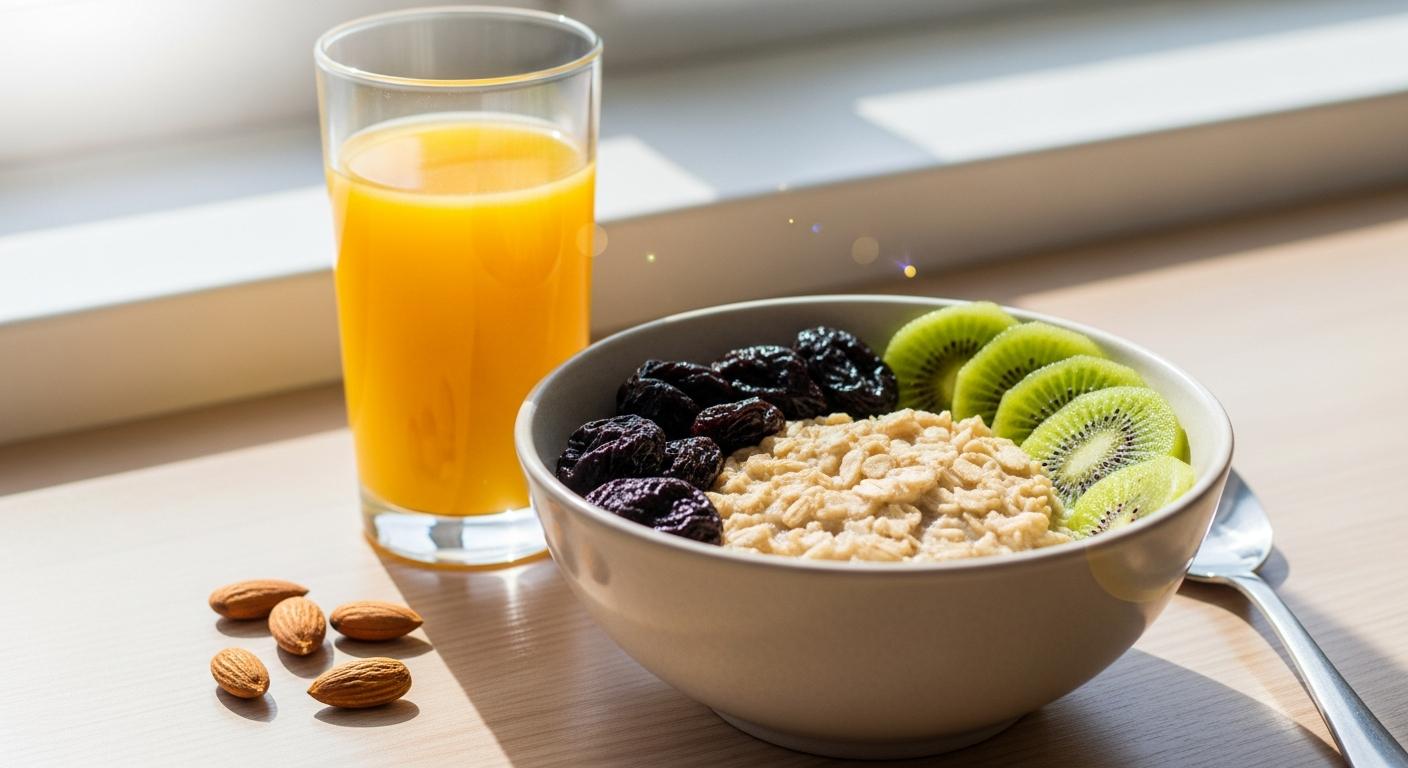
- Whole grains: oats, brown rice, millets
- Legumes: lentils, chickpeas—soaked and well-cooked
- Fruit: prunes, guava, figs, apples with skin
- Vegetables: palak, carrots, gourds
- Seeds and nuts: chia, ground flaxseed, almonds
Exploring texture: soups, soft khichdi, porridges, and vegetable stews—kinder on tender tummies in the early days.
Movement: Even sitting upright, gentle walking around the room, or slow corridor strolls (with your care provider’s approval) stimulate the gut. Diaphragmatic breathing and gradual pelvic tilts build comfort and control with time.
Toilet routine: The best results often come from habit—visiting the toilet 20–30 minutes after meals, using a small footstool to elevate the knees, and embracing slow, relaxed breathing. Supporting the perineum with a clean folded cloth or pad can lessen discomfort if stitches are present.
Perineal care: Cold packs within the first 48 hours, warm sitz baths for swelling after that, and topical creams for haemorrhoids—all provide targeted relief. Pain management favours acetaminophen and NSAIDs over opioids wherever feasible.
Medical and supplement options: what works and what’s safe?
If food, fluids, and movement don’t move things forward, medical support is available. Several options are considered safe during breastfeeding and act directly within the gut:
- Bulk-forming agents: Psyllium husk or methylcellulose—require plenty of water
- Osmotic laxatives: Polyethylene glycol (PEG 3350) and lactulose gently draw water into the stool
- Stool softeners: Docusate sodium helps with passage, especially after stitches
- Stimulant laxatives: Senna, bisacodyl—short-term only
- Suppositories: Glycerin or bisacodyl—quick effect
- Magnesium-based agents: Use cautiously if kidney issues are present
- Probiotics: Supplement certain strains for gentle, long-term gut support
If taking iron or opioid medications, discuss alternatives or dosages that produce less constipation. Never stop any prescription medicine without specialist advice.
Tailoring strategies: special scenarios
After C-section, early gentle mobilisation, sugar-free gum to stimulate digestion, and a cushion for incision support provide distinct advantages. Vaginal deliveries with perineal trauma call for extra-soft stools and ongoing perineal comfort. Those breastfeeding need to prioritise fluids. Taking iron or suffering from underlying bowel issues? Adjustments in type and timing of laxatives—often psyllium or osmotic varieties—can make all the difference.
Implementing a 7-day plan: a phased approach
- Days 0–1: Prioritise fluids, gentle walking, and consider stool softeners plus osmotic laxative if risk is high (C-section, opioids)
- Days 2–3: Gradually boost dietary fibre and fix regular toilet timing (ideally after breakfast)
- Days 3–4: No relief? Try a stimulant laxative or glycerin suppository
- Days 5–7: Fine-tune your medication based on changes, and reduce opioid or iron use if possible
- Beyond day 7: As stools soften, cut down on medication but maintain lifestyle changes
Track with a simple bowel diary: recording frequency, type (Bristol chart), discomfort, and any side effects.
Prevention as you return home
- Keep up fibre and hydration during late pregnancy
- Prepare vegetable-rich, whole-grain meals for the freezer
- Drink a glass at every feed, even in the hospital
- Move gently, listen to your body’s urge, and use the gastrocolic reflex by taking quiet toilet time after breakfast
- Ask for family support with food prep and short walks whenever possible
Key Takeaways
- Postpartum constipation is incredibly common, usually short-lived, and rarely causes long-term trouble.
- Signs to act include infrequent, hard stools or no bowel movement 3–4 days after childbirth.
- Foundations of relief lie in fluids, fibre, movement, comfortable posture and sound pain management.
- Known helpers: prunes, figs, chia or flaxseed (soaked), nourishing soups—always alongside water.
- Most laxatives (docusate, PEG/lactulose, psyllium, brief use of stimulants) are considered safe if taken as directed while breastfeeding.
- Review painkillers and iron use if constipation stays stubborn.
- Medical consultation is imperative for intense pain, protracted absence of stool, or unusual or severe rectal or perineal symptoms.
- Persistent discomfort or emerging pelvic floor issues should be brought to a pelvic specialist’s attention.
- For ongoing support and tailored advice, consider downloading the application Heloa, where free child health questionnaires and tips await.
Questions Parents Ask
How can I relieve postpartum constipation quickly at home?
Feeling blocked when everything is already so new can be frustrating. Start by sipping water consistently—maybe a glass with each feeding session. A warm herbal tea or even a traditional jeera water in the morning sometimes gets the bowels going. Gentle movement, like walking leisurely across your living space or simply changing positions, can coax the digestive tract to reawaken. Don’t ignore the urge, no matter how hesitant you feel, postponing trips to the toilet leads to harder stool and, inevitably, more pain. Position matters—raising your knees with a low stool, leaning forward, elbows on thighs, and exhaling slowly through the mouth (almost as if blowing through a straw) often allows smoother passage. If you have stitches or perineal tenderness, supporting the area softly with a folded cloth as you pass stool can ease tension. If despite these tricks, there’s still no progress or pain is strong, it may be time to consult a healthcare professional.
Can postpartum constipation cause long-term problems?
Maintaining soft, regular bowel movements generally prevents any lasting complications. In rare cases, persistent postpartum constipation can exacerbate haemorrhoids, cause recurring anal fissures (tiny tears that sting severely), or contribute to pelvic floor issues like rectocele (vaginal bulging) in those with pre-existing muscle weakness. Straining repeatedly may worsen pelvic heaviness or lead to feelings of “something descending” in the vaginal area. Recognising these symptoms early and adopting hydration, gentle posture, and, if need be, safe laxative use typically restores balance. Lingering discomfort, heaviness, or new bulges should prompt a consultation, possibly with pelvic physiotherapy advice for tailored exercises.
Does postpartum constipation affect breastfeeding or my baby?
There is no evidence that a mother’s constipation transfers to her infant—even though both mother and baby are bonded in so many miraculous ways, the workings of the gut are not directly shared. Most laxatives that doctors and pharmacists select for the postpartum stage (psyllium husk, PEG, docusate sodium, brief senna use) act locally in the gut and leave barely a trace in breast milk. Good hydration actually supports milk supply and digestive wellness at once, so keeping a bottle handy at your usual feeding spot is a practical tip. When sitting is painful (from stitches or haemorrhoids), experiment with side-lying or reclined breastfeeding positions to protect the perineum and minimise discomfort. Should your baby develop unusual diarrhoea or changes in pattern after you start constipation treatment, check in with your doctor, paediatrician, or lactation consultant—often, minor adjustments set everything right.
Further reading: