
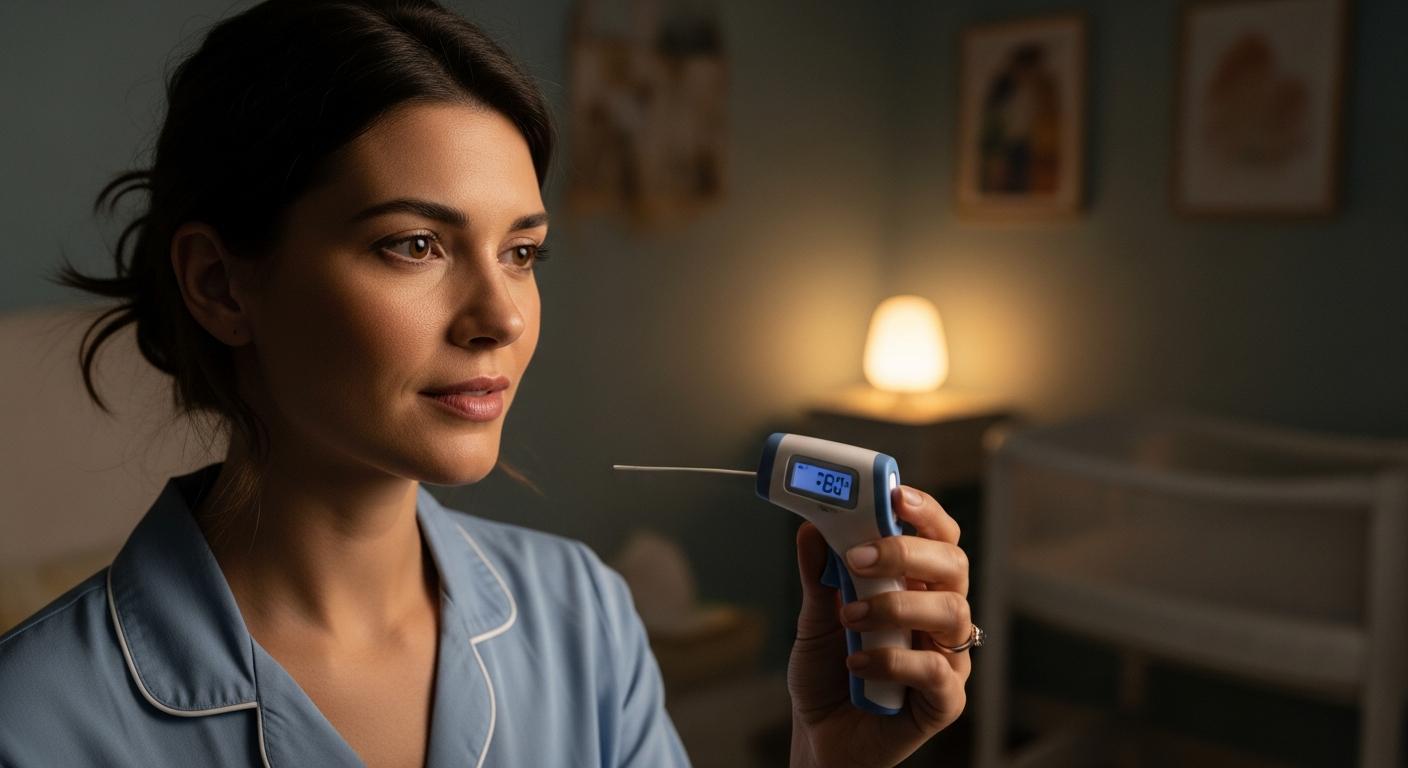
A sudden “barking” cough at 2 a.m., a hoarse little voice, and that sharp, high-pitched sound on breathing in: croup can feel alarmingly theatrical. Parents often ask the same questions in the dark. Is my child getting enough air? What can I do right now? When is it time to leave for urgent care?
Most of the time, croup settles quickly with calm, hydration, and (when needed) a single dose of steroid prescribed by a clinician. The key is learning the pattern of croup, understanding why nights are harder, and spotting the few warning signs that should not wait.
What croup is (and why it sounds so strange)
Croup is usually a viral infection causing inflammation of the upper airway: the larynx (voice box) and upper trachea (windpipe). Clinicians may call it acute viral laryngotracheitis.
In young children, the narrowest zone sits just below the vocal cords: the subglottic area. When it swells (sometimes only a few millimeters), airflow becomes turbulent. That turbulence creates the classic trio:


- a “seal-like” barking cough
- hoarseness (irritated vocal cords)
- inspiratory stridor (a high sound mainly when breathing in, pointing to upper-airway narrowing rather than lung disease)
You might wonder: why does it look worse than it is? Because a small airway amplifies sound, and children get distressed fast. Crying increases airflow speed and can make stridor louder.
Typical timeline: what parents often notice, night by night
Croup often starts like an ordinary cold (runny nose, congestion, sometimes fever). Then the first night arrives: cough changes tone, breathing becomes noisy, everyone is wide awake.
Common rhythm:
- Peak: the first 1-2 nights are often the toughest.
- Daytime improvement: many children look surprisingly better during the day.
- Recovery: noticeable improvement frequently happens within about 48 hours, symptoms usually resolve in 3-7 days, though a mild cough or hoarse voice can linger.
Why nights are harder
Lying down, fatigue, and drier indoor air can make swelling feel more obvious. Add anxiety and tears, and the distress-breathing loop starts spinning.
Is croup contagious?
Yes. Croup is most often caused by common respiratory viruses and spreads like a cold: droplets, hands, shared toys, and household surfaces. More than one child in a family or daycare group can develop symptoms within days.
Fall and winter are classic seasons because respiratory viruses circulate more and children spend more time indoors.
Who gets croup (and who needs earlier medical advice)
Croup is most common between 6 months and 3 years (often around 1-2 years). Toddlers are hit harder simply because their airways are smaller.
Extra caution is usually discussed for:
- young infants, especially if feeding drops or breathing is noisy at rest
- children born prematurely
- children with prior respiratory vulnerability or airway differences
What can trigger croup
Most cases are viral.
Common viruses linked to croup:
- parainfluenza virus (frequent cause)
- RSV, influenza A/B, adenovirus, rhinovirus, enterovirus
- SARS-CoV-2 can also cause croup in some children
Irritants can aggravate the upper airway even when the original trigger is a virus:
- cigarette smoke (including secondhand and thirdhand exposure)
- vaping aerosols
- heavily scented sprays
- overly dry, overheated rooms
Repeated episodes sometimes lead clinicians to discuss contributing factors such as GERD (gastroesophageal reflux, where stomach contents irritate the throat) or atopy (allergic tendency). Not because every case has a hidden cause, but because reducing chronic irritation can reduce recurrences.
Stridor or wheeze: a quick way to tell what you are hearing
- Stridor: high-pitched, mostly on breathing in. Typical in croup.
- Wheeze: whistling, mostly on breathing out. More suggestive of asthma/bronchiolitis.
If you hear wheeze, or both sounds together, clinicians often broaden the differential diagnosis.
Mild, moderate, severe croup: what severity looks like at home
A practical rule: assess your child when they are calm.
- Mild croup: barking cough, stridor only when crying or active, comfortable breathing at rest.
- Moderate croup: stridor heard at rest, visible work of breathing.
- Severe croup: stridor at rest plus very hard breathing, poor air movement, or exhaustion.
Signs of increased work of breathing
Look for:
- retractions (skin pulling in between ribs, above the collarbones, or at the base of the neck)
- fast breathing
- nasal flaring
- trouble speaking/crying normally because breathing is difficult
Hydration: the quiet problem
When breathing takes effort, drinking becomes tiring.
Watch for:
- shorter or less frequent feeds
- frequent pauses to catch breath
- fewer wet diapers, darker urine, dry mouth
When to seek urgent or emergency care
Trust your instincts, especially at night. Seek emergency help right away for:
- stridor at rest that is persistent or worsening
- significant retractions or very fast breathing
- blue/gray lips or face
- pauses in breathing
- extreme fatigue, unusual sleepiness, or a child who seems “too tired” to breathe well
Seek urgent medical assessment if:
- your child cannot keep fluids down, refuses to drink, or has far fewer wet diapers
- vomiting is repeated, mouth is very dry
Red flags for conditions that can mimic croup (do not wait)
These are not typical of uncomplicated viral croup:
- drooling or inability to swallow
- muffled “hot potato” voice
- sudden severe sore throat with high fever
- sudden onset after choking or during play (possible foreign body)
How clinicians diagnose croup
Croup is usually a clinical diagnosis: history + exam. Pulse oximetry is often used in moderate-to-severe cases to check oxygen saturation. Blood tests are rarely helpful.
Neck X-ray (the “steeple sign”) is not routine, it is reserved for atypical or severe presentations, or when another diagnosis is being considered.
Recurrent episodes, very severe disease, symptoms outside the usual age range, or poor response to therapy may lead to further evaluation.
Medical treatment: what is used, and why
Corticosteroids (dexamethasone)
For most children with croup, a single dose of dexamethasone is first-line treatment. A commonly used dose is 0.6 mg/kg (given by mouth when possible). Many children start improving within a few hours, and the next night is often easier.
In some settings, nebulized budesonide is an alternative steroid option.
Nebulized epinephrine (adrenaline)
For moderate-to-severe croup with stridor at rest and distress, clinicians may give nebulized epinephrine. It can work quickly, but the effect may fade after about 2-4 hours, so observation is needed to ensure symptoms do not rebound.
Treatments that usually do not help
- Antibiotics do not treat viral croup (they are used only if bacterial infection is suspected).
- Routine humidified mist has mixed evidence, it should not replace steroids or epinephrine when those are indicated.
Home care for mild croup: a simple, safe plan
1) Calm your child first
This is not “just comfort”, it is physiology. Calmer breathing reduces turbulence.
Try:
- holding your child upright or semi-upright
- a quiet voice, dim lights, less stimulation
- short pauses, slow breathing together if age allows
2) Offer fluids in small, frequent amounts
Hydration matters more than appetite. Frequent sips work better than big drinks.
3) Clear nasal congestion (especially in babies)
Saline drops/spray and gentle nasal suction before feeds and sleep can help. Infants rely heavily on nasal breathing.
4) Fever and discomfort relief
Paracetamol/acetaminophen or ibuprofen can be used with correct age- and weight-based dosing. Avoid aspirin in children. Avoid over-the-counter cough/cold medicines in young children unless specifically advised.
5) Air: keep it gentle and safe
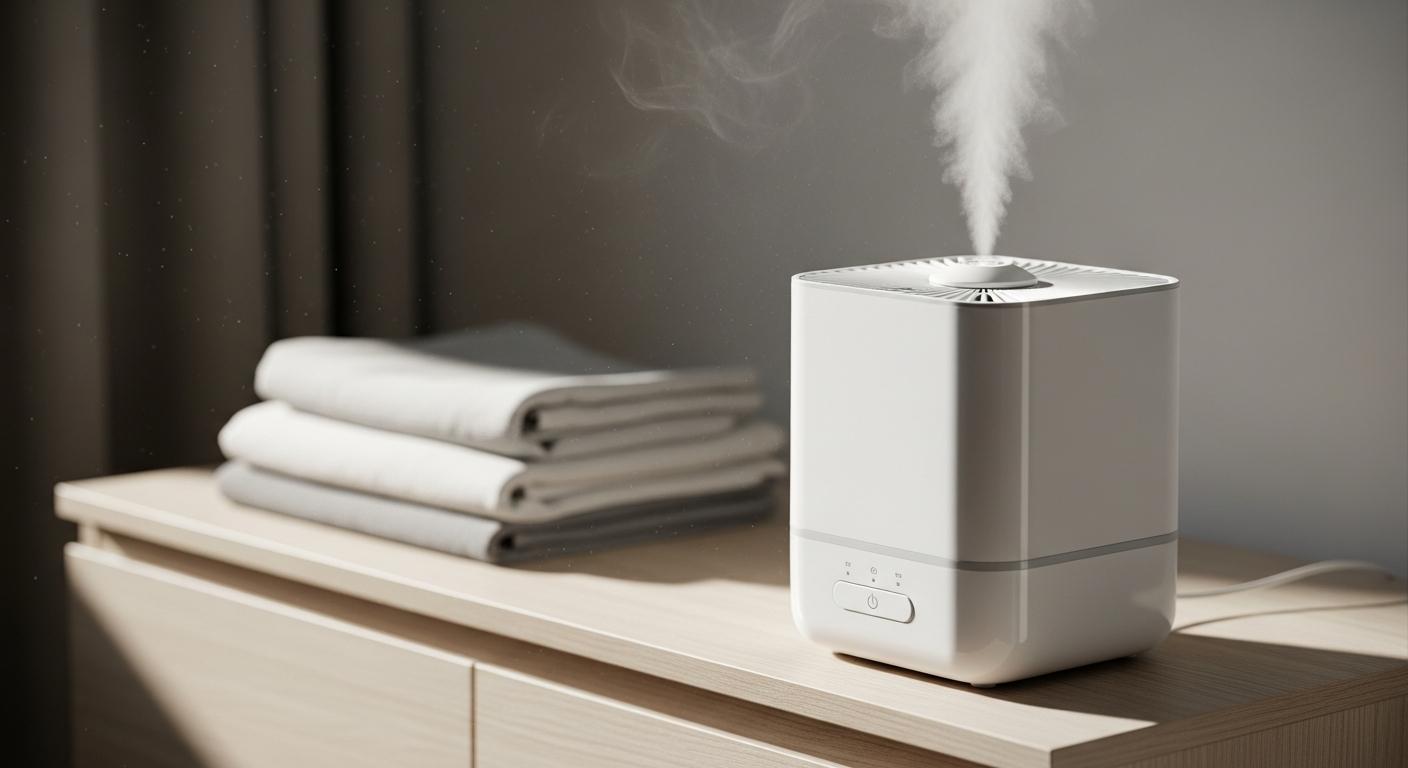
If indoor air is very dry, a clean humidifier may improve comfort. Avoid hot steam close to a child (burn risk). Some families notice brief relief with cool outdoor air, if you try it, dress warmly and supervise closely.
Things to avoid
- smoke exposure and vaping aerosols
- strong fragrances and sprays
- overheated bedrooms
- menthol/camphor vapor products in small children (airway irritation risk)
A practical nighttime decision point
Check breathing when your child is calm:
- No stridor at rest, drinking OK, comfortable? Home care and observation are reasonable.
- Stridor at rest, rising effort, color change, or you feel uneasy about the work of breathing? Seek medical care promptly.
Recurrent croup and “spasmodic” episodes
Some children have sudden nighttime croup episodes that improve by morning and may recur over 1-2 nights. Clinicians sometimes call this spasmodic croup and may consider airway sensitivity, dry air, irritants, or allergic tendency.
If episodes are frequent, unusually severe, or prolonged (persistent hoarseness, repeated stridor), discuss with a clinician. Evaluation may explore irritants, atopy, reflux, or less commonly airway anatomy.
Prevention: reducing spread and airway irritation
- Handwashing with soap and water for 20 seconds.
- Teach cough/sneeze etiquette (tissue or elbow), then wash hands.
- Clean high-touch surfaces and ventilate rooms when possible.
- Keep children home when feverish or significantly unwell, return when improving and fever-free for 24 hours without fever reducers.
- Avoid smoke exposure, aim for comfortable indoor humidity if air is very dry.
- Vaccines matter: influenza vaccine can reduce flu-related croup-like illness, routine Hib vaccination reduces rare but severe upper-airway infections that can mimic croup.
Key takeaways
- Croup is an upper-airway inflammation (larynx/trachea) causing a barking cough, hoarseness, and sometimes stridor, often worse at night.
- The first 1-2 nights are often the hardest, many children improve within about 48 hours and recover in 3-7 days.
- Mild croup care at home focuses on calm, upright positioning, small frequent fluids, nasal clearance, and safe fever relief.
- Seek urgent care for stridor at rest, increasing work of breathing (retractions, nasal flaring, very fast breathing), blue/gray color, dehydration, or unusual drowsiness/exhaustion.
- Clinicians commonly treat croup with dexamethasone, nebulized epinephrine is reserved for more severe symptoms with observation afterward.
Support exists if nights feel long: your pediatrician, local urgent care, and emergency services can assess breathing quickly. For tailored guidance and free child health questionnaires, you can also download the Heloa app.
Questions Parents Ask
How long is croup contagious, and when can my child go back to daycare?
Croup is usually caused by the same viruses as a common cold, so it tends to be most contagious in the first few days, especially when your child has a runny nose, fever, and lots of coughing. Many families choose to return to daycare when fever has been gone for 24 hours (without fever reducers) and your child is drinking reasonably well and managing the day. If the barking cough is still intense at night, it can be kinder to everyone (including your child) to allow a bit more rest.
Can adults catch croup from a child?
Adults can catch the virus that causes croup, but they usually don’t develop the classic “barking” cough because their airways are larger. They may just get a sore throat, hoarseness, or a typical cold. Handwashing, ventilating rooms, and avoiding sharing cups/utensils can help limit spread at home.
Why does my child keep getting croup?
Recurrent episodes can happen, and it doesn’t mean you’ve done anything wrong. Some children simply have more sensitive upper airways, and viral seasons can bring repeated triggers. Irritants (like smoke, vaping aerosols, strong fragrances) or ongoing throat irritation (sometimes reflux or allergies) may also play a role. If episodes are frequent, unusually severe, or happening outside the typical age range, it’s a good idea to discuss it with a clinician for tailored advice.
Further reading: