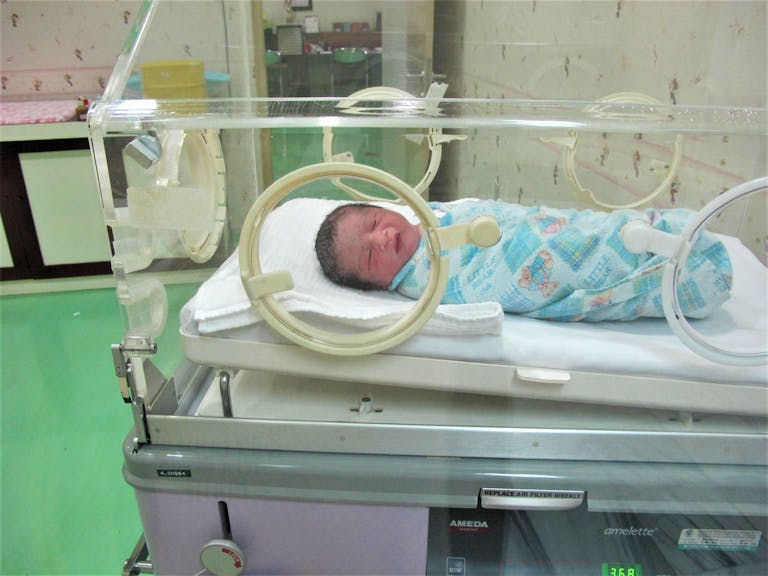

A preemie can look tiny, but the questions filling a parent’s head feel huge. Why does breathing sometimes look so hard? Why does feeding take so long? Why are there so many wires—and why do some days feel like two steps forward, one step back? Prematurity changes the first weeks of life: more monitoring, more medical vocabulary, more waiting. Yet there is a clear path: stabilize, nourish, grow, protect the brain and lungs, then gradually hand the controls back to family life.
What “preemie” really means
Born before 37 weeks: the medical definition
A preemie is a baby born before 37 completed weeks of pregnancy (gestational age). Gestational age is counted from the first day of the last menstrual period and is often refined by ultrasound.
Late pregnancy is a finishing school for organs:
- Lungs increase surfactant (keeps air sacs open).
- The brain forms fast connections and myelination (nerve “insulation”).
- Fat stores build, helping temperature control.
- Feeding stamina improves (suck–swallow–breathe coordination).
“Preterm,” “premature,” “preemie”: different words, same reality
Clinicians usually say preterm infant. Many families say preemie. “Premature baby” is common too. You might also hear:


- Postmenstrual age (PMA): gestational age at birth + weeks since birth
- Term-equivalent age: around 40 weeks PMA
Preterm vs low birth weight vs SGA (not interchangeable)
- Preterm: born before 37 weeks
- Low birth weight (LBW): <2,500 g
- Very low birth weight (VLBW): <1,500 g
- Extremely low birth weight (ELBW): <1,000 g
- Small for gestational age (SGA): <10th percentile for gestational age
A baby can be a preemie without being SGA (born early). A baby can be term and still SGA (growth restriction).
Prematurity groups (helpful categories, not identities)
The common gestational age groups
- Moderate preterm: 32–36 weeks
- Very preterm: 28–31 weeks
- Extremely preterm: <28 weeks
These groupings help choose the right level of newborn care, not define a child.
Extremely preterm and “micropreemie”
Babies under 28 weeks often need CPAP or ventilation, an incubator (sometimes with humidity), and gradual nutrition: first IV support (TPN), then small tube feeds. NICU stays can be long, with close watching for lung disease, infection, intestinal complications, and brain/eye development.
Very preterm (28–31 weeks)
Respiratory support and monitoring are common, especially for:
- Apnea of prematurity (breathing pauses)
- Bradycardia (slower heart rate)
Feeding often starts by tube, then transitions to breast or bottle as coordination and endurance strengthen.
Moderate to late preterm (32–36 weeks)
After 32 weeks, lungs are often more mature, yet a preemie may still struggle with temperature stability, jaundice, blood sugar regulation, and feeding fatigue. Some need brief NICU observation, others stay with parents in a step-down nursery.
Viability thresholds: why numbers are only part of the story
Around 22–24 weeks, survival can sometimes be possible, but uncertainty is higher and complications are more frequent. Decisions depend on the whole picture: gestational age, birth weight, condition at birth, local resources, and shared discussion with parents.
Why babies are born early
Spontaneous preterm labor and PPROM
Sometimes labor starts early. Another pathway is PPROM (preterm premature rupture of membranes), when the “water breaks” before 37 weeks. Contributors include infection/inflammation, cervical shortening, uterine overdistension (twins, triplets, polyhydramnios), and a history of prior preterm birth.
Medically indicated early birth
At times, ending pregnancy is safer than continuing it. Examples:
- Maternal: severe hypertension, preeclampsia, worsening heart/kidney disease
- Placental: abruption, placenta previa with bleeding, placental insufficiency
- Fetal: growth restriction with concerning testing, fetal distress
When no cause is found
Even with careful evaluation, some preterm births have no single trigger. That uncertainty can be hard—and it is common.
Signs of preterm labor: when to get checked
Before 37 weeks, contact your maternity team or go to triage for:
- Regular contractions that persist
- Pelvic pressure, cramps, or persistent low back pain
- A gush or trickle of fluid
- Vaginal bleeding
- A clear decrease or major change in fetal movements
What evaluation can include
Depending on your situation, clinicians may:
- Monitor contractions and fetal heart rate
- Examine the cervix
- Measure cervical length via transvaginal ultrasound
- Use fetal fibronectin (fFN) testing in selected cases
- Run urine/blood tests for infection or dehydration
Treatments that may be proposed
You may hear about:
- Tocolytics (short-term contraction slowing)
- Antenatal corticosteroids to speed lung maturation
- Magnesium sulfate for neuroprotection (often <32 weeks)
- Antibiotics in PPROM or suspected infection
- GBS prophylaxis during labor when needed
Transfer before birth
If early delivery looks likely, transfer to a center with an appropriate NICU may be suggested. It can be safer to have the neonatology team ready at delivery, rather than moving a fragile preemie afterward.
Can preterm birth be prevented?
Options sometimes used
Prevention depends on risk pattern:
- Progesterone for a short cervix and/or certain prior preterm birth histories (protocols vary)
- Cerclage (cervical stitch) for selected cervical insufficiency situations
- Cervical pessary in some settings (evidence is mixed)
Health supports that matter
Prompt infection treatment, close follow-up for chronic conditions, smoking cessation, and pregnancy spacing discussions can all help.
Bed rest: why it’s not a default answer
Routine bed rest has not consistently prevented preterm birth and can increase risks (blood clots, deconditioning, mood strain). Activity advice should be individualized.
Early health issues after birth: what teams watch closely
Breathing: RDS and oxygen support
Immature lungs can cause respiratory distress syndrome (RDS) from low surfactant. Support may include oxygen, HFNC, CPAP, or ventilation. Some babies receive surfactant via a breathing tube (or less invasive techniques, depending on the NICU).
Apnea and bradycardia
Apnea and heart rate dips are common in smaller infants, monitors track breathing and oxygen saturation. Caffeine citrate is often used.
Temperature, jaundice, glucose, anemia
A preemie loses heat quickly, incubators help maintain a neutral thermal environment. Bilirubin is monitored (phototherapy if needed). Blood sugars may be checked often. Anemia of prematurity can be treated with iron and sometimes transfusion.
Infection risk
Immature immunity plus IV lines can raise infection risk. Hand hygiene remains a powerful protection.
Feeding challenges and reflux-like symptoms
Many start with tube feeds and move to breast or bottle when stable. Spit-up and reflux-like symptoms are common, pacing and positioning often help.
What happens in the NICU
The team and the daily focus
NICUs range from Level II to Level IV. You may meet neonatologists, nurses, respiratory therapists, pharmacists, dietitians, lactation consultants, therapists (PT/OT/feeding), and social workers.
Vitals monitoring (heart rate, breathing, oxygen saturation) is continuous. Depending on needs, tests can include glucose, electrolytes, bilirubin, blood counts, cultures, chest X-rays, echocardiograms, and cranial ultrasound.
Equipment you might see
Incubator (isolette), monitors, IV lines, umbilical catheters, feeding tubes (NG/OG), and respiratory supports. As your preemie stabilizes, the amount of equipment usually decreases.
Comfort and developmental care
Many units use developmental care: clustered care to protect sleep, reduced light/noise, gentle handling, and flexed positioning (hands near face). Protected sleep supports regulation, growth, and brain maturation.
Feeding a preemie: milk, fortifiers, formula, tubes
Why nutrition targets look different
A preemie often needs more calories, protein, calcium, phosphorus, and micronutrients than a term newborn.
How feeding often begins
Common steps: IV nutrition (TPN), tiny “trophic feeds” through an NG/OG tube, then gradual increases as tolerated.
Breast milk, donor milk, fortifiers
Human milk supports gut maturation and immune protection and is linked to lower risk of NEC. Donor human milk may be used as a bridge in some NICUs.
Expressed milk is frequently fortified with a human milk fortifier to boost protein/minerals and support growth and bone mineralization.
Preterm formula and higher-calorie feeds
If breast milk is not available in adequate amounts, preterm formulas or higher-calorie feeds (often 22–24 kcal/oz) may be used, adjusted to growth and tolerance.
From tube to breast/bottle: readiness, not pressure
Oral feeding becomes safer when breathing is stable and coordination is present. Cue-based feeding uses the baby’s signals to guide progress.
Supplements after discharge
Iron and vitamin D are commonly prescribed for a preemie after discharge (dose based on weight and feeding plan).
Bonding and supporting development
Kangaroo care (skin-to-skin)
Kangaroo care can stabilize temperature and breathing, support sleep, and often help milk production.
Safety points:
- Begin only when staff confirms it is safe that day
- Keep baby upright, airway clear
- Secure tubes/lines before moving
Touch, positioning, light and noise
Slow, steady touch and supported positioning can reduce stress signals. Quiet, dim environments protect sleep—especially for a very small preemie.
Corrected age: making milestones feel fair
Corrected (adjusted) age = chronological age minus weeks born early. It is often used until about age 2 for growth and milestones.
Ask for guidance if concerns persist around muscle tone, feeding endurance, or social engagement.
Common complications you may hear named
- Lungs: RDS, BPD, pneumothorax, pulmonary hypertension
- Heart: PDA
- Brain: IVH, PVL, seizures
- Gut: NEC, feeding intolerance
- Eyes/ears: ROP screening, hearing follow-up
If acronyms pile up, try: “What does this change for today?” and “What should we watch for later?”
Going home after the NICU
Most units look for stable temperature in an open crib, stable breathing (with a home oxygen plan if needed), a feeding plan that supports weight gain, and medications/follow-up you can manage.
Many preterm infants complete a car seat tolerance test. At home, keep safe sleep simple: Alone, on the Back, in a Crib.
Handwashing, avoiding smoke exposure, and limiting sick contacts protect a medically vulnerable preemie.
Seek prompt medical advice for breathing difficulty, blue/gray color change, fever, unusual sleepiness, a marked drop in intake, significant vomiting, or fewer wet diapers.
Follow-up and early intervention
NICU follow-up often covers growth, feeding safety, and neurodevelopment using corrected age. Some babies also need eye, hearing, heart, lung, or neurology follow-up.
Early intervention (PT, OT, feeding/speech therapy) supports motor skills, posture, swallowing safety, and early communication—often through short, repeated practice at home.
Key takeaways
- A preemie is born before 37 weeks, LBW/VLBW/ELBW describe weight, while SGA compares size to gestational age.
- Prematurity groups help anticipate needs, but they do not define a child.
- Around 22–24 weeks, outcomes can be uncertain, decisions are individualized with parents.
- Signs of preterm labor (contractions, pressure, fluid leak, bleeding, decreased movements) deserve a check.
- NICU care supports breathing, warmth, nutrition, comfort, and development.
- Feeding a preemie often progresses from IV nutrition to tube feeds to breast/bottle, with fortification when needed.
- Corrected age helps milestones feel fair, often until about age 2.
- Professionals can support you through follow-up and early intervention, you can also download the Heloa app for personalized advice and free child health questionnaires.
Questions Parents Ask
How long do preemies usually stay in the NICU?
It’s completely normal to wonder about the timeline. Many babies go home close to their due date, but there’s a wide range. Discharge often depends less on “days lived” and more on a few practical milestones: breathing comfortably (with a clear plan if oxygen is still needed), staying warm in an open crib, feeding well enough to gain weight, and having stable vital signs. If progress feels uneven, rassurez-vous: ups and downs are common in prematurity.
What should I expect from a “car seat test” for a preemie?
Before going home, many NICUs do a car seat tolerance screening (sometimes called a car seat challenge). Your baby sits in the car seat for a set time while staff monitor breathing and oxygen levels. This helps ensure the semi-upright position is safe. If a baby doesn’t pass right away, it doesn’t mean something is “wrong”—it often means they need more time to grow, a different seat setup, or a repeat test later. The team can help you choose a seat that fits a smaller baby well.
How do I know if my preemie is in pain or overstimulated?
Preemies can show stress in subtle ways: color changes, finger splaying, hiccups, yawning, grimacing, fussiness, or suddenly “checking out” and getting sleepy. You can often help with calm touch, skin-to-skin (if approved that day), reduced noise/light, and paced interaction. If you’re unsure, you can ask the staff to explain your baby’s cues—learning them is a real parenting skill, and you’re not alone.

Further reading:
- Premature birth – Symptoms and causes: https://www.mayoclinic.org/diseases-conditions/premature-birth/symptoms-causes/syc-20376730
- Preemie: https://www.healthychildren.org/English/ages-stages/baby/preemie/Pages/default.aspx