A sudden bump on the cheek. A puffy eyelid after an afternoon nap. A baby rubbing the same spot again and again. Insect bites baby can look dramatic, especially in humid Indian weather where mosquitoes are active and babies wear lighter clothes. Most reactions are harmless and settle with simple skin care, but a few signs (spreading redness, fever, breathing trouble, a tick) change what you do next.
Parents often ask two things at once. “How do I make the itching stop?” and “How do I know this is not dangerous?” Both are valid. The answer sits in a small routine: calm the inflammation, protect the skin barrier, and keep a watch for red flags.
Insect bites baby: what to do straight away
Start with your baby, not the bite. Are they breathing comfortably? Feeding as usual? Alert in their normal way? If yes, you can proceed calmly.
- Wash your hands, then clean the area with mild soap and lukewarm water. Pat dry. Avoid vigorous rubbing.
- If the skin is broken (scratching), use an alcohol-free antiseptic.
- If you can see a stinger (honeybee), remove it quickly by scraping with a dull edge (like a card). Do not squeeze.
- Apply a cold compress (cool wet cloth, or a cold pack wrapped in cloth) for 5 to 10 minutes, pause, then repeat.
- On intact skin, apply a thin layer of fragrance-free moisturiser or plain petroleum jelly to reduce irritation.
- Trim nails and file sharp edges. Mittens at night can help if your baby scratches during sleep.
A quick self-check: if your baby becomes very irritable, floppy, unusually sleepy, or refuses feeds after a sting or bite, do not wait it out.

What is normal after insect bites baby, and what needs attention
Local redness, warmth, swelling, and itch are common. Babies often look “more swollen” because their skin is thinner and tissues on the face hold fluid easily. This swelling is driven by histamine and other inflammatory mediators that make blood vessels leaky.
Typical pattern:
- Itch is more prominent than pain.
- Swelling often peaks within 24 to 48 hours.
- The bump may remain visible for a few days.
Sometimes swelling shifts with gravity (forehead bite today, puffy eyelid tomorrow). That can still be a local reaction.
A useful thought: infection tends to feel worse and more painful with time, while a simple bite tends to plateau and slowly settle.
Seek medical advice if you notice:
- redness that keeps spreading, increasing tenderness (pain more than itch)
- pus, oozing, or thick crusts
- fever, poor feeding, unusual sleepiness, or your baby seems unwell
Insect bites baby: why the face and eyelids swell so much
You may see one small bite near the eyebrow and, by evening, an eyelid that looks half closed. Frightening, yes. Common, also yes.
The eyelids and cheeks have loose connective tissue, so fluid collects quickly. In addition, babies rub their faces against a pillow, your dupatta, or your shoulder, and that friction amplifies local inflammation.
Seek prompt medical care if:
- the eye is swollen shut and painful
- there is discharge from the eye
- fever appears, or the swelling worsens rapidly
Clinicians sometimes want to rule out periorbital cellulitis, which is a bacterial infection around the eye that needs treatment.
Serious allergy: when to treat as an emergency
Call emergency services immediately if insect bites baby is followed by any whole-body symptoms:
- trouble breathing, wheeze, noisy breathing, or a hoarse cry
- swelling of lips, tongue, face, or throat, drooling or trouble swallowing
- repeated vomiting, pallor, limpness, collapse, unusual drowsiness
- widespread hives away from the bite
If your child has a prescribed epinephrine auto-injector, use it at the first signs and go to emergency care for observation.
Local swelling alone can be large and still not be anaphylaxis. The difference is generalised symptoms, especially breathing or circulation changes.
Identifying insect bites baby: clues that help in real life
Many bites look similar, so context is useful. Think about open windows, evening outdoor time, pets, grass exposure, or new bites after sleep.
Mosquito bites (very common)
Round itchy bumps or welts on exposed skin (face, arms, legs). In some babies, a large local reaction can occur and look alarming, but it stays confined.
Practical clue: new bumps after dusk, after balcony time, or after naps near a window.
Bed bugs
Clusters or lines appearing after sleep, often on neck, shoulders, arms, or face. Repeated pattern suggests checking mattress seams, cot corners, and bed sheets.
In many Indian homes, bed bugs can hide in wooden joints and behind wall cracks. If adults also develop new itchy clusters, the environment needs attention.
Fleas
Small very itchy bumps in clusters, often around ankles and lower legs. Common when there are pets, rugs, or visiting an infested environment.
Grass mites (chigger-like)
After sitting or playing on grass, itchy bumps near tight clothing lines (socks, waist, behind knees, diaper edges). The itch can feel burning.
Ticks
Often painless initially. Look carefully at scalp and hairline, behind ears, neck folds, armpits, groin, behind knees, and diaper edges. If you live or travel to wooded or farm areas, tick checks matter.
After a tick bite, monitor for weeks for fever, unusual tiredness, or a rash that expands.
“Spider bite” versus skin infection
True spider bites are less common than people think. If there is severe pain, rapid worsening, blistering, a dark centre, or fever, a clinician should examine it. Sometimes the real issue is a bacterial skin infection rather than a bite.
Home care for insect bites baby: comfort and skin healing
The main complication is scratching. Once the skin barrier breaks, bacteria can enter and cause infection.
Cooling, cleansing, and barrier support
- Cold compresses for itch and swelling.
- A simple, fragrance-free moisturiser to support the skin barrier.
- Keep clothing soft and breathable. Heat and sweat increase itching.
Baths, creams, and simple soothing options
- Lukewarm bath if itch is widespread. Colloidal oatmeal can soothe, pat dry, then moisturise.
- Calamine can be used sparingly on intact skin, away from eyes and mouth. Stop if irritation occurs.
- Aloe vera gel can feel soothing, but choose a baby-appropriate, alcohol-free, fragrance-free product and patch test first.
If the bite is in the diaper area, frequent diaper changes and a zinc oxide barrier cream can reduce stinging from urine and stool.
Prevent scratching (small steps, big impact)
- Keep nails short and smooth.
- Wash hands after play, especially before sleep.
- Cover bites with loose cotton clothing when feasible.
You cannot control every scratch, but you can reduce how much the skin breaks.
What to avoid putting on the skin
Skip irritants and “quick fixes” that can worsen dermatitis:
- rubbing alcohol, vinegar, toothpaste, ammonia
- undiluted essential oils or homemade mixes
- suction devices that bruise skin
- topical benzocaine or lidocaine in infants (absorption risk)
- adult-strength steroid creams
Also be cautious with strongly scented balms or camphor based rubs. Babies can absorb ingredients through the skin and may get irritation.
When medicines may be used (with paediatric guidance)
If inflammation is significant, a clinician may suggest low-strength hydrocortisone (0.5% to 1%) for a short course on a small area of intact skin.
Precautions:
- use a thin layer for a short duration
- be very cautious on the face and do not apply on eyelids unless specifically advised
- avoid broken skin
- review if not improving in 2 to 3 days
Antihistamines are sometimes used for severe itching, but the choice depends on age and weight. A paediatrician or pharmacist should guide this.
For painful stings, weight-based paracetamol may be considered. Ibuprofen is generally used from about 6 months, but avoid it if a skin infection is suspected.
Secondary infection: how it looks
Seek medical advice if insect bites baby starts looking more like an infection:
- redness that expands steadily
- skin that feels hot and becomes more tender
- pus, oozing, or spreading crusts
Yellow “honey-coloured” crusts can suggest impetigo, which needs assessment. Some babies also develop swollen lymph nodes (small glands) nearby.
When to contact a clinician (Indian context)
Contact a clinician promptly if:
- your baby is under 3 months and has any significant reaction
- there is fever (rectal temperature 38°C or above), poor feeding, or lethargy
- swelling affects vision, feeding, sleep, or limb movement
- the bite is near the eye or mouth and swelling progresses
After travel, or during outbreaks of mosquito borne illnesses in your area, fever following multiple bites deserves medical evaluation even if the skin looks mild.
Tick removal: safe steps
- Use fine-tipped tweezers.
- Grasp the tick close to the skin.
- Pull straight up with steady pressure. Do not twist or crush.
- Wash hands and skin with soap and water.
Avoid oil, petroleum jelly, heat, alcohol, or nail polish to force detachment.
After removal, note the date and site and watch for fever, unusual tiredness, or a new expanding rash over the next weeks.
Preventing insect bites baby in Indian settings
Mosquito control at home helps more than any single cream. Small changes, repeated daily, add up.
Barriers that work
- Use full sleeves and full pants when feasible, especially at dusk.
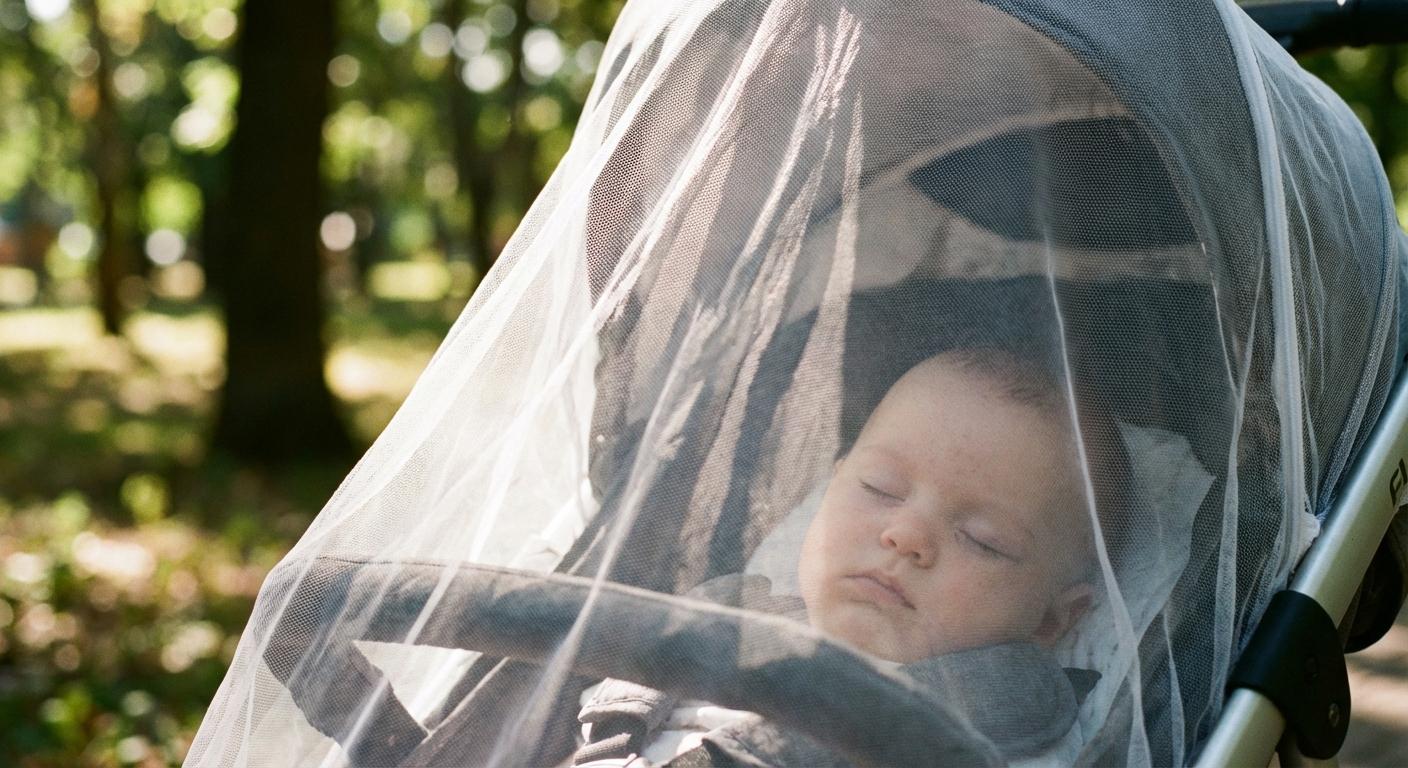
- Use stroller netting or bed netting with good airflow.
- Prefer light-coloured, loose cotton clothing.
- Keep window screens intact and doors closed in the evening.
- A fan can reduce mosquito landings, but do not aim strong airflow directly at the baby.
Reduce breeding sites around the home
- Empty standing water from desert coolers, plant trays, buckets, and toys every few days.
- Change water in vases and pet bowls regularly.
- Keep bathrooms and balconies dry when possible.
If your building has common tanks or overhead water storage, cover them properly. Even a small opening can allow mosquito breeding. Ask maintenance to fix broken lids.
Avoid spraying insecticides in baby sleeping areas.
Repellents: what is safe for babies
For babies 2 months and older, repellents with DEET or picaridin can be used as per label directions.
- Under 2 months, avoid repellent on the baby. Use physical barriers.
- Avoid oil of lemon eucalyptus (PMD) under 3 years.
Safer use:
- apply on your hands first, then spread on exposed skin or clothing
- avoid eyes, lips, hands and fingers
- do not apply on broken skin or eczema flare areas
- do not apply under clothing (it can irritate)
- wash treated skin once indoors
Key takeaways
- Insect bites baby reactions are usually local and peak within 24 to 48 hours, then improve.
- Clean gently, cool the skin, moisturise, and reduce scratching to protect the skin barrier.
- Warning signs for infection include spreading redness, increasing pain, warmth, pus or crusts, and fever.
- Emergency signs include breathing trouble, swelling of lips or tongue, repeated vomiting, widespread hives, pallor, limpness, or collapse.
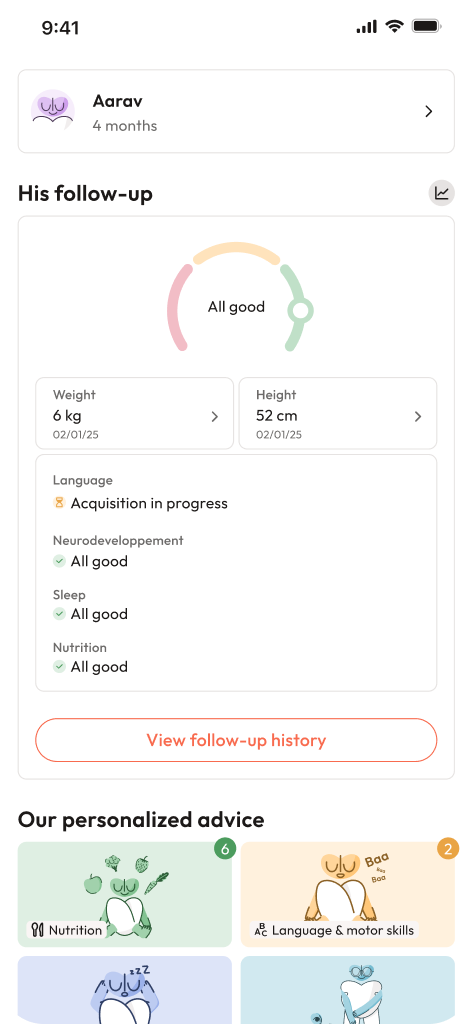
- If you want extra support, health professionals can guide you, and you can download the Heloa app for personalised guidance and free child health questionnaires. It also offers quick checklists for common child health concerns.