One day it is a running nose, next day a cough, and then you notice your little one’s breathing has become faster and noisier. Many parents immediately think: is it only a cold that has “gone to the chest”? Is it bronchiolitis? Or is this a pneumonia baby situation? The worry is understandable, because breathing changes can escalate within hours.
The focus here is practical: how to spot the symptoms that truly matter, what causes pneumonia in infants, which tests doctors may choose, and what treatment looks like at home versus in hospital.
What pneumonia means in a baby’s lungs
A pneumonia baby has infection and inflammation of lung tissue. The main structures involved are the alveoli (tiny air sacs). Normally, oxygen passes from alveoli into the bloodstream. When the alveoli get inflamed, they can fill with fluid, mucus, and inflammatory cells. Oxygen exchange drops, so the baby compensates by breathing faster and with more effort.
Doctors may also use the term lower respiratory tract infection. It can involve:

- the bronchi (larger breathing tubes)
- the bronchioles (smaller branches, often affected in bronchiolitis)
- the alveoli (more typical in pneumonia)
- sometimes the surrounding lung tissue (the lung parenchyma)
Why babies can get sicker faster
Babies have narrow airways and limited reserve. Even small swelling or mucus can increase the work of breathing a lot. When breathing becomes hard work, feeding suffers. Babies tire quickly, and dehydration can develop faster than in older children.
In very young infants, especially newborns, pneumonia baby signs can be subtle: a change in feeds, an unusual sleepiness, or temperature instability can appear before any dramatic cough.
Bronchiolitis vs pneumonia: similar start, different target
You may wonder: “If there is wheezing, is it definitely bronchiolitis?” Or, “If there is fever, is it definitely pneumonia?” Unfortunately, early illness often looks mixed.
Bronchiolitis (mostly bronchioles)
Bronchiolitis is common under 2 years of age and is usually viral, often due to RSV. It typically starts like a cold (blocked nose, running nose), then cough, then:
- wheezing (sometimes musical)
- fast breathing
- increased work of breathing (retractions)
Fever may be absent or mild.
Pneumonia (often alveoli)
In a pneumonia baby, the alveoli are involved, so oxygenation can be affected more. Parents often notice:
- higher or persistent fever
- a baby who looks more unwell (less playful, less responsive)
- breathing trouble that progresses
- a cough that can sound wetter (many babies swallow secretions, so it may not look like “phlegm”)
In the first 24-48 hours, the boundary can be blurred. Clinicians use the overall pattern, examination, oxygen saturation, and sometimes a chest X-ray.
Terms you might hear
- Pneumonitis: lung inflammation, not always specifying a cause.
- Bronchopneumonia: inflammation affecting small airways and nearby alveoli, sometimes in scattered patches.
Pneumonia baby symptoms: what matters most
A lower respiratory infection is not only cough. The priority is breathing, and your baby’s ability to drink enough and stay hydrated.
Early symptoms in newborns (0-28 days)
Newborns do not always show classic signs. Pneumonia baby symptoms may include:
- fast breathing at rest (around or above 60 breaths per minute)
- retractions, nasal flaring, or grunting
- poor feeding, shorter feeds, or refusing feeds
- unusual sleepiness, low energy, or irritability
- fewer wet diapers
- fever (rectal temperature ≥ 38.0°C / 100.4°F) or sometimes low temperature (rectal < 36.0°C / 96.8°F)
In this age group, even a mild change in breathing or feeding deserves attention.
Symptoms in infants (1-12 months)
A pneumonia baby may start like a common cold, then intensify. You may see:
- cough that persists or worsens
- faster breathing at rest (around or above 50 breaths per minute)
- retractions, nasal flaring, or grunting
- fever (not always present in viral infections)
- reduced appetite, tiring during feeds, or vomiting after coughing
- irritability, less playfulness, or unusual sleepiness
Breathing signs to watch closely
These point towards increased work of breathing:
- tachypnoea (fast breathing)
- retractions (between ribs, under ribs, or above the collarbone area)
- nasal flaring
- grunting
- noisy breathing and wheeze (wheeze can occur with viral illness and does not rule pneumonia in or out)
If the effort is increasing over a few hours, do not ignore it.
Feeding and hydration: your everyday thermometer
When breathing is difficult, drinking becomes difficult. Clues include:
- shorter breastfeeds or smaller bottle feeds, more pauses
- vomiting triggered by coughing bouts
- fewer wet diapers
Babies can dehydrate quickly. A clear drop in intake during a suspected pneumonia baby illness should prompt medical advice.
Fever or low temperature in young babies
- Under 3 months: any fever (rectal ≥ 38.0°C / 100.4°F) needs urgent evaluation.
- Low temperature (rectal < 36.0°C / 96.8°F) with illness signs also needs urgent evaluation.
How to count breathing rate at home
- Choose a moment when your baby is calm or asleep.
- Watch the chest or tummy rise and fall.
- Count breaths for a full 60 seconds.
- Repeat once if unsure.
Breathing can be temporarily faster after crying. Persistent fast breathing at rest is more concerning.
When to seek urgent help
Your instincts count. If your baby is clearly worse, seeking help is appropriate.
Emergency red flags (go to Emergency / call local ambulance)
- blue, grey, or very pale lips/tongue/face (cyanosis)
- pauses in breathing (apnoea) or repeated episodes of very shallow breathing
- severe breathing difficulty: loud grunting, marked chest indrawing, or your baby cannot feed or cry because breathing is too hard
- extreme sleepiness, unusual floppiness, or poor responsiveness
- seizures
Same-day urgent review
- breathing is faster than usual, noisier, or retractions appear
- your baby looks unusually tired or not themselves
- feeding drops noticeably
- wet diapers are clearly fewer
- very young age (especially under 6 weeks) with any concerning symptom
Dehydration signs to take seriously
- very few wet diapers in 24 hours
- dry mouth, no tears when crying
- sunken soft spot (fontanelle)
- vomiting that prevents keeping fluids down
Causes of pneumonia in babies (including bacterial superinfection)
Many infant lower respiratory infections are viral, but pneumonia baby cases are not always viral. Some are bacterial, and some are mixed.
Viral causes
Common viruses include:
- RSV
- influenza
- human metapneumovirus
- adenovirus
- COVID-19
Viral pneumonia often starts like a cold, then adds faster breathing, cough, and reduced feeding. Antibiotics do not act on viruses, so treatment is mainly supportive unless bacteria are suspected too.
Bacterial causes
Bacterial pneumonia can be linked to:
- Streptococcus pneumoniae (pneumococcus)
- Haemophilus influenzae (type b is less common where vaccination is routine)
- other streptococcal bacteria
Bacterial illness may cause higher fever, a baby who looks more unwell, or a faster decline, and it usually needs antibiotics.
Bacterial superinfection: when doctors suspect it
A common pattern is: viral cold/bronchiolitis that seemed to improve, then fever returns, cough becomes stronger, and the baby looks less well. No single sign confirms it. Clinicians look at the whole picture: temperature curve, breathing effort, oxygen saturation, and examination.
Aspiration pneumonia
Aspiration pneumonia occurs when milk, vomit, saliva, or food enters the lungs. This is more likely with reflux, swallowing difficulty, choking episodes, or some neurological/airway conditions. If your baby coughs or chokes during feeds and later develops fever or breathing symptoms, mention this clearly.
Who is more at risk of severe pneumonia?
Some babies are more likely to develop severe pneumonia baby illness.
Age, prematurity, low birth weight
Risk is higher:
- in the first weeks of life (especially under 6 weeks)
- with prematurity
- with low birth weight
Underlying medical conditions
Risk increases with congenital heart disease, chronic lung disease, airway/lung malformations, or weakened immunity.
If your baby is in a higher-risk group, an action plan from your paediatrician (when to come back, when to go to hospital) can bring clarity.
Environment: viruses plus irritants
Daycare, crowded homes, older siblings, and exposure to smoke can increase infections and irritation. Indoor sprays, strong fragrances, and poor ventilation can also worsen symptoms.
A smoke-free home and car make a meaningful difference.
Feeding and nutrition
Breastfeeding, when possible and chosen, provides immune support and is associated with fewer respiratory infections. Adequate nutrition in general supports recovery.
How doctors diagnose pneumonia in babies
Clinicians start with your history: onset, fever, cough, feeding, urine output, and exposure to illness. On exam they assess breathing rate, retractions, colour, hydration, alertness, and lung sounds.
They may also consider:
- bronchiolitis
- aspiration episodes
- severe reflux with repeated aspiration (less common)
- inhaled foreign body (especially if symptoms started suddenly after choking)
Pulse oximetry (oxygen saturation)
A sensor placed on finger/toe measures SpO2. Low saturation suggests more severe illness and may lead to oxygen support and closer monitoring.
Tests that may be used
Depending on age and severity:
- Chest X-ray: helpful when diagnosis is uncertain or complications are suspected, can also show atelectasis
- blood tests (CBC, inflammatory markers) in selected cases
- blood cultures in very young infants or if invasive infection is suspected
- viral testing (RSV/flu/COVID-19) depending on season and clinical context
Not every baby needs every test. The key is whether the result changes treatment.
Treatment: what helps at home and in hospital
For a pneumonia baby, treatment has two pillars: support and monitoring.
Home care for mild illness
- keep the environment calm
- offer feeds more often, in smaller amounts
- avoid smoke and indoor irritants
Saline and gentle suctioning
Normal saline drops/spray and gentle suction can help before feeds and sleep. Too much suctioning can irritate the nose, so keep it gentle and limited.
Fever and comfort medicines
- Paracetamol (acetaminophen) can be used as per age and weight.
- Ibuprofen may be used in older infants when appropriate.
- never give aspirin.
- avoid OTC cough/cold syrups in babies unless a clinician advises.
Cough medicines: caution
Cough helps clear secretions. Honey can soothe cough, but only after 12 months (risk of infant botulism before that age).
When antibiotics are used
Antibiotics are used when bacterial pneumonia is suspected. Amoxicillin is commonly used as first-line in many settings (depending on age and local resistance patterns).
If antibiotics are prescribed:
- give every dose on time and complete the course
- watch for diarrhoea, stomach upset, or rash
- contact your clinician if vomiting prevents doses, or if there are allergy signs (hives, swelling, breathing trouble)
Hospital care
Hospital care for pneumonia baby illness may include:
- continuous monitoring of breathing and oxygen saturation
- oxygen therapy (sometimes high-flow nasal cannula)
- IV fluids or nasogastric (NG) feeds if oral intake is inadequate
- IV antibiotics if bacterial pneumonia is likely or the baby is too unwell for oral medicine
When hospitalisation may be needed
Hospital care is more likely if there is:
- need for oxygen or clear oxygen desaturation
- significant work of breathing (retractions, nasal flaring, grunting, exhaustion)
- poor feeding with dehydration risk
- persistent vomiting
- very young age, especially newborns
- rapid deterioration or very reduced overall activity
- no improvement or worsening after outpatient treatment
Home monitoring: three anchors
If your baby is at home and stable enough to monitor, keep it simple:
1) breathing (rate, retractions, flaring, grunting, colour)
2) hydration (feeds, wet diapers)
3) trend over a few hours (better, stable, or worse)
If doubt persists, call your paediatrician or go for assessment.
Recovery and possible complications
- Bacterial pneumonia: fever and energy often improve within 24-48 hours after the right antibiotic (cough may last longer).
- Viral infections: breathing discomfort may last several days, cough and tiredness can linger.
Complications are uncommon, but include low oxygen, dehydration, pleural effusion, empyema, and sepsis (more likely in very young babies).
If your pneumonia baby improves and then clearly worsens again, get a review.
Prevention and reducing spread
- handwashing for all family members
- avoid close face-to-face contact when someone has cold symptoms
- air out rooms when possible
- clean frequently touched surfaces
- avoid tobacco smoke, incense, and strong sprays
Routine childhood vaccines reduce risk from important bacterial causes.
To remember
- A pneumonia baby needs close attention to breathing and hydration.
- Under 3 months, fever needs urgent assessment.
- Fast breathing at rest, retractions, poor feeding, or fewer wet diapers are valid reasons to seek care.
- Supportive care helps, and antibiotics are used when bacteria are suspected.
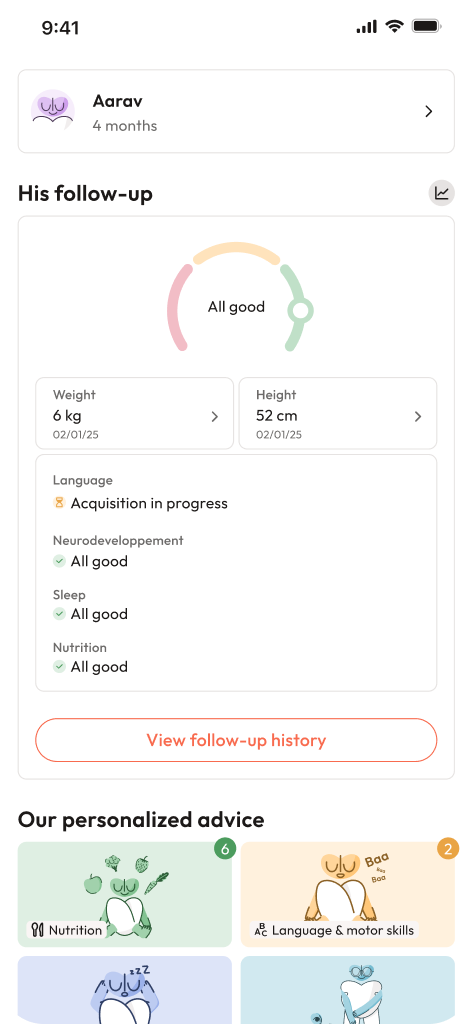
- If you want personalised tips and free health questionnaires for children, you can download the Heloa app.
Further reading:
- Pneumonia in children (https://www.who.int/news-room/fact-sheets/detail/pneumonia)
- Pediatric Pneumonia – StatPearls – NCBI Bookshelf – NIH (https://www.ncbi.nlm.nih.gov/books/NBK536940/)
- Learn More – Pneumonia in children: What you should know – NCBI (https://www.ncbi.nlm.nih.gov/books/NBK525772/)