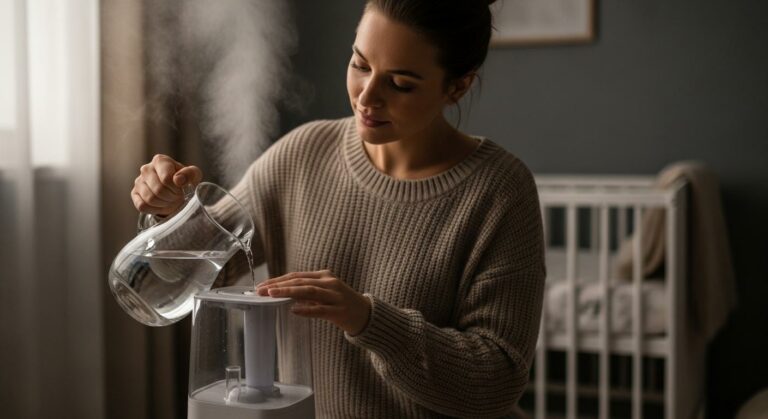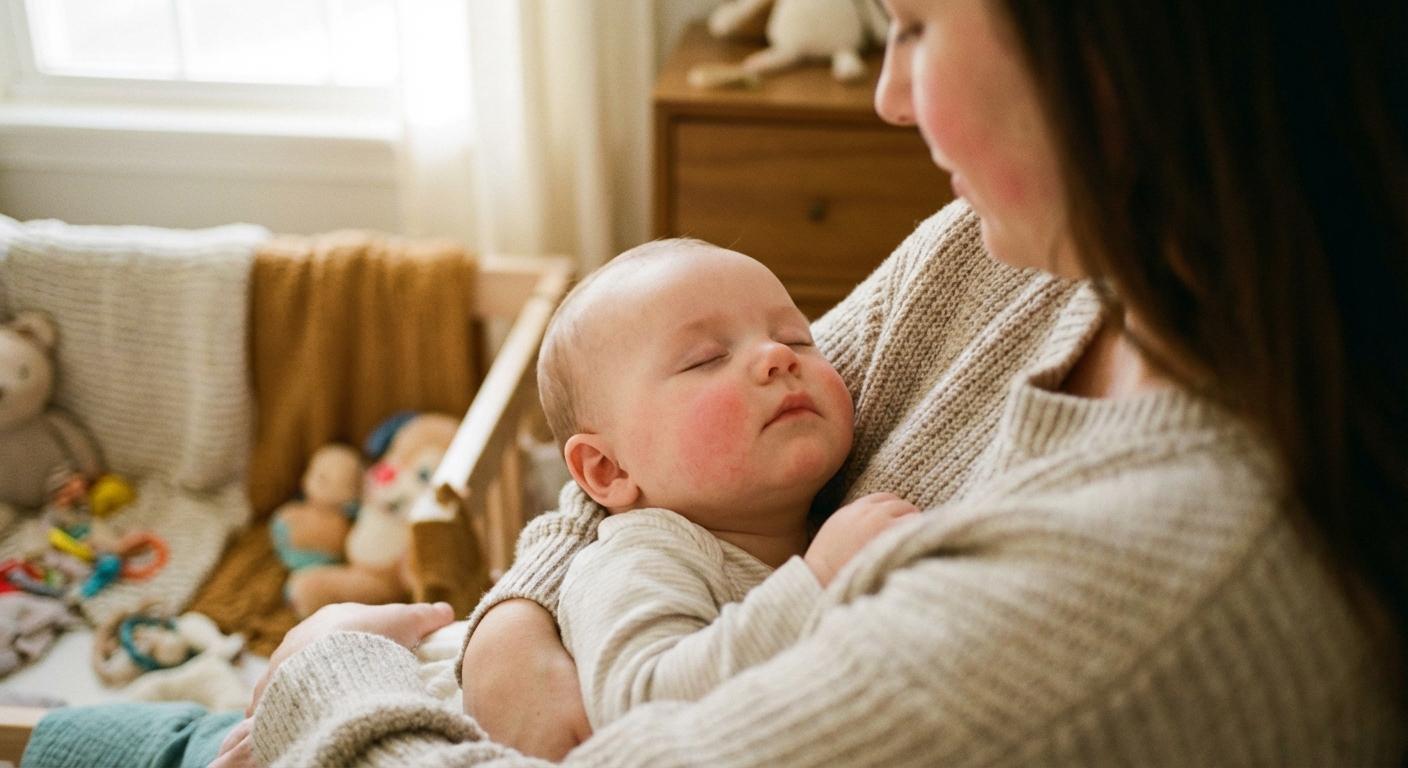
A runny nose on Monday, a cough on Tuesday… and by Wednesday your baby’s breathing sounds different: faster, noisier, like every breath costs effort. Is it a cold that “went to the chest”? Bronchiolitis? pneumonia baby worries can escalate quickly because breathing changes feel urgent (and sometimes they are).
The aim is simple: help you recognize the signs that matter, understand what pneumonia means in a baby’s lungs, see why doctors sometimes hesitate between bronchiolitis and pneumonia, and know what care looks like at home versus in the hospital. You’ll also find clear red flags, because waiting “to see” is not always the safest choice.
What pneumonia means in a baby’s lungs
Pneumonia baby situations involve infection and inflammation of the lung tissue. The key structures are the alveoli (tiny air sacs). Normally, oxygen passes through the alveolar wall into the blood. When infection triggers inflammation, alveoli can fill with fluid, mucus, and inflammatory cells, so gas exchange becomes less efficient. Your baby compensates the only way they can: breathing faster, working harder.
Parents may also hear “lower respiratory tract infection.” That umbrella term can include inflammation in different areas:


- Bronchi (larger airways)
- Bronchioles (small branches, often the main site in bronchiolitis)
- Alveoli (more typical of pneumonia)
- Lung parenchyma (the functional tissue surrounding the airways)
Why babies can worsen quickly
Baby airways are narrow. A small amount of swelling can reduce airflow a lot (think: a tiny straw pinched by a finger). Babies also have less “reserve,” so when breathing becomes work, they often drink less, tire faster, and dehydrate sooner.
In very young infants, especially newborns, pneumonia baby presentations can be unusually quiet: poor feeding, temperature instability, or sleepiness may appear before an impressive cough.
Bronchiolitis vs pneumonia: why it can look so similar
You might be wondering: “If there’s wheezing, it’s bronchiolitis, right?” Not necessarily. “If there’s fever, it must be pneumonia?” Also not necessarily. Early on, these illnesses overlap.
Bronchiolitis (usually viral, mostly bronchioles)
Bronchiolitis affects children under 2 years and is often caused by RSV (respiratory syncytial virus). It typically begins like a cold, then progresses to cough, wheeze (sometimes musical), fast breathing, and retractions (skin pulling in between/under ribs). Fever may be absent or mild.
Pneumonia (often involves alveoli)
With pneumonia baby illness, oxygenation is more likely to be affected because alveoli are involved. Parents may notice higher or persistent fever, a baby who looks more unwell (less interactive, less tone, “wiped out”), worsening breathing effort, and a cough that can sound wetter (babies often swallow secretions, so “wet” isn’t always obvious).
Clinicians rely on the whole picture: exam findings, pulse oximetry (SpO₂), age, and sometimes a chest X-ray.
Words clinicians may use
- Pneumonitis: a broad term for inflammation in the lungs, it may not specify cause.
- Bronchopneumonia: inflammation affecting small airways and nearby alveoli in scattered patches.
Pneumonia baby symptoms: what to watch (and how to judge severity)
A cough is common. The real priorities are breathing and hydration.
Newborns (0–28 days): signs can be subtle
In newborns, pneumonia baby signs may include:
- fast breathing at rest (around ≥60 breaths/min)
- retractions, nasal flaring, grunting
- poor feeding or refusing feeds
- unusual sleepiness, low energy, irritability
- fewer wet diapers
- fever (rectal ≥38.0°C / 100.4°F) or sometimes low temperature (rectal <36.0°C / 96.8°F)
In this age group, even “just not feeding like usual” can be the first clue.
Infants (1–12 months): often a “cold that intensifies”
Typical pneumonia baby patterns include cough that persists or worsens, fast breathing at rest (around ≥50 breaths/min), retractions, nasal flaring, grunting, fever (not universal), tiring during feeds, vomiting after coughing, less playfulness, and more sleepiness.
Breathing signs that deserve attention
These features reflect increased work of breathing:
- tachypnea (fast breathing)
- retractions
- nasal flaring
- grunting
- noisy breathing or wheeze (wheeze can occur with viral illness and does not rule pneumonia in or out)
If breathing effort is escalating over hours, don’t brush it off.
Feeding and hydration: your practical “dashboard”
When breathing is hard, drinking becomes a struggle. Look for shorter breastfeeds or smaller bottles, frequent pauses to breathe, needing more frequent smaller feeds, fewer wet diapers, or vomiting after coughing spells.
A practical benchmark many clinicians use: if intake drops to about half of usual, or diapers clearly dry up, a check-in is wise.
Fever (and low temperature) in young babies
- Under 3 months, any fever with rectal temperature ≥38.0°C / 100.4°F needs prompt medical assessment.
- A low rectal temperature <36.0°C / 96.8°F plus illness signs can also be a sign of serious infection.
How to count breaths at home
- Pick a calm moment (sleeping is ideal).
- Watch the belly or chest rise and fall.
- Count for a full 60 seconds (one rise + one fall = one breath).
If you lose count, restart. Accuracy matters more than speed.
When to seek urgent care
Instinct matters. If your baby looks or sounds different in a worrying way, it is reasonable to seek help.
Emergency red flags (call emergency services or go to the ER)
- blue/grey lips or tongue (cyanosis)
- pauses in breathing (apnea) or repeated very shallow breathing
- severe distress: loud grunting, marked chest indrawing, inability to feed or cry because breathing is too hard
- extreme sleepiness, floppiness, or poor responsiveness
- seizure or unusual jerking/staring with unresponsiveness
Same-day medical evaluation
- breathing is faster, noisier, or retractions appear
- your baby seems unusually tired or “not themselves”
- feeding drops noticeably
- wet diapers are clearly fewer
- very young age (especially under 6 weeks) with any concerning symptom
Dehydration signs
- very few wet diapers in 24 hours
- dry mouth, no tears
- sunken fontanelle
- vomiting that prevents keeping fluids down
Causes of pneumonia in babies: viruses, bacteria, and superinfection
Most lower respiratory infections in infants are viral, but pneumonia baby cases can be viral, bacterial, or mixed. Sometimes bacteria take advantage after a viral illness.
Viral pneumonia
Common viruses include RSV, influenza, human metapneumovirus, adenovirus, and SARS-CoV-2.
Viral infections can inflame the airway lining and increase mucus production, that narrows the breathing tubes and makes coughing less effective in babies. Antibiotics do not treat viruses, so the focus is supportive care unless bacterial infection is suspected too.
Bacterial pneumonia
Bacterial causes can include Streptococcus pneumoniae (pneumococcus) and Haemophilus influenzae (type b is far less common where vaccination is routine). Bacteria can trigger denser inflammation in the alveoli, sometimes producing focal findings on exam or X-ray.
Bacterial superinfection (after a virus)
A classic parent story: “They were improving… then fever came back and the cough worsened.” That can fit superinfection, but no single symptom proves it. Clinicians weigh fever pattern, exam findings, oxygen saturation, overall appearance, and illness trajectory.
Aspiration pneumonia
Aspiration happens when milk, vomit, saliva, or food enters the lungs. Risk increases with reflux, swallowing incoordination, choking episodes, or certain neurological or airway conditions. If feeds regularly come with coughing, wet-sounding breathing, or repeated chest infections, mention it to your clinician.
Which babies are at higher risk of severe disease?
Some pneumonia baby situations become serious more quickly.
Age and prematurity
Risk is higher in the first weeks of life (especially under 6 weeks), with prematurity, and with low birth weight.
Medical conditions
Severity risk increases with congenital heart disease, chronic lung disease (including bronchopulmonary dysplasia), airway or lung malformations, or immunodeficiency.
Environment: viruses plus irritants
Daycare, siblings, secondhand smoke, strong fragrances, and indoor pollution can worsen airway irritation.
If smoking cessation is in progress, even small steps help: smoking only outside, changing outer clothing, and washing hands before holding the baby reduce residue exposure.
How doctors diagnose pneumonia in a baby
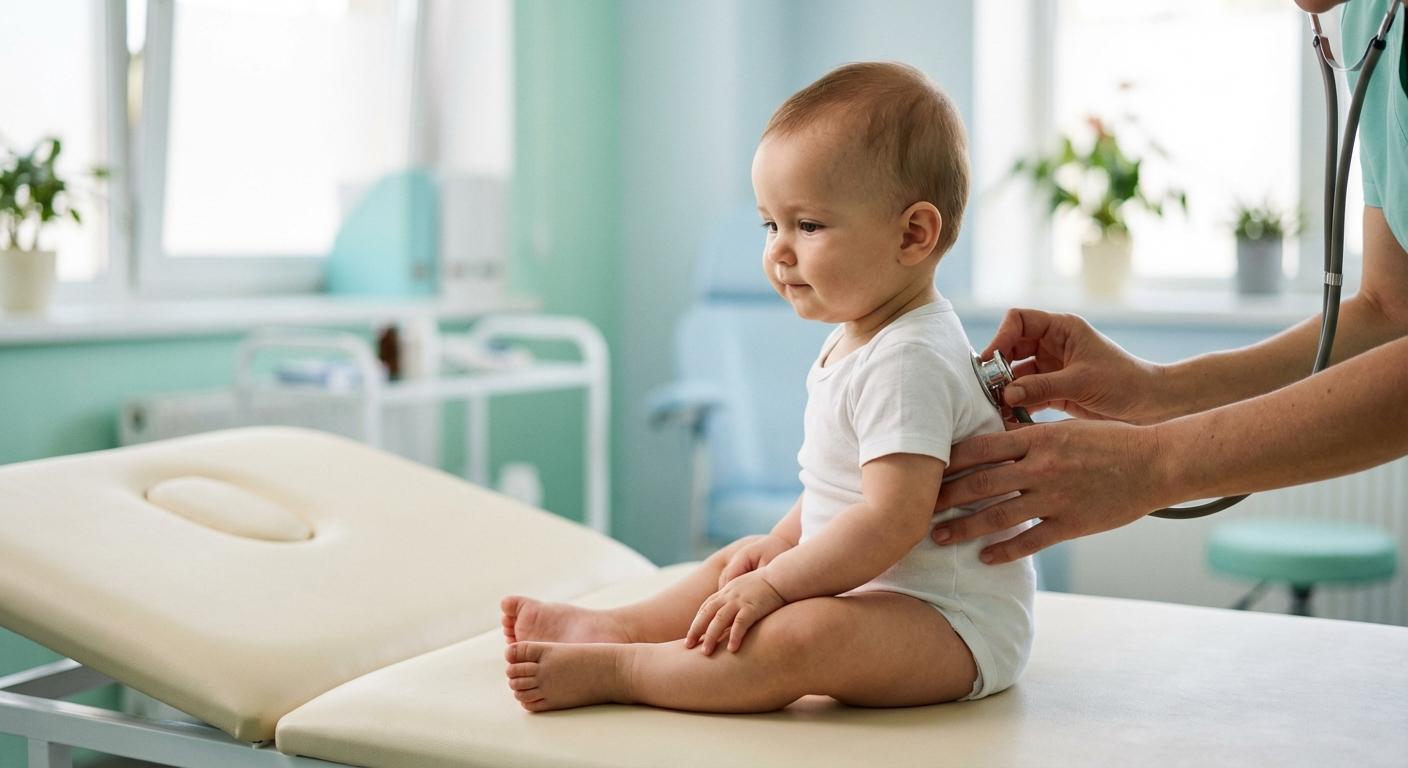
Doctors combine your observations with an exam: breathing rate, work of breathing, color, hydration, alertness, and lung sounds.
Pulse oximetry (SpO₂)
A sensor measures oxygen saturation. Lower readings can signal more severe disease and the need for oxygen and monitoring.
Tests sometimes used
- Chest X-ray: when diagnosis is uncertain or complications are suspected, can also show atelectasis.
- Blood tests (CBC, inflammatory markers) in selected cases.
- Blood cultures in very young infants.
- Viral testing (RSV/flu/COVID-19) depending on season or hospitalization.
A chest X-ray cannot perfectly separate viral from bacterial infection, it is one piece of the puzzle.
Treatment: home care vs hospital care
For pneumonia baby care, two pillars guide decisions: support (hydration, comfort, clearing the nose) and monitoring (breathing, hydration, trajectory).
Home care when illness is mild
Keep the environment calm, offer smaller more frequent feeds, prioritize sleep, and avoid smoke and irritants.
If your baby is congested, feeding “little and often” can work better than trying to finish a full bottle in one go.
Saline and gentle suction
Saline drops or spray with gentle suction can improve feeding and sleep, especially before meals.
Avoid deep or overly frequent suctioning, which can irritate the nasal lining.
Fever and comfort medicines
Acetaminophen can be used according to age/weight guidance. Ibuprofen is used in older infants when appropriate. Never give aspirin.
If fever is the main issue, comfort measures count too: light clothing, a comfortably cool room, and extra fluids (feeds) as tolerated.
When antibiotics are used
Antibiotics are used when bacterial pneumonia is suspected, amoxicillin is a common first choice in many settings.
If antibiotics are prescribed:
- complete the course
- contact a clinician if your baby cannot keep doses down
- seek urgent help for swelling of the face/lips, breathing trouble, or widespread hives
Hospital care
Hospital management for pneumonia baby illness may include monitoring, oxygen therapy (sometimes high-flow nasal cannula), NG or IV fluids, and antibiotics by mouth or IV.
Some babies also need more frequent nasal care and smaller, paced feeds to prevent fatigue.
When hospitalization is more likely
Hospital care is more likely when there is oxygen desaturation, significant work of breathing, dehydration risk, persistent vomiting, very young age, rapid deterioration, or no improvement after outpatient treatment.
Recovery and complications
Bacterial pneumonia often improves within 24–48 hours after effective antibiotics (cough can linger). Viral infections may cause several days of breathing discomfort.
Complications are uncommon but can include low oxygen, dehydration, pleural effusion, empyema, and sepsis, especially in the youngest infants.
If your baby improves and then clearly worsens again, reassessment is the right move.
Newborn pneumonia: extra caution
In newborns, pneumonia baby illness may be part of a broader neonatal infection.
- Early-onset: in the first hours of life, sometimes linked to infections passed during pregnancy or birth.
- Late-onset: after several days, sometimes associated with hospital exposure in fragile infants.
Symptoms may be nonspecific: feeding difficulty, low or high temperature, greyish color, grunting, or irregular breathing. Evaluation is often hospital-based, and IV antibiotics may be started while tests are performed.
Prevention
Wash hands, reduce close contact with sick people, air out rooms, and avoid smoke or strong sprays.
Routine vaccines help prevent serious bacterial causes of pneumonia, and seasonal vaccination (such as influenza, depending on age and local guidance) lowers risk in the household.
Key takeaways
- Pneumonia baby concerns center on breathing and hydration.
- Fast breathing, retractions, flaring, grunting, poor feeding, and fewer wet diapers deserve medical advice, especially in young infants.
- Viruses cause many cases, bacteria and superinfection are possible and may require antibiotics.
- Oxygen saturation and clinical exam guide decisions about tests, antibiotics, and hospitalization.
- If you need support, professionals can guide you. For personalized advice and free child health questionnaires, you can download the Heloa app.
Questions Parents Ask
Can my baby catch pneumonia from someone else (and is it contagious)?
It’s understandable to worry about siblings or daycare. Pneumonia itself is an infection in the lungs, but what usually spreads is the virus or bacteria that causes it. Many respiratory viruses are contagious for several days, sometimes longer if symptoms persist. Good handwashing, airing out rooms, and avoiding close face-to-face contact when someone is sick can help reduce spread—without needing to isolate your baby from comfort.
How long does pneumonia last in a baby?
The timeline varies, and that uncertainty can feel stressful. With bacterial pneumonia treated with the right antibiotic, many babies start to look brighter within 24–48 hours (breathing and energy may improve first). The cough often lingers 1–3 weeks. Viral pneumonia can take longer to settle, with ups and downs over several days. If your baby improves and then clearly worsens again (fever returns, breathing effort increases, feeding drops), a re-check is a sensible next step.
Will my baby need a follow-up chest X-ray?
In many uncomplicated cases, a routine follow-up X-ray isn’t necessary—especially if your baby is steadily improving. Clinicians may consider imaging if symptoms don’t improve as expected, if there are repeated pneumonias, or if complications are suspected. If you’re unsure, you can ask what improvement milestones they expect and when to come back.
Further reading:
- Pneumonia in children (https://www.who.int/news-room/fact-sheets/detail/pneumonia)
- Pediatric Pneumonia – StatPearls – NCBI Bookshelf – NIH (https://www.ncbi.nlm.nih.gov/books/NBK536940/)
- Learn More – Pneumonia in children: What you should know – NCBI (https://www.ncbi.nlm.nih.gov/books/NBK525772/)