A tiny toe, a sudden cry, a sock you can’t even pull on without protest… and the mind races. Is it simple rubbing, or an ingrown toenail baby situation starting to build? In infants, nails are soft, skin is thin, and the nail folds (the small ridges of skin framing the nail) can swell quickly. What looks small can feel big.
The reassuring part: many early cases settle with gentle care and less pressure. The skill is spotting the early signs, soothing your child without risky home “fixes,” and knowing when a clinician should step in.
Recognising an ingrown toenail baby early
What it is (simple, medical, and clear)
An ingrown toenail is called onychocryptosis. It happens when the nail edge or corner presses into—or slips under—the lateral nail fold (the skin at the side of the nail). That pressure irritates tissue, triggers inflammation, and may break the skin barrier, which increases infection risk.
In an ingrown toenail baby, the big toe is the usual target. Why? It’s the toe that gets compressed most often by socks, footed sleepsuits, and later, shoes.

Curved newborn nails vs a true ingrown nail
Many baby toenails look rolled or curved. This is common: the nail plate is thin, flexible, and still maturing.
More likely normal curvature when:
- The nail edge points towards the skin but does not pierce it
- There is no localised redness, puffiness, or warmth
- Your baby does not react when you lightly touch the toe
More likely a true ingrown toenail baby pattern when:
- Redness and swelling sit mainly on one side of the nail
- Touching the area makes your baby pull away or cry
- The nail corner seems stuck under the skin (sometimes with crusting)
Typical local signs you can see
Focus on the border where nail meets skin. Common signs:
- Redness right at the nail edge
- Swelling of the side nail fold (it may look bulged)
- Tenderness with gentle pressure or when fabric rubs
- Local warmth
You may wonder: can it fade on its own? Sometimes, yes—especially if the nail edge is only lightly pressing and friction is reduced early. But baby skin can flare quickly, so early attention helps.
Clues you notice before you see it
Babies communicate through behaviour:
- Fussiness when putting on socks or sleepers
- Crying during dressing or nappy changes if the foot is handled
- Pulling the foot away when you touch the toe
- In early standers: reluctance to put weight on that foot
Can a newborn really have it?
Yes. A newborn can develop an ingrown toenail baby presentation, including a congenital tendency (sometimes called congenital onychocryptosis). Nail alignment, toe-pad shape, and growth direction can all contribute.
Infants vs toddlers: what changes
- Infants: soft nail plate + reactive skin + friction from fabrics
- Toddlers: walking, repeated toe bumps, tighter footwear, and sweaty feet add pressure and micro-trauma
Why baby toes get irritated easily
Soft nails + sensitive skin (what’s happening biologically)
Baby nails are pliable. Baby skin is delicate. Add moisture and pressure and you get a fast inflammatory response.
- The nail edge can bend and press into skin easily
- Mild compression (tight sock cuffs, seams) can create noticeable inflammation
- Moisture can cause maceration (skin that becomes softened and whitish), making it easier for the nail to sink in
Causes and risk factors parents can spot
Nails trimmed too short
When nails are cut very short, the growing edge can catch the nail fold instead of sliding over it. The skin swells, which increases trapping—an unpleasant loop.
Corners rounded (creating a sharper point)
Rounding can leave a tiny spike. As it grows, it may curve inward like a small thorn. That’s a classic pathway to an ingrown toenail baby flare.
Peeling or tearing instead of using tools
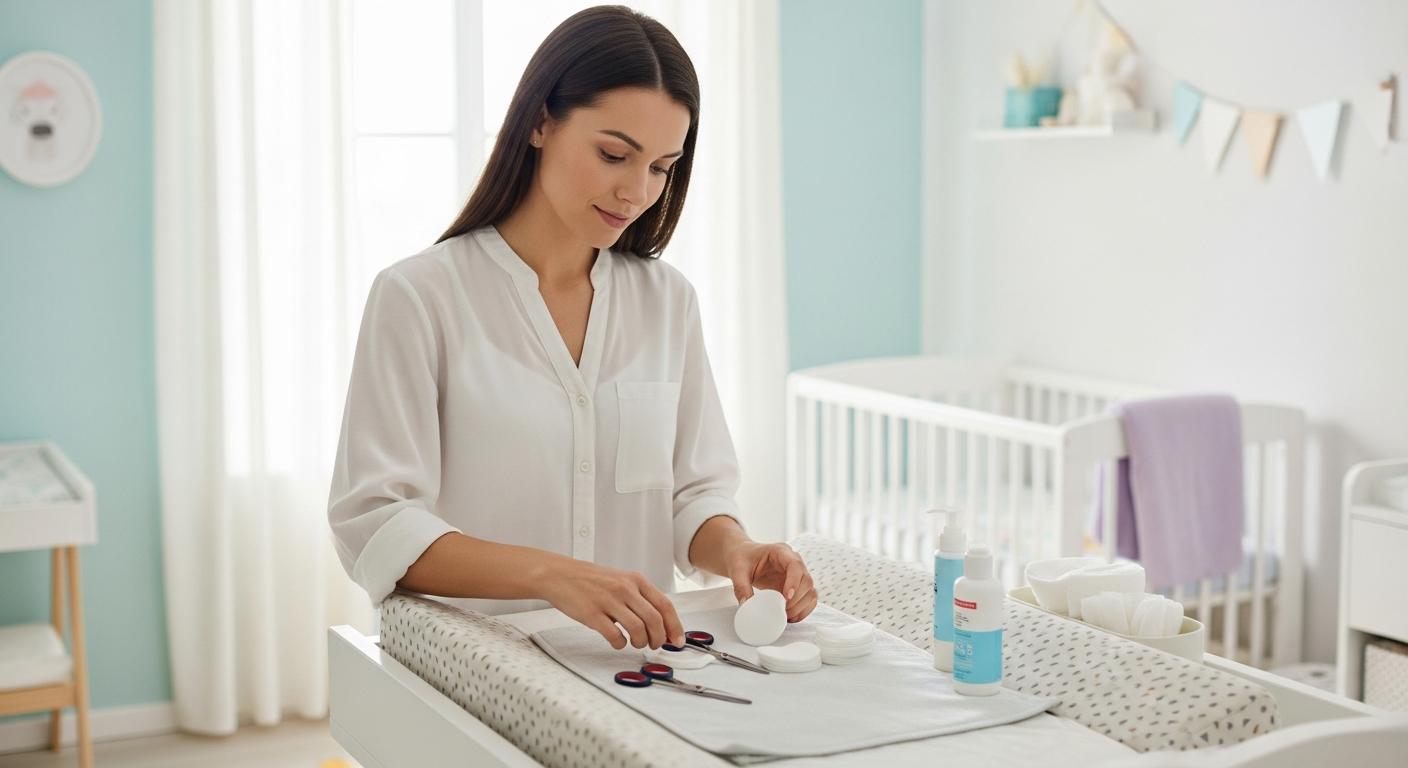
Torn nails are jagged. Jagged edges snag on socks and skin. Better options:
- Baby nail scissors (rounded tip)
- Baby clippers
- A fine baby nail file
Tight socks, footed sleepsuits, shoes
If socks leave deep marks, the toes are being squeezed. Pressure pushes the nail edge into skin.
For toddlers, the toe box matters: narrow shoes compress the big toe repeatedly, especially during walking.
Minor trauma and repeated bumps
A small knock can swell the nail fold. Once puffy, the skin catches the nail edge more easily.
Moisture and sweating
Sweat and prolonged dampness soften skin and can worsen irritation. They also increase the chance of secondary infection if the skin barrier breaks.
Toe and nail shape
Plump toe pads, naturally inward-curving nails, or a slightly rotated nail plate can predispose to recurrence.
Family tendency
Nail curvature often runs in families. If ingrown nails are common in parents, the pattern may appear as the child’s nails thicken with age.
Symptoms by stage: what to look for
Early stage: mild redness and swelling
A thin red line and slight puffiness along one side of the nail—often the big toe. That may be the first visible sign of an ingrown toenail baby problem.
Pain and tenderness
Pain is frequently what gives it away:
- Crying when socks go on
- Discomfort during washing
- Pulling away when you touch the nail fold
Clear/yellowish fluid and crusting
Inflamed skin can ooze serous fluid (clear to pale yellow). When it dries, it crusts. This can happen without infection, but it needs monitoring.
Pus: what it suggests
Thick yellow/white discharge (pus) suggests infection around the nail—paronychia (infection of tissue around the nail).
Behavioural signs in older babies and toddlers
- Grabbing at the toe
- Refusing shoes
- Walking on the side of the foot
- Limping
Look-alikes (not everything is an ingrown nail)
- Hangnail: torn skin next to the nail
- Dermatitis/eczema: redness and scaling, often affecting more than one toe
- Friction blister: fluid-filled, exactly where rubbing happens
- Bruise/trauma: discolouration under the nail after a bump
Infection warning signs and when it’s urgent
Redness spreading beyond the nail fold
When redness extends onto the toe, cellulitis becomes a concern.
Increasing warmth and worsening pain
A toe that’s clearly warmer than the others, with escalating tenderness, needs medical input.
Pus, odour, skin breakdown
Unusual smell, broken skin, or persistent drainage suggests infection or significant inflammation.
Fever or a baby who seems unwell
Fever, poor feeding, unusual sleepiness, or a generally unwell baby warrants prompt assessment—especially in young infants.
Home care for mild, non-infected cases
When home comfort care makes sense
Home care can be reasonable when:
- Redness/swelling are mild and localised
- There is no pus
- There is no spreading redness
- Your child otherwise seems well
One rule stands above the rest: no home procedures. No needles, no digging, no ripping out corners, no aggressive cutting.
Warm soaks and gentle cleansing
- Warm (not hot) water soak: 10–15 minutes, twice daily for a few days
- Mild soap is enough
- Pat completely dry afterwards (including between toes)
What you may do after soaking (only if painless)
- Very light massage around the nail fold
- If it’s comfortable, gently ease the skin a fraction away from the nail edge
Reduce pressure immediately
- Choose looser socks
- Avoid tight footed sleepsuits
- Skip snug shoes until calm
Keep it clean, dry, protected
- Clean and dry daily
- If rubbing is unavoidable, use a light sterile dressing (never tight)
- At home, brief air time can help
Comfort options to discuss with a clinician
- Paracetamol is commonly used with weight-based dosing
- Ibuprofen is typically from 6 months (unless advised otherwise)
- Avoid aspirin in children
For babies under 2 months, check with a clinician first.
What to avoid
Don’t dig under the nail or cut deeply into corners
Digging tears skin and introduces bacteria.
Skip the V-cut myth
A V-shaped notch does not redirect growth.
Avoid harsh antiseptics or adult products without advice
Strong solutions can irritate baby skin.
When to see a doctor
When home care isn’t enough
Seek medical help if the toe is very painful, markedly swollen, or too tender to examine.
Red flags that need same-day advice
- Pus
- Rapidly worsening redness or swelling
- Red streaking up the toe/foot
- Severe pain
- Unusual odour
Fever, poor feeding, or a baby who looks ill
These require prompt medical assessment.
No improvement after several days
Arrange an exam if there is no improvement within 5–7 days, or if you’re unsure whether this is truly an ingrown toenail baby issue.
Who can help
Paediatrician
A paediatrician assesses whether inflammation is localised or spreading. If infection is likely, treatment may include topical therapy and sometimes oral antibiotics.
Podiatrist
A podiatrist can confirm true ingrowth vs normal curvature and offer office-based nail-edge care.
Medical treatment options
If infection is confirmed
A clinician may suggest topical antibiotic or oral antibiotics depending on spread and age.
If the nail edge needs to be released
Partial removal of the ingrown nail fragment may be done under local anaesthesia.
Prevention
How to trim toenails
- Trim straight across
- Leave a small visible white edge
- Don’t cut into corners
Socks and shoes for toddlers
- Socks shouldn’t leave deep marks
- Shoes need a roomy toe box
À retenir
- Curved newborn nails can be normal, a true ingrown toenail baby pattern usually comes with one-sided redness, swelling, and tenderness.
- If there’s no infection: warm soaks, careful drying, and pressure reduction often calm early cases.
- Seek medical advice for pus, spreading redness, fever, strong pain, red streaking, odour, or no improvement within 5–7 days.
- Professionals can support you, and you can also download the Heloa app for personalised advice and free child health questionnaires.