Measles in babies can begin like a regular cold and then, almost overnight, feel much more intense: high fever, running nose, red eyes, a harsh cough, and a rash that seems to move down the body. Parents often worry about two things together — how unwell the baby looks, and how easily measles can spread in closed spaces like a lift, a clinic waiting area, a bus, or a crowded family function.
There are also practical worries. When does the rash usually appear? Can breastfeeding protect enough? What if the daycare sends an exposure message? And when should you stop watching and waiting and go straight for urgent care?
Measles in babies: why this infection can feel scary
Measles in babies tends to hit harder because:
- immune defences are still developing
- airways are smaller (so swelling and mucus cause trouble faster)
- dehydration can happen quickly when fever plus poor feeding come together
Timing adds another layer. The routine MMR vaccine is often given around 9 months in India under the National Immunisation Schedule, followed by a second dose later (commonly 16–24 months, depending on programme and clinician advice). Still, there can be a window of vulnerability — especially for younger infants, for babies who missed a dose, or during outbreaks.

Some newborns have partial, short-lived protection from maternal IgG antibodies passed during pregnancy. It varies from baby to baby and fades over the first months. Premature babies may start with lower levels.
Online photos can confuse many families. A photo never tells you the order of symptoms, how high the fever went, or whether there was a definite exposure. With measles in babies, that story matters.
What measles is
Measles (rubeola) is a highly contagious viral illness caused by a morbillivirus. The virus enters via the respiratory tract, multiplies locally, then spreads through the bloodstream (viremia). That is why one infection can involve:
- lungs (cough, pneumonia)
- eyes (conjunctivitis)
- gut (diarrhoea)
- skin (rash)
- rarely, the brain (encephalitis)
In measles in babies, early symptoms can look non-specific: unusual sleepiness, poor feeding, irritability — sometimes before the rash shows up.
How measles spreads so fast
Measles is airborne. When an infected person coughs, sneezes, talks, or even breathes, tiny virus particles can stay suspended indoors for up to about 2 hours after the person leaves.
This is why measles in babies can spread through daycare rooms, outpatient clinics, public transport, weddings and family gatherings, airports and flights.
Contagiousness often begins about 4–5 days before the rash and continues until about 4–5 days after the rash starts (follow local public health advice). In short: measles can spread before anyone realises it is measles.
Incubation and day-by-day timeline
Incubation period
After exposure, symptoms commonly start around 7–14 days later. Some guidelines recommend monitoring for up to 21 days, depending on the situation.
Prodrome (early phase before rash)
Usually 2–4 days of high fever, cough, coryza (runny/blocked nose), and conjunctivitis (red, watery eyes). Feeding often drops because congestion makes sucking harder and fever makes babies tired.
Rash phase
Koplik spots (tiny grey-white specks inside the cheeks on a red background) may appear 24–48 hours before the rash.
The rash typically begins about 3–5 days after the first symptoms, often when fever is still high. Many babies look their sickest at this point. The rash usually lasts about 5–7 days as it spreads and then fades.
Recovery
Fever often settles as the rash fades. Cough and tiredness can linger. Some babies take time to regain normal feeding and sleep.
Early signs of measles in babies
High fever
Measles in babies can cause significant fever, sometimes above 39°C (102.2°F).
A practical safety reminder:
- Under 3 months: any fever ≥38°C (100.4°F) needs urgent medical assessment.
- 3–6 months: fever ≥38°C, or fever lasting more than 24 hours.
- 6–12 months: fever ≥39°C, or fever lasting more than 3 days.
Runny or blocked nose and sneezing
Often looks like a heavy cold, but the baby seems more unwell than usual.
Cough, hoarseness, and croup-like sounds
The cough can be harsh. Some babies develop laryngotracheitis (croup), with a barking cough and noisy breathing.
Red/watery eyes and light sensitivity
Conjunctivitis is common. Eyelids can look puffy. Bright light may bother the baby.
Koplik spots
A strong clue when present — tiny grains of salt inside the cheeks.
Low appetite, tiredness, irritability
Measles in babies often shows up as shorter feeds, falling asleep mid-feed, or refusing feeds.
Digestive symptoms and hydration worries
Diarrhoea or vomiting can happen. Watch for dehydration:
- fewer wet nappies
- dry mouth
- no tears
- sunken fontanelle
- unusual drowsiness
Measles rash in babies: what to look for
A maculopapular rash: flat red patches with small raised bumps. Spots may merge. It is not usually very itchy.
Often starts on the face/hairline or behind the ears, then spreads down to the neck, trunk, arms, and legs.
On darker skin tones, redness may appear brownish-purple or be less obvious — pattern and timing are key.
Often appears 3–5 days after fever and cold-like symptoms begin. After it fades, mild peeling or temporary darker marks (post-inflammatory hyperpigmentation) can remain for weeks.
Measles vs other common baby rashes
Many rashes look similar in photos. For measles in babies, the combination matters: high fever + cough/runny nose/red eyes, then a face-first rash moving downward.
- Roseola: high fever, then fever drops and a trunk rash appears.
- Rubella: usually milder, short rash, swollen lymph nodes.
- Adenovirus: fever and conjunctivitis, rash pattern varies.
- Scarlet fever: sore throat, sandpaper rash, strawberry tongue.
- Hand-foot-and-mouth disease: mouth ulcers plus hand/foot blisters.
- Chickenpox: very itchy, lesions in different stages.
- Drug/allergic rash: often itchy, linked to a new medicine, lacks the classic measles sequence.
Eczema and hives can confuse things too. If there has been a known exposure, measles in babies should stay on the radar even if the rash is not perfectly typical.
Risks and complications in babies
Measles can be mild in some children, but measles in babies is more likely to cause complications and hospital admission because infants dehydrate faster and struggle more with breathing.
More common complications
- Otitis media (ear infection)
- Diarrhoea
- Dehydration
Breathing and lung problems
Airway inflammation can cause croup. Lower respiratory involvement can progress to pneumonia (viral or secondary bacterial).
Watch for fast breathing, chest retractions, grunting, nasal flaring, or feeds stopping because the baby is too breathless.
Measles can temporarily reduce immune function, so secondary bacterial infections can occur.
Neurologic complications
Febrile seizures can occur with high fever. Encephalitis is rare but serious.
Red flags: stiff neck, repeated vomiting, abnormal behaviour, seizure, weakness, or a baby difficult to wake.
Eye involvement and vitamin A
Red, irritated eyes are common. In severe illness, eye complications are more likely when vitamin A status is poor. Clinicians may prescribe vitamin A in selected cases — this is clinician-led because dosing is high and age-specific.
Rare long-term risks
SSPE is extremely rare and occurs years later. Measles can also cause immune amnesia, increasing vulnerability to other infections for months.
When to call a clinician and when to seek emergency care
Call your paediatrician promptly
Call the same day if:
- your baby has fever plus cough/runny nose/red eyes, especially if a rash is starting
- you learn about a likely exposure (home, daycare, travel)
- feeding drops clearly or wet nappies reduce
Call ahead before going to the clinic so the team can reduce exposure for others.
Go to emergency care now if you notice
- breathing distress (fast, laboured breathing, chest retractions, grunting, pauses)
- bluish lips/face (cyanosis)
- dehydration signs (very few wet nappies, dry mouth, no tears, sunken soft spot, cannot keep fluids down)
- seizure
- extreme sleepiness, limpness, difficulty waking
- dark red/purple rash that does not fade when pressed (non-blanching rash)
- neck stiffness
Diagnosis and testing in infants
Clinicians look for fever + cough/coryza/conjunctivitis, possible Koplik spots, then a downward-spreading rash.
Lab confirmation may include:
- RT-PCR from throat/nasopharyngeal swab (sometimes urine)
- blood tests for measles IgM/IgG (IgM may be negative early, in infants interpretation can be affected by maternal antibodies)
Measles is a notifiable disease, public health teams may organise contact tracing and post-exposure steps.
Caring for a baby with measles at home
There is no routine antiviral cure. Supportive care for measles in babies focuses on hydration, comfort, and catching complications early.
- Continue breast milk or formula.
- Offer smaller, more frequent feeds.
- If advised, use ORS in small sips/spoonfuls, especially with diarrhoea or vomiting.
- Avoid juices and sugary drinks.
Medicine safety:
- Paracetamol (acetaminophen) can be used with weight-based dosing.
- Never give aspirin.
- Ibuprofen only if your clinician says it suits your baby’s age and hydration status.
Comfort measures: saline drops and gentle suction before feeds and sleep, a cool-mist humidifier (clean daily). Avoid mentholated rubs, essential oils, and hot steam.
Eye and skin comfort: wipe eye discharge with clean cotton and cooled boiled water, keep lighting soft if light-sensitive, dress the baby in soft cotton, keep nails short, and keep the room comfortably cool.
Monitor wet nappy count, breathing effort, temperature, alertness, and feeding. If your baby is worsening rather than slowly improving, seek medical advice.
Medical care your clinician may recommend
Hospital care may be needed for dehydration, breathing difficulty, low oxygen, seizures, suspected encephalitis, or severe pneumonia.
In hospital, treatment may include oxygen, IV fluids and electrolyte correction, monitoring, and antibiotics only if secondary bacterial infection is suspected.
Vitamin A may be given in selected situations, under medical supervision.
What to do after measles exposure
If you suspect exposure, contact your paediatrician or local public health service promptly. Avoid walking into clinics without calling.
Time windows often used:
- MMR within 72 hours of exposure may help eligible people.
- Immune globulin within 6 days may be considered for high-risk infants and others who cannot be vaccinated.
Monitor symptoms for up to 18–21 days (follow the timeframe given by your clinician/public health team).
Isolation and protecting others at home
Measles is typically contagious from about 4–5 days before the rash until about 4–5 days after rash onset.
Ventilate rooms safely, limit visitors, and avoid sharing towels, bedding, cups, utensils, and pacifiers.
Keep pregnant people without proven immunity, immunocompromised relatives, and unvaccinated infants away from the sick child.
Preventing measles in babies: vaccination and cocooning
In India, measles-containing vaccine is part of routine immunisation. Many babies receive a first dose around 9 months, followed by a second dose later as per schedule.
Cocooning means ensuring parents, siblings, and regular caregivers are fully immunised, lowering the chance that measles reaches an infant.
Common after vaccination: sore arm, mild fever, mild rash. Seek urgent advice for breathing difficulty, facial swelling/hives, seizure, or unusual drowsiness.
Travel, outbreaks, and everyday settings
Before travel, check outbreak status and discuss timing with your paediatrician. In airports and trains, reduce time in crowded indoor spaces when possible, keep hand hygiene, and avoid close contact with visibly ill people.
If daycare sends an exposure notice, follow their dates and instructions, and call your clinician if your baby falls in the exposure window.
If someone in the home is pregnant, contact the maternity team urgently after any exposure. MMR is not given during pregnancy, and immune globulin may be considered depending on immunity and timing.
Key takeaways
- Measles in babies can be more serious, especially in young infants and those with prematurity or medical conditions.
- The usual pattern is high fever with cough/runny nose/red watery eyes, then a face-first rash that spreads downward.
- After a known exposure, contact a clinician quickly because post-exposure options are time-sensitive.
- Home care focuses on fluids, comfort, and watching for breathing difficulty and dehydration.
- Seek urgent care for breathing distress, bluish colour, seizure, extreme sleepiness, refusal to drink, dehydration signs, non-blanching rash, or neck stiffness.
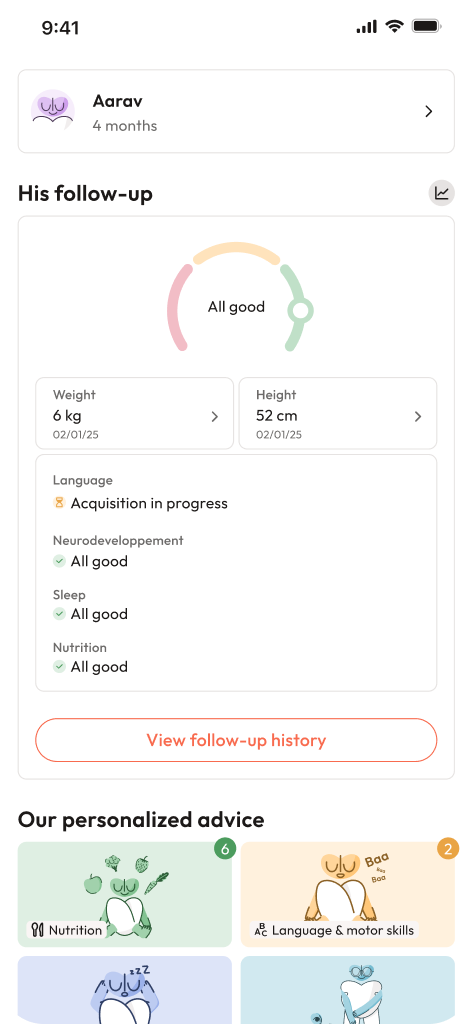
- Your paediatric team and local public health services can guide testing, isolation, and contact management. You can also download the Heloa app for personalised guidance and free child health questionnaires.

Further reading :
- Measles – NHS (https://www.nhs.uk/conditions/measles/)
- Measles Symptoms and Complications (https://www.cdc.gov/measles/signs-symptoms/index.html)
- Protecting Your Baby From a Measles Outbreak: FAQs (https://www.healthychildren.org/English/safety-prevention/immunizations/Pages/Protecting-Your-Baby-from-a-Measles-Outbreak-FAQs.aspx)