Noticing blood near your newborn’s navel can feel alarming—especially in the first week, when every nappy change feels like a mini health check. The good news: a Bleeding umbilical cord is very often a small, self-limited bleed linked to ordinary healing, mild rubbing, or a scab lifting. Still, there are situations where the pattern of bleeding, the smell, the skin changes, or your baby’s overall condition should prompt a call.
Bleeding umbilical cord: what’s often normal during healing
What a small bleed can look like (before and after it falls off)
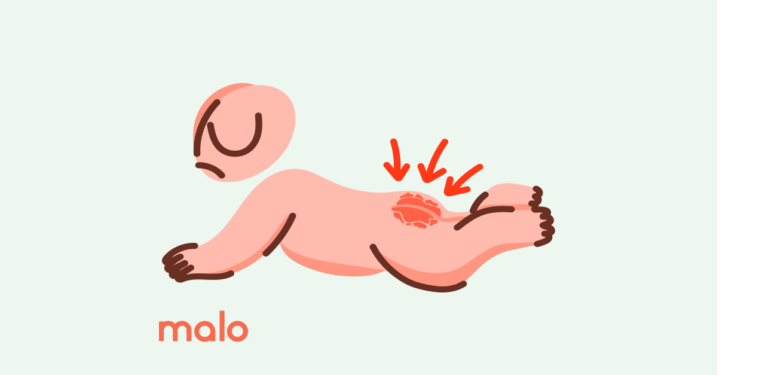
A mild Bleeding umbilical cord can look like:
- A few drops on a clean/sterile gauze pad
- A thin smear on the nappy
- A brief ooze along the edge of the stump
Medically, this usually comes from tiny superficial blood vessels (capillaries) closing as the stump separates, or from friction where the stump meets the skin. After the stump falls off, a small scab may remain, if it lifts, you can see a trace of blood.
Reassuring signs:

- Only a small amount
- No foul smell
- Skin around the navel looks normal (no spreading redness, no swelling)
- Bleeding stops with gentle pressure
How long it can last: the usual course
Most umbilical stumps dry, darken, shrivel, and fall off between 5 and 21 days after birth (and sometimes a little later). Light spotting can happen right when the stump is loosening.
A simple home check: if gentle direct pressure with sterile gauze stops the Bleeding umbilical cord within a few minutes, it’s often benign.
After the stump falls off: a few drops and a slightly moist base
Just after the stump drops, the base is not fully sealed. You might notice slight moisture, clear fluid, or a pink-tinged discharge.
Focus on clean and dry care. If moisture continues for several days, or if a Bleeding umbilical cord happens with the lightest touch, an umbilical granuloma (small overgrowth of healing tissue) is a common possibility and usually simple to treat in clinic.
Understanding the umbilical cord stump
What the umbilical cord stump is and how it heals
After delivery, the cord is clamped and cut, leaving a short piece attached to the baby’s tummy: the umbilical stump. It has no active blood flow now, so it naturally dries out and separates.
As it dries, it can look crusty, brown-black, or have a little dried blood. A small scab at the base is part of normal healing.
Normal timeline and appearance changes until it falls off (about 1-3 weeks)
Many parents notice a predictable sequence:
- Days 0-3: stump is soft-ish and starts drying, colour shifts from pale/yellow-brown to darker.
- Days 4-7: more drying and shrinking, crusting may appear.
- Days 8-14: stump becomes very dry and shrivelled, may dangle a bit.
- Days 15-21: often falls off, skin underneath can look pink initially, then settles.
Small bleeding during separation and when the stump falls off
A few drops of Bleeding umbilical cord can occur when the stump loosens or falls—especially if the nappy edge rubs. This is typically brief.
Bleeding is more reassuring when:
- It’s only a few drops
- It slows or stops with gentle pressure
- Your baby otherwise seems well (feeding normally, usual activity)
Clear or mucus-like discharge with a small blood streak
A little clear or slightly mucus-like discharge with a tiny blood streak can happen during healing.
Why an umbilical cord stump may bleed: common causes
Diaper or clothing friction: rubbing and irritation
The commonest trigger is friction. A nappy that rides up, tight elastic, or a snug onesie can irritate the delicate skin-stump junction, leading to a small Bleeding umbilical cord.
Practical tip: fold the nappy below the belly button, choose looser clothing for a few days.
Accidental tugging or snagging during dressing or nappy changes
The stump can snag on clothing. Even a small tug may lift a scab and cause spotting.
Healing changes as the stump dries and detaches
As tissue dries (desiccates) and detaches, minor bleeding can happen—similar to a scab coming off elsewhere on the body.
Bathing, cleaning, and moisture: when tissues soften
Water softens tissue. Very wet cleaning, or leaving the area damp, can increase the chance of a small Bleeding umbilical cord afterwards. Bathing is not forbidden, but gentle handling and thorough drying matter.
Early or forceful detachment: why pulling can trigger bleeding
Pulling the stump off can tear healing tissue and cause more bleeding and irritation. Let it fall off on its own.
Clamp-related irritation or stump injury
Sometimes the clamp or stiff stump rubs nearby skin, especially if the nappy presses upward. A small scratch at the base can create a spot of blood.
When it bleeds when touched: normal sensitivity or irritation?
Some sensitivity is expected. But a Bleeding umbilical cord with clear discomfort, warm red skin, or crying when you approach suggests more inflammation and needs medical advice.
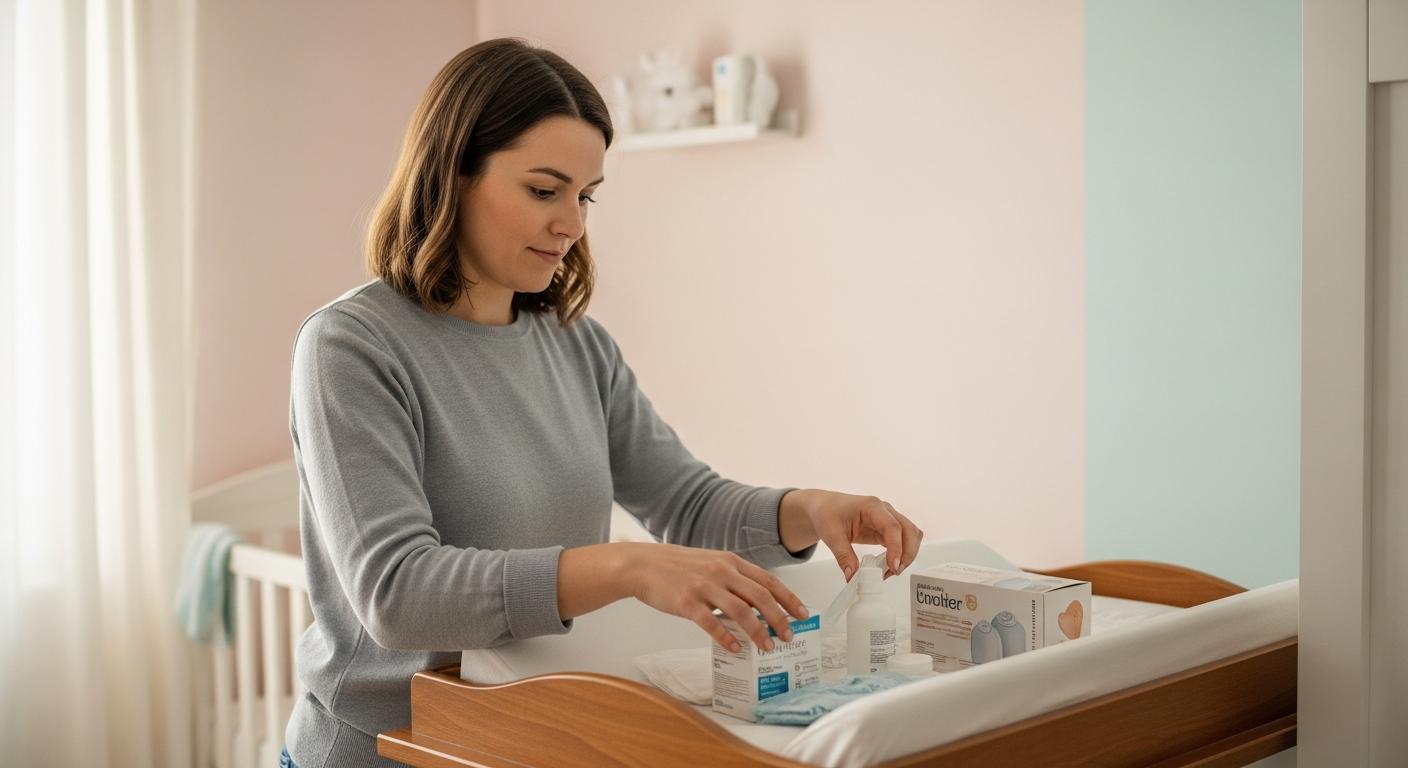
What you can do right away for minor bleeding
Gentle pressure with clean gauze for a few drops of blood
If you see a small bleed:
- Wash hands well.
- Place clean (ideally sterile) gauze over the spot.
- Apply gentle, steady, direct pressure.
How long to try pressure and when bleeding should slow on its own
Hold pressure for 5-10 minutes without lifting to check repeatedly. If blood soaks through, add more gauze on top and continue pressure.
Minor Bleeding umbilical cord should slow and stop.
When bleeding doesn’t stop: deciding next steps
If bleeding continues despite 10-15 minutes of firm direct pressure, or stops and restarts quickly, call your paediatrician/doctor the same day.
Daily care to prevent irritation and support healing
Keep it clean and dry (dry cord care)
In many Indian hospitals and paediatric practices, dry cord care is advised: keep it clean, dry, and exposed to air when possible.
Cleaning with plain water when needed
If urine or stool comes near the stump, clean gently with plain water and a soft cloth. Avoid scrubbing.
If the area is just stained vs truly soiled
- Light stain only: dab with saline on gauze.
- Soiled with urine/stool: use lukewarm water + mild soap, rinse, and dry carefully.
Nappy positioning and drying
Fold the nappy below the stump (or use a cut-out), pat dry with gauze, and allow full air-drying. Moisture slows drying and increases irritation.
Alcohol vs dry cord care: follow your provider’s advice
Unless your doctor specifically suggests alcohol/antiseptic, many families are told not to use it routinely.
What to avoid
Avoid pulling or twisting the stump, tight waistbands, powders/antiseptics without medical advice, picking scabs, and soaking baths until the stump falls off.
If a Bleeding umbilical cord keeps recurring at every nappy change despite these measures, ask for an examination.
Bleeding from the belly button: signs that should prompt medical advice
Amount and pattern
More reassuring: light stain, few drops, brief ooze.
More concerning: gauze gets soaked quickly, blood returns immediately after wiping, or bleeding looks continuous.
If a Bleeding umbilical cord soaks gauze fast, contact a healthcare professional.
Smell, discharge, and skin changes
Clear fluid or light pink discharge may be normal. Thick yellow/green discharge (pus), a strong bad smell, spreading redness, warmth, swelling, or increasing tenderness suggest infection.
Whole-baby symptoms
Seek medical advice promptly for fever (38°C/100.4°F or higher), unusual sleepiness, poor feeding, low tone, or marked irritability—even if the Bleeding umbilical cord looks small.
Infection to watch for (omphalitis)
What omphalitis is
Omphalitis is infection around the umbilicus. In newborns, it can worsen quickly, so early assessment is important.
Signs that need urgent care
- Expanding redness, warmth, swelling, increasing tenderness
- Pus or foul smell
- Fever, lethargy, poor feeding, baby looks unwell
A Bleeding umbilical cord alone doesn’t prove infection, associated signs matter.
After the stump falls off: what to expect
A little spotting after separation
A small spot of blood right after separation can happen, and the area may look pink briefly.
Ongoing bleeding or recurrent moisture
If bleeding continues or keeps recurring after the stump has fallen off, contact your clinician. Causes include irritation, incomplete healing, an umbilical granuloma, or rarely a clotting issue.
Umbilical granuloma and other causes of ongoing moisture
What an umbilical granuloma looks like
An umbilical granuloma often appears as a small, moist pink/red lump inside the belly button after the stump falls. It may ooze and bleed easily on touch.
Typical treatment
A clinician confirms it. Treatment may include an in-clinic application of silver nitrate, with simple aftercare. Avoid home remedies.
Delayed separation and slower healing
Stump not fallen off after about three weeks
Some babies take longer. If you are nearing 3-4 weeks, call for advice, especially if the stump is moist, smelly, or looks irritated.
Vitamin K and bleeding: what parents should know
Why newborns receive vitamin K
Vitamin K activates clotting factors that allow normal blood clotting. The vitamin K injection after birth greatly reduces vitamin K deficiency bleeding.
When to consider bleeding disorders
Prompt evaluation is needed if a Bleeding umbilical cord is significant and your baby also has easy bruising, bleeding elsewhere, blood in vomit/stool, or bleeding that won’t stop with pressure—especially if vitamin K was not given.
When to call your baby’s doctor
Call the same day
Seek advice if you notice spreading redness, warmth, swelling, tenderness, thick yellow/green discharge, unusual odour, or persistent moisture after the stump falls off.
Emergency signs
Get urgent help if a Bleeding umbilical cord won’t stop after 10-15 minutes of firm pressure, if there is fever (38°C/100.4°F or higher), or if your baby looks very unwell.
To remember
- A small Bleeding umbilical cord around separation is common and often linked to healing.
- Gentle pressure with sterile gauze usually stops minor bleeding.
- Spreading redness, warmth, swelling, pus, foul smell, fever, or feeding/alertness change needs medical assessment.
- After the stump falls off, persistent moisture and easy bleeding often suggests an umbilical granuloma.
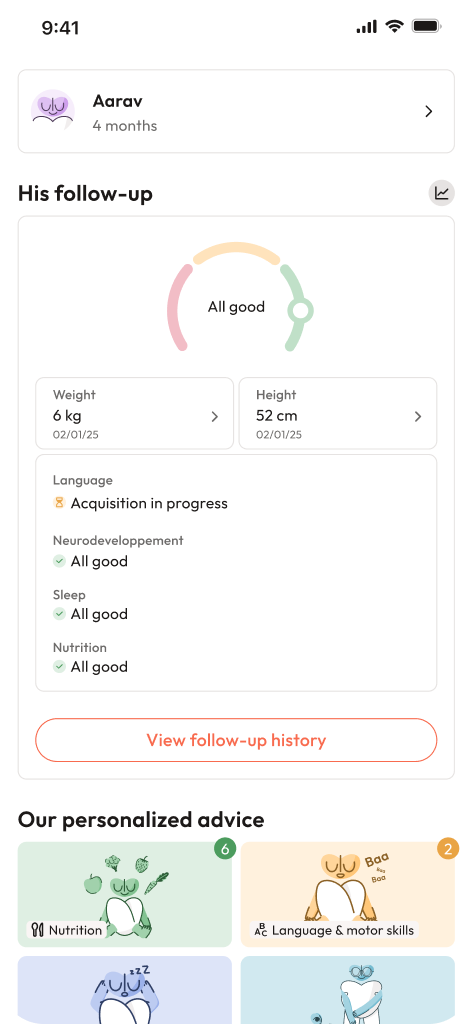
- If you want extra support between visits, you can download the Heloa app for personalised tips and free child health questionnaires.

Further reading :