Necrotizing enterocolitis can feel like the ground shifts under your feet—especially in an Indian NICU, when your baby is preterm and feeds have only just started to look settled. One day the tummy seems okay, the next, the team pauses milk, repeats an abdominal X-ray, starts antibiotics, and keeps checking the abdomen and monitors. Why so much urgency? Because necrotizing enterocolitis can change over hours, and early steps can protect the intestine and the rest of the body.
Parents often keep circling the same worries: What exactly is happening inside the gut? What signs matter? How do doctors confirm necrotizing enterocolitis? What does recovery look like? Let’s go step by step, in clear medical terms.
Understanding necrotizing enterocolitis in newborns
What necrotizing enterocolitis is (simple definition)
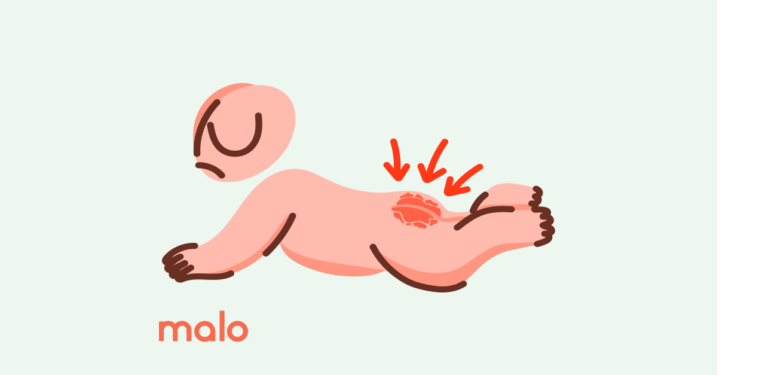
Necrotizing enterocolitis is an acute inflammatory disease of a newborn’s intestine. Inflammation means the bowel wall becomes swollen and irritated. In some babies, the lining gets injured enough to lose its protective barrier (the wall becomes leaky). The damaged area can progress to necrosis (tissue death).
Bacteria in the gut can produce gas. When the bowel wall is injured, that gas can get trapped inside the wall—this is called pneumatosis intestinalis. In the most severe form of necrotizing enterocolitis, the intestine can perforate (a hole develops).

Why necrotizing enterocolitis can become serious quickly in the NICU
A fragile bowel wall can perforate. If that happens, air and bacteria can spill into the tummy (abdomen), increasing the risk of peritonitis (infection/inflammation of the abdominal lining) and sepsis (a whole-body infection response). Blood pressure can drop, oxygen needs can rise, and the baby can become unstable.
That’s why NICU teams act early—sometimes even while they are still confirming the diagnosis—by stopping feeds, examining the abdomen frequently, and repeating imaging and blood tests.
Necrotizing enterocolitis compared with other newborn gut problems (including SIP)
Doctors also consider other causes when a tiny baby worsens.
- Necrotizing enterocolitis usually involves inflammation of a segment of bowel and may show classic X-ray findings such as pneumatosis or portal venous gas, along with signs of systemic illness.
- Spontaneous intestinal perforation (SIP) is different: it is often a more localised perforation that can happen early, sometimes with minimal feeding history, and it may not show the classic pneumatosis pattern. Treatment choices can differ, so teams keep both possibilities in mind.
Who is affected and when it can happen
Necrotizing enterocolitis in preterm babies: the main risk group
Most cases happen in premature babies—especially those born before 32 weeks—and/or babies with very low birth weight (often ≤1500 g). In preterm babies, the gut is still maturing:
- bowel movement (motility) is immature
- the lining is more permeable
- local immune defences are still developing
Necrotizing enterocolitis often appears after enteral feeding starts (milk given via the stomach/intestine), but the exact timing can vary based on gestational age and the overall NICU course.
Necrotizing enterocolitis in full-term babies and special situations
In full-term newborns, necrotizing enterocolitis is uncommon. When it occurs, clinicians look for stressors that reduce gut blood flow or overall stability—such as severe infection, congenital heart disease, or a hypoxic event (low oxygen). Reduced gut perfusion (hypoperfusion) makes the bowel lining easier to injure.
Birth weight and risk (VLBW, ELBW)
Risk rises as birth weight falls:
- VLBW: under 1500 g
- ELBW: under 1000 g
In these babies, the intestinal barrier is fragile and their tolerance for illness-related stress is limited.
Why necrotizing enterocolitis happens
There isn’t one single cause. Necrotizing enterocolitis is usually a combination of factors acting together.
Immature intestine and exaggerated inflammatory response
In preterm infants, bacteria and inflammatory molecules can pass through the intestinal lining more easily. The immune response can be excessive, so inflammation keeps feeding the injury.
Some research discusses signalling pathways such as TLR4 (Toll-like receptor 4). In simple words: the immature gut may overreact, and that overreaction can amplify damage.
Gut bacteria changes (dysbiosis) in the NICU environment
The gut microbiome develops gradually. When early colonisation becomes unbalanced, it is called dysbiosis. Studies of babies with necrotizing enterocolitis often show fewer bifidobacteria and more enterobacteria, though this is not a routine test for diagnosis.
Antibiotics can also change the microbiome and reduce diversity, which may affect resilience.
Reduced blood flow (ischaemia) plus feeding as a vulnerable mix
A period of reduced blood supply (ischaemia) can injure the gut lining. Add a developing microbiome and milk feeds (a normal substrate for digestion), and susceptible babies may develop necrotizing enterocolitis.
Human milk: a well-documented protective factor
Human milk is linked with a lower risk of necrotizing enterocolitis compared with formula. It contains anti-inflammatory factors and human milk oligosaccharides (HMOs) that support healthier microbiome development.
One HMO (DSLNT) has been studied in research settings, but it is not a routine clinical test. The practical message stays the same: mother’s milk (or donor milk, where available) is protective.
Risk factors clinicians watch for (without blaming anyone)
Risk factors help NICU teams plan feeding and monitoring. They are not about fault.
Baby-related factors
- Prematurity
- Very low birth weight
- Possible growth restriction
- Limited physiologic reserve in fragile infants
Feeding and nutrition exposures
- Formula feeding (compared with human milk)
- How quickly feed volumes are advanced and how tolerance changes
Medical and NICU factors
- Perinatal events: hypoxia, respiratory distress, prolonged rupture of membranes
- Neonatal infection, sepsis, and antibiotic exposure (microbiome impact)
- Congenital heart disease and perfusion problems
- Associations described around transfusions in very fragile infants
- Anaemia or hypotension in the overall clinical picture
- Acid-suppressing medicines discussed case by case (for example, proton pump inhibitors)
Early signs and symptoms parents may hear about
It’s natural to wonder: is this only a digestion issue? With necrotizing enterocolitis, the gut and the whole body can both be affected.
Digestive signs
- Increasing abdominal distension (more swollen or tight tummy)
- Increasing gastric residuals or reduced feed tolerance
- Vomiting, sometimes bilious (green)
- Blood in the stool
Whole-body signs
- Lethargy, fewer reactions, low tone
- Temperature instability (low temperature or fever)
- More episodes of apnea and bradycardia
- Pallor, rising oxygen needs, signs that can resemble sepsis
Signs suggesting more severe disease
A very tense abdomen, rapid worsening of vitals, or concern for perforation (including free air on imaging) leads to urgent escalation.
When the team considers other diagnoses
Because early symptoms can overlap, teams may assess for:
- Spontaneous intestinal perforation (SIP)
- Surgical emergencies like volvulus or obstruction
- Hirschsprung-associated enterocolitis
- Sepsis with ileus
- Cow’s milk protein allergy in selected cases (especially with blood in stool), interpreted along with imaging, labs, and overall clinical status
How necrotizing enterocolitis is confirmed and monitored
A diagnosis based on a pattern over time
NEC is rarely diagnosed from a single result. Doctors combine:
- repeated abdominal exams (distension, tenderness, discolouration)
- feeding history and tolerance trends
- vital signs and stability
- labs and imaging, repeated as needed
Bell staging (how severity is described)
Many NICUs use Bell staging:
- Stage I (suspected): mild, nonspecific signs, imaging may be normal or show ileus.
- Stage II (confirmed): imaging signs such as pneumatosis or portal venous gas.
- Stage III (advanced): severe systemic illness, possible shock and metabolic acidosis, often with perforation or necrotic bowel.
Medical NEC vs surgical NEC
- Medical necrotizing enterocolitis improves with bowel rest, antibiotics, and supportive care.
- Surgical necrotizing enterocolitis needs an operation—often due to perforation, peritonitis, necrotic bowel, or deterioration despite treatment.
Imaging used in necrotizing enterocolitis
Abdominal X-ray findings
X-ray is usually first line. Clinicians look for:
- Pneumatosis intestinalis
- Portal venous gas
- Dilated or fixed bowel loops
- Pneumoperitoneum (free air), suggesting perforation
Abdominal ultrasound (sometimes with Doppler)
Ultrasound can add more detail, especially when X-rays are unclear. It may assess:
- bowel wall thickness and appearance
- blood flow (Doppler)
- free fluid or collections
Repeating imaging to track change
Serial imaging helps guide treatment decisions and surgical evaluation if needed.
Lab tests and what they can show
Blood count and platelets
Doctors monitor haemoglobin, white cell count, and platelets. Trends matter, especially if the baby is worsening.
Inflammation and perfusion markers
Depending on the baby’s condition, the team may track:
- CRP
- blood gas (acid-base balance)
- lactate
- electrolytes
Metabolic acidosis and high lactate can suggest impaired perfusion.
Blood cultures and sepsis evaluation
Because necrotizing enterocolitis can overlap with bloodstream infection, cultures are often taken (ideally before antibiotics, when feasible).
What happens right away when necrotizing enterocolitis is suspected
Bowel rest (NPO) and stomach decompression
Feeds are stopped to rest the bowel. A tube may be placed to decompress the stomach and reduce pressure.
Fluids, circulation support, and breathing support
Babies may need IV fluids, electrolyte correction, and medicines to support blood pressure. Respiratory support may be increased if distension or systemic illness affects breathing.
Antibiotics
IV antibiotics are started as per local NICU protocols and adjusted based on evolution and cultures.
Medical treatment and day-to-day NICU care
Close monitoring in intensive care
Frequent exams, continuous monitoring, and repeat labs/imaging guide decisions. Pain relief and comfort measures are part of care, plans may change hour by hour.
Nutrition support with TPN
While the bowel rests, babies receive TPN (parenteral nutrition) via a vein to provide calories, protein, fats, vitamins, and minerals.
Restarting feeds after recovery
Feeds restart slowly once the baby is stable and abdominal signs improve. Many units prioritise mother’s milk or donor human milk when available. Fortification is often reintroduced stepwise with close observation.
When surgery is needed
What makes surgery more likely
Surgery is considered if there is:
- perforation or pneumoperitoneum
- peritonitis
- deterioration despite medical treatment
Surgical options
Depending on stability and disease extent:
- removal of necrotic bowel (resection)
- temporary ostomy with later reconnection (often staged)
- peritoneal drainage as a temporary measure in very unstable babies (varies by unit)
Post-operative care and feeding
After surgery, babies may need antibiotics, careful fluid/electrolyte management, pain control, and continued TPN until bowel function returns. Feeds then restart gradually.
Prevention strategies used in the NICU
Prioritising human milk
Where available, human milk is prioritised due to its protective association with necrotizing enterocolitis. Donor milk is used in many NICUs for high-risk infants. Fortification may still be needed for preterm growth.
Feeding protocols and careful advancement
Structured feeding protocols help progress feeds cautiously while watching tolerance.
Infection prevention and antibiotic stewardship
Hand hygiene, line care, and limiting unnecessary invasive procedures reduce infections. Antibiotics are used thoughtfully, with duration adjusted to results and clinical course.
Probiotics: possible benefit, variable practice
Meta-analyses suggest some probiotic strains can reduce NEC risk, but practices vary due to product quality and unit policy. Decisions are usually discussed with the NICU team.
Reviewing acid-suppressing medicines case by case
Some units reassess antacids or proton pump inhibitors depending on need and overall risk.
Possible complications during and after necrotizing enterocolitis
Short-term complications
Severe disease can be associated with sepsis, shock, perforation, and in surgical cases, sometimes reoperation.
Digestive complications
After recovery, some infants may develop:
- Strictures (narrowed segments) causing vomiting, distension, or obstruction weeks later
- Short bowel syndrome if a large section is removed, leading to malabsorption and higher nutrition needs
- Feeding difficulties (fatigue, aversion, coordination issues)
Growth and neurodevelopment
Nutrition may be adjusted after necrotizing enterocolitis (fortification, protein, vitamins, minerals depending on the course). Neurodevelopmental risk can be higher after severe or surgical disease, so follow-up may include movement, feeding skills, hearing, vision, sleep, and early interaction support.
Life after the NICU: follow-up and family support
Growth and nutrition monitoring
After discharge, babies are monitored for weight, length, and head growth. Some may need planned blood tests (anaemia, electrolytes, nutrient status). Feeding plans often evolve, adjustments are common.
GI and surgical follow-up
If an ostomy was created, surgical follow-up includes guidance on skin care, monitoring output, and planning closure when the baby is growing well. Teams also stay alert for late strictures.
Developmental surveillance and early intervention
Many preterm babies benefit from structured developmental follow-up. If delays or oral-motor feeding challenges appear, early support services can help.
À retenir
- Necrotizing enterocolitis is an acute inflammatory disease of the newborn intestine, most common in preterm babies, and it can progress to necrosis and perforation.
- Early signs may be digestive (distension, poor tolerance, bilious vomiting, blood in stool) and/or systemic (apnea, bradycardia, temperature instability, lethargy, rising oxygen needs).
- Diagnosis relies on repeated exams plus imaging (X-ray findings like pneumatosis, portal venous gas, pneumoperitoneum, sometimes ultrasound) and lab trends (platelets, CRP, blood gases, lactate, cultures).
- Treatment usually includes bowel rest, decompression, IV support, antibiotics, and TPN, surgery is considered with perforation, peritonitis, or deterioration.
- Prevention is a bundle: human milk when possible, careful feed advancement, infection prevention, thoughtful antibiotics, and unit-specific decisions about probiotics and acid suppression.
- Many babies recover well, and follow-up supports nutrition, bowel health, and development. Your neonatology team remains the best point of contact for decisions tailored to your baby. For personalised guidance and free child health questionnaires, you can download the Heloa app.

Further reading: