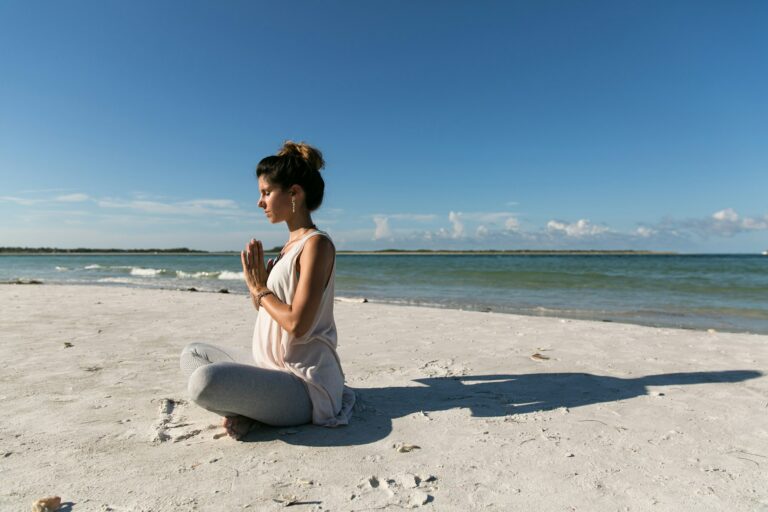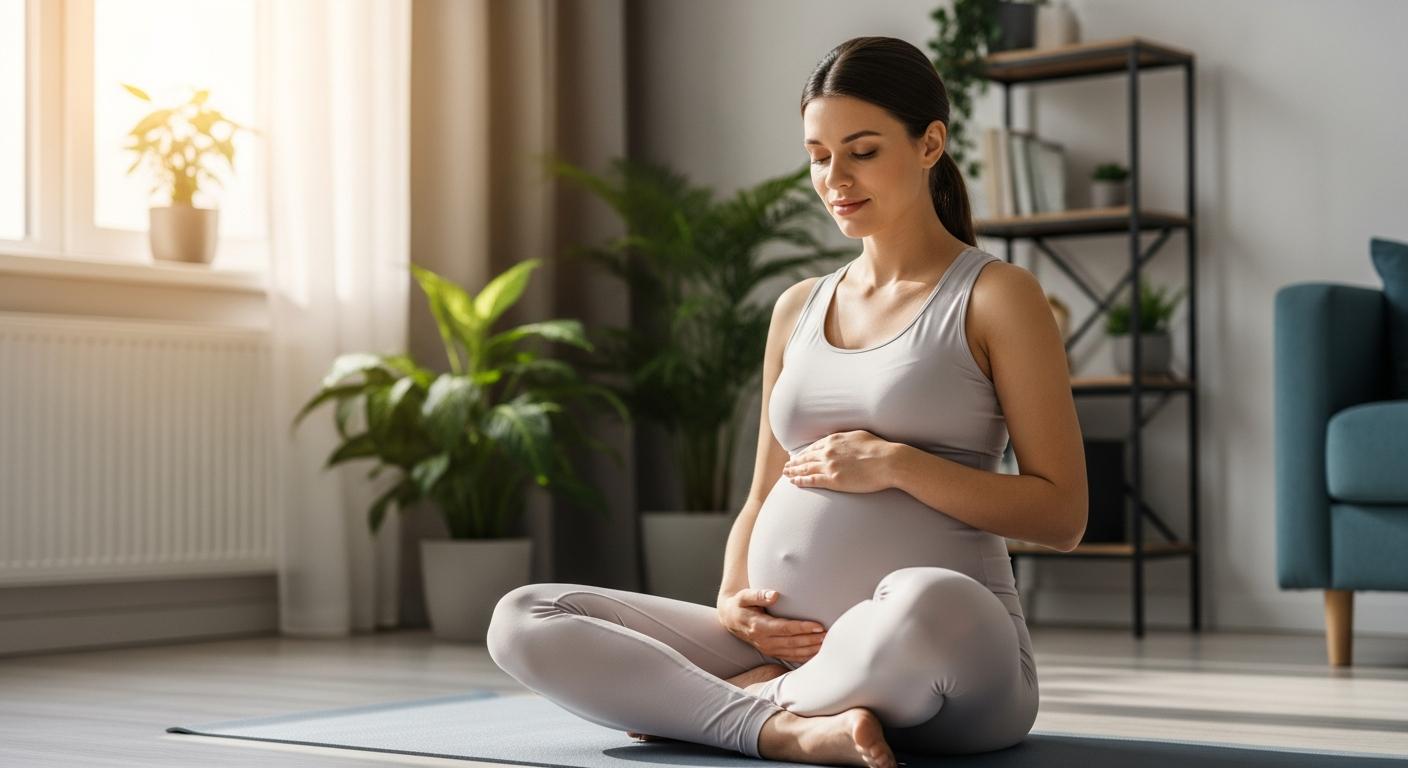
Pregnancy can make even simple things feel different: getting up from the sofa, sleeping through the night, even taking a deep breath in traffic. Prenatal yoga is often chosen as a steady, gentle practice that supports comfort, breathing, and confidence, without exhausting you.
Parents usually want clarity: what prenatal yoga includes, how it differs from regular yoga, the benefits you can realistically expect, the safety signals to respect, and trimester-wise adjustments that fit real Indian routines and weather.
What prenatal yoga is (movement, breath, relaxation)
Prenatal yoga is yoga adapted for pregnancy. The priority is safety, stability, and body awareness, not achieving advanced shapes.
A typical prenatal yoga session may include:

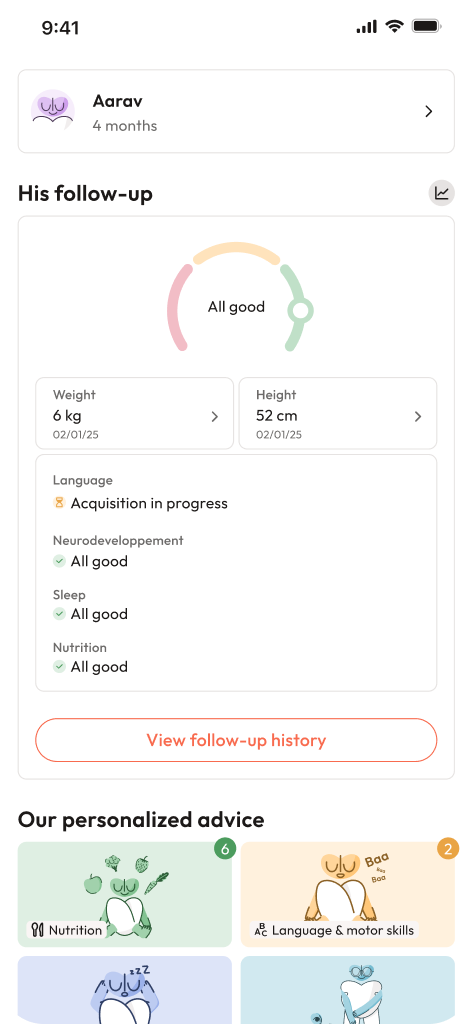
- Belly-friendly poses (often with props)
- Comfortable diaphragmatic breathing (breathing that uses the diaphragm efficiently, without strain)
- Gentle stretching plus light strengthening for posture and hips
- A longer relaxation phase, commonly side-lying
Physiology matters here. Slow movement with smooth exhalations can reduce sympathetic arousal (the stress response) and support parasympathetic settling (rest and recovery). That can feel like fewer stress surges, better wind-down, and more coping capacity.
How prenatal yoga differs from regular yoga
Pregnancy hormones like relaxin increase ligament laxity, so overstretching becomes easier. Balance also shifts as the uterus grows.
In prenatal yoga, you’ll typically see:
- More props: chair, wall, blocks, pillows
- Less end-range stretching and fewer deep backbends
- Twists kept open (away from the belly), not compressive
- No deliberate breath-holding (no voluntary apnoea) and no forceful rapid breathing
- Less time flat on the back after the first trimester due to possible supine hypotension (dizziness or nausea when major vessels are compressed)
- No heated rooms (hot yoga is not pregnancy-friendly)
If a movement increases abdominal pressure, causes pelvic heaviness, or disrupts breathing, it should be modified or swapped.
Benefits of prenatal yoga (body and mind)
Calmer mood and stress relief
Hormonal changes plus disturbed sleep can amplify worry. Prenatal yoga often helps through longer exhalations, gentle movement, and guided relaxation. Research commonly links it with reduced anxiety symptoms and improved mood for many women (results vary).
Sleep support
Pregnancy sleep is easily disturbed by reflux, frequent urination, cramps, and discomfort. Prenatal yoga can help mainly by reducing muscle tension and settling the nervous system. On low-energy days, 10 to 20 minutes is often plenty.
Posture, strength, and pelvic support
As the belly grows, posture changes: rib flare, rounded shoulders, pelvic tilt. Prenatal yoga usually strengthens glutes and upper back while keeping work joint-safe.
Pelvic floor training is not “squeeze all day”. A useful pattern is coordination:
- Inhale: soften and widen
- Exhale: gentle lift
- No breath-holding, no bearing down
Breathing efficiency
The diaphragm is pushed upward as pregnancy progresses, so breathlessness can appear sooner. Prenatal yoga teaches comfortable nasal breathing and slightly longer exhalations, adapting towards more ribcage expansion when the belly feels tight.
Labour preparation (realistic skills)
Regular prenatal yoga can rehearse steady breathing under effort, relaxation of jaw and shoulders, and supported positions that may be used in labour (hands-and-knees, forward-leaning on a chair, wall-supported standing, sitting on a ball). It cannot guarantee a short labour, but it can make coping tools feel familiar.
Safety basics: how to practise with confidence
Setting: studio, online, or home
Studio classes allow immediate corrections. Online can work if it is clearly pregnancy-specific and you feel comfortable pausing and skipping.
Home basics:
- Non-slip mat
- Chair or wall for balance
- Pillows or blocks for support
- Blanket for relaxation
Hydration, snack timing, and Indian weather
Pregnancy increases sensitivity to dizziness and overheating.
- Sip water before and during.
- A small snack (banana, curd, toast) can prevent lightheadedness.
- Practise in a cool, ventilated room, especially in summer.
Intensity cues (talk test)
- You should be able to speak in full sentences.
- Breathing stays smooth (no gasping, no breath retention).
- Effort is fine, strain is a cue to slow down.
Stop and call your clinician urgently if you have
- Vaginal bleeding or leaking fluid
- Chest pain, strong palpitations, or severe shortness of breath at rest
- Fainting, persistent dizziness, severe headache, or visual changes
- Severe abdominal or pelvic pain or pressure
- Painful regular contractions before term
- Noticeable decrease in fetal movement
When to start prenatal yoga and how often
With medical clearance, you can start prenatal yoga in any trimester.
- First trimester: nausea and fatigue are common, short, upright, breath-led sessions may suit best.
- Second trimester: often best for building routine, supported standing strength and posture work.
- Third trimester: slower, more supported, more restorative rest.
Practical routines:
- 2 to 3 sessions per week of 20 to 30 minutes, or
- 10 to 15 minutes most days
If symptoms flare: choose seated or side-lying, keep transitions slow, and prioritise breath plus gentle mobility.
Trimester adaptations that keep practice comfortable
First trimester
- Cat-cow, seated side bends, chair-supported forward folds
- Avoid overheating
Second trimester
- Supported Warrior II, wall-supported Chair Pose
- Gentle open twists (away from belly)
Third trimester
- Wide stances, chair support, slow transitions
- Side-lying relaxation with pillows
Pregnancy-friendly poses (safety-first)
Common prenatal yoga options:
- Cat-Cow (small range)
- Supported Child’s Pose (knees wide, torso on pillows)
- Seated side bend
- Wall-supported Chair Pose
- Warrior II (short stance, chair or wall support)
- Supported low lunge (hands elevated)
- Side-lying savasana (pillow between knees)
Practices to avoid (or strongly modify)
In prenatal yoga, usually avoid:
- Deep closed twists that compress the abdomen
- Intense backbends that strain the low back
- Long flat-on-the-back holds after the first trimester if they cause symptoms
- Crunches and pressure-heavy core work (watch for doming linked with diastasis recti)
- Hot yoga, overheating, forceful breathing, and breath retention
- Inversions unless you were experienced pre-pregnancy and have medical and expert guidance
Breathing for calm and labour
A simple, comfortable pattern:
- Inhale for 4 counts
- Exhale for 6 counts
Keep the jaw soft. If you feel dizzy, return to normal breathing.
In labour, rhythm matters more than “perfect technique”. Many women find a low hum on the exhale relaxes the jaw and pelvic area.
Pelvic pain, twins, beginners: common situations (and how to adapt)
Pelvic girdle pain (SPD) or sciatica can coexist with prenatal yoga, but stability comes first. Prefer small-range cat-cow, wide-knee supported child’s pose, side-lying work, and chair-supported standing. Skip deep lunges or wide single-leg loading if pain increases. If symptoms spike during or after practice, a physiotherapist can tailor modifications.
Twin pregnancy is often compatible with prenatal yoga when your clinician agrees, but the approach is more conservative: shorter sessions, more rest, extra props, and strict attention to overheating and dizziness.
Never done yoga before? You can still start prenatal yoga. Choose pregnancy-specific classes, use props, and keep effort low enough that you can talk comfortably.
To remember
- Prenatal yoga supports comfort, breathing, posture, and coping skills through gentle movement and relaxation.
- Keep effort moderate (talk test), stay hydrated, avoid overheating, and stop for warning signs.
- Adapt by trimester: gentler early, steadier strength mid-pregnancy, more support and rest late pregnancy.
- Pelvic floor work is coordination: soften on inhale, gentle lift on exhale.
- Support exists via your obstetrician or midwife, physiotherapist, and trained teachers. You can also download the Heloa app for personalised advice and free health questionnaires for children.
Further reading: