Bringing a new life into the world is an extraordinary experience, but it comes with its share of unpredictable physiological changes. If you find yourself dreading those first trips to the bathroom after delivery, rest assured—postpartum constipation is an incredibly frequent and distressing issue for many new mothers. The anxiety of not “going” for several days, the discomfort of hard or dry stools, and the added worry about pain or bleeding, especially if you’ve had a difficult birth or stitches—these are real concerns. There’s no “one pattern fits all.” What matters most is how your body adapts, how you manage discomfort, and what actionable steps can bring relief. Get ready to discover not just what triggers postpartum constipation, but also precise methods to ease the problem and accelerate your return to comfort and confidence.
What is postpartum constipation and why does it happen?
Constipation after delivery is no minor inconvenience. Clinicians define it through a set of symptoms: fewer than three bowel movements per week, hard or lumpy stool, distressing straining, and a feeling that the bowel has not completely emptied. For some, a bowel movement occurs within the first 24 to 48 hours, while others might wait 3–4 days—and both can be within the normal range. The problem arises when these delays are paired with painful defecation, rectal pain, or even episodes of rectal bleeding.
But why does postpartum constipation appear just when you need your body to cooperate most? Part of the answer lies in hormonal chaos—sudden falls in progesterone and estrogen, surges in oxytocin during breastfeeding, and the disruption of gut motility. Labor itself can lead to major fluid shifts, dehydration, fatigue, and a rapid drop in daily mobility. Imagine: swelling from delivery, the looming pain from stitches or hemorrhoids (commonly called piles), reduced physical activity—each of these factors can slow the movement of the gut, drying and hardening stools.
And then come the medications: opioid painkillers (frequently used for C-section or perineal trauma), iron supplementation for postpartum anemia, and even some common antacids. Each one can alter gut motility further. Add the demands of breastfeeding, where your body siphons extra water for milk production, and it’s easy to see how a vicious cycle of dryness and strain may begin.

Physical foundations: how birth type shapes postpartum bowels
Following vaginal delivery
A vaginal birth exposes the rectum, anal sphincter, and pelvic floor muscles to stretching and compression. The immediate consequence? Soreness, reduced coordination, and, not uncommonly, subtle disruptions in the gastrocolic reflex (the gut’s natural trigger following meals). Tears, episiotomies, and the resulting scars present another challenge—each bowel movement provokes fear of disrupting stitches, intensifying the cycle of withholding and drying out stools.
Hemorrhoids flourish in this environment, bringing burning sensations and anal fissures (small tears in the delicate lining), which feel like sharp knives. The sensation of “hitting a wall” is not uncommon in early recovery, but time, gentle movement, and sometimes pelvic floor rehabilitation can restore balance.
After a C-section
Abdominal surgery changes everything. Anaesthesia, manipulation of the bowel, and the use of opioid analgesics combine to further slow gut action, often promoting gas retention and bloating. Support—be it a pillow on the incision or a firm toilet posture (feet high, knees above hips)—can bring surprising relief. Early, gentle walking helps “wake up” the sluggish bowel.
Assisted deliveries (forceps, vacuum extraction)
The risk of deep perineal injury spikes. Severe pain may overshadow everything else, and fear may lead to stubborn bowel retention. Reassurance, informed explanations about stitches, and a combination of pain management and stool softeners become the first line of defence.
Recognising symptoms and red flags
Early clues are often subtle: infrequent stools, hard or pellet-like stools, excessive straining, bloating, gas, or the gnawing sensation of incomplete emptying. Sometimes, hemorrhoids present with itching or burning, while anal fissures announce themselves with sharp pain and a trickle of bright red blood.
But certain scenarios demand prompt action. Be attentive to:
- Severe, escalating abdominal pain with swelling
- Ongoing vomiting or inability to keep fluids down
- No bowel movement or passage of gas for more than 4–5 days despite your best efforts
- Heavier rectal bleeding, blood mixed into stool, or unexplained clots
- Fever, chills, or feeling distinctly unwell
- Pencil-thin stools (suggesting narrowing in the lower bowel)
- Sudden, intense rectal pain or a sense of complete blockage
Such signs are strong warnings—seek medical guidance quickly.
Immediate relief: practical steps for those first postpartum days
Prepare yourself mentally and physically
That first bowel movement after delivery often brings trepidation. It might help to:
- Choose a quiet time when you’ll be undisturbed
- Use a small footstool to prop up your feet, aiding toilet posture
- Lean forward, soften your jaw, and breathe easily—no need for concerted straining
- Breathe gently into your belly, exhaling softly (“blow as you go”)
Comfort for delicate areas
If the perineum feels vulnerable, support with a clean folded pad. A dab of water-based lubricant or a warm sitz bath can do wonders for fissures or hemorrhoids. Avoid rough toilet paper—consider gentle washing with water. Cold compresses help reduce inflammation from hemorrhoids, although care should be taken not to overcool. Topical creams or sprays may be used, but with professional guidance.
Know when to pause and seek extra help
If nothing happens after several minutes, or if severe pain begins, it’s best to stop for now and try again later. Small glycerin suppositories or bisacodyl may offer quick relief, but any use of enemas or micro-enemas needs explicit medical approval, especially after surgery or complex tears.
Daily prevention: hydration, fibre, and more
Stay hydrated
Aim for at least 3–3.5 litres of fluid per day if breastfeeding, adjusting for thirst and climate. Warm or room-temperature drinks (herbal teas, broths, plain water) can trigger a gastrocolic reflex—the body’s natural urge to move the bowels after a meal.
Move—gently and often
Short, slow walks can jumpstart your intestinal transit. Gentle pelvic tilts, knees-to-chest postures, or soft abdominal self-massage in a clockwise motion move things along. Avoid putting pressure directly on a fresh C-section scar. A warm compress can lessen discomfort.
Build a supportive toilet routine
Try to visit the bathroom 15–30 minutes after your main meal. Sit for a few relaxed minutes, even if you’re unsure anything will happen. Do not ignore urges—postponing only makes stools harder and the process more difficult.
Eating for recovery: the value of dietary fibre
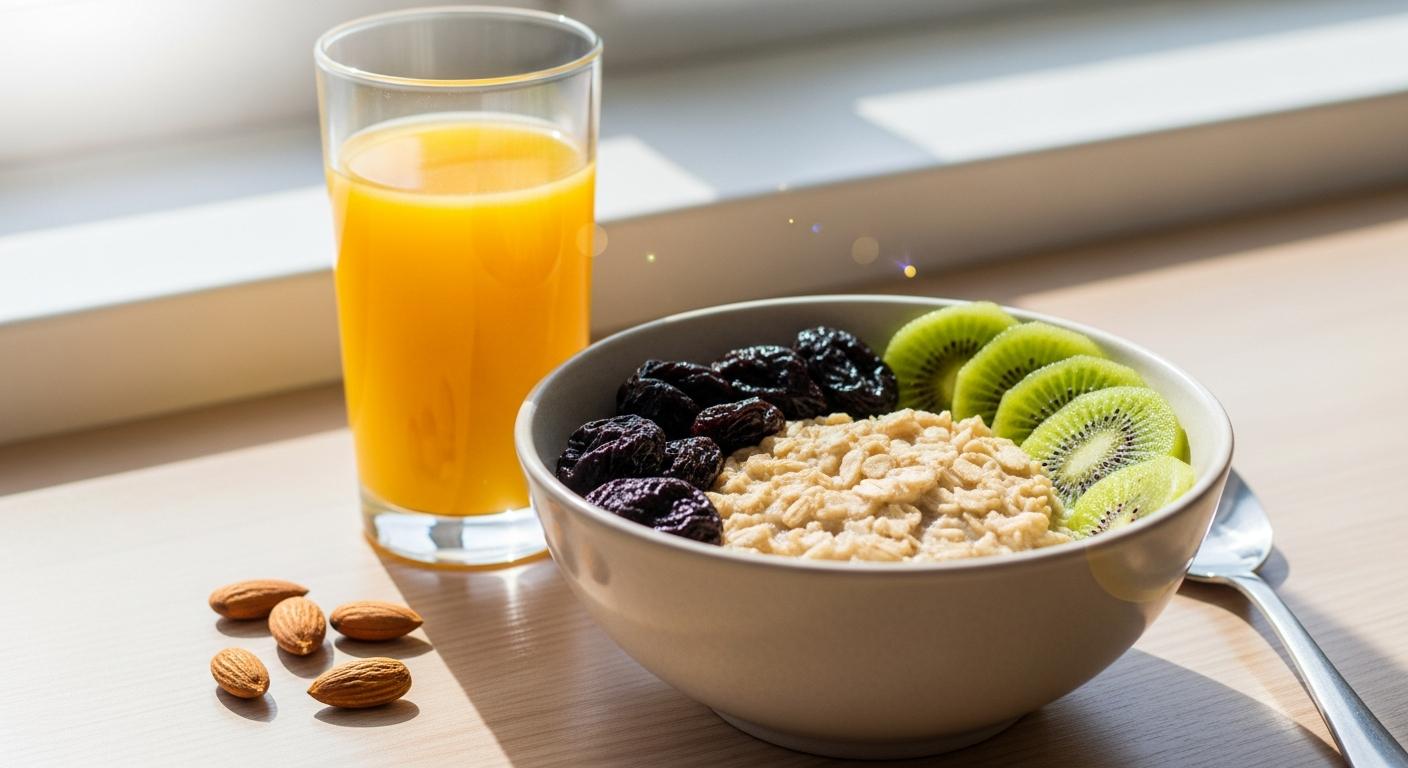
Aim for 25–30 grams of dietary fibre each day, but increase the amount gradually. Combine soluble fibre (oats, apples, prunes) with insoluble sources (whole-wheat bread, brown rice, vegetable skins). Each bolus of fibre acts like a sponge, drawing water into your stool—always pair fibre with plenty of fluids.
Some foods stand out for postpartum bowels:
- Prunes (4–6 per day or a glass of prune juice)
- Kiwi, ripe pears with skin
- Chia seeds, ground flaxseed
Don’t skip protein—eggs, yoghurt, cheese, beans, and tofu all keep energy up and pair well with fibre. Always keep accessible snacks like whole-grain bread, berries, leafy greens, or nuts within reach.
Gut microbiome and recovery
Antibiotics given around delivery or huge changes in diet can disrupt your gut microbiota—the helpful bacteria governing digestion. Restore balance through:
- Live-culture fermented foods: yoghurt, kefir, miso, tempeh
- Limiting ultra-processed foods high in sugar or fat
- Considering probiotics if recommended by your medical team
Vegetarian or vegan? Gradually add new legumes, ensure vitamin B12 supplementation, and pair iron-rich foods with vitamin C (citrus, tomatoes) for better absorption.
Supplements and over-the-counter options: safe choices
Fibre supplements and stool softeners
Psyllium husk, partially hydrolysed guar gum, or wheat dextrin—these can work wonders, if you start slowly and drink enough water. Docusate sodium is a gentler chemical softener, often used at 100 mg once or twice daily, especially after C-section or when using opioids.
Osmotic and stimulant laxatives
Polyethylene glycol (PEG 3350) and lactulose draw water into the bowel, typically producing a movement in 1–3 days. Stimulant options like senna or bisacodyl can prompt an urge rapidly but bring a risk of cramping or dependency if used too long.
Glycerin suppositories and rectal bisacodyl may provide more immediate relief. Enemas require utmost caution—always consult first.
Breastfeeding safety
Most stool softeners and many laxatives supply minimal risk to breastfed infants. Docusate, psyllium, and PEG 3350 are broadly accepted. Consult your clinician before using stimulant laxatives or any herbal remedies.
Understanding and supporting the pelvic floor
After birth, finding the right balance in your pelvic floor muscles is key: too tight, and evacuation is blocked, too weak, and there’s not enough support. Practice diaphragmatic breathing—inflate your lower ribs as you inhale, relax forehead and jaw, and let the pelvic floor gently release as you exhale.
For some mothers, a perinatal physiotherapist can make all the difference, using biofeedback, coordinated breathing, and special exercises to restore pelvic function.
A timeline for recovery
- First days (hospital and home): Focus on gentle movement, fluids, simple low-fibre foods, and prescribed stool softeners.
- Days 4–7: If no bowel movement, ask your doctor about an osmotic laxative. Establish a regular bathroom routine, reintroduce fibre as tolerated.
- Weeks 2–3: Aim for consistent fibre intake, taper off medications if possible, and consult for any persistent symptoms.
- Beyond one month: Persistent or severe problems? Consider pelvic floor review, medication check, or referral to a gastroenterologist.
Everyday prevention: a practical action plan
- Keep water available and sip throughout the day.
- Ask family to prepare easy, fibre-friendly snacks.
- Take short daily walks or gentle stretches.
- Respect your body’s urge to go, no matter how inconvenient.
- Use correct toilet posture—footstool, forward lean, relaxed jaw.
- If constipation is already established, escalate gradually: first hydration, then fibre and movement, and finally gentle medication.
- For alarming symptoms—stop and seek help rather than persist.
Sleep, stress, and the gut-brain axis
Fragmented rest and persistent stress—hallmarks of life with a newborn—raise levels of stress hormones such as cortisol. These hormones can freeze gastrointestinal motility and clamp down pelvic floor muscles. Use short “micro-rests,” deep breathing, or guided relaxation to break the cycle and encourage smoother bowel action.
Key Takeaways
- Postpartum constipation is common and can be distressing, with triggers including hormones, reduced activity, medication, and dehydration.
- Relief starts with hydration, gentle movement, dietary fibre, and toilet posture before progressing to stool softeners or laxatives if required.
- Recognize red flags—severe pain, vomiting, heavy bleeding, persistent constipation—and seek medical attention promptly in such scenarios.
- Most strategies and approved medications are compatible with breastfeeding, but check with your doctor before starting new treatments.
- Emotional wellbeing, supported by adequate sleep, rest, and relaxation, plays a substantial role in digestive health.
- The gut microbiome benefits from fibre, fermented foods, and a diet that minimizes ultra-processed items.
- Trust your instincts, adjust routines to your needs, and know you’re not expected to “bounce back” overnight—healing takes time.
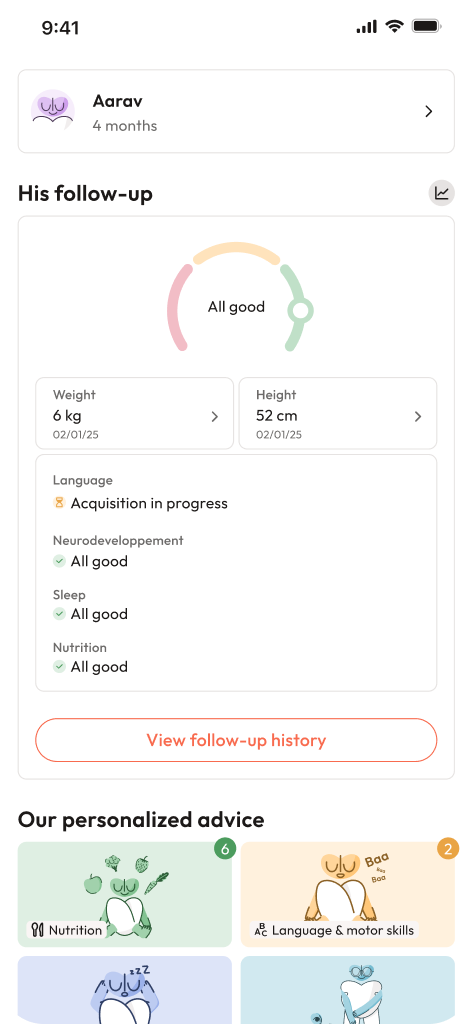
For more personalised advice, symptom tracking, or professional support, download the application Heloa—free health questionnaires, tailored tips, and trusted information are just a click away.
Questions Parents Ask
Can postpartum constipation affect my baby if I’m breastfeeding?
Rest assured, postpartum constipation typically impacts your personal comfort much more than your breast milk or your baby’s health. The discomfort and fatigue you experience—pain, stress, or the distraction of frequent trips to the loo—could sometimes make feeding or baby care more taxing, but your actual milk supply and quality remain protected by an impressive biological system. Most remedies for postpartum constipation (hydration, fibre, light movement, and most medications) are compatible with breastfeeding. Unsure about a specific remedy? Bring it up with your care provider—they’ll help tailor options that are both safe and effective.
Is postpartum constipation different if I’m breastfeeding or formula feeding?
Postpartum constipation respects no feeding method. Whether you breastfeed, formula feed, or do a combination, the causes—hormonal changes, pain, fatigue, fluid shifts, medication—are largely the same. Breastfeeding does increase your overall water needs, which might allow stools to become drier if hydration doesn’t keep pace. Some mothers also notice mild fluctuations in bowel movement timing tied to breastfeeding (due to oxytocin surges). Formula feeding can make water balance a bit less variable, but stress and recovery impact everyone. Fundamentally, management relies on the same pillars: fluids, gradual fibre addition, gentle movement, and seeking help if constipation proves stubborn.
How long can postpartum constipation last before I should be worried?
It’s natural to feel concerned after several days without a bowel movement, especially following a tough delivery. A brief delay—three or even four days—often falls within normal recovery, assuming you’re regaining appetite, mobilizing, and rehydrating. However, if stools are absent by day 4–5, despite regular fluid intake, gentle activity, and dedicated bathroom time, contacting your healthcare provider makes sense. Lingering constipation beyond several weeks, requiring major effort each time, can be addressed and improved with help—never just endured. Alarming signs—intense pain, swollen hard abdomen, persistent vomiting, fever, or heavy blood in stool—deserve urgent attention.
If questions linger, don’t hesitate to consult a trusted healthcare professional for individualised care.
Further reading: