Feeling unexpectedly wet in pregnancy can really throw you off. Is it normal discharge, a small urine leak after laughing, or an amniotic fluid leak that needs you to contact your hospital straight away? Many parents in India describe the same confusion, especially in the third trimester when discharge increases and bladder pressure is high. The good news: doctors have quick bedside checks to confirm what it is, and the next steps are usually clear once the diagnosis is made.
Amniotic fluid leak: what it is and why it matters
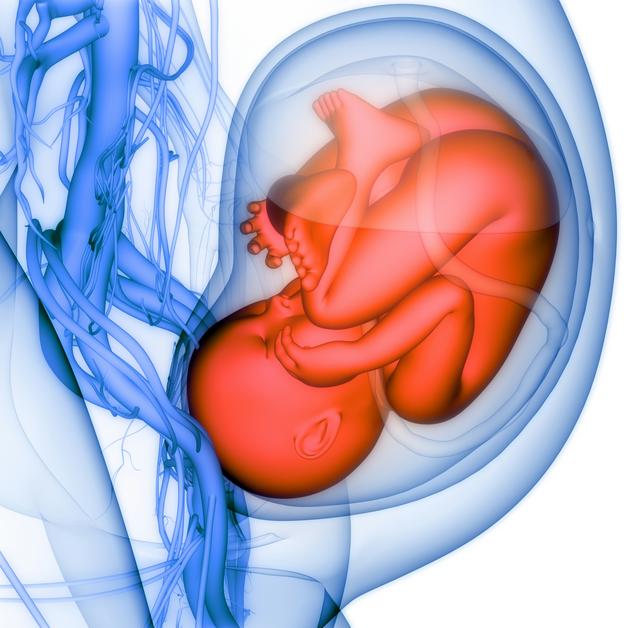
An amniotic fluid leak means fluid is draining through the vagina because the membranes around the baby (amnion and chorion) have developed a tear. The symptom you notice is water leaking. The medical diagnosis behind it is usually rupture of membranes (ROM).
ROM can happen during labour (which is expected), or before labour begins. When it happens before labour, two things change at once: the baby may have less cushioning, and the protective barrier against germs from the vagina is no longer fully sealed.
PROM vs PPROM: what changes at term vs preterm
Clinicians classify ROM before labour by gestational age:

- PROM: rupture before labour at or after 37 weeks.
- PPROM: rupture before labour before 37 weeks.
At term, the key issues are usually timing of delivery and reducing infection risk. Preterm, the plan often feels like a balancing act: infection risk and fetal wellbeing are weighed against the benefits of gaining extra days for lung and brain maturity.
What amniotic fluid does during pregnancy
Amniotic fluid is not simply fluid. It supports fetal development and safety:
- helps normal lung development (the baby practises breathing in fluid)
- supports stable temperature
- cushions the baby and reduces injury from movements
- contributes to an infection barrier, after ROM, the risk of ascending infection such as chorioamnionitis increases
Doctors estimate fluid on ultrasound:
- Normal AFI is roughly 5–25 cm, normal MVP is about 2–8 cm.
- Oligohydramnios is often AFI <5 cm or MVP <2 cm.
Feeling wet during pregnancy: amniotic fluid leak or something else?
Feeling damp in your underwear is very common in pregnancy. Vaginal secretions increase, many women get small urine leaks, and after sex there can be fluid that comes out later. And yes, an amniotic fluid leak can also present as sudden wetness, especially when the tear is small.
The aim is not self-diagnosis. The aim is recognising patterns that should prompt a call, and warning signs that should send you directly to labour room.
Other common causes of watery discharge during pregnancy
Hormonal changes increase vaginal and cervical secretions. This normal discharge is called leukorrhea and it can help reduce upward spread of germs.
Typical features:
- colour: clear to milky white (sometimes slightly yellow when dry)
- texture: thin to slightly creamy
- smell: mild
- pain/itching: usually none
Urine leakage (very common in later months)
As the uterus grows, the bladder gets compressed and the pelvic floor carries more load. Small leaks often happen with:
- coughing, sneezing, laughing
- lifting a heavy bag
- brisk walking or climbing stairs
Urine may look pale if you are well hydrated. Smell can help, but it is not foolproof.
Semen and fluid after sex
After intercourse, semen and vaginal secretions can come out later and feel like a sudden release. If watery flow keeps returning even after you have emptied your bladder, it is worth checking for an amniotic fluid leak.
What can cause an amniotic fluid leak
Sometimes there is no single reason. Still, doctors look for contributing factors.
PROM at or near term
At term, membranes can rupture due to mechanical stress as pregnancy advances, sometimes with subtle inflammation. Often no specific cause is found.
Infection and inflammation (BV, UTI, chorioamnionitis)
Infections can weaken membranes via inflammatory chemicals and enzymes that break down collagen.
- Bacterial vaginosis (BV) is associated with PROM/PPROM and preterm birth.
- UTIs in pregnancy are linked with higher risk.
- Chorioamnionitis can be both a consequence of rupture and a factor that contributes to earlier rupture.
Cervical factors (short cervix, cervical insufficiency)
A short cervix or cervical insufficiency can allow early opening, membranes may bulge and tear, sometimes without strong contractions. Prior cervical procedures (like cone biopsy) can increase risk.
Uterine overdistension and bleeding issues
Twins, higher-order multiples, or polyhydramnios stretch the uterus and increase membrane tension.
Bleeding and placental conditions are also associated with PROM/PPROM. Placental abruption can occur with pain, bleeding, and uterine irritability and needs urgent assessment.
Procedures, trauma, lifestyle
- Amniocentesis can rarely lead to a small leak.
- Significant abdominal trauma may contribute.
- Smoking is a known modifiable risk factor for PROM/PPROM.
Signs of an amniotic fluid leak (what parents usually notice)
Some experience a sudden gush soaking underwear or a pad. Others have a persistent trickle or constant dampness. A small tear higher up can leak slowly and intermittently, easy to confuse with urine.
Colour clues
Colour gives hints, not confirmation:
- clear/straw-coloured: common
- pale yellow: could still be amniotic fluid, but urine contamination is possible
- pink/red-tinged: mixed with blood, needs prompt evaluation
- green/brown: may suggest meconium-stained fluid, urgent evaluation
Smell and texture
Amniotic fluid is usually thin, watery, and often odourless. Urine often smells like ammonia. Infection-related discharge can have a stronger smell and may come with itching or burning.
Why it may increase with movement
Leaking may increase when you stand, walk, cough, or change positions because pressure shifts fluid towards the cervix. Wetness that continues even after passing urine raises suspicion for an amniotic fluid leak.
Amniotic fluid leak or something else: practical clues
Urine leaks often follow a trigger (coughing, laughing, lifting) and may reduce after using the toilet. An amniotic fluid leak is usually less controllable and may continue without an obvious trigger.
Leak vs leukorrhea
Leukorrhea is usually present over weeks and varies with the day, heat, and activity. It is not typically a steady watery flow soaking pads repeatedly.
Leak vs infection-related discharge
Call promptly if you notice:
- itching, burning, redness
- pelvic discomfort
- a clear change in smell or colour
Common patterns:
- yeast: thick white discharge with itching/irritation
- BV: more discharge with strong smell, sometimes greyish
A simple home observation (not diagnostic)
If unsure:
- pass urine
- put on a clean pad, note the time
- observe for 30–60 minutes and then walk a bit
- note gush vs trickle, amount, colour, smell
Avoid inserting anything into the vagina (no tampons).
When to seek care quickly (don’t wait it out)
Go to your hospital labour room, or call your doctor, if you have:
- a continuous watery flow soaking underwear/pads
- green/brown fluid, foul smell, or clearly bloody/pink fluid
- fever ≥38°C, chills, feeling unwell
- abdominal pain, uterine tenderness, or unusual contractions
- burning while passing urine along with leakage
- decreased fetal movements
How doctors confirm an amniotic fluid leak
A sterile speculum exam looks for pooling of fluid in the vagina or fluid coming from the cervix. Digital vaginal exams are usually avoided unless labour is clearly underway, because they can increase infection risk after ROM.
Nitrazine (pH) and fern test
- Nitrazine: amniotic fluid is more alkaline, paper may turn blue. False positives can occur with blood, semen, or certain infections.
- Fern test: fern-like crystals on a slide. Blood or mucus can affect the result.
Biomarker tests like PAMG-1 (AmniSure)
Tests for proteins such as PAMG-1 can be very accurate, especially when pH and ferning are unclear.
Ultrasound (AFI/MVP) and baby’s monitoring
Ultrasound checks AFI or MVP. Low fluid supports the diagnosis, but normal fluid does not fully rule out a small amniotic fluid leak.
If needed, fetal surveillance may include:
- NST (non-stress test)
- BPP (biophysical profile)
Risks and complications after an amniotic fluid leak
Once membranes rupture, bacteria can ascend. Teams watch for chorioamnionitis.
Warning signs include fever ≥38°C, chills, foul-smelling fluid, uterine tenderness, fast maternal pulse, or fetal tachycardia. After birth, endometritis is more likely if rupture has been prolonged.
Preterm birth (PPROM)
With PPROM, labour may start within days to weeks. Even without labour, infection risk often rises with time, so monitoring is tight.
Oligohydramnios and cord compression
Low fluid reduces cushioning and can increase cord compression, sometimes seen as variable decelerations on monitoring.
Rare emergencies
- cord prolapse (especially if the head is not engaged)
- placental abruption with pain/bleeding
Oligohydramnios after a leak: what low fluid means
After ROM, fluid loss may exceed replenishment (mostly from fetal urine). Ultrasound measures:
- AFI: oligohydramnios often <5 cm
- MVP: oligohydramnios often <2 cm
Lower fluid usually means closer monitoring (repeat scan, NST/BPP) and more frequent decision-making around whether to continue pregnancy or deliver.
What to do if you suspect an amniotic fluid leak
Note down:
- when it started
- gush or trickle
- pad saturation over time
- colour and smell
- contractions, fever, bleeding, burning urine
- baby’s movements (usual pattern and any change)
Use a pad, not a tampon. Avoid intercourse and douching until assessed. If you are preterm, if leakage is persistent, or fluid is green/brown, foul-smelling, or blood-tinged, go straight for evaluation.
Treatment and management options (how timing guides decisions)
Many teams plan delivery because infection risk increases with time after ROM. This may mean induction, or a short waiting period with close monitoring of temperature, fetal heart rate, and symptoms.
Late preterm (around 34–36+6)
Plans often lean towards delivery because neonatal outcomes are generally good, while infection risk rises with prolonged rupture. Decisions are individualised.
Earlier PPROM (especially <34 weeks)
Care commonly includes hospital monitoring for infection, bleeding, labour, and fetal wellbeing. The goal is to prolong pregnancy safely when possible.
Monitoring may include maternal vitals, symptom checks, CBC, sometimes CRP, and fetal NST/ultrasound.
Medicines your team may use
- Latency antibiotics after PPROM to reduce infection risk and prolong time to delivery
- antenatal corticosteroids (betamethasone/dexamethasone) to support fetal lung maturity
- magnesium sulfate for neuroprotection when very preterm (commonly <32 weeks)
- tocolysis in selected cases for a short time to complete steroids or arrange transfer, avoided if infection/bleeding is suspected
Delivery is usually advised if chorioamnionitis is suspected, fetal monitoring is nonreassuring, there is significant bleeding/abruption, or labour is advanced.
Everyday situations that can confuse things
- First trimester: increased discharge can be normal.
- Second trimester: stable discharge is common, a clear change (smell, itching, burning) matters.
- Third trimester: more discharge, urine leaks, and mucus plug changes are common.
- After 36–37 weeks: persistent watery leakage should be assessed to rule out ROM.
At night, secretions can pool. In the morning, when you stand up, it may feel like everything came out. If you are soaking multiple pads with very watery fluid, treat it as a possible amniotic fluid leak and contact your hospital.
Day-to-day life after a confirmed leak
Follow-up depends on gestational age and stability. Ultrasounds track AFI/MVP and fetal growth. NST/BPP may be repeated.
Pelvic rest is common (nothing in the vagina). Strict bed rest is not routinely beneficial and can have downsides, but heavy exertion is usually avoided. Long travel away from the hospital is generally discouraged.
For comfort:
- simple external hygiene, avoid scented products
- breathable cotton underwear
- change pads regularly
Hydration supports wellbeing, but extra water does not reliably restore fluid after ROM.
Extra clarity on common doubts
A small tear higher up can leak slowly and can seem to pause. Even then, please get checked, because the membrane barrier may still be open.
A slow amniotic fluid leak often feels like recurrent dampness that comes back after you pass urine, and it may increase when you stand or walk.
If an amniotic fluid leak is possible, many doctors advise pelvic rest (no sex, nothing inserted) until you are assessed.
Key takeaways
- Amniotic fluid leak can look like a gush, a trickle, or constant wetness, easy to confuse with urine or normal discharge.
- PROM is ≥37 weeks, PPROM is <37 weeks and often needs closer monitoring.
- Persistent watery leakage, green/brown fluid, foul smell, blood, fever, pain, or reduced fetal movements should be assessed quickly.
- Doctors confirm an amniotic fluid leak using sterile speculum exam, tests like nitrazine/fern/PAMG-1, and ultrasound (AFI/MVP).
- Midwives and obstetric teams can guide you step by step, if you want personalised advice and free child health questionnaires, you can download the Heloa app.