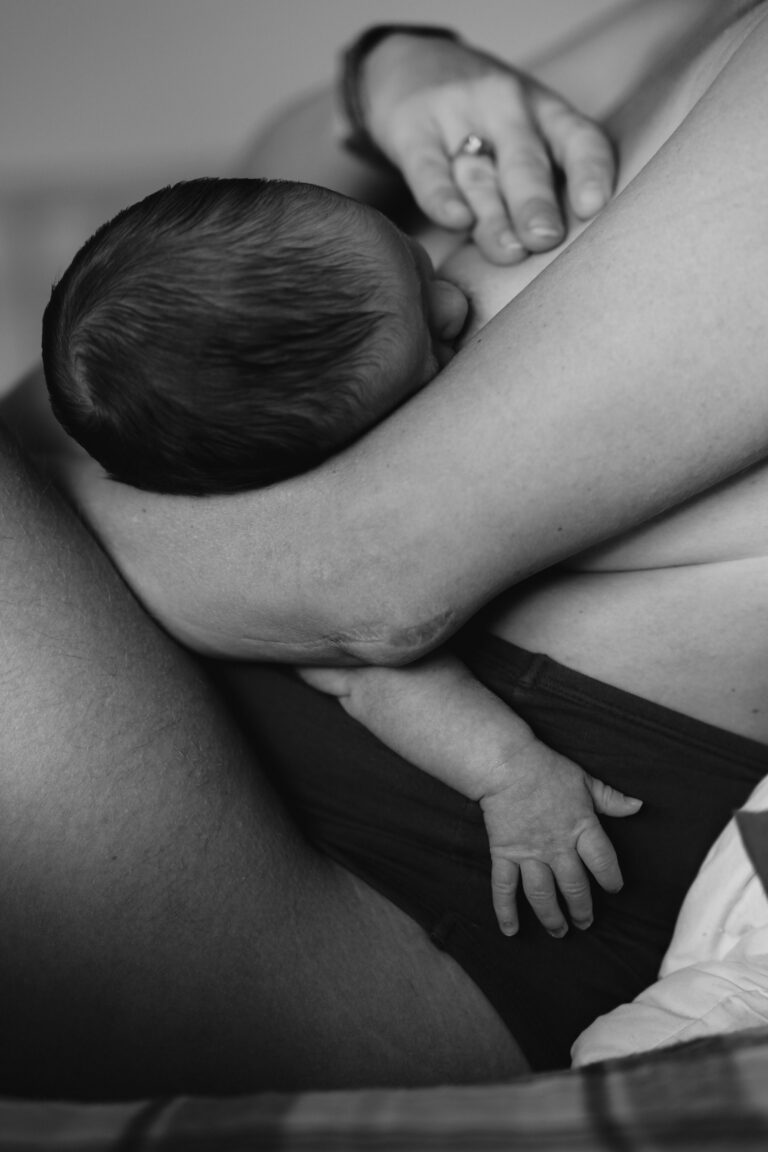

Welcoming a baby marks the beginning of the postpartum period, a phase overflowing with transformation—not only for the body but for emotional wellbeing and family rhythm too. Parents might wonder, “Will my body ever feel ‘normal’ again? When will my energy return? Is it usual to feel teary one moment and elated the next?” In these early months, every hour can bring a new question or symptom, making daily realities both fascinating and, at times, overwhelming. Physical discomfort, cycles of fatigue, sudden tears amid joy, and negotiations with one’s new parental identity are woven together. To help navigate this intense landscape, it’s helpful to know what to expect, understand normal versus concerning symptoms, and feel empowered about choices. Here, let’s explore the timeline, key body changes, mental health dimensions, feeding decisions, practical strategies and the medical nuances of recovery—so you can move forward with information, confidence, and reassurance, step by step as you build your life with your newborn.
Understanding the postpartum period: timeline and key changes
The postpartum period—also called puerperium by clinicians—refers to the time after delivery when the body is gradually returning to its pre-pregnant state. This journey is definitely not a sprint. While 6 weeks is often cited as the “standard” recovery window, your body, mind and routine may evolve for 6 months or even a year. To make sense of this, let’s break down the timeline:
- First hours after birth: your uterus contracts powerfully, blood loss is monitored, and feeding (breast or bottle) gets underway. Early skin-to-skin contact sets the tone for bonding and feeding rhythms.
- Acute phase (first 6–12 hours): intense monitoring but also the magic of those first few snuggles.
- Early days (2–7): lochia (post-birth vaginal bleeding) is usually bright red, while the colostrum in your breasts shifts toward mature milk. Many parents experience “baby blues”—tears, mood swings, anxiety—all mixed with physical exhaustion.
- Weeks 2–6: lochia lightens in color and flow, energy improves for short walks, perineal or cesarean wounds start to heal, and well-baby checks keep a watchful eye on feeding and weight gain.
- Months 3–6: pelvic floor and core strength slowly rebuild. Periods may return, especially if breastfeeding is not exclusive, but the rhythm varies greatly.
- Beyond 6 months: some people find their cycles, mood and daily stamina are finally closer to pre-pregnancy patterns—even as the identity of “parent” feels newly solid.
It’s worth noting: sleep, relationships, mental health, and hormonal changes continue to shape daily realities all along. Every path through the postpartum period is different, which is why patience and support matter so much.
Hormonal, physical and emotional shifts
What causes this rollercoaster effect? After delivery, pregnancy hormones such as estrogen and progesterone drop rapidly, while others (like prolactin, critical for milk production) remain high, especially if breastfeeding. These biochemical swings can lead to dramatic mood fluctuations and intense fatigue, and may amplify feelings of joy or sadness—sometimes both in a single hour.

Body changes follow their own rhythm. The uterus—roughly the size of a watermelon just after birth—shrinks back over weeks, while vaginal discharge (lochia) transforms from red to brown to yellow/white. For some, hair starts shedding a few months in (that ‘postpartum alopecia’), and skin changes or even acne can surface as hormones rebalance.
Identity, too, is reshaped. Matrescence—a term denoting the transition to motherhood—is a mosaic of pride, loss, self-doubt and growth. Not forgetting relationship dynamics: the balance of household roles, intimacy, and the search for shared rest. How one moves through this postpartum period depends as much on social and emotional support as on biology.
Physical recovery and common body changes
Uterus, bleeding and pain
Vaginal bleeding (lochia) is one of the hallmarks of the postpartum period. Initially, it’s bright red and plentiful, gradually tapering and changing color. By 4–6 weeks, most will notice light spotting; a minority may see discharge linger longer.
Afterpains—strong uterine cramps—are especially common during breastfeeding, triggered by oxytocin. While unsettling, they help the uterus shrink and curtail bleeding. If you find pain overwhelming, acetaminophen/paracetamol or NSAIDs (if safe for you) provide relief, but rest, hydration, and gentle movement also help.
Red flags? Soaking a pad in less than an hour, passing large clots, a foul odor, or fever call for swift medical attention. Retained tissue or uterine infection is rare but demands prompt treatment.
Perineal recovery after vaginal birth
If you had a vaginal delivery, minor tears or an episiotomy (small incision to prevent unpredictable tearing) may bring soreness, swelling, or bruising. Most superficial tears heal in 1–3 weeks, deeper wounds taking longer.
Practical steps—ice packs in the initial days, sitz baths (warm water soaks) after that, diligent hygiene with a peri bottle, sitting on cushions, and keeping the area dry—can all ease discomfort.
Warning signs that shouldn’t be ignored: persistent severe pain, wound breakdown, redness, or unusual drainage.
Cesarean recovery and incision care
Abdominal birth means a healing arc of 4–6 weeks just for the first stage. Expect swelling, tenderness, and sometimes numbness near the incision. Gentle walks help circulation; avoid heavy lifting or sudden twists.
Clean and dry incision care is vital. Monitor for redness, increased pain, or pus-like discharge. Breathlessness or swelling in one leg deserves immediate review—these can signal rare but serious clots.
Pelvic floor and core health
Pelvic floor muscles—the network supporting the bladder, uterus, and bowel—may be weakened, leading to “leaks” or a heavy sensation. Early, gentle Kegel exercises (engaging and releasing these muscles) are safe, even days postpartum, if comfortable.
Diastasis recti (a gap in the abdominal wall) appears in some—by lifting your head when lying down and feeling above or below your belly button, you might notice a gap. For symptomatic cases or significant bulging, targeted rehab under the supervision of a pelvic physiotherapist is wise.
Bowel, bladder and hemorrhoid care
Constipation happens often: drink more water, up your fibre (fruits, whole grains, dals), and, if needed, use a gentle stool softener. Hemorrhoids (swollen veins near the rectum) flare up too—witch hazel pads and warm baths do bring relief.
Bladder changes such as frequency or mild incontinence are common, but an inability to pass urine or intense burning indicate a possible urinary tract infection or, on occasion, damage requiring attention.
Skin, hair and hormonal shifts
The famed postpartum hair loss (telogen effluvium) usually strikes between months 2 and 4, lasting a few months before regrowth starts. Acne, melasma (skin darkening), or excessive sweating commonly make brief appearances too—gentle skincare and sun protection are your best allies.
Return of periods after birth: lochia, ovulation, contraception
What heralds the return of a menstrual cycle? After the placenta is delivered, the brain–ovary connection (the hypothalamic-pituitary-ovarian axis) does not snap back instantly. Instead, heavy lochia gives way to a pause—only then does the “true” period make its return.
For non-breastfeeding parents, hormones surge quickly: ovulation may restart as early as 4–6 weeks, and the first period arrives in about 6–8 weeks (though up to 12 weeks is normal). For those exclusively breastfeeding—particularly with night feeds—prolactin remains high, suppressing ovulation. No periods may occur for several months. A single, abrupt episode of heavier bleeding around days 10–14 (sometimes called a “little return”) is common and not always a proper period.
Important note: ovulation can occur before the first period. In practical terms, that means pregnancy is possible—contraception merits discussion, even before cycles have reappeared.
- Contraceptive options compatible with lactation include progestin-only pills, IUDs, subdermal implants, and condoms. The LAM (lactational amenorrhea method) is effective for birth spacing only with exclusive breastfeeding before 6 months with no period yet.
- Cups and tampons? Avoid internal menstrual products until wounds have healed and bleeding has stopped—usually after the 6-week check.
Mental and emotional health: between baby blues and new beginnings
Mood changes during the postpartum period come in waves. Roughly 70–80% of parents feel the “baby blues”—emotional fragility, irritability, sleep difficulty, and weepiness. These feelings typically subside by week two.
For 10–20%, more persistent symptoms suggest postpartum depression or anxiety: inability to enjoy baby, panic attacks, deep sadness, and trouble functioning. Untreated, these can affect both parent and child, impacting feeding and bonding. Screening tools like the Edinburgh Postnatal Depression Scale aid early identification; therapies include cognitive behavioural therapy, talk therapy, and, if required, medications compatible with breastfeeding.
Rarely, postpartum psychosis—marked by hallucinations, confusion, or unsafe behaviour—may develop. This is an emergency requiring rapid medical intervention.
Open conversation, practical emotional support, and small daily rituals for rest can help buffer vulnerable parents through this time.
Breastfeeding, pumping and feeding choices
The start of breastfeeding is a learning curve. Early skin-to-skin nurtures milk production, yet latch issues, engorgement, or painful nipples may disrupt plans. Lactation consultants make a genuine difference—don’t hesitate if discomfort persists.
If bottle or combination feeding, paced-bottle methods (upright holds, slow-flow teats, letting baby control the pace) guard against overfeeding. Always choose age-appropriate, iron-rich formula if supplementing.
Expressing milk? A quality pump, the correct flange size, and a regular routine (every 2–3 hours at first) maintain supply. Labelling, storing (refrigerated or frozen), and safe defrosting keep baby fed and healthy, whether at home or returning to work.
Nutrition, hydration and energy
Healing demands energy. Protein-rich foods (paneer, lentils, eggs), iron sources (haemoglobin recovery is slow if you’ve lost blood), and omega-3s (DHA from low-mercury fish or supplements) underpin recovery. Vitamin C and calcium—think citrus, leafy greens, dairy—keep tissues strong.
Hydration—aim for 2–3 litres daily if breastfeeding. Keep a bottle nearby during feeds and snack on high-water fruits or smoothies.
Radical diets? Not helpful now. A gradual approach—0.5–1 lb/week loss, only after medical clearance—sustains milk supply and mood.
Sleep, rest and managing fatigue
Disrupted sleep is unavoidable in the postpartum period—night feeds, unpredictable naps, and daytime drowsiness define the early weeks. Small daytime naps and a “split shift” approach with your partner (if possible) lessen exhaustion. Persistent fatigue that won’t resolve may signal anemia or thyroid concerns—ask for a health check (CBC, ferritin, thyroid panel) if you’re not bouncing back.
Movement and safe return to exercise
Start gentle: diaphragmatic breathing, pelvic floor tightening, and short walks can begin soon after birth, barring medical restrictions. More demanding routines—core work, running, heavy weights—are often delayed until 6 weeks post-vaginal birth or 8–12+ weeks after caesarean. Any surge in bleeding, heaviness or pain should prompt you to slow down and seek advice.
Sexual health, fertility, and contraception
Desire and comfort after birth vary immensely. Vaginal dryness, especially with breastfeeding, is common—water-based lubricants or, rarely, topical oestrogen (if prescribed by your doctor) can restore comfort.
Many resume sex after the 6-week review but personal readiness, emotional wellbeing, and contraception should be considered. Remember, ovulation is possible before the first menses.
Follow-up, tests and vaccinations
Post-birth check-ins—early in the first 1–3 weeks and a comprehensive review at 6–12 weeks—monitor mood, wound status, blood pressure, and feeding. For parents who had gestational diabetes, a glucose test after delivery assesses long-term risk. Vaccinations (Tdap, MMR, influenza, COVID-19) are reviewed and updated based on local recommendations; most are safe in breastfeeding.
Warning signs and complications: what deserves extra attention
- Heavy bleeding or clots
- Large wounds that aren’t healing or have increasing redness or discharge
- High fevers, breathlessness, leg pain or swelling
- Chest pain, faintness, or severe tummy pain
Any intent or thoughts of self-harm, harm to the baby, or sudden behavioural changes need urgent help.
Life logistics and practical supports
Home organisation makes daily rhythms smoother: feeding and diapering stations, pre-cooked meals, and a strategy for handling visitors reduce decision fatigue. Planning for work return? Sort out pumping logistics, freezer space, and know your local rights on breaks and privacy.
Special situations and complex recoveries
High blood pressure, diabetes, thyroid disorders, or a challenging birth demand close follow-up. Multiples, preterm deliveries and NICU adventures require synchronised support. If your journey included loss or trauma, compassion-driven care and access to bereavement counselling can help healing take root.
Cultural practices and postpartum traditions
Traditional postpartum rituals—confinement periods, gentle massage, special foods—can support rest and emotional connection. But be mindful: avoid anything raising infection risk or replacing medical assessment. Belly binding can be comforting, but pelvic rehab comes first if pelvic heaviness or pain linger.
Preparing before birth for a smoother recovery
Build your support circle, stock essentials, freeze nourishing meals, and jot down health contacts and feeding plans. If mental health struggles have ever touched your life, create a safety plan—know the warning signs for yourself, keep contacts handy, and identify which person can step in for the baby if urgent care is necessary.
Body image, confidence and self‑compassion
Your body will change for months, sometimes years. It’s more than appearance—it is about function, comfort, and the confidence to care for yourself and your baby. Choose soft, supportive clothes, set mini-goals, and celebrate each win—no matter how small. Comparing with others is a slippery slope; your path through the postpartum period is unique.
Partner, family, and community support
Day-to-day caregiving is lighter with active support: sharing nights, helping with household chores, and offering kind words. Building a “village”—with peer groups, doulas, helpful relatives, or trusted paediatricians—makes every challenge easier to shoulder.
Essential postpartum kit and home checklist
You may find relief with high-absorbency pads, a peri bottle for hygiene, sitz baths, ice or heat packs, pain relief as prescribed, nipple care items, and healthy snacks nearby. Clothes that are loose and easy for breastfeeding, a supportive pillow, and sturdy footwear enhance comfort too.
Milestones: tracking recovery and progress
Improvements reveal themselves—bleeding lessens, wounds knit, core strength grows, and leaks subside. As mood and stamina rise, you may feel more at ease caring for your baby, sharing moments with your partner, or even reimagining intimacy when ready.
Key takeaways
- The postpartum period unfolds over months, not just weeks. Healing is slow and layered, encompassing the body, mood, and daily routine.
- Lochia, a “little return” of bleeding, and the true resumption of periods all follow distinct patterns.
- Exclusive breastfeeding usually postpones periods and ovulation; mixed feeding or no breastfeeding may trigger cycles much earlier. Ovulation can precede the first menses—making contraception planning important.
- The LAM method works only under strict feeding and timing conditions. Progesterone-only contraception, IUDs, and condoms are compatible with lactation.
- Red flags—heavy bleeding, big clots, high fever, foul odor, severe pain—require immediate attention. Never ignore persistent sadness, anxiety, or thoughts of self-harm.
- Breastfeeding remains safe through periods; any drop in milk or fussiness in the baby is usually temporary.
- Prioritize sleep, nutritious food, hydration, and gentle rehab for pelvic muscles.
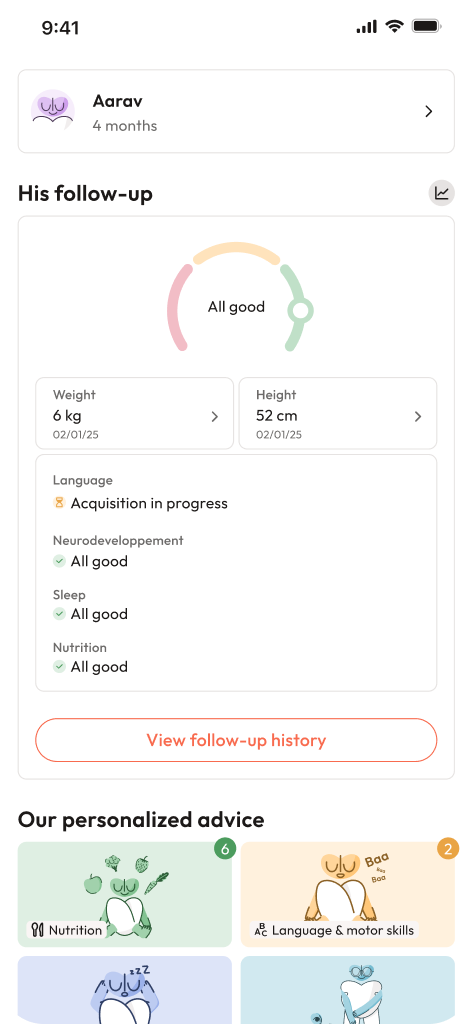
- Support and professional help are available at every step. For ongoing, personalised advice, download the Heloa app for free child health questionnaires and tailored tips.
Questions Parents Ask
Can I use tampons or a menstrual cup during the postpartum period?
Many parents are curious about this, which is completely valid. While lochia (post-birth vaginal discharge) is ongoing and tissues are still healing in those first few weeks, internal menstrual products—like tampons, cups, or discs—should usually be avoided. Pads or absorbent underwear enable you (and your doctor, if needed) to monitor bleeding closely and lower the risk of infection. Once the bleeding has stopped and your healthcare provider says the wounds are fully healed—commonly after the 6-week check—it’s generally okay to use tampons or a cup, if you feel comfortable. Any fever, foul-smelling blood, new pain or unusual bleeding should always prompt you to stop using internal products and check with your doctor.
Can I get my period while I’m still having lochia?
Lochia and periods, though both involve vaginal bleeding, are not the same thing. Lochia is the body’s way of cleaning out the womb after birth, fading in amount and changing in colour week by week. True periods only start after lochia mostly finishes and there’s a gap with almost no bleeding. Occasionally, you might encounter a brief fresh burst of bleeding around days 10–14 (sometimes nicknamed a “little return”)—typically this is not the true period. Sudden, heavy blood loss, strong odour, fever, or dizziness all call for prompt review. Uncertainties about what you’re seeing are quite normal—if in doubt, a call to your provider clarifies everything.
When is it safe to have sex after giving birth?
No fixed rule applies here. The best answer hinges on your comfort, the type of delivery, and how wounds are healing. Several doctors suggest waiting until after the 6-week postnatal visit, but there’s no universal mandate. When you decide to resume sex, use contraception if pregnancy is not wanted—since ovulation may come before the first period. Go gently, use lubrication if vaginal dryness is bothersome, and speak openly with your partner about comfort and boundaries. Any sharp pain, bleeding, fever, or concern about healing must prompt a chat with your doctor or a pelvic physiotherapist.

Further reading: