Mornings can feel like a mini-marathon. One child can’t find socks, another is negotiating breakfast, and suddenly the school bus time is staring right at you. Bedtime, too, can stretch (one more sip of water, one more story, one more hug). In these high-frequency moments, a reward chart often looks like a simple, calm way to bring order without turning parenting into constant policing.
A reward chart makes expectations visible, tracks small wins, and supports repetition until a skill becomes easier. Not a report card. Not a label. More like a gentle structure that helps your child remember, organise, and follow through.
Why a reward chart feels so helpful in real Indian family life
Many Indian homes run on tight timing (school, tuition, playground, family visits, festivals, travel). Children thrive on predictability, but their brain systems for self-control are still developing.
In simple medical terms, executive functions (planning, impulse control, mental flexibility) mature gradually through childhood. A reward chart acts like an external prompt, something the child can see and understand, especially during transitions (play → bath → dinner).

- “Check your chart, beta” lands differently than “How many times should I tell you?”
- The rule is written down, not argued about.
- Conversations become shorter and calmer.
Reward chart meaning: a simple definition parents can use
A reward chart is a visual system where a child earns a mark (sticker, star, tick, token) for completing a specific, observable behaviour. After collecting enough marks, the child receives a planned reward.
In behavioural science, this is positive reinforcement: when a behaviour is followed by something pleasant, that behaviour is more likely to happen again.
Used well, a reward chart is not about “good child/bad child.” It’s about teaching one skill at a time.
How a reward chart works: fast feedback, clear rules
Positive reinforcement is strongest when the feedback is quick and the target is clear.
- Pick an action that an adult can see or hear (not a feeling).
- Give the token immediately after success.
- Build tokens towards a reward that matters to your child.
Younger children live in the “now.” If the reward is too far away, the brain doesn’t connect the dots.
Key parts of a reward chart: goals, tokens, milestones, rewards
A sturdy reward chart usually includes:
- Goals: 1–3 behaviours, written positively (example: “Brush teeth before pyjamas”).
- Tokens: stickers, stars, smiley faces, points, marbles (avoid small items for toddlers).
- Milestones: a small target (today) and sometimes a weekly target.
- Rewards: privileges and experiences often work best (extra story, choosing dinner menu, special playtime).
Thumb rule: the younger the child, the more immediate the milestone.
Reward chart vs sticker chart vs behaviour chart vs responsibility chart
- Reward chart: any system linking a target behaviour to a reward.
- Sticker/star chart: a reward chart where the token is a sticker (great for toddlers and preschoolers).
- Behaviour chart: targets 1–3 skills like “calm voice” or “gentle hands.”
- Responsibility chart: focuses on family participation, setting plates, putting clothes in the laundry basket, feeding a pet.
Reward chart vs routine chart: structure plus motivation
A routine chart shows sequence: morning steps, after-school steps, bedtime steps. It provides predictability.
A reward chart adds extra motivation by spotlighting one or two actions that need practice.
If you are thinking, “Will I end up giving stars for everything?” That concern is valid. Fewer goals works better.
When a reward chart helps (and when it may not suit)
A reward chart can help when:
- you are teaching a new routine (morning, bedtime, homework start)
- reminders are becoming constant
- your child responds well to visual cues
It may not be the best fit when:
- the goal is vague (“be good”) or emotionally loaded
- the chart becomes a daily source of stress
- adults can’t apply it consistently right now (new baby, exams, relocation)
Why reward charts can work without pressure
Positive reinforcement, explained simply
A behaviour followed by a pleasant consequence becomes more likely to repeat. Pleasant can be tiny: a sticker, a smile, a few minutes of play.
What strengthens learning is specific encouragement:
- “Good job”
- “You put your shoes on before the timer rang, smart planning.”
Supporting autonomy: making the child an active partner
A reward chart can build early self-organisation. Your child checks the chart, places the token, and sees progress. If a task is too big, break it down (shirt first, then trousers, then socks).
Extrinsic vs intrinsic motivation: avoiding the “only for the prize” trap
At the beginning, motivation is often external. That’s normal.
To keep balance:
- keep goals few
- praise effort and strategy
- slowly fade rewards (less frequent, more symbolic)
Clear rules reduce friction
When you decide together what counts and when you will review, the dynamic shifts from “obey” to “cooperate.” If a day falls apart, look for clues: fatigue, hunger, rushed transitions.
Parenting approaches and a reward chart: keeping it respectful
Montessori-inspired lens: environment makes success possible
A reward chart works best when the task is physically doable. Stool near the sink, easy-open bottles, clothes in reachable drawers, small changes can bring quick wins.
Positive discipline lens: firm boundaries, warm connection
Phrase goals positively:
- “I walk indoors” rather than “Don’t run.”
What a reward chart is not: punishment or bargaining
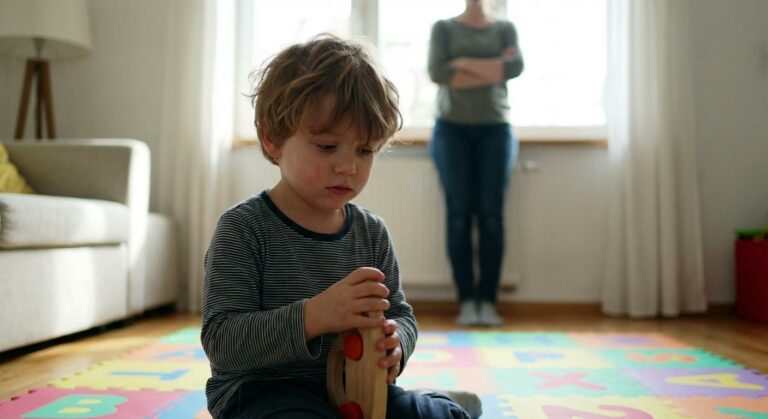
If you notice shame or repeated meltdowns around the chart, pause and simplify. Also avoid bargaining mid-meltdown, calm first, then offer the next chance to succeed.
Choosing the right reward chart format (and keeping it safe)
Printable reward chart: easiest to start
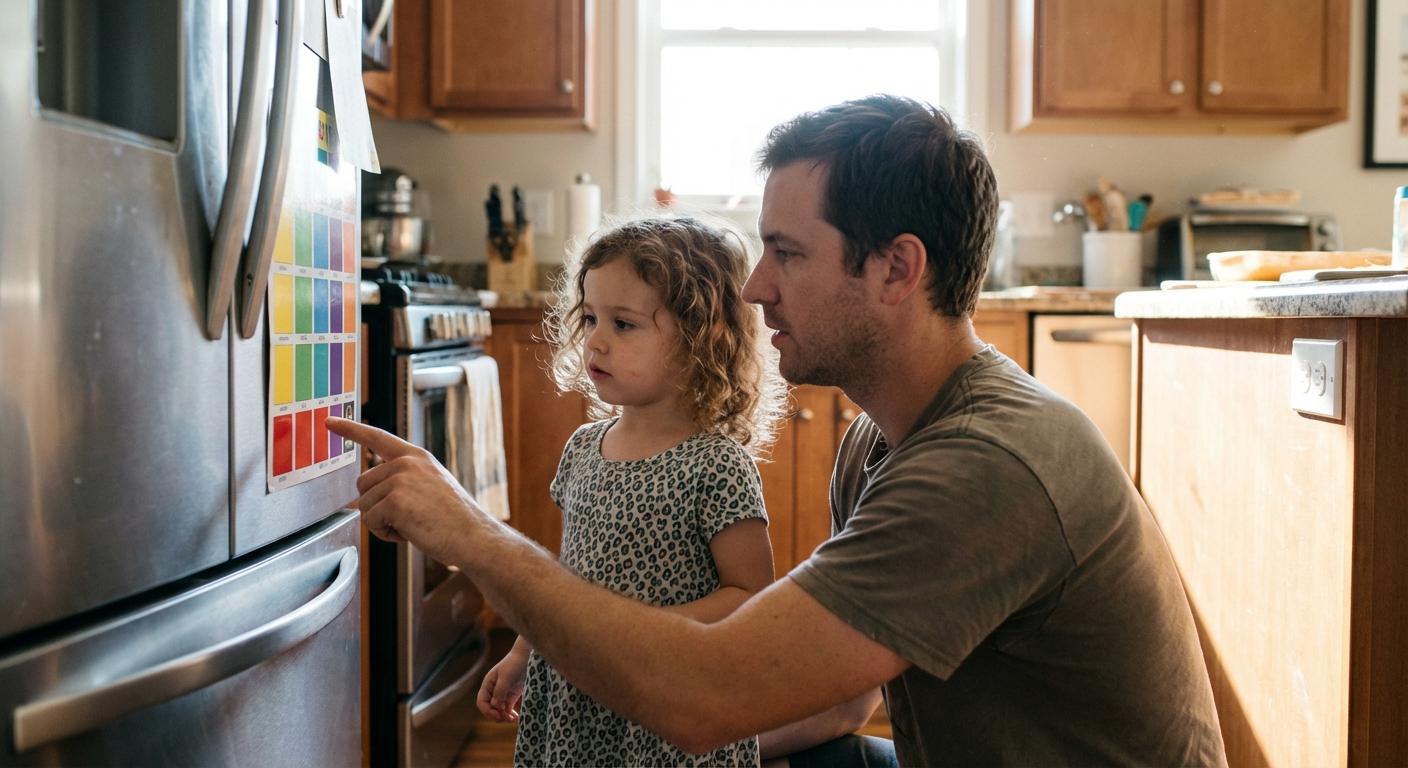
Print, try, tweak. Place the reward chart at eye level (fridge door, wardrobe, study corner).
Magnetic reward chart: durable, but safety first
Small magnets are dangerous if swallowed (multiple magnets can trap bowel tissue). For young children, avoid small pieces and supervise.
Velcro reward chart: interactive and reusable
Velcro feels satisfying. Choose large pieces and store them safely, especially if your child still mouths objects.
Digital reward chart: handy for older kids
Useful when caregivers share tracking or an older child prefers privacy. Many families like a hybrid: printable for the child + a private adult note.
Reward chart by age: setups that match development
Toddlers (2–3): micro-goals, immediate reward
- 1–2 picture goals
- token immediately
- reward the same day (extra story, quick game, special time)
Avoid small tokens and loose magnets.
Preschoolers (3–5): picture routines and quick wins
- 2–3 goals
- picture steps
- daily sticker plus a simple weekly privilege
Use concrete language: “Toys in the box when the timer beeps.”
Early school age (5–7): collaboration and brief review
Targets can include packing the school bag, setting the table, or starting homework at a fixed time. A 2–5 minute evening review keeps the reward chart realistic.
Older kids (7–12) and teens: autonomy and meaningful privileges
Older children can self-monitor a bedtime checklist, homework planning, or a steady household task. Teens usually prefer privacy and collaboration, with rewards like agreed device windows or social plans. If anxiety is present, keep it supportive and flexible.
Reward chart goals that work well at home
Choose 1–3 observable, measurable behaviours
- “In bed by 9:30, lights off” is clearer than “go to bed nicely.”
Examples:
- “After dinner, put plate in the sink.”
- “Put on pyjamas, then choose a story.”
- “Lego in the box before dinner.”
- “Ask for help when stuck.”
Morning and bedtime routines
Daily repetition makes routines perfect for a reward chart.
- Morning: dressed, teeth, breakfast, bag by the door
- Bedtime: pyjamas, teeth, story, lights out
Rewards and tracking: motivating without escalation
- Non-material rewards often work best: story choice, 10 minutes play, park time, choosing family music.
- Keep material rewards rare and small.
- Match frequency to age (younger children need quicker milestones).
Fixing common reward chart problems
- Motivation dropping? Bring the reward closer and offer choices.
- Goals too hard? Break tasks into steps.
- Adults inconsistent? Reduce goals and use short scripts.
- Pressure rising? Pause, simplify, or use a routine chart for a while.
À retenir
- A reward chart can reduce repeated reminders and make expectations visible.
- Aim for 1–3 positive, observable goals.
- Immediate tokens plus specific encouragement strengthen learning.
- Keep materials safe: avoid small tokens and magnets for young children.
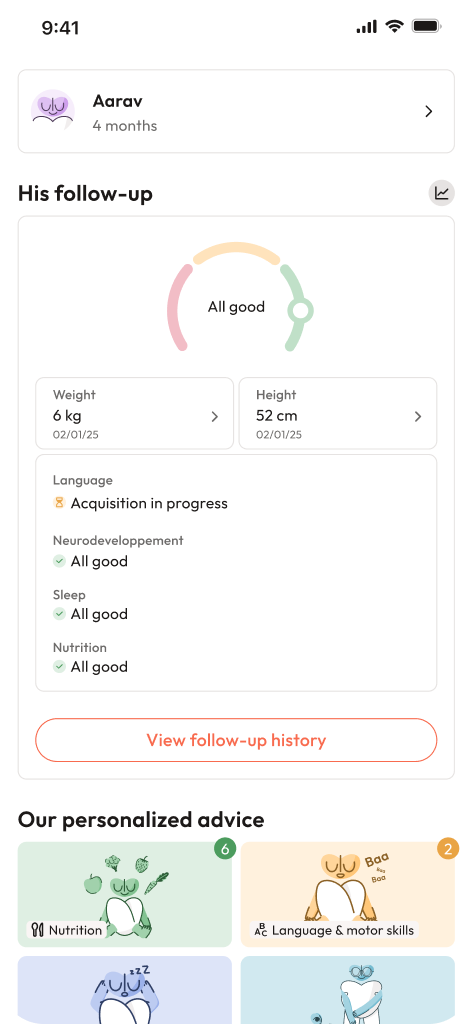
If you’d like personalised tips and free child health questionnaires, you can download the Heloa app.