Watching child seizures can feel unreal: one moment your little one is fine, the next there is shaking, staring, or a sudden going limp that makes your heart race. Many parents immediately wonder: Was it fever? Was it epilepsy? Did I do the right thing? The reassuring part is that many child seizures are brief, several causes are treatable, and a few calm actions can keep your child safe while help is arranged.
Child seizures: what they are and why they can look different
What a seizure is and what happens in the brain
A seizure is a short period of abnormal electrical activity in the brain. Neurons normally “talk” to each other through electrical and chemical signals. During child seizures, a group of neurons fires too fast and too synchronised, temporarily disturbing networks that control movement, awareness, speech, sensation, emotions, and autonomic functions (breathing pattern, heart rate, skin colour).
Seizures may be:
- Convulsive: stiffening, rhythmic jerking, sudden fall or loss of tone.
- Non-convulsive: blank staring, brief unresponsiveness, or repetitive behaviours.
They can start in one region (focal onset) or involve both sides from the start (generalised onset). What you see depends on which brain circuits are involved, so child seizures can look very different in different children.

Seizure, convulsive seizure, and epilepsy: what’s the difference?
- Convulsive seizure: visible motor signs.
- Seizure (epileptic seizure): abnormal brain electrical activity, convulsive or not.
- Epilepsy: a tendency to have recurrent, unprovoked seizures.
So, a child may have child seizures once (especially with fever) without having epilepsy.
Why seizures can look different by age
- Infants: eye deviation, brief stiffening, lip-smacking/chewing, sudden limpness, breathing pauses, colour change around the mouth. Infantile spasms may appear in clusters of quick head/neck/trunk movements around sleep.
- Toddlers: fever-triggered seizures are common, focal seizures may show repetitive movements or a short “zoned out” look.
- School-age children: may describe an aura (warning sensation) such as a strange taste/smell, déjà vu, or rising fear.
- Teens: patterns like juvenile myoclonic epilepsy may appear, often worsened by sleep loss.
How common child seizures are
Seizures are not rare. Around 5% of people will experience at least one seizure in their lifetime.
Typical age windows:
- Febrile seizures: 6 months to 5 years (peak 12–18 months)
- Infantile spasms: mainly in the first year
- Absence seizures: often start around age 4
After age 5, a seizure linked to fever is less typical, so medical evaluation becomes more important.
Causes and risk factors
Provoked vs unprovoked seizures
Doctors often classify child seizures as:
- Provoked (acute symptomatic): due to a temporary trigger (fever, hypoglycaemia, electrolyte imbalance, toxins).
- Unprovoked: no temporary trigger found, suggesting an ongoing predisposition.
Fever and infections
Febrile seizures occur in about 2–5% of children. Fever can lower the seizure threshold, especially if temperature rises quickly.
Common settings include viral fever, colds, stomach infections, ear infections, influenza, and sometimes fever after vaccination.
More serious infections can involve the brain:
- Meningitis
- Encephalitis
Urgent warning signs: persistent confusion, very unusual sleepiness, severe headache, stiff neck, repeated vomiting, a purplish rash, or a child not returning gradually towards baseline.
Metabolic causes (blood sugar, electrolytes, vitamin B6)
The brain needs steady fuel and stable salts. Reversible triggers include:
- Hypoglycaemia
- Abnormal sodium
- Hypocalcaemia
- Hypomagnesaemia
Vomiting, diarrhoea, dehydration, or very reduced intake can trigger child seizures, especially in infants.
In some babies, rare but treatable metabolic conditions may present with seizures, including vitamin B6–responsive seizures. Clues: very early onset, poor feeding, unusual sleepiness, developmental concerns, or seizures not responding as expected.
Structural and injury-related causes
Possible links include head injury, bleeding, stroke, tumours, or brain malformations (for example cortical dysplasia). Mention any significant fall, severe headache, or weakness in an arm/leg after the event.
Medication, substance, and toxin-related causes
Some medicines and toxins lower the seizure threshold. Toddlers are at risk of accidental ingestion, if there is any possibility, inform the clinician promptly.
Genetic causes and epilepsy syndromes
Many paediatric epilepsies have a genetic basis, sometimes with a family history, sometimes due to a new genetic change. They may come with specific seizure types and typical EEG patterns.
When no clear cause is found
Sometimes, even after evaluation, no clear cause is identified initially. A normal MRI or EEG does not always exclude epilepsy.
Types of child seizures parents may see
Generalised seizures
These involve both sides of the brain from the start. Parents may see stiffening, rhythmic jerking, loss of awareness, drooling, eye deviation, and colour change. Some children may bite the tongue or pass urine.
Many convulsive child seizures last seconds to a few minutes. Afterward, the postictal phase may include sleepiness, confusion, or headache.
Focal seizures
- Focal aware: the child is awake but feels an odd sensation, sudden fear, rising stomach feeling, or twitching in one area.
- Focal impaired awareness: staring, reduced response, and automatisms (lip-smacking, rubbing hands, picking clothes), followed by confusion.
A focal seizure can spread and become a tonic-clonic seizure.
Febrile seizures (simple vs complex)
Typical age: 6 months to 5 years.
- Simple: generalised, under 15 minutes, once in 24 hours, quick recovery.
- Complex: over 15 minutes, repeats in 24 hours, or focal features.
Recurrence happens in about 20–40% after the first. Risk is higher if the first episode is before 18 months, there is family history, or the seizure happens early in the fever.
Later epilepsy risk stays low overall, but rises with complex febrile seizures, family history of epilepsy, or atypical development.
Infantile spasms
These can look like quick repeated “crunching” movements: head drops, arm flings, body flexion, often in clusters on waking or falling asleep. Because this pattern can affect development and has a typical EEG signature, prompt assessment matters.
Status epilepticus
Emergency definition:
- one seizure lasting 5 minutes or more, or
- repeated seizures without full waking in between.
Signs and symptoms: how to recognise a seizure
Seizure phases
Some children show:
- Prodrome: hours to days of “something is off” (irritability, headache, sleep change).
- Aura: seconds to minutes of warning (strange smell/taste, déjà vu, sudden fear, rising stomach sensation). An aura is a focal seizure.
- Ictal: the seizure.
- Postictal: recovery.
Subtle signs in infants
- Repeated eye deviation
- Lip-smacking or chewing motions
- Brief stiffening or sudden limpness
- Bluish colour around the mouth
- Breathing pauses
After a seizure
Sleepiness and confusion are common. Gradual improvement and normalising breathing are reassuring.
Temporary one-sided weakness (Todd’s paralysis) can happen and needs urgent assessment.
What to observe and record
For doctors, details are gold:
- Start and end time (use a clock)
- Fever/illness, missed medicines, sleep loss, stress, possible ingestion
- What happened first, then next
- Breathing/colour changes, injuries
- Time taken to return towards baseline
If safe, a short video (face + whole body) can help. Do not delay first aid.
Conditions that can look like seizures
Some events mimic child seizures:
- Syncope (fainting)
- Breath-holding spells
- Night terrors
- Tics and stereotypies
- Daydreaming (responds to voice/touch)
- Sandifer syndrome (reflux-related posturing)
- Migraine variants
- Psychogenic nonepileptic events (often clarified with video-EEG)
Diagnosis and medical evaluation
What clinicians ask and check
They will ask about before/during/after, duration, triggers, injuries, recovery, fever, sleep, medicines, family history, pregnancy/birth history, and development. A neurological exam looks for focal signs.
EEG options
An EEG measures brain electrical activity. It may be routine, sleep-deprived, or prolonged video-EEG. A normal EEG does not rule out epilepsy.
Brain imaging (MRI vs CT)
MRI is preferred for most planned evaluations. CT is used in urgent settings like significant head injury or suspected bleeding.
Blood tests and lumbar puncture
Glucose and electrolytes are commonly checked. In infants or concerning situations, metabolic testing and toxicology may be added. Lumbar puncture is considered if meningitis/encephalitis is suspected.
Febrile seizure workup
After a typical simple febrile seizure with quick recovery and a normal exam, EEG/imaging/lumbar puncture are not routinely required unless warning signs are present.
What to do during child seizures
Step-by-step first aid
1) Note the start time (the 5-minute rule matters).
2) Move hazards away, cushion the head, loosen tight clothing.
3) Turn your child to the side when possible.
4) Watch breathing and skin colour.
5) Stay until fully awake.
What to avoid
- Do not restrain.
- Do not put anything in the mouth.
- Do not give food, drink, or medicine by mouth until fully awake.
When it’s urgent or an emergency
Call emergency services immediately if
- The seizure lasts 5 minutes or more
- Seizures repeat without full recovery
- Breathing is abnormal or your child turns blue/grey
- Serious injury, major head trauma, or seizure in water
- Your child does not wake up as expected
When to contact a doctor soon
After a first seizure (including a first febrile seizure), if episodes repeat or change, or if development seems to regress.
Treatment options
Treating based on the cause
Treatment focuses on the cause: infection treatment, correcting glucose/electrolytes, managing head injury, or addressing a structural issue. Recurrent or unprovoked child seizures may require antiseizure medicines.
Fever management
Fever medicine improves comfort but does not reliably prevent another febrile seizure. Fluids, light clothing, and rest help.
Anti-seizure medicines and rescue medicines
Daily medicines are chosen based on seizure type and syndrome. Some families are prescribed rescue medication for prolonged seizures (dose by weight, timing, and when to call emergency services), often with training for home and school.
Specialised care for selected cases
For difficult-to-control epilepsy, options may include ketogenic diet therapy, surgery, or neuromodulation such as vagus nerve stimulation, under specialist care.
Living day to day: safety, routines, and support
Regular sleep, meals, hydration, and taking medicines on time can reduce risk. Water safety needs close adult supervision. Schools and caregivers should have a written seizure action plan.
To remember
- Child seizures can be subtle or dramatic, age and seizure type affect the appearance.
- A convulsive seizure does not automatically mean epilepsy.
- Febrile seizures are common from 6 months to 5 years and usually have an excellent long-term outlook.
- Time the event and note the first sign, a short safe video can support diagnosis.
- First aid is about safety, side positioning, and watching breathing.
- Call emergency services for seizures lasting 5 minutes+, repeated seizures without recovery, breathing problems, serious injury, or water-related events.
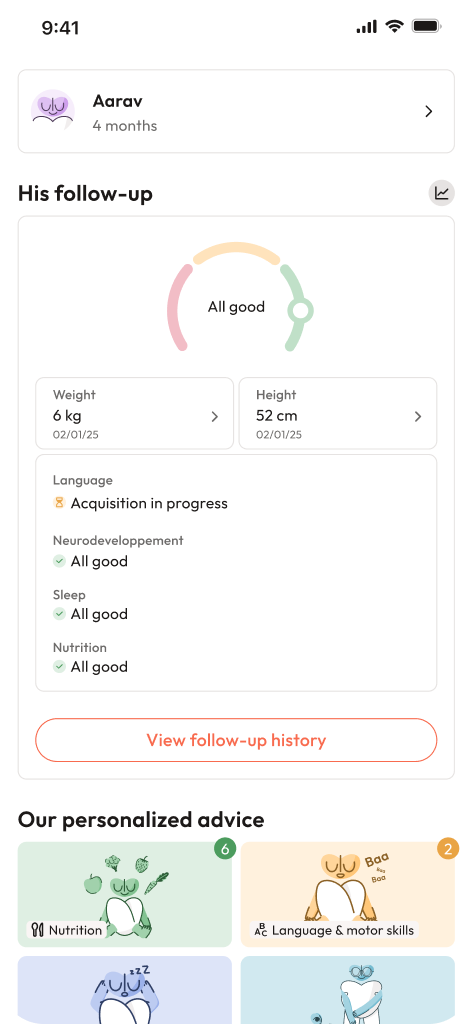
If you are unsure about the diagnosis, or episodes repeat, your paediatrician can guide next steps and refer to a paediatric neurologist when needed. You can also download the Heloa app for personalised guidance and free child health questionnaires.

Further reading: