When meals become a daily worry, your child eats only a few “safe foods”, takes forever to finish, gags with small lumps, or panics after a choking episode, it’s natural to ask: is this just a phase, or is something else going on? Avoidant/restrictive food intake disorder can sit behind these patterns. It is real, it is treatable, and it can affect growth, immunity, mood, energy, and school participation.
Parents often get stuck between two extremes: “Don’t make a fuss, they’ll eat when hungry” versus “They will fall sick if they don’t eat now.” Neither feels right. A calmer, medical-and-behavioural approach helps: check for pain and swallowing safety, correct nutrition gaps, and gently rebuild comfort with food, one small step at a time.
Understanding Avoidant/restrictive food intake disorder (and why it can look like a feeding skills issue)
Avoidant/restrictive food intake disorder is a recognised feeding and eating disorder where a child (or teen, or adult) eats too little and/or eats a very limited range of foods, leading to clear health or day-to-day consequences.
A key point: Avoidant/restrictive food intake disorder is not driven by body image concerns (no wish to lose weight, no fear of gaining weight, no preoccupation with shape).

In young children, it can overlap with feeding skills difficulties:
- Oral-sensory sensitivity (texture, smell, temperature, mouth-feel)
- Oral-motor challenges (chewing, tongue movement, bolus control)
- Fear and anticipation (after vomiting, choking, reflux pain)
So sometimes it looks less like “won’t eat” and more like “eating feels hard, unsafe, or exhausting.”
The three common ARFID patterns (often mixed)
Clinicians usually see three pathways, often blended:
- Sensory-based avoidance (texture, smell, appearance, mixed textures)
- Fear of aversive consequences (choking, vomiting, nausea, reflux pain)
- Low interest/low appetite (quick fullness, low hunger cues, forgetting to eat)
You may see one pattern at first and then another later. For example, a toddler may start with low interest, then after one vomiting episode becomes strongly fear-based.
ARFID, picky eating, and medical causes: what’s different?
- Avoidant/restrictive food intake disorder vs picky eating: picky phases are common in India too. Typical picky eating usually does not cause nutrient deficiencies, growth faltering, or major social disruption. Avoidant/restrictive food intake disorder is more persistent and more impairing.
- Avoidant/restrictive food intake disorder vs anorexia nervosa: anorexia is tied to body image concerns. ARFID is not.
- Avoidant/restrictive food intake disorder vs medical causes of refusal: GERD, constipation, dental pain, eosinophilic oesophagitis, food allergy/intolerance, and other medical problems can reduce intake.
- Avoidant/restrictive food intake disorder vs dysphagia: swallowing difficulty can cause coughing, choking, wet voice, airway symptoms, or marked fatigue during meals. Safety must be handled first.
When food refusal reflects oral feeding difficulties (sensory, motor, emotional)
Many parents describe a baby who pushes the spoon away, keeps food in the mouth, gags on tiny lumps, or vomits when the texture changes. Over time, meals may become long and tense.
The goal is not to force eating. The goal is to identify what is blocking progress (pain, strong oral sensitivity, chewing fatigue, anxiety) and rebuild safety first, then pleasure.
Three dimensions that often add up
- Sensory: textures, odours, temperatures, mouth-feel can trigger gagging, nausea, stiffening, or avoidance.
- Oral-motor: suction, bolus management, chewing, coordination between breathing and swallowing, tongue movements.
- Emotional/behavioural: refusal, anxiety, negative anticipation. If a child expects discomfort, restricting feels protective.
These factors can intensify Avoidant/restrictive food intake disorder and guide treatment (skill-building plus exposure).
Signs and symptoms parents can notice
Eating behaviours and avoidance patterns
You may notice:
- Very limited variety with strong refusal beyond the safe list
- Sensory avoidance (lumpy or mixed textures, strong smells, certain temperatures)
- Low-interest eating (small portions, quick fullness, minimal hunger cues)
- Fear-based avoidance after choking, vomiting, nausea, or reflux pain
- Rigid rules: specific brand, shape, colour, “only crunchy”, “only one item per plate”
- Long meals, ritualised eating, skipped meals
Texture-related red flags (especially in babies and toddlers)
Texture transitions are often a strong clue.
- Persistent difficulty moving to lumps/solids beyond around 8 months
- Limited mouthing/oral exploration between 0 and 24 months
- Only smooth purees beyond around 16 months
- Strong gagging, nausea, or vomiting with thicker purees, grainy textures, micro-pieces, mixed textures (dal with bits, curd with fruit pieces)
- Holding food in the mouth (pocketing) for a long time
- Meals frequently longer than 30 minutes
A question many parents ask: “Should I stop giving solids if gagging happens?” Occasional gagging can be part of learning, but repeated distress, vomiting, or refusal that persists needs assessment. Sometimes the right step is not stopping forever, it is stepping back one texture level and practising calmly.
Hypersensitivity and hyposensitivity: two sensory profiles
- Hypersensitivity: sensations feel “too much” (sticky textures, cold foods, strong masalas, tiny granules).
- Hyposensitivity: sensations feel “not enough”, a child may seek chewing/biting/mouthing and may not notice pocketing.
Oral-motor clues that can affect eating
Parents may observe:
- Tongue pushing food out or storing food in the cheek
- Poor lip closure (leaking)
- Chewing that stays front-only with quick fatigue
What keeps ARFID and feeding avoidance going
The avoidance cycle
A common loop is: restricted intake, then anxiety or discomfort reduces temporarily, then avoidance feels helpful, then avoidance strengthens, and variety narrows further.
Pressure to eat can raise arousal and make eating harder, especially with sensory sensitivity or fear.
Triggers and maintaining factors
- Medical discomfort: GERD, oesophagitis, constipation, abdominal pain, nausea, dental pain
- Negative experiences: choking, vomiting, intense gagging
- Early invasive care: feeding tubes or intubation can leave negative mouth-related memories
- Mismatch in texture progression: too hard too soon, or staying too uniform for too long
- Fatigue: overtired children tolerate novelty less well
Physical and nutritional warning signs
Sometimes Avoidant/restrictive food intake disorder shows up on the growth chart before it is obvious at the table.
Watch for:
- Weight loss, poor weight gain, or growth faltering
- Fatigue, dizziness, frequent headaches, pallor, low stamina
- Constipation, dehydration (dark urine, dry mouth), frequent infections
- Nutrient gaps depending on the diet pattern: iron, zinc, vitamin D, calcium, also B12, folate, omega-3 fats, fibre, protein
- Heavy reliance on oral supplements, or in severe cases tube feeding
Clinicians may consider labs such as CBC (for anaemia), ferritin/iron studies, vitamin D, and selected micronutrients when indicated.
In India, many children already have low iron stores or vitamin D before food restriction becomes obvious. If your child has Avoidant/restrictive food intake disorder, early blood tests may help the care team decide whether food-first strategies are enough or whether a supplement is needed for a period.
Emotional and social impact
Avoidant/restrictive food intake disorder is not only “about food.” It can take over routines.
Parents may notice:
- Mealtime distress: tears, panic, gagging, anger, shutdown, intense bargaining
- School impact: difficulty eating tiffin at school/daycare, poor concentration from low intake
- Social avoidance: refusing restaurants, birthday parties, travel, eating with friends
Who can be affected
Avoidant/restrictive food intake disorder can affect children, adolescents, and adults.
Risk factors can include autism traits or ADHD, anxiety disorders, obsessive-compulsive traits, depression, a history of choking/vomiting, painful reflux, swallowing problems, ongoing GI symptoms, and long-standing selective eating.
Protective factors include early identification, supportive structure at meals, coordinated care, and a plan that reduces avoidance without blame.
DSM-5 diagnosis in plain language
Clinicians diagnose Avoidant/restrictive food intake disorder when restrictive intake leads to one or more:
- Significant weight loss or failure to gain weight with faltering growth
- Significant nutritional deficiency (for example, iron-deficiency anaemia)
- Dependence on oral supplements or tube feeding
- Marked interference with psychosocial functioning (school meals, friendships, family routines)
They also check it is not explained by food scarcity, cultural practice, body image concerns, or a medical condition alone.
Screening and assessment
A well-rounded evaluation may include:
- Growth curves and weight trajectory
- Diet review (calories, protein, fluids, food-variety count)
- Psychosocial review (anxiety, mood, rigidity, school functioning)
- Mealtime observation when possible
Teams may include a paediatrician, dietitian, and therapist. OT and/or SLP may be added when sensory processing, chewing, or swallowing safety is a concern.
Evidence-based treatment options
Treatment goals and what progress can look like
Treatment aims for adequate nutrition and better functioning, not “winning” meals.
Progress may look like:
- more reliable energy and protein intake
- increased variety and flexibility
- less distress and fewer avoidance behaviours
- better participation in school lunch, family functions, travel
Psychotherapy approaches
CBT-AR (cognitive behavioural therapy for ARFID) uses psychoeducation and graded exposure, plus skills for fear of choking/vomiting and distress tolerance.
FBT-AR (family-based therapy for ARFID) supports parents to provide structure early, with gradual return of control as stability improves.
Gradual exposure and texture progression
A common micro-step ladder: look, touch, smell, lips, lick, bite, chew, swallow.
Texture changes are guided: smooth liquids, smooth puree, thicker puree, soft/meltable textures, then small pieces. If a step is too big, the team adjusts temperature, thickness, or piece size.
Nutrition and medical support
Dietitian-led care focuses on calorie adequacy and correcting deficiencies with targeted supplementation. Medical monitoring can track growth, hydration, vitals, and labs.
OT can support sensory participation and practical strategies. SLP assesses swallowing safety and can guide texture progression.
Living with ARFID at home, daycare, school, and beyond
Supportive mealtime structure (without pressure)
- predictable meal and snack times
- reduce high-arousal distractions (screens, bargaining)
- calm modelling: family eats without constant commentary
- praise brave steps (smell/touch/lick)
- keep meals reasonably timed
Building flexibility step by step
- start with the easiest changes first
- use food chaining (new brand, slightly different shape, tiny texture shift)
- keep practice doses small and frequent
If you feel tempted to “bargain” every bite, pause and ask: what is the smallest doable step today? A child with Avoidant/restrictive food intake disorder improves faster with predictable practice than with high-pressure deals.
Coordinating with daycare or school
A short plan helps: current safe foods, current goal (for example, touching), reasonable meal duration, and what to do if refusal happens.
When to seek support quickly
Seek medical assessment promptly if you notice rapid weight loss, fainting, marked lethargy, dehydration, persistent vomiting, choking/coughing with meals, wet voice, or difficulty swallowing. Support is also warranted if the safe-food list keeps shrinking, meals often exceed 30 minutes, or texture progression is stalled well beyond expected timelines.
Prognosis and longer-term outlook
Improvement is common with timely, coordinated care. Recovery is often gradual: more foods tolerated, fewer rigid rules, and easier participation in school and family routines.
Key takeaways
- Avoidant/restrictive food intake disorder involves restrictive intake without body image concerns, with real health and/or daily-life impact.
- It can overlap with sensory sensitivity, oral-motor challenges, reflux pain, and anxiety.
- Watch for growth faltering, suspected deficiencies (often iron and vitamin D), distress, and social avoidance.
- Treatment often combines nutrition support, exposure-based therapy (CBT-AR/FBT-AR), and medical monitoring, with OT/SLP input when needed.
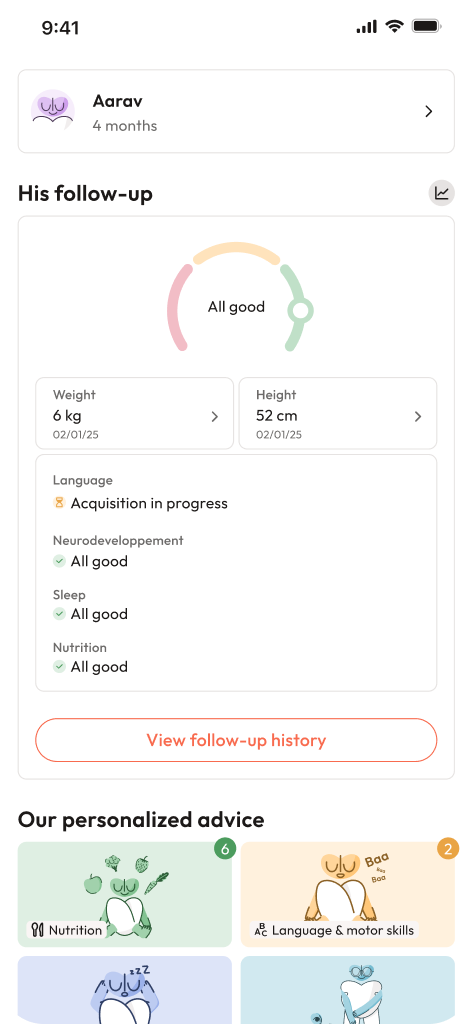
- Professionals can support families step by step. You can also download the Heloa app for personalised guidance and free child health questionnaires.

Further reading: