Mealtimes are expected to be simple. Then the spoon comes closer and everything changes: grimacing, gagging, crying, lips tightly shut, a little body pushing away. In that moment, many parents ask themselves: is this just a phase, or is it a Feeding disorder?
A Feeding disorder is not a whim, and it is not a parenting “failure”. It often means feeding development (sensations in the mouth, chewing movements, swallowing coordination, breathing comfort) is not matching what is expected for age. The impact can be very real: growth, nutrition, respiratory health, school participation, and the emotional climate at home.
Feeding disorder: what it means for your child
In paediatrics, many clinicians use pediatric feeding disorder (PFD) to describe an ongoing difficulty with oral intake (eating and drinking by mouth) that is not age-appropriate and that affects health, nutrition, feeding skills, and/or daily life.
Feeding becomes a medical concern when a child:

- cannot eat safely (possible swallowing safety issue)
- cannot eat enough to meet energy and fluid needs
- cannot manage age-expected textures (pieces, mixed textures, chewables)
- or when meals create such high stress that home routines and school meals are disrupted
Feeding skills are not speech skills
Speech and feeding both use the mouth, but they are different jobs. Feeding requires sucking (in infancy), moving food around the mouth, chewing with coordinated jaw and tongue movements, forming a bolus (a safe organised “ball” of food), and swallowing while protecting the airway.
So yes, an expressive, chatty child can still have a Feeding disorder.
Feeding disorder and oral feeding difficulties: sensory, oral-motor, or both
A Feeding disorder can involve:
- Sensory feeding difficulties: taste, smell, texture, temperature, or messy sensations feel overwhelming (sometimes the gag reflex is triggered instantly).
- Oral-motor feeding difficulties: lips, tongue, jaw, and the chew-swallow pattern are inefficient or poorly coordinated.
- A combination of both, which can build a cycle: “This feels awful” + “This is hard to manage” = stronger refusal over time.
Feeding disorder vs picky eating
Picky eating is common in toddlers and preschoolers, including in India where family meals may involve multiple textures and spices. Many children go through food neophobia (fear of new foods), but growth remains steady and textures gradually progress.
A Feeding disorder is more likely when you notice persistent restriction (very few foods or only one texture such as smooth purees), intense reactions (immediate gagging, retching, nausea, vomiting), a clear stall in texture progression, long meals (often more than 30 minutes), and consequences like poor growth, nutrient gaps, constipation, low energy, or major family stress at meals.
Feeding disorder vs ARFID
ARFID (Avoidant/Restrictive Food Intake Disorder) is a mental health diagnosis where food avoidance leads to weight loss/poor growth, nutrient deficiency, dependence on supplements or tube feeding, and/or major interference with social functioning, without concerns about body shape or weight.
ARFID and Feeding disorder can overlap. A child may avoid food due to fear of choking, sensory disgust, or low interest in eating, and also have medical drivers like reflux pain or constipation.
Feeding disorder vs dysphagia (swallowing difficulty)
Dysphagia is difficulty swallowing. Not every Feeding disorder includes dysphagia, but swallowing safety must always be considered.
If food or liquid enters the airway, it can cause aspiration (sometimes silent), leading to recurrent chest infections and breathing issues. Swallowing needs prompt assessment if your child coughs during meals, has a wet or gurgly voice after sips, has repeated “wrong-way” episodes, has recurrent respiratory infections, or seems breathless while feeding.
Pediatric feeding disorder (PFD): a four-domain view
Many feeding teams use a four-domain view to understand what is driving the Feeding disorder.
Medical domain
Medical contributors can include gastroesophageal reflux disease (GERD), esophagitis, constipation, eosinophilic esophagitis (EoE), recurrent infections, cardiopulmonary disease, neurologic conditions, and medication side effects.
When eating is linked to pain or burning, the child learns quickly: “Food = discomfort.” Avoidance is then a learned protective response.
Nutritional domain
This domain checks whether intake meets energy, protein, hydration, and micronutrient needs. Even with a normal weight, some children develop iron deficiency, low vitamin D, or low overall energy intake. Others show faltering growth or need oral supplements.
Feeding skills domain
Feeding skills include infant suck-swallow-breathe coordination, managing purees, lateral tongue movement for chewing, biting, pacing, and safe swallowing. Skill-based problems can cause prolonged chewing, pocketing food, fatigue, and avoidance of textures that feel “too hard”.
Psychosocial domain
This looks at stress, avoidance learning, sensory sensitivities, anxiety, and the impact on family functioning. Pressure and bargaining are understandable when intake is low, but they can unintentionally increase distress and strengthen the Feeding disorder cycle.
Feeding development: milestones that make sense of what you see
Ages are approximate, the direction of progress matters more.
Early feeding: sucking and spoon-feeding
In early infancy, feeding depends on suck-swallow-breathe coordination. Around 5-6 months, spoon-feeding introduces thicker textures. Some grimacing and spitting can be normal at first.
But if every attempt leads to panic, intense gagging, or lasting refusal, it is worth discussing a possible Feeding disorder with a professional.
Textures and pieces: chewing is learned
Chewing is a neuromuscular learning process. The jaw must grade movement, the tongue must move food sideways, and the child must form a cohesive bolus and swallow safely.
A practical question: is refusal driven by sensory overload, or by genuine oral-motor difficulty? In a Feeding disorder, these often overlap.
Sensitive periods
Prematurity, invasive medical care, ENT surgery, and tube feeding can make feeding more fragile. When the mouth becomes linked to procedures, a child may associate oral experiences with discomfort, and avoidance makes sense.
Who can be affected by a feeding disorder
- Babies and toddlers: latch difficulty, prolonged feeds, coughing with bottles, reflux distress, trouble moving from milk to purees and finger foods.
- Preschool and school-age children: a very narrow food range, refusal of mixed textures (for example, dal with bits, khichdi with vegetables), distress at school lunch.
- Teens: restriction that looks like “I just cannot eat many foods”, driven by fear of choking/vomiting, sensory disgust, or low interest in food.
Higher-risk situations include prematurity and long hospitalisations, and also neurodevelopmental profiles like autism (sensory-based selectivity) or ADHD (routine and sitting tolerance).
Feeding disorder signs parents may notice
Patterns matter more than one-off events.
During meals
- persistent refusal, crying, or body stiffening
- very long meals (often more than 30 minutes)
- gagging, nausea, or vomiting with certain textures
- pocketing food and spitting it out
- strong selectivity (very limited repertoire)
- a tense child at meals
Safety and health impact
Coughing during drinking or eating, wet/gurgly voice after sips, repeated “wrong-way” episodes, watery eyes during meals, and recurrent chest infections raise concern for swallowing safety. Some children aspirate silently.
Also watch for growth faltering, low energy, constipation linked to limited intake, pallor suggesting iron deficiency, or frequent illness.
Daily-life impact
Families may start avoiding restaurants, travel, birthdays, and even school events. In a Feeding disorder, that functional impact matters as much as calories.
Red flags: when to seek prompt medical attention
Seek urgent care if your child has breathing difficulty, persistent choking, turning blue, severe coughing with feeds, or suspected aspiration.
Get medical review soon if there is repeated vomiting, significant pain with eating, dehydration signs (very low urine output, lethargy), rapid weight loss, a clear growth plateau, or new neurological symptoms.
Why feeding disorders happen: causes and risk factors
A Feeding disorder is often multi-factorial.
- Medical contributors: GERD/esophagitis, constipation, ENT issues affecting breathing comfort, allergic inflammation (including EoE), neurologic conditions.
- Feeding skill contributors: immature oral-motor patterns, limited tongue mobility, poor chew-swallow coordination, missed practice windows for textures.
- Sensory contributors: strong reactions to grainy, sticky, fibrous foods, strong smells, temperature changes.
- Emotional and iatrogenic contributors: fear after choking/vomiting, anxiety, and past invasive care involving the mouth.
Assessment: what a multidisciplinary evaluation may include
Clinicians confirm impaired intake, then map findings across the four domains. Parents can support the assessment by bringing a 3-7 day food and drink log, stool pattern, vomiting/pain history, supplement details, and short mealtime videos.
Depending on needs, care may involve a paediatrician, speech-language pathologist (feeding skills and swallowing), occupational therapist (sensory and mealtime setup), dietitian (growth and nutrient adequacy), and sometimes a psychologist.
Tests that may be used (only when needed)
- Swallowing safety tests: VFSS/MBSS or FEES
- Nutrition labs guided by diet and symptoms (iron studies, vitamin D, B12 and others)
- GI and allergy workup when indicated (for example, celiac screening or endoscopy for suspected EoE)
Treatment and management: building a plan that fits your child
With a Feeding disorder, progress is measured in function: safety, adequate intake, skill progression, and calmer meals.
What treatment often targets
- Comfort first: managing reflux pain, constipation, nausea, allergic inflammation, or breathing discomfort
- Nutrition protection: fortification and oral supplements if needed, so growth is supported while skills improve
- Feeding therapy: chewing patterns, pacing, utensil skills, endurance, and safe positioning (stable seat, supported trunk, feet supported)
- Graded exposure: small steps without forcing, food chaining can bridge from accepted foods to tiny changes
- Responsive feeding: parents decide what, when, and where, the child decides whether and how much
Home strategies that can support progress
- Keep a predictable rhythm of meals and planned snacks.
- Keep meals time-limited (often 20-30 minutes).
- Use calm, neutral language and reduce repeated prompting.
- Prioritise posture and supervision.
- Build variety with small, realistic steps.
- Track patterns weekly (meal length, coughing, stool pattern, pain/vomiting, new exposures).
Key takeaways
- A Feeding disorder is more than picky eating: oral intake is not age-appropriate and may affect health, growth, skills, and daily functioning.
- A Feeding disorder can involve medical discomfort, sensory sensitivities, oral-motor skill delays, and psychosocial stress, often together.
- Safety signs like coughing during meals, wet voice, repeated choking, or recurrent chest infections need timely assessment.
- Multidisciplinary support often works best, and families can be guided without blame.
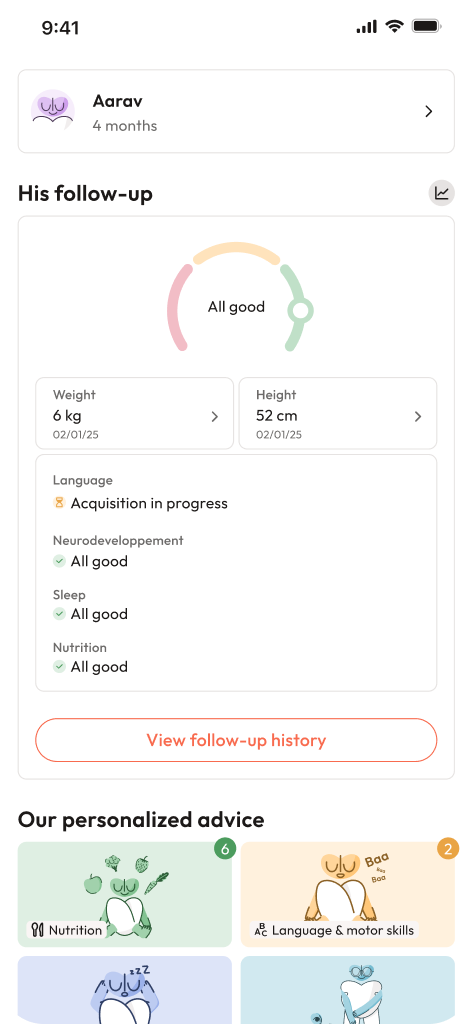
- If you want personalised guidance and free child health questionnaires, you can download the Heloa app.

Further reading:
- Pediatric Feeding Disorder: Consensus Definition and … (https://pmc.ncbi.nlm.nih.gov/articles/PMC6314510/)
- Feeding Disorders – Developmental and Behavioral Pediatrics (https://www.urmc.rochester.edu/childrens-hospital/developmental-disabilities/conditions/feeding-disorders.aspx#:~:text=Pediatric%20feeding%20disorders%20(also%20termed,or%20problems%20with%20daily%20functioning.)
- Eating Disorders – StatPearls – NCBI Bookshelf – NIH (https://www.ncbi.nlm.nih.gov/books/NBK567717/)