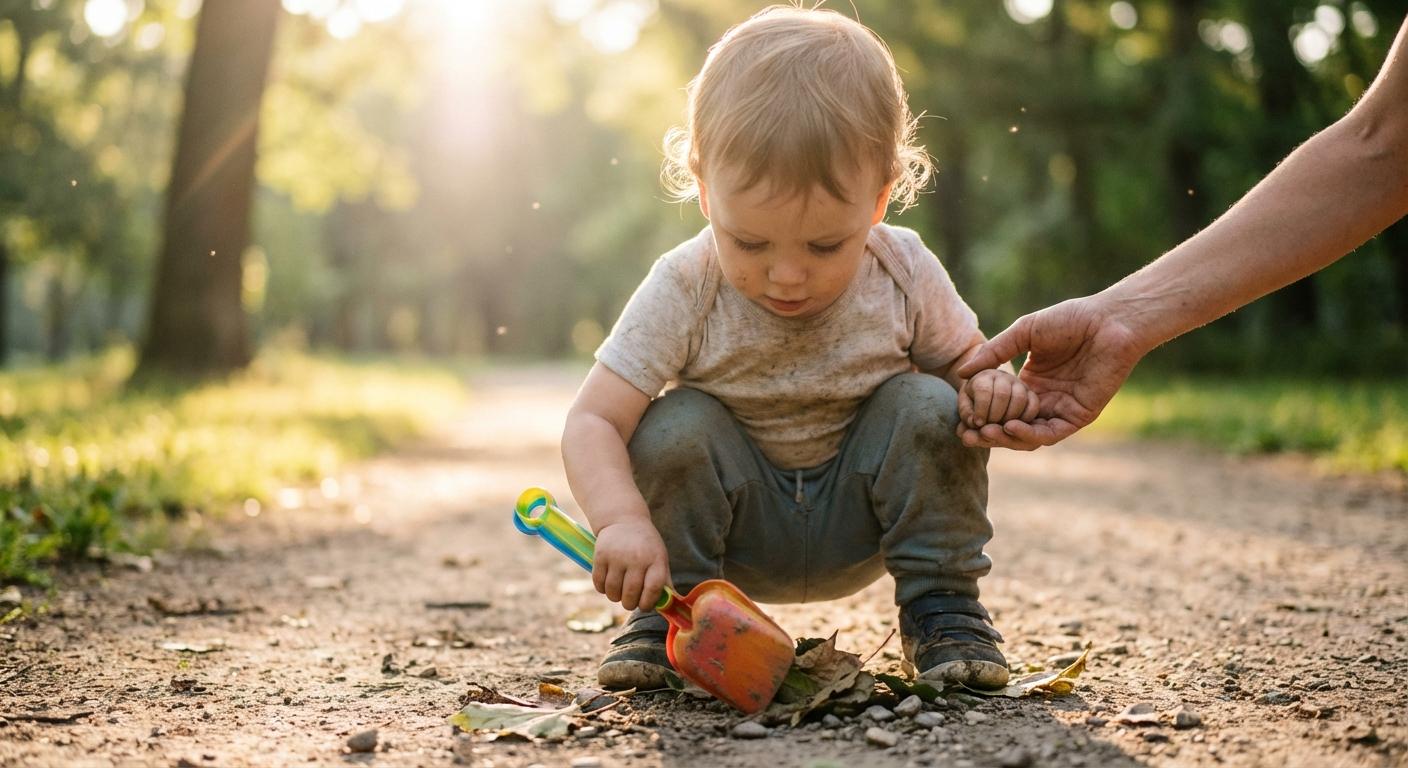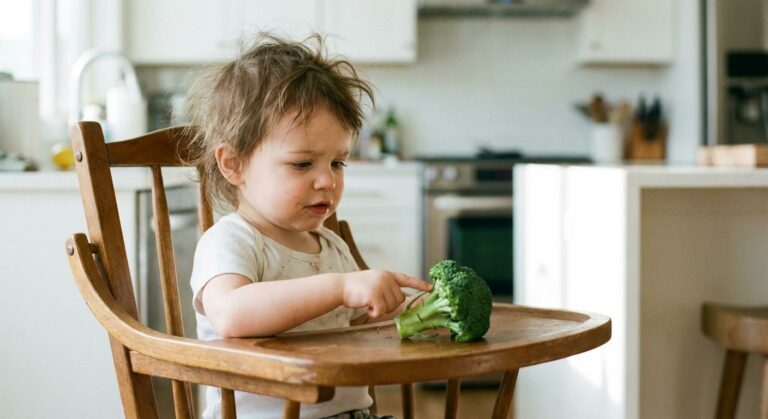
Outdoor time with a baby sounds easy, step out, breathe, play. Then reality taps your shoulder: harsh sun, hot tiles, a curious crawler heading for the drain, a toddler who suddenly wants to climb everything. baby outdoor play equipment can turn that rush into a small, repeatable routine, provided it is stable, low to the ground, and suited to your child’s motor stage (not just the age printed on a box).
Parents often weigh the same things: what is safe in Indian weather, what works on a balcony or terrace, how to keep water play fun without taking risks. Development first. Safety always. Practicality for real homes.
Baby outdoor play equipment that fits your child and your space
What counts as baby outdoor play equipment for ages 0–3
For ages 0–3, baby outdoor play equipment usually means low-height items that support movement, exploration, and sensory play outdoors with minimal fall risk. Think simple, sturdy, washable.
Good examples:

- A toddler mini slide with wide, non-slip steps
- A low climber or ramp with handholds
- A sand-and-water table with a wide base
- A breathable mesh crawl tunnel
- A firm outdoor mat for tummy time and sitting play
“Equipment” also includes essentials that make outdoor time possible on ordinary days:
- reliable shade (umbrella, canopy, shaded veranda)
- a stable chair for the caregiver placed close
- a defined play zone (mat/tiles) so you can spot hazards quickly
- storage that keeps toys away from dust, rain, and insects
Baby vs toddler equipment: stability, height, fall zones, and small parts
Babies and toddlers are built differently, and so are their risks.
- Babies (especially under 12 months): best with floor-level play. Head and trunk control are still maturing, and mouthing is normal (but it increases choking risk). Choose wide bases, minimal height, and one-piece toys.
- Toddlers (12–36 months): faster, braver, and often climbing before they understand danger. Choose secure steps, side rails when appropriate, and very stable structures.
A quick safety checklist for baby outdoor play equipment:
- Stability: wide footprint, low centre of gravity, no wobble
- Height: modest, and matched to current skills
- Fall zones: clear space all around + softer ground where falls may happen
- Small parts: under 3 years, avoid accessories that can loosen over time
Motor development is not a straight line. Some days your child repeats the same step 20 times, another day they just watch. Short, frequent outdoor sessions, plus an easy “stop option” (shade + calm corner), often work better than long play.
Home gear vs public playgrounds: what changes for safety and durability
Home baby outdoor play equipment is usually lighter and easier to move. That is convenient for Indian homes where space is shared. But it also means maintenance matters more: check screws, joints, cracks, rust, and brittle plastic (UV damage). Clean regularly, because dust plus moisture can lead to grime and mould.
Community playgrounds and daycares often follow structured inspections and may reference ASTM/EN standards. At home, use the same mindset: predictable supervision, clear zones, safe ground, and routine checks.
Why parents like it: motor skills, sensory play, routines, bonding
When outdoor time becomes repeatable, development benefits stack up.
Well-chosen baby outdoor play equipment can support:
- gross motor practice (rolling, crawling paths, steps, gentle climbing)
- vestibular system input (balance) and proprioception (body position sense)
- sensory exploration (breeze, textures, water, sand)
- language through shared attention (naming what you see and do)
- calmer daily rhythms through daylight exposure
Outdoor play benefits for babies and toddlers
Gross motor development: movement feels bigger outside
Outside gives the body room: stretching on a mat, crawling over grass, pulling to stand at a stable support, cruising along a bench, stepping up and down a low step, pushing a toy across a terrace.
These experiences strengthen muscles and train balance responses. A helpful approach is: child initiates, adult secures. Your child explores, you handle setup, spotting, and limits.
Sensory learning: varied input without overload
Outdoor sensory input is rich: light changes, wind on skin, new smells, distant traffic sounds, cool water, gritty sand, different ground textures.
Often, a mat plus one or two objects is enough. If your child arches, turns away, becomes irritable, cries, or seems “wired,” reduce stimulation: move to shade, lower noise, offer calm holding, take a break.
Cognitive and language growth: cause-and-effect everywhere
Outdoor play naturally teaches cause-and-effect: water pours, sand sticks then falls, a ball rolls downhill, a tunnel changes sound.
When you label actions (“pour,” “splash,” “fast,” “cold,” “under”), vocabulary grows through real experience. Toddlers also practise problem-solving: How do I climb up? How do I come down safely?
Well-being: mood, stress, sleep rhythms
Daylight helps regulate circadian rhythms (the sleep-wake clock). Many families find even a short outdoor session supports appetite, settling, and calmer play later.
Baby outdoor play equipment by age (0–36 months)
0–6 months: floor-based play with maximum protection
At this stage, baby outdoor play equipment is mainly about a safe surface and comfort.
Good options:
- clean, firm mat/blanket on a flat surface in full shade
- tummy time in short bursts
- one or two textures (muslin cloth, textured fabric) plus your voice
Safety priorities:
- avoid direct sun
- touch-check tiles, benches, and mats
- keep small objects out of reach
6–12 months: supported movement and “little lab” play
Many babies sit, crawl, pull to stand, and start cruising.
Setups that work:
- non-slip mat + 3–5 simple objects max
- breathable mesh tunnel secured against wind
Good options:
- large soft balls
- wide cups for fill-and-dump
- low, stable supports for cruising without height
Safety priorities:
- check ground carefully (stones, plastic bits, cigarette ends)
- avoid detachable parts
- water play must be shallow and continuously supervised, empty containers right after use
12–24 months: pushing, pulling, low climbing, sliding, pouring
Walking settles in, running may come fast.
Good options:
- stable push cart (wide base)
- foot-to-floor ride-on
- toddler-rated mini slide on cushioning
- simple pouring station (water or sand) with large cups/spoons
Non-negotiable water point: even a few centimetres of water needs full attention, close enough to reach immediately. Drain and dry after every use.
24–36 months: measured challenges, wheeled toys, simple missions
Coordination improves, jumping may appear, and toddlers love small missions.
Good options:
- low stepping stones or a short balance route
- balance bike sized to inseam
- stable three-wheel scooter
- ball play (rolling, gentle kicking)
Safety priorities:
- helmet for wheeled toys
- choose smooth ground
- keep play away from hard edges and driveways
Baby outdoor play equipment types parents buy most
Outdoor mats and floor-based baby gear
A defined mat area keeps debris outside the play zone. Choose a firm, wipeable surface that does not slide.
Water play tables and baby water play equipment
Pick a stable table with a wide base, smooth edges, and easy draining. Keep water shallow, supervise continuously, and empty right after play.
Sand-and-water combo tables and pouring stations
Great for rotation: sand one day, water the next. Keep accessories large and simple (no tiny pieces). Wash hands after play. A covered sandbox helps keep animals and debris out.
Baby slides and low-height toddler slides
Choose toddler-rated, low-height slides with non-slip steps and side rails. Keep the landing zone clear and cushioned. Heat-check the slide in sun.
Low climbers, ramps, crawl-through frames
Ramps build coordination with minimal height. Increase challenge only when your toddler can climb down safely.
Push toys and early ride-ons
Prefer wide wheelbases and a low centre of gravity. Use on flat ground.
Playhouses, tents, crawl tunnels
Choose ventilation and clear sightlines. Avoid fully enclosed tents in hot weather, heat builds quickly. Secure pop-up items against wind.
Shade and comfort gear
Shade reduces heat stress and makes outdoor time realistic. Place a stable caregiver chair close to the play zone.
How to choose baby outdoor play equipment (space, budget, routine)
Choose for motor stage, not only age
Age ranges help, but your child’s skills are the real guide. If your toddler climbs up before they can climb down, reduce the challenge and practise with close spotting.
Plan zones: movement, calm, water/sand
A simple layout reduces collisions and makes supervision easier:
- movement zone: push toys, mini slide, low structure with clearance
- calm zone: mat, books, shaded corner
- water/sand zone: easy to clean, non-slip base, away from walkways
Keep play zones away from stairs, grills, wires, heavy pots, and any open water source.
Small spaces (balcony, terrace): keep it modular
In small spaces:
- one active piece
- one sensory piece
- shade
- non-slip mat
On balconies, ensure railings are secure and do a quick sweep for small objects before play.
Storage and routine: less setup, more outdoor time
An easy outdoor setup makes the biggest difference: closed storage box, foldable pieces, and small ready kits. Less preparation usually means more frequent, shorter sessions.
Safety standards and everyday safety checks
Standards and labels you may see
US: ASTM F963, ASTM F1487, ASTM F1292, CPSIA
EU: EN 1176, EN 1177, EN 71
Chemical claims (BPA-free, phthalate-free, lead-free) may help, but they do not replace stable design and supervision.
Everyday safe-use habits
- Active supervision outdoors, around water, stay within immediate reach.
- Check the ground before play.
- Clothing: avoid drawstrings, toddlers do better with closed-toe footwear with grip.
- Heat checks for slides and tiles in sun.
Safe ground and surfacing for baby outdoor play equipment
Choose a surface that matches the risk
Helpful: outdoor mats, non-slip soft surfaces, cushioning under slides/climbers.
Avoid: bare concrete and loose gravel. Grass can hide holes and gets slippery after watering or rain.
Impact-absorbing basics
If your child can fall from a step, platform, or slide, cushioning matters. Maintain the surface over time (condition, drainage, stability).
Weather, comfort, and body cues (Indian conditions)
Heat and sun: timing and when to stop
Babies regulate temperature less efficiently than adults. In Indian summers, tiles and play surfaces can become dangerously hot.
On hot days:
- go out early morning or late afternoon
- prioritise shade and breaks
- offer fluids often for toddlers
Seek medical advice promptly if you notice unusual sleepiness, very hot skin, marked irritability, fast breathing, or fewer wet nappies than usual.
Monsoon, humidity, and mosquitoes
After rain, surfaces can be slippery and mosquitoes more active. Dry the play area well and avoid stagnant water.
Materials, cleaning, and storage (durability and hygiene)
Wood vs plastic
Wood can splinter, plastic can become brittle with sun. In all cases, choose rounded edges and firmly attached parts.
Cleaning and storage: simple routines that prevent mould
Wash, rinse, dry.
- water toys: empty after each use, dry fully
- sand: cover, remove debris
- textiles: dry completely before storing
A quick weekly check (screws, cracks, loosened parts) reduces accidents.
Common mistakes parents can avoid
- Choosing equipment that does not match current skills
- Overlooking stability, limits, and fall zones
- Skipping surfacing and shade planning
- Underestimating heat and small ground hazards
Key takeaways
- Match baby outdoor play equipment to motor stage: low height, stable base, simple sensory options.
- Outdoor play supports movement, sensory processing, attention, language, confidence, and calmer routines, short, frequent sessions are enough.
- Safety depends on stability, safe ground, weather protection, active supervision, and routine checks.
- If you have doubts about development or safety, speak with a paediatrician. For personalised tips and free child health questionnaires, you can download the Heloa app.