
Indian parents often hear “loose motions” and think it will settle with a little care. Sometimes it does. But rotavirus can be a different story—sudden vomiting, watery stools, and fluid loss that stacks up fast in a small baby. That’s why the phrase rotavirus vaccine baby comes up so often during immunisation visits: timing, safety, and the simple question: “What should I watch for after the drops?”
You’ll find clear answers on what rotavirus does in the gut, how the oral vaccine protects, the age cut-offs that doctors follow very strictly, and how to manage vomiting/diarrhoea if it happens despite vaccination.
What rotavirus is and why babies can get very sick
Rotavirus is a highly contagious virus that infects the intestine (gut). It damages the cells that absorb water and salts, so the body loses fluid into the stools. The typical picture is sudden vomiting plus watery diarrhoea, often with fever and tummy discomfort.
Why are infants affected more severely?

- Babies have a smaller total body water reserve.
- They dehydrate faster.
- They may refuse feeds when nauseated.
After an incubation period (often 1–3 days), symptoms can start abruptly. The bigger risk is not “diarrhoea itself”, but the speed at which a baby can lose electrolytes (salts like sodium and potassium) and bicarbonate (important for acid–base balance). When these fall, a baby can become weak, sleepy, and less responsive.
How rotavirus spreads at home, crèche, and daycare
Rotavirus spreads mainly by the faecal–oral route. In simple terms: microscopic stool particles end up on hands, toys, floors, changing mats, taps, and then enter the baby’s mouth.
Even with good cleaning, rotavirus can still spread because:
- It survives on surfaces for a while.
- Diaper/nappy changes happen many times a day.
- Babies put everything in the mouth.
In India, exposure often happens in daycare, at a relative’s home with other children, during travel, or when an older sibling brings infection from school.
Typical symptoms and when dehydration becomes urgent
Rotavirus illness in babies typically includes:
- Frequent watery diarrhoea
- Vomiting
- Fever
- Abdominal discomfort
- Marked tiredness
The red flag is dehydration.
Call your paediatrician promptly if you notice:
- Fewer wet diapers than usual (or no urine for 6–8 hours)
- Dry mouth, little or no tears
- Sunken eyes (sometimes a sunken soft spot/fontanelle)
- Unusual sleepiness, marked fatigue, or a baby who seems “not themselves”
- Poor feeding
Seek urgent care if your baby:
- Is difficult to wake
- Has repeated vomiting and cannot keep fluids down
- Has very few or no wet diapers
- Has blood in the stool
- Has severe tummy pain or a very swollen, tense abdomen
Why doctors advise rotavirus vaccination for most infants
Before widespread vaccination, rotavirus was a major cause of severe diarrhoea and hospitalisation in young children. The rotavirus vaccine baby programme is meant to reduce:
- Severe gastroenteritis (vomiting + diarrhoea)
- Dehydration needing IV fluids
- Emergency visits and admissions
A helpful way to think about it: the vaccine is best at preventing severe disease, not every mild stomach infection. Other viruses (like norovirus and adenovirus) also cause vomiting and diarrhoea, so a vaccinated child can still get a “stomach flu”-type illness—usually milder.
How the rotavirus vaccine works (oral drops)
Rotavirus vaccines used for infants are live attenuated vaccines (live but weakened). They are given by mouth—just drops, no injection.
The weakened virus replicates locally in the intestine and trains the immune system in the same place the real virus attacks. This builds gut-level protection often described as mucosal immunity and intestinal IgA.
Protection increases after each dose:
- First dose primes the immune response
- Subsequent doses boost it
Rotavirus vaccine types used for babies
Depending on the country and programme, different products are used.
Rotarix (RV1)
- Oral live attenuated vaccine
- Usually a 2-dose series
RotaTeq (RV5)
- Oral live attenuated vaccine
- Usually a 3-dose series
Other products and why names can differ
Some countries use other brands in national immunisation programmes. If you shift cities, change hospitals, or travel, carry your baby’s vaccine card with dates and the product name—your doctor can advise how to complete the schedule.
Rotavirus vaccine baby schedule and strict age limits
Parents often ask, “Why the hurry?” Because the window is limited.
When the first dose is given
Many schedules start at about 6 weeks of age. Severe rotavirus disease can occur early in life, and safety data are strongest within a defined age band.
Standard schedules (2-dose vs 3-dose)
Typical spacing is at least 4 weeks between doses:
- Rotarix (RV1): 2 doses
- RotaTeq (RV5): 3 doses
Your clinic will confirm the local deadlines for starting and finishing.
Why there are strict age cut-offs
The main reason is to reduce the risk of intussusception (a rare bowel condition) and keep dosing within the ages studied most for safety and effectiveness. For the rotavirus vaccine baby series, doctors follow these cut-offs very carefully.
Effectiveness and real-life benefits
Parents usually want the practical bottom line: fewer severe episodes, fewer hospital trips.
Protection against severe diarrhoea and hospitalisation
The biggest benefit of the rotavirus vaccine baby series is preventing severe episodes—those that lead to dehydration, fewer wet diapers, and hospital visits.
After routine vaccination programmes, many countries have reported large reductions in rotavirus-related hospitalisation, often around 80–85% in several studies.
Community benefit: less spread
When many infants are vaccinated, the virus circulates less. In daycare and households, that can reduce exposure for younger babies too.
How long protection lasts
Protection is strongest during the highest-risk period—especially the first two years. Boosters are not usually part of routine schedules.
Safety and side effects you might notice
Most babies do well. If side effects occur, they are usually mild and short-lived, often within a day or two after the dose:
- Temporary fussiness
- Slightly loose stools
- Mild vomiting
- Low to moderate fever
When symptoms are worth a call
Speak to a clinician if symptoms persist, intensify, or feel out of proportion for your baby—especially if feeding drops or dehydration signs appear.
Signs of a severe allergic reaction (rare)
Seek emergency help immediately if your baby develops:
- Hives
- Swelling of lips/face/tongue
- Difficulty breathing
- Sudden paleness with floppiness soon after vaccination
Intussusception: the rare risk, explained simply
Intussusception happens when one part of the intestine slides into another, like a telescope. This can block the bowel and needs urgent medical evaluation.
A small increased risk has been observed in the week after vaccination, especially in the days after a dose. It remains rare, but the warning signs are worth knowing.
Seek urgent care if your baby has (especially within 7 days after a dose):
- Sudden episodes of intense crying that come and go (often with knees pulled up)
- Paleness in waves
- Repeated vomiting
- Refusing feeds
- Blood in stool
- Marked weakness or a baby who looks very unwell
Tell the medical team when the rotavirus vaccine baby dose was given and which dose number it was. An abdominal ultrasound can often confirm the diagnosis quickly.
Who may need to delay or avoid the vaccine
Rotavirus vaccine is not given to infants with:
- Severe allergic reaction to a previous dose or a component
- Severe combined immunodeficiency (SCID)
- A prior intussusception episode
When doctors may postpone
If your baby is moderately or severely unwell on vaccine day—significant vomiting, diarrhoea, high fever, dehydration—doctors often postpone. It’s mainly to avoid confusion about symptoms and to improve tolerance.
A mild cold is usually not a reason to delay, but the decision is individual.
If someone at home is severely immunocompromised
Because this is a live oral vaccine, a small amount of weakened virus may pass in stool for a short time. For most families, careful handwashing after diaper changes and cleaning the changing area is enough.
If a household member is severely immunocompromised (recent transplant, intensive chemotherapy, advanced immune suppression), speak with your paediatrician about timing and precautions.
Other medical situations to discuss
Some gut malformations, prior bowel surgery, or complex intestinal problems need individual medical discussion. Mention any long-term medicines or chronic illness.
Rotavirus vaccine baby for preterm infants
Most preterm babies can receive the vaccine if they are clinically stable and meet the age rules. Timing is based on chronological age (age since birth), not corrected age. Because the window is strict, planning with your neonatologist/paediatrician helps.
What happens on vaccine day
The rotavirus vaccine baby dose is given as oral drops by a nurse or doctor. It’s quick. Babies can be comforted straight away.
Feeding and breastfeeding
Breastfeeding and usual formula feeds can continue as normal. No special diet is required.
If your baby spits up or vomits right after
This can happen. Tell the clinician immediately, they will decide whether another dose is needed based on the product and local policy.
Can it be given with other routine baby vaccines?
In most cases, yes. Rotavirus drops are commonly given during the same visit as other infant vaccines, which makes scheduling easier.
Vaccine virus shedding and hygiene at home
Because it is a live oral vaccine, a small amount of weakened virus can pass in stools for a short period.
Usually, simple precautions are enough:
- Wash hands well after every diaper change
- Clean the changing area
- Keep toys and objects that go in the mouth reasonably clean
Extra caution is sensible if someone at home is severely immunocompromised.
If a dose is missed or delayed
Call your clinic as soon as possible. Catch-up is limited by age cut-offs. Rotavirus drops are often given with other routine immunisations during the same visit, which helps families stay on schedule.
If possible, finishing the series with the same product is often preferred. If brands change due to supply or relocation, your doctor will advise what fits local rules.
If your baby already had gastroenteritis
A prior episode of gastroenteritis does not automatically stop vaccination. Usually, the plan is to vaccinate once the baby is clinically well again, as long as the baby is still within the allowed age window.
If gastroenteritis happens despite vaccination: what to do
Even after rotavirus vaccine baby doses, vomiting and diarrhoea can happen. The priority is hydration.
Early dehydration signs
Watch for:
- Fewer wet diapers (or none for 6–8 hours)
- Dry mouth, no tears
- Sunken eyes
- Marked tiredness or unusual sleepiness
- Unusual irritability or a baby who seems apathetic
ORS (oral rehydration solution) is the main tool
ORS works because it contains the right balance of glucose and salts to improve absorption.
If vomiting is present, offer very small amounts very often:
- 5–10 mL every 2–5 minutes, then increase as tolerated
Continue breastfeeding or normal milk feeds. Avoid juice, soda, and very sugary drinks. Do not dilute ORS.
When to seek urgent care
Seek urgent evaluation if your baby:
- Cannot keep fluids down
- Has ongoing vomiting
- Has very few wet diapers, marked sleepiness, or unusual paleness
- Has blood in stool, severe tummy pain, or a swollen, tense abdomen
In the week after a rotavirus vaccine baby dose, any symptoms suggestive of intussusception need urgent medical assessment.
Key takeaways
- Rotavirus vaccine baby protection mainly reduces severe diarrhoea, dehydration, and hospitalisation.
- The vaccine is oral drops, given early in infancy, with strict age limits.
- Side effects are usually mild and short-lived.
- Intussusception is rare, but warning signs in the week after a dose (episodic severe crying, repeated vomiting, blood in stool, unusual paleness) need urgent care.
- If vomiting/diarrhoea occurs, focus on hydration and wet diapers, ORS is central.
- If you miss a dose, reschedule quickly—catch-up is limited by age cut-offs.
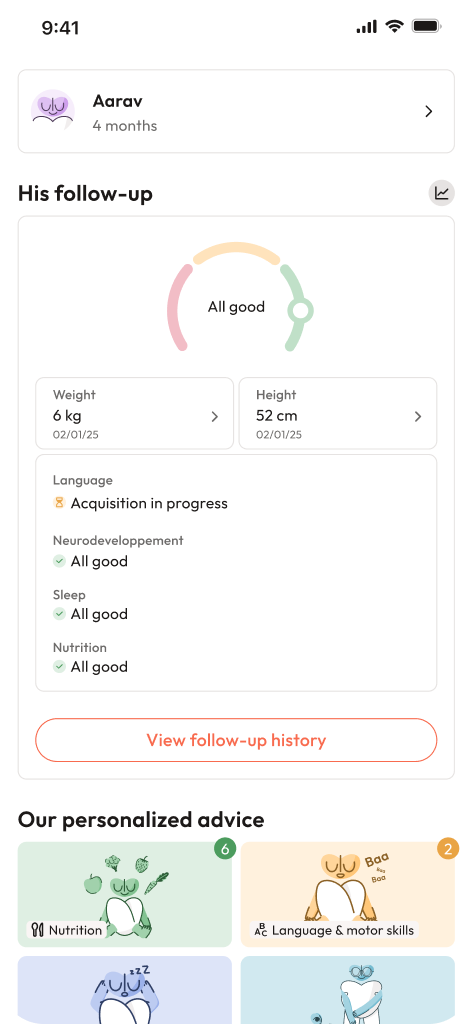
- If you want personalised support and free child health questionnaires, you can download the Heloa app and use it alongside guidance from your paediatric team.

Further reading :