That cluster of tiny bumps around your child’s mouth can look like a small issue, yet it often leads to big doubts. Is it just drool? Did a cream trigger it? Why does it improve for two days and then flare again? Perioral dermatitis is one of the common explanations, but babies and toddlers also get many other around-the-mouth rashes because saliva, rubbing, and weather can irritate their still-developing skin.
You’ll find what perioral dermatitis typically looks like, what tends to set it off (especially topical corticosteroids), how doctors usually confirm the diagnosis, which treatments are commonly used in children, and daily care that is realistic in Indian homes.
Perioral dermatitis: what it means
Perioral dermatitis is an inflammatory facial rash made of small bumps (often red) with background redness and dryness. It typically clusters around the mouth.
Sometimes the same pattern appears around more than one facial opening (mouth, nostrils, and/or eyes). In that case, clinicians may use the broader term periorificial dermatitis.


Where it shows up and the vermilion border sparing clue
Most often, perioral dermatitis appears:
- Around the mouth
- On the chin
- Along the nasolabial folds (nose-to-mouth lines)
- Around the nostrils (perinasal)
- Around the eyes (periocular), in some children
A classic clinical sign is vermilion border sparing: the rash usually does not sit right on the lip edge. The border of the lips may look surprisingly normal, while the nearby skin is irritated.
Is perioral dermatitis contagious?
No. Perioral dermatitis is not contagious. It is inflammation, not something a child can catch from another child at school or in the park.
Rash around the mouth in babies: many causes
In infants, rash around the mouth is a description, not a diagnosis. That area sees constant moisture (drool, milk), repeated friction (wiping, bibs, pacifiers), and weather stress (winter wind, summer heat). So several rashes can look similar.
Common alternatives to perioral dermatitis include:
- Saliva irritation (drool rash)
- Irritant contact dermatitis (wipes, face wash, repeated rubbing)
- Atopic dermatitis (eczema)
- Infant acne (early weeks/months)
- Infections such as impetigo, herpes (cold sores), or chickenpox
If the rash is spreading fast, very painful, oozing, crusting heavily, or your child seems unwell, a doctor’s assessment is important.
Symptoms: what parents usually notice
How it looks: papules, pustules, erythema
Perioral dermatitis commonly shows as clustered tiny bumps:
- Papules: small, solid bumps
- Pustules: bumps with a small yellow-white tip
The surrounding redness is called erythema. On deeper skin tones, erythema may be less obvious, texture changes and the sandpaper feel can stand out more.
Useful words to describe it
When speaking to a clinician, these terms help:
- Papules: bumps without fluid
- Pustules: pus-tipped bumps
- Vesicles: small clear blisters (think herpes more than perioral dermatitis)
- Crusts: dried fluid, thick honey-coloured crusts suggest impetigo
How it feels: burning, stinging, tightness
Many children experience burning or stinging more than itch. Skin can feel tight after washing. Babies cannot describe it, so you may notice rubbing of the chin, fussiness during cleaning, or irritability during meals.
Skin changes you can see
- Dryness and scaling
- Flaking
- Rough texture
- Cracks at the corners of the mouth if the skin stays damp
Why the mouth area gets irritated so easily in babies
Immature skin barrier
Infant skin is thinner and the protective outer layer is still developing. Water escapes more easily (higher transepidermal water loss (TEWL)), and irritants enter more easily, so redness and bumps can start quickly.
Saliva, moisture, and maceration
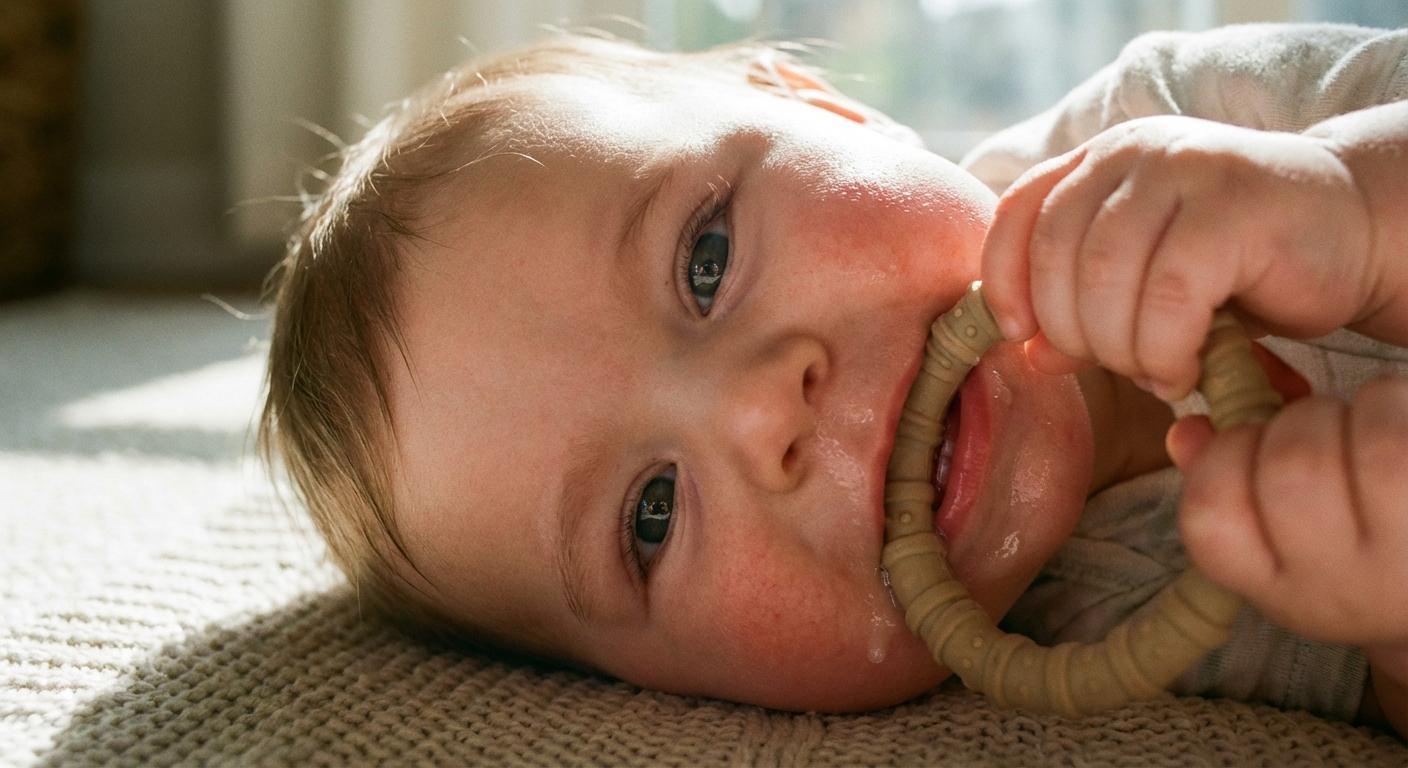
During teething, drooling often increases. If moisture sits on skin, it causes maceration (the top layer softens and becomes fragile). Then even gentle wiping can trigger more inflammation.
Repeated friction
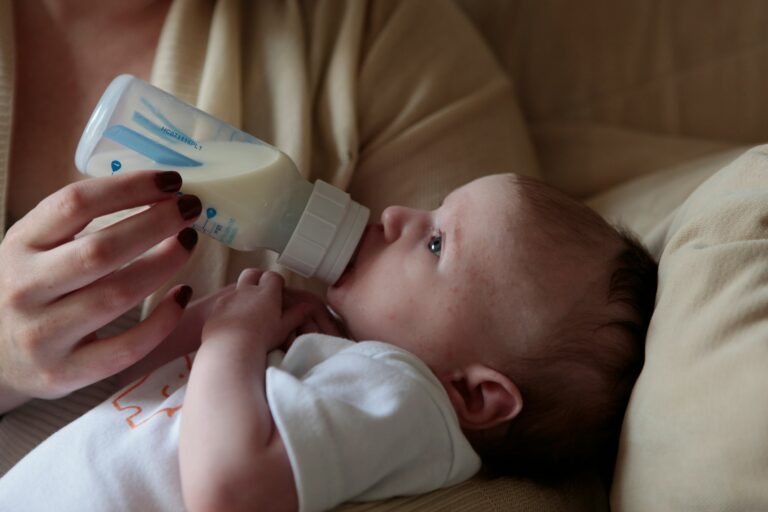
Pacifiers, bottle feeding, bib edges, and frequent wiping cause small repeated micro-traumas. With moisture added, a flare becomes more likely.
Why perioral dermatitis happens: common triggers
Perioral dermatitis is usually triggered by a combination of barrier damage and inflammation.
Steroid exposure (including OTC creams)
Facial topical corticosteroids (even over-the-counter hydrocortisone) are a well-known trigger for perioral dermatitis. They can improve redness briefly, then the rash returns, often more persistent.
Steroids may also reach the skin from nasal steroid sprays (residue around upper lip) or inhaled steroids (mask or spacer leak onto facial skin).
Rebound flare after stopping steroids
Stopping steroids can cause a temporary worsening called a rebound flare. It is discouraging, but common in steroid-triggered perioral dermatitis. Depending on what was used and for how long, the clinician may plan a gradual taper.
Skincare and cosmetic triggers
During a flare, heavy layers can trap heat and moisture (occlusion). Common aggravators include thick occlusive creams/balms, fragranced products and essential oils, alcohol-based toners, scrubs and frequent exfoliation, and too many actives together.
Toothpaste contact
Some families notice perioral dermatitis flares when toothpaste repeatedly touches the skin around the mouth. Fluoride is often suspected. This does not mean fluoride is always the cause, but careful rinsing and wiping after brushing is sensible, and a temporary switch can be discussed with your dentist or doctor.
Environment and irritants
Indian weather can be tough on facial skin. Hot, humid conditions increase sweating and occlusion, winter wind and dry air increase TEWL, sun exposure can worsen irritation and prolong marks, face masks may increase friction and humidity around the mouth.
Stress does not directly cause perioral dermatitis, but it can amplify skin sensitivity.
What’s happening under the skin (simple medical explanation)
Barrier disruption and TEWL
The outer layer of skin normally keeps moisture in and irritants out. In perioral dermatitis, the barrier becomes leaky, TEWL rises, and the area becomes dry, stingy, and reactive.
Inflammation around follicles
Inflammation often centres around tiny hair follicles (perifollicular inflammation). That’s why it can look acne-like, but classic acne features like blackheads/whiteheads (comedones) are typically absent.
Microbiome shifts (what we know)
Changes in the local microbiome may play a role. Bacteria, Demodex mites, and Malassezia yeast have all been discussed. This is not a typical infection with one single germ causing the rash, it is more of a multi-factor pattern.
Conditions that can look like perioral dermatitis
Drool rash
Usually more diffuse redness on chin and around mouth, with obvious wetness and worsening after meals, teething, or pacifier use. Often improves with pat-drying and a thin protective barrier.
Contact dermatitis (irritant or allergic)
Irritant contact dermatitis is common in toddlers and can burn. Allergic contact dermatitis is less common in very young children but can be persistent and very itchy. A simplified routine often helps more than trying many new products.
Eczema (atopic dermatitis)
Often very dry and itchy, sometimes with patches elsewhere (arms, legs, trunk). If eczema becomes weepy with thick crusts, bacterial infection may be added on.
Infant acne
Often on cheeks and chin in early months and tends to settle over time. Strong acne products can irritate and prolong redness.
When infection is more likely
- Impetigo: oozing plus thick yellow honey-coloured crusts, contagious
- Herpes (cold sores): grouped blisters on a red base, contagious by saliva/contact. In very young infants, prompt medical advice is needed.
- Chickenpox: widespread rash with spots in different stages across the body
How doctors diagnose perioral dermatitis
Diagnosis is usually clinical: location, papules/pustules, scaling, absence of comedones, and history of triggers.
Doctors typically ask about any steroid cream used on the face (prescription or OTC), inhaler/nasal spray use, and products touching the area (balms, wipes, toothpaste).
Tests are occasional: patch testing if allergy is suspected, swab/culture or scraping if bacterial/fungal infection is suspected, biopsy rarely, for atypical or treatment-resistant rashes.
Perioral dermatitis treatment in children
Treatment goals
For perioral dermatitis, the goals are to reduce inflammation, repair the skin barrier, and prevent relapse by removing triggers (especially steroids).
First steps: trigger removal and zero-therapy
Mild perioral dermatitis may improve with a minimalist routine:
- Stop facial topical steroids (with medical advice on how to stop)
- Pause irritating cosmetics and active skincare
- Use lukewarm water and a gentle cleanser only if needed
- Apply a simple, fragrance-free moisturiser
Steroids: stopping safely
If steroids were used, ask the clinician how to discontinue. Abrupt stopping can cause a rebound flare in steroid-triggered perioral dermatitis, and a taper may be advised.
Common prescription topical treatments
Depending on age and severity, doctors may prescribe topical metronidazole, topical erythromycin, or topical calcineurin inhibitors (pimecrolimus or tacrolimus) as steroid-sparing options in selected cases.
Oral medicines for moderate to severe cases
If perioral dermatitis is widespread or persistent, oral antibiotics may be used for anti-inflammatory effect. Tetracyclines (like doxycycline) are used only in appropriate ages and are avoided in younger children, macrolides may be chosen when tetracyclines are not suitable.
What timeline to expect
Improvement is gradual. Many families notice less burning and fewer new bumps in a few weeks, but full clearance often takes 6 to 12 weeks. Colour change can linger after the bumps flatten.
Everyday care: gentle, consistent, realistic
Cleansing
Use lukewarm water and a soft cotton cloth. Clean gently.
Many parents ask: Should we wash after every drool episode? Usually no soap is needed that often. Dab saliva, and keep full cleansing to once or twice daily depending on skin reactivity.
Drying and moisture control
Pat dry. Do not rub.
- Change bibs quickly when damp
- Prefer soft cotton fabrics near the neckline
- Reduce friction from rough collars and continuous pacifier pressure
Barrier protection and moisturisers
Thin layers work best:
- A thin barrier cream (often with zinc oxide)
- A simple fragrance-free emollient if skin is dry and rough
Apply before predictable triggers: meals, outdoor wind/cold, naps if drooling is heavy. Very thick layers may trap moisture and worsen perioral dermatitis in some children.
Sunscreen
Sun can worsen irritation and prolong marks. Broad-spectrum SPF 30+ is ideal.
Mineral sunscreens (zinc oxide/titanium dioxide) are often better tolerated on inflamed skin.
What to avoid during flares
During perioral dermatitis, try to avoid fragrance and essential oils, scrubs and exfoliating acids, layering many balms/creams, and topical steroids on the face unless prescribed for a confirmed different condition.
Quick parent check: irritation or something else?
- Drool rash: diffuse redness, damp skin, teething/pacifier context, improves with pat-drying plus thin barrier, no fever
- Perioral dermatitis: grouped papules that persist, may extend toward the nose, lip edge often spared
- Eczema: very dry skin with significant itch
- Impetigo: oozing and honey-coloured crusts, spreading
- Herpes: grouped blisters, often painful
- Infant acne: small bumps on cheeks/chin, settles over time
Healing time and prognosis
Perioral dermatitis usually improves over weeks, not days. Relapses often happen with re-use of facial steroids, return to irritating or heavy skincare, and ongoing moisture and friction around the mouth.
After the bumps settle, some children develop post-inflammatory colour change (darker or lighter marks). This is usually temporary and fades slowly, sun protection helps.
Prevention tips for babies and toddlers
Build an anti-moisture routine
- Dab away saliva when skin is wet
- Change cotton bibs often
- Apply a thin protective layer before meals and before cold/windy outings
Keep products simple
- Gentle, fragrance-free cleanser only if needed
- Basic emollient with fewer ingredients
- Avoid stacking multiple multi-purpose balms
Laundry and fabric choices
- Use fragrance-free detergent and rinse well
- Avoid fabric softeners
- Prefer soft cotton around the neckline
When to see a doctor
Seek medical advice if there is no improvement after 7 to 14 days of gentle care for a baby’s perioral-area rash, if the rash persists beyond 2 to 4 weeks or keeps recurring, or if you are unsure of the diagnosis.
Get help promptly if there is pus, oozing, thick crusts, rapid spread, marked pain, fever, poor feeding, fewer wet diapers, or a child who seems unwell. Do not wait if the rash is near the eyes with eyelid swelling or a watery eye.
If the baby is under 3 months, a new rash around the mouth, especially with blisters or reduced feeding, needs medical advice.
To remember
- Perioral dermatitis is a non-contagious inflammatory rash, usually with grouped papules/pustules around the mouth, sometimes around nose/eyes.
- In babies and toddlers, drool, maceration, friction, and weather can mimic or worsen perioral dermatitis.
- Facial steroid creams are a common trigger, stopping them may cause a rebound flare, so ask for a safe plan.
- A gentle routine (lukewarm cleansing, pat-drying, thin barrier, simple emollient, mineral sunscreen) supports healing.
- If the rash persists, spreads quickly, involves eyes, or your child seems unwell, a clinician can guide treatment. You can also download the Heloa app for personalised tips and free child health questionnaires.

Further reading: