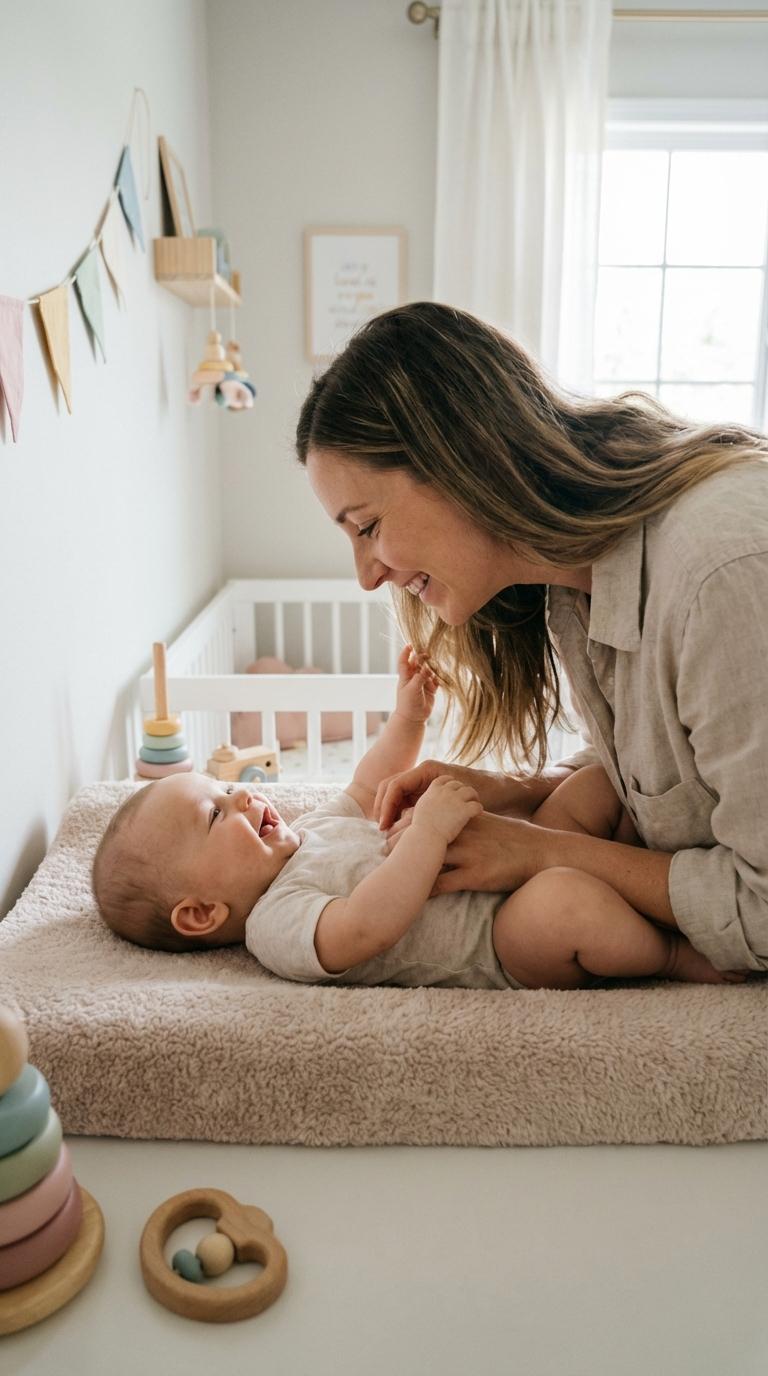
In the early weeks, a diaper change can feel deceptively big. One moment you are settling your baby, the next there is a surprise poop, a sudden spray, or a bright red patch that wasn’t there yesterday. And in many Indian homes, there is the extra layer: elders sharing trusted tips, tight schedules, warm weather, frequent power cuts at night, and changes happening on the bed, on a mat, sometimes even on the back seat of the car.
A smooth diaper change does not need fancy gear. It needs a safe setup, gentle cleaning, proper drying, and a fit that prevents leaks without leaving deep marks. That’s it. Keep it simple, keep it consistent, and keep an eye on the skin.
Diaper change basics to feel confident
What a diaper change is and why it matters
A diaper change means removing a wet or soiled diaper, cleaning the diaper area, drying the skin well, and putting on a fresh diaper with a quick fit check. It sounds routine, but it is actually repeated skin care.
The science, in parent-friendly language:

- Moisture softens the top layer of skin (maceration), so it tears and irritates more easily.
- Friction (rubbing with wipes, tight elastic, baby’s movement) disrupts the skin barrier.
- Urine can increase skin pH, and that higher pH can activate enzymes in stool (lipases and proteases). Those enzymes can inflame skin faster.
Put together, this is why irritant diaper dermatitis (classic diaper rash) shows up after prolonged contact with wetness and stool. A timely diaper change, especially after poop, shortens “wet contact time” and reduces redness, soreness, and itching.
There’s another benefit parents notice quickly: comfort. A baby who is dry and clean often settles faster, feeds better, and sleeps a little more peacefully.
Signs baby may need a change
Some babies are unbothered, some react instantly. Common clues:
- Wetness indicator line has changed colour
- Diaper feels heavy, swollen, or cold and damp
- Strong urine smell or any stool smell
- Leaks at thighs or waistband, or a blowout
- Sudden fussiness, squirming, or pulling at the diaper area
Extra attention helps in situations that increase irritation risk:
- Diarrhoea (more stool, more enzymes, more moisture)
- Antibiotics (stool changes, yeast can appear)
- Hot and humid weather (sweat adds to moisture)
- New foods (stools often become thicker and more irritating)
How often changes happen by stage
Normal varies a lot. Many families do best with: check often, change when needed, and be quick after poop.
- Newborns: often 10 to 12 changes per day in the first weeks
- Infants: often 6 to 8 changes per day
- Mobile babies: often 4 to 6 changes per day
- Toddlers: often 4 to 6 changes per day (depends on diet and potty learning)
Always change after a poop. For pee-only diapers, watch fullness, odour, leaks, and any skin redness.
“Diaper change” vs “nappy change”
Same thing, different wording. In Indian English, you may hear both “diaper” and “nappy,” and “changing table” or simply “changing mat.”
Diaper change essentials and helpful extras
Must-haves before you start
Having everything within arm’s reach makes a diaper change safer and faster:
- Clean diaper (correct size)
- Wipes or warm water + soft cloth/cotton
- Wipeable changing pad or mat
- Disposal bag/diaper pail (or wet bag if using cloth nappies)
- Soft towel for drying
- Spare outfit (very useful for blowouts)
A practical tip that suits most Indian homes: keep a small basket in the bedroom and one in the living area. Less running around, fewer “just one second” moments.
Skin care items: barrier ointment and cream
The easiest routine is: clean, dry, protect.
- Petrolatum or dimethicone: reduces friction and blocks moisture.
- Zinc oxide: thicker barrier, often used when skin is already red or stools are frequent.
- Powders: generally better avoided. Talc and even cornstarch can be inhaled and irritate the lungs, powders can also trap moisture.
Skip topical antibiotics or steroid creams unless a clinician has asked you to use them.
Ingredients to look for (or avoid)
If your baby’s skin reacts easily, simple products are often kinder:
- Choose fragrance-free, dye-free, alcohol-free wipes
- Be cautious with essential oils and heavily scented products
- If a new product lines up with a sharply bordered, “stamped” rash, think contact dermatitis (a reaction to an irritant or allergen)
Setting up a safe, easy changing station
Choosing the space
A changing table protects your back, but once rolling starts, the fall risk rises. A floor mat is often the easiest, safest option for a very active baby.
Good options:
- Changing table (one hand always on baby)
- Bed/couch (only if you keep steady contact)
- Floor mat (excellent once baby is wriggly)
Safety habits that prevent falls
Most diaper-change injuries are preventable. The best protection is boringly simple:
- One-hand rule on raised surfaces: one hand stays on baby.
- Use straps if present, but do not rely on them.
- Keep supplies within reach.
That “I will just pick up the cream” moment is when many falls happen.
Keeping the area clean and calm
- Use a wipeable mat or waterproof cover you can launder
- Disinfect after stool contact
- Keep the room comfortably warm, babies chill quickly
- At night, dim light helps you finish the diaper change without fully waking baby
If pets or siblings are around, create a small perimeter. A sibling can hand you a clean diaper, but you stay focused on baby’s safety.
How to do a diaper change step by step
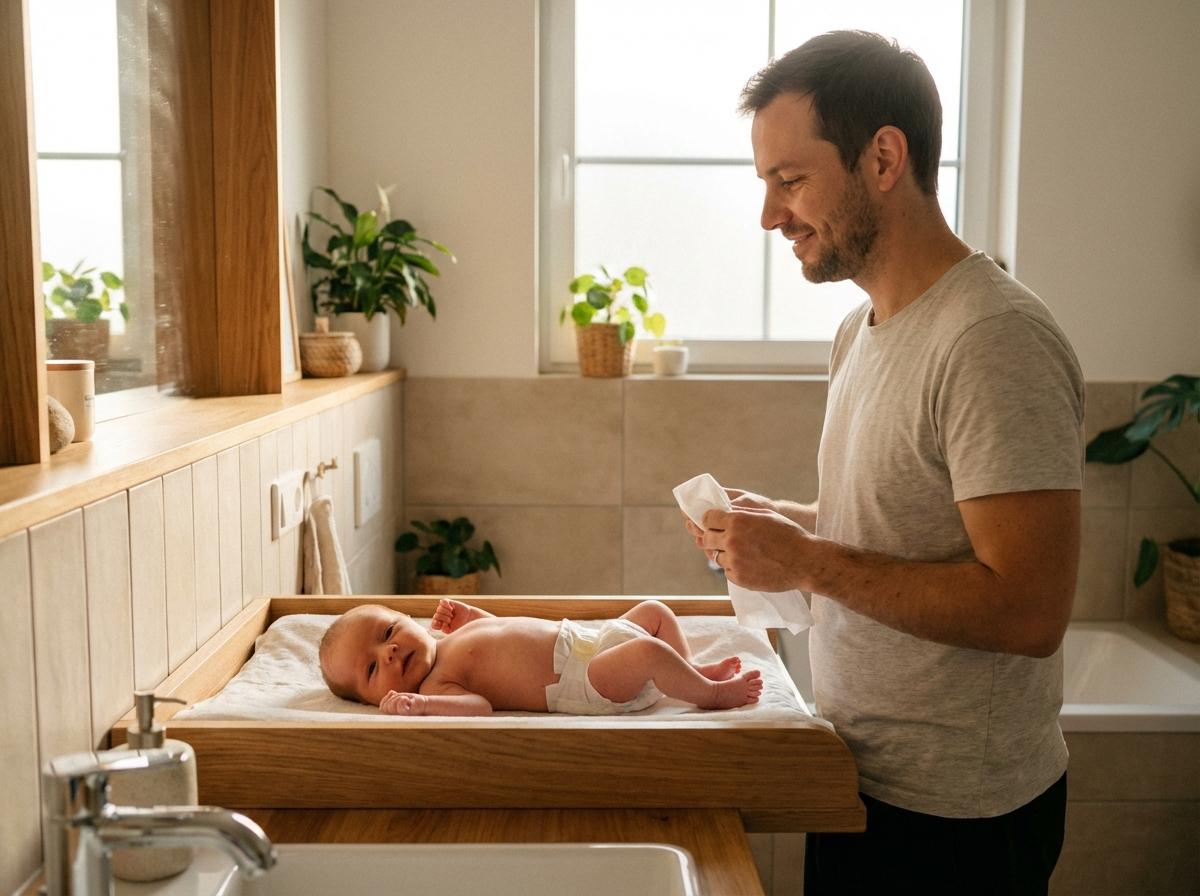
1) Hand hygiene and setup
Wash hands when possible (or sanitise if needed). Lay out wipes/water, towel, cream, disposal bag, and the clean diaper.
Anti-wiggle trick: slide the clean diaper under baby’s hips before removing the dirty one fully.
2) Unfasten and contain the mess
Open the tabs. If there is stool, use the front of the diaper to lift away the bulk gently, then fold the dirty diaper under the bottom like a “dirty layer.”
Avoid pulling up by the ankles. Instead, lift the pelvis gently or roll baby slightly to the side.
3) Clean thoroughly, without scrubbing
Clean front-to-back, especially for girls (this reduces the chance of bacteria moving toward the urethra). Focus on skin folds:
- Groin creases
- Between the buttocks
- Around the vulva/scrotum
- Upper thighs
Wipes are convenient, warm water + cotton can be soothing for very sensitive skin. Several gentle passes are better than one aggressive wipe.
Boys: clean externally, do not forcibly retract the foreskin.
Girls: clean folds gently, a small amount of whitish discharge in infancy can be normal—external cleaning is enough.
4) Drying: the underrated step
Pat dry, don’t rub.
If skin looks shiny or mildly pink, a few seconds of diaper-free air time can help. Keep baby warm by placing a towel lightly over the tummy while you finish.
5) Barrier cream: when it helps, when to skip
Use a thin layer when:
- Skin is pink or irritated
- Stools are frequent/loose (diarrhoea days, antibiotics)
- Your baby gets rashes easily
If skin is healthy and dry, you can often skip cream. Too many layers can leave residue and make cleaning harder.
6) Put on the clean diaper and do a fit check
Bring the front up and fasten snugly, not tight:
- Two fingers should fit under the waistband
- Pull leg ruffles/cuffs outward
- Ensure leak guards are not folded inward
For boys: point the penis downward before closing.
Deep red marks that don’t fade quickly suggest the diaper is too small/tight or poorly positioned.
7) Dispose, clean the surface, wash hands
Seal the diaper, dispose it in a pail or bag, wipe the surface if soiled, and wash hands again.
Diaper change tips for newborns
Frequency, including meconium days
Newborns often need very frequent diaper change cycles, especially in the first weeks. Checking every 2 to 3 hours and changing promptly after stool is a practical rhythm.
Meconium (dark, sticky first stool) can cling to skin. Warm water and soft cloths help, a thin barrier layer on clean, dry skin can reduce sticking for the next change.
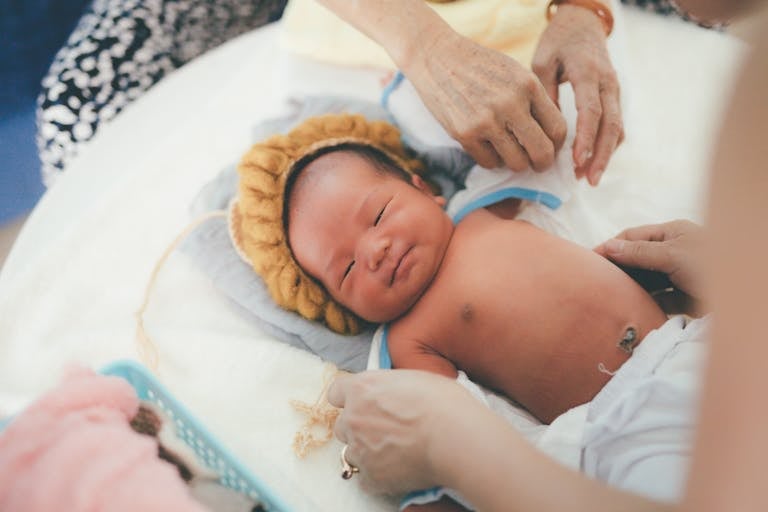
Umbilical stump care
Keep the stump dry and reduce friction:
- Fold the diaper edge down
- Prefer sponge baths until it falls off naturally
Call a clinician if you see spreading redness, swelling, foul smell, discharge, or fever.
Sensitive newborn skin
Warm water + cotton balls or a soft cloth is often very well tolerated. If wipes trigger redness, pause and simplify the routine.
Everyday diaper change routines for infants
Typical daytime rhythm
Many families anchor a diaper change around predictable moments:
- After waking
- Before naps
- After feeds (or before feeds if baby spits up with handling)
- Immediately after poop
Wiggly baby strategies
Rolling can start suddenly.
- Floor changes can be safer than a table
- Offer a distraction object you can see
- Keep one steady hand on the torso, pause, reset, and continue
Toddler diaper changes that feel easier
Standing changes and pull-ups
Standing changes work nicely for quick pee diapers. Pull-ups can make daytime changes faster and support independence, while tabbed diapers may contain leaks better at night.
Cooperation without power struggles
Toddlers dislike interruptions. What helps?
- Two simple choices (“Which diaper?” “Wipe first or diaper first?”)
- A short, consistent script
- Calm countdowns
Boys vs girls: small differences, same gentle routine
- Boys: cover the penis briefly if sprays happen, point downward before fastening.
- Girls: wipe front-to-back, clean folds gently without pulling the skin.
Poopy diaper changes without feeling overwhelmed
Containment and blowouts
A clean sequence is:
- Use the diaper front to remove bulk
- Fold dirty diaper under the bottom
- Clean baby fully (creases included)
- Change clothes if needed
- Disinfect the surface
If it’s a big mess, warm water in the bathroom can be faster than endless wiping.
Diarrhoea: skin protection and hydration clues
Diarrhoea raises rash risk quickly. During each diaper change, prioritise gentle cleaning, careful drying, and zinc oxide barrier.
Seek medical advice if you notice dehydration signs: fewer wet diapers, dry mouth, no tears, unusual sleepiness, or a sunken fontanelle.
Nighttime diaper change without derailing sleep
When to change overnight
Usually, you don’t need a diaper change for a sleeping baby with only a wet diaper, if there’s no leak and skin looks fine. Change at night for:
- Poop
- Leaks
- Strong odour
- Discomfort
Keep it dim, quiet, and efficient.
Overnight leak fixes
- Check fit first (waist and cuffs)
- Increase absorbency (overnight diaper, booster)
- Avoid tight pyjamas that compress the diaper
- Use mattress protection and keep spare sheets close
Diaper rash prevention and care during diaper changes
Prevention: clean, dry, protect
Most rashes improve with three habits repeated at every diaper change:
- Gentle cleansing
- Thorough drying
- Barrier protection when needed
Common triggers include over-wiping, friction, tight diapers, fragranced products, and lingering moisture.
When medical care can help
Ask for help if a rash:
- Lasts more than 3 to 5 days despite good care
- Worsens, bleeds, oozes, or forms blisters
- Spreads beyond the diaper area
- Comes with fever or marked pain
- Looks like yeast (very red, often in folds, sometimes with small “satellite” spots)
When diaper contents suggest a health issue
A diaper change also gives quick health clues.
Call for medical advice if you see:
- Blood in stool or urine
- Pale, clay-coloured stools
- Black tarry stool beyond newborn meconium days
- Markedly fewer wet diapers than usual
À retenir
- A diaper change is repeated skin care: less moisture, less friction, fewer irritants sitting on the skin.
- The best routine is steady: secure baby, clean gently, dry well, protect when needed, then do a fit check.
- Safety first on raised surfaces: follow the one-hand rule.
- Prompt poop changes protect the skin, wet diapers can be changed based on fullness, odour, leaks, and skin sensitivity.
- Persistent rash, open sores, fever, suspected yeast, or dehydration signs deserve medical advice.
- Health professionals can support you, and for personalised tips and free child health questionnaires, you can download the Heloa app.
Further reading :