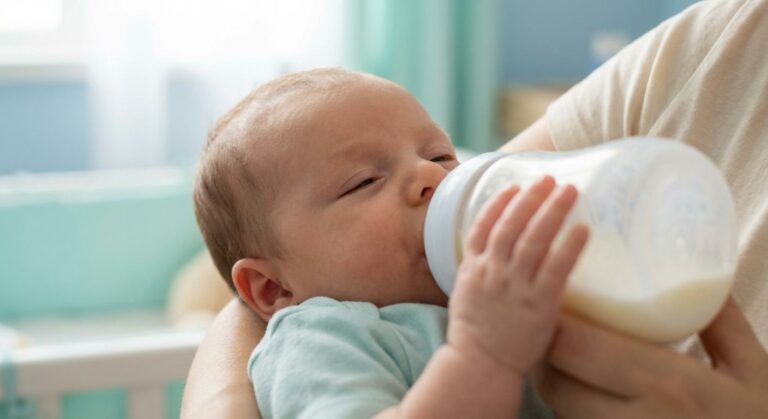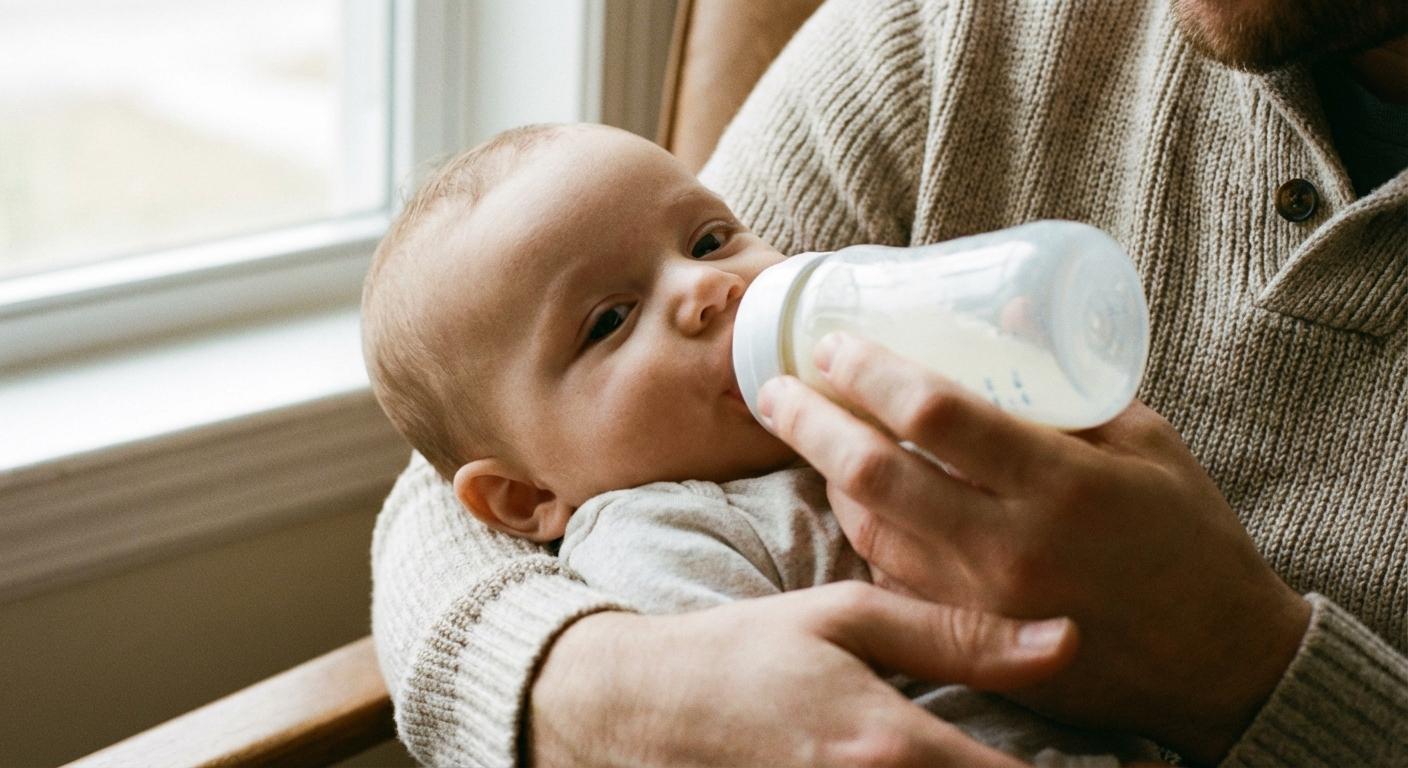
Constipation can look dramatic in a baby: a red face, grunting, knees pulled up, crying, and a tummy that feels tight. When stools come out as small, dry balls, or you notice a tiny streak of bright red blood from a small anal fissure, it is completely understandable to worry that your baby is in pain or that something is “stuck”.
Many families also hope to find something that feels gentle and “natural”. Mineral water is often seen as milder than medicines, and Hépar has a strong reputation in France as a “constipation mineral water”. The key is to separate what is known in adults from what is appropriate and safe in infants, because their kidneys and fluid balance are still maturing.
Why so many parents search “Hépar baby constipation”
In India, the search Hépar baby constipation often happens late at night, after a long bout of straining and crying that leaves parents worried and exhausted. The question sounds simple: “Can Hépar help my baby pass stool?” But the answer depends on age, feeding, hydration, and something most people do not think about first (how a baby’s kidneys handle minerals).
Hépar is famous in France for constipation in adults. For babies, it is better to slow down and weigh comfort against safety.

How to recognise real constipation in babies (frequency versus hard stools)
Constipation in babies is not mainly about “how many days without poop”. Stool frequency varies a lot:
- Some infants pass stool several times a day.
- Others, especially breastfed babies, may go 48–72 hours and still be fine.
A better way to judge constipation is this trio:
- Stool consistency: hard, dry, sometimes pellet-like
- Pain or distress: crying, clear discomfort
- Difficulty passing stools: long pushing with little result
If stools are soft, even with straining, it may not be constipation.
When it is not constipation: infant dyschezia
Some babies strain, grunt, turn red, and cry for minutes, then pass a soft stool. This often matches infant dyschezia: a phase where the baby has not yet coordinated pushing with relaxing the pelvic floor.
It looks intense. Still, if stools are soft and your baby feeds and grows well, it is different from constipation. Frequent rectal stimulation or repeated suppositories can irritate the area and make things worse.
Functional constipation: what it means and why it is common
“Functional constipation” means there is no underlying disease. Transit slows, the colon absorbs more water, and stools become dry and hard.
Common triggers include:
- switching from breast milk to formula, or changing formula
- bottles made too concentrated (too much powder vs water)
- starting solids
- after a painful stool, when withholding begins
This cycle is common: hard stool → pain → withholding → harder stool. It is often at this point that parents type Hépar baby constipation hoping for a quick softening effect.
Symptoms that may come with constipation
Along with hard stools, you may see:
- crying during bowel movements
- bloating, difficult gas
- reduced appetite
- a small anal fissure (tiny tear) with a streak of bright red blood
If there is vomiting, fever, marked abdominal swelling, refusal to drink, or unusual sleepiness, do not rely on home steps alone: seek medical advice promptly.
Why Hépar is often mentioned for constipation
Hépar is a highly mineralised natural mineral water. It contains sulfates, bicarbonates, and a high level of magnesium. Its dry residue is around 2,500 mg/L, far above waters usually used to prepare infant bottles.
That mineral profile explains its adult constipation reputation. For babies, the calculation is different.
How magnesium and sulfates may affect stools
Magnesium and sulfates can act osmotically: they draw water into the intestine. More water in the bowel can mean:
- softer stools
- easier passage
- less pain
This mechanism explains the popularity of Hépar baby constipation searches. Still, a mechanism is not the same as suitability for infants.
What highly mineralised water implies for a baby
A baby’s kidneys are still maturing. A mineral-rich water increases solute load and affects electrolyte handling. This is why Hépar is generally:
- not for routine use
- not for prolonged use
- not for everyday bottle preparation
What studies say about Hépar and constipation (adult evidence only)
The strongest data is in adults with functional constipation. A controlled trial in adult women found magnesium sulfate–rich mineral water improved constipation outcomes compared with low-mineral water.
What is missing: infant safety studies, infant dosing guidance, and infant efficacy data. That gap matters when parents consider Hépar baby constipation as a solution.
Can babies drink Hépar for constipation? Age and context matter
Before age 2, regular Hépar use is generally discouraged because:
- mineralisation is high
- breast milk or formula already covers hydration and minerals
- kidney capacity is still developing
If a clinician discusses Hépar baby constipation at all, it is typically as an exceptional, short-term option.
Around 4–6 months and starting solids
When solids begin, stools can slow. Parents then ask if “a little Hépar” can unblock things.
If considered, the approach is usually:
- occasional
- small amounts
- careful monitoring for diarrhoea, discomfort, diaper rash
- ideally confirmed by a clinician, especially for younger babies
If your baby is not on solids and is not offered water, the priority is usually milk feeds and preventing painful stools.
Frequent constipation: check these before changing water
Before trying Hépar, review:
- bottle preparation (correct scoops, no extra powder)
- water suitability for infant feeding
- formula tolerance (discuss changes)
- solids balance (rice, lots of carrot, less ripe banana can slow stools)
If constipation is recurrent, medical advice helps rule out less common causes and gives a clear plan.
Safety first: risks and precautions with a very mineral-rich water
Think beyond “Will it help poop?” Consider hydration and mineral balance. Be extra cautious if your baby has:
- diarrhoea
- vomiting
- fever
- reduced intake
When the effect goes too far
Hépar may soften stools, sometimes too much. Pause and seek advice if you see:
- very watery stools
- worsening diaper rash
- increased agitation or tummy discomfort
- fewer wet diapers
Infants can dehydrate quickly. The target is soft, comfortable stool, not diarrhoea.
When not to keep trying at home
If constipation lasts more than a few days despite simple steps, repeats often, or your baby is clearly in pain, avoid stacking multiple experiments. A clinician can guide a safer plan.
If a clinician validates Hépar: how it is sometimes used
If a clinician agrees to trial Hépar baby constipation measures, the safer pattern is:
- start small
- observe for 24–48 hours
- keep it short-term
A practical approach sometimes mentioned is adding 10–20 mL to a bottle, then reassessing. Exact amounts depend on age, weight, feeding type, and symptoms, so individual guidance matters.
Once stools are comfortable, most plans return to the usual infant-suitable water. Hépar is not meant to become daily baby water.
Breastfed baby: if the mother drinks Hépar
Some families ask if the breastfeeding mother drinking Hépar will help. The effect is variable and often modest. If constipation is painful or persistent, tailored guidance is better than relying on this alone.
Which water to use daily for bottles (and how to compare)
For everyday bottles, low-mineral water limits electrolyte load. Formula already provides minerals in balanced proportions.
Understanding “dry residue”
Dry residue is total mineral content after evaporation at 180°C. Lower means lighter in minerals.
Hépar sits very high, which is why Hépar baby constipation discussions usually focus on short, exceptional use rather than routine feeding.
India-friendly practical note on water for bottles
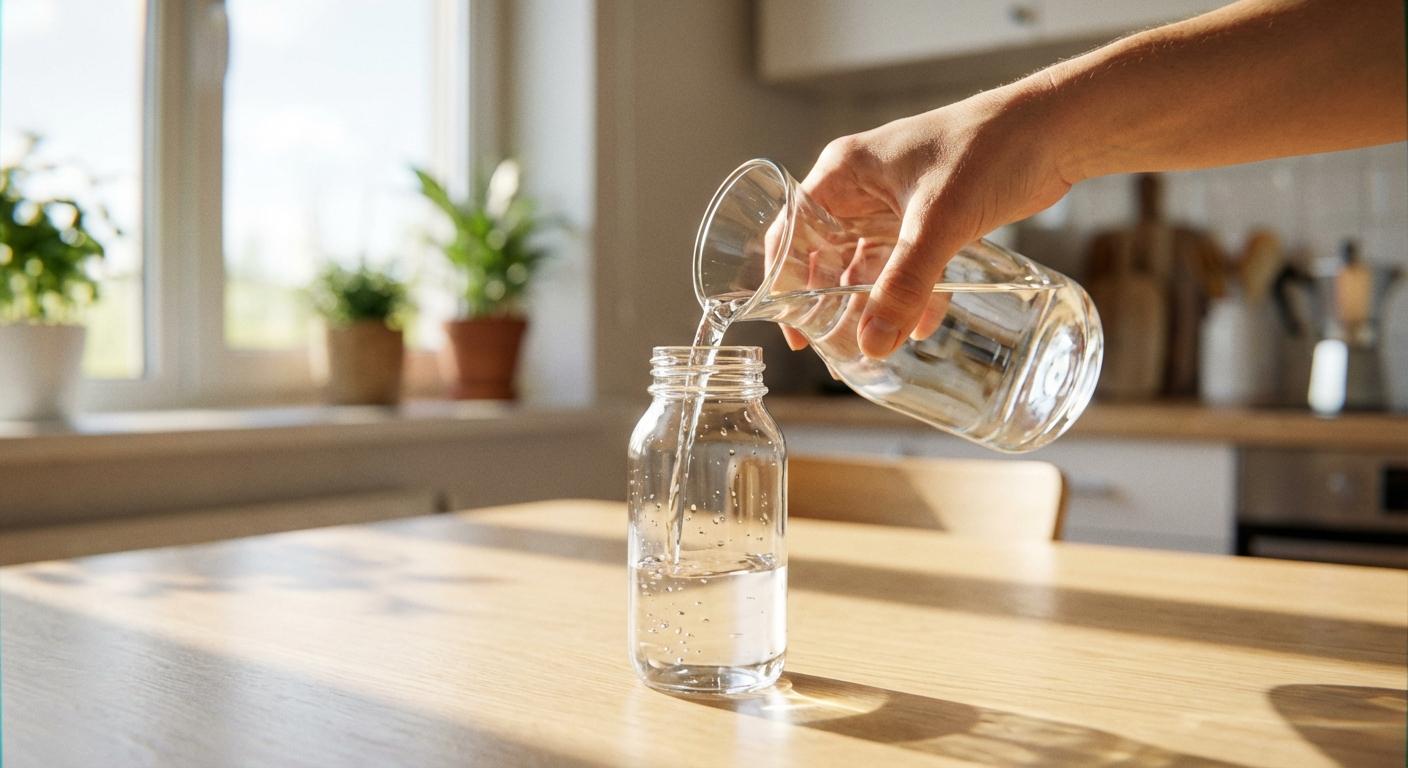
In India, many families use boiled and cooled potable water for formula, as per their paediatrician’s advice. If choosing packaged water, check that it is suitable for infant feeding, and avoid very high mineral waters for daily use.
What to try first for baby constipation (age-appropriate)
- gentle clockwise tummy massage
- bicycle legs
- warm bath to relax the pelvic floor
- gentle knee-to-tummy flexion (no forcing)
Feeding foundations (especially before solids)
Breast milk or correctly prepared formula is the base. Check for reduced intake (illness, heat, longer gaps) and ensure correct bottle concentration.
After solids: food changes that often help
Depending on age and tolerance:
- foods that may help: prune, pear, apricot, fibre-rich vegetables
- foods that can slow stools if used heavily: rice, lots of carrot, less ripe banana
Go gradually, and watch your baby’s response.
When to seek medical advice
Seek urgent advice if your baby has:
- vomiting
- fever with bowel symptoms
- very distended or painful tummy
- refusal to drink, poor feeding, weight loss or poor growth
- dehydration signs (dry mouth, fewer wet diapers, unusual sleepiness)
- blood in stool beyond a tiny fissure streak
Newborn red flags include not passing meconium, persistent vomiting, poor feeding, or marked abdominal distension.
Medicines, suppositories, enemas: avoid self-treatment
In infants, laxatives, suppositories, and enemas should not be used without medical advice. Incorrect dosing can cause diarrhoea, irritation, and electrolyte disturbance.
À retenir
- Constipation is mainly hard stools and pain, not frequency alone.
- Hépar baby constipation is searched because magnesium and sulfates may soften stools via an osmotic effect.
- Hépar is highly mineralised (dry residue ~2,500 mg/L) and not suitable as daily baby water.
- Before age 2, regular use is generally discouraged, if used for Hépar baby constipation, it should be short-term and clinician-guided.
- Stop and seek advice if stools become watery, rash worsens, your baby seems unwell, or wet diapers drop.
- First steps: correct bottle prep, comfort measures, and diet balance after solids.
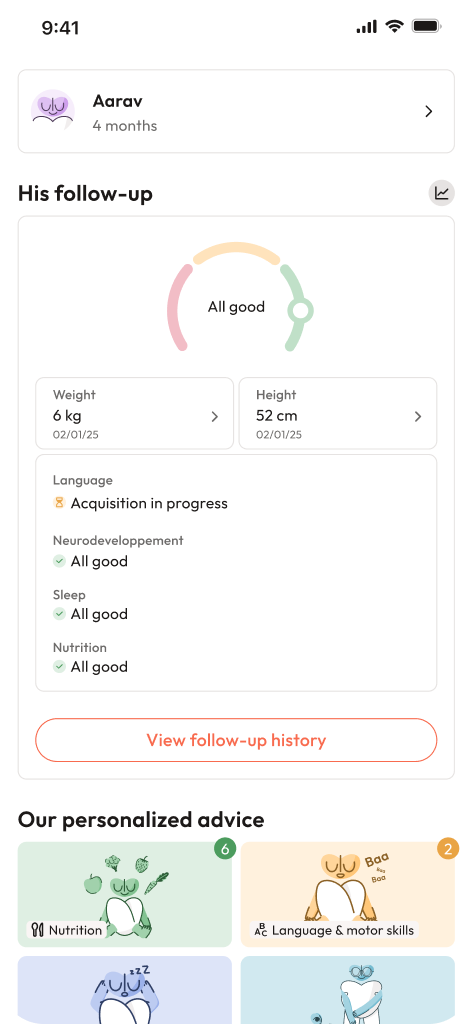
- If you want extra support, there are professionals who can guide you, and parents can also download the Heloa app for personalised advice and free child health questionnaires.
Further reading: