

Breastfeeding is often called “natural”, yet it can feel like a daily puzzle: pain at latch-on, feeds that run on and on, a baby who gets upset at the breast, engorgement that feels tight, or the clock ticking towards return to work. When several problems arrive together, it is common to wonder: will a breastfeeding consultation genuinely help, or will it be the same generic advice everyone gives?
A breastfeeding consultation brings two things together: real-time observation (watching a full feed) and lactation physiology (how milk production and milk ejection work). The aim is straightforward: better comfort, clearer signals you can trust, and a plan that fits your baby and your routine.
Breastfeeding consultation: what it is and why it helps
A breastfeeding consultation is a focused appointment for the parent-baby pair (often called the mother-baby dyad). It can support many goals: exclusive breastfeeding, combination feeding, exclusive pumping, relactation, or a gradual wean.
Many feeding concerns are not about willpower. They come from:

- Latch mechanics (depth, seal, nipple compression)
- Positioning (baby alignment and stability)
- Milk flow patterns (slow let-down, fast let-down)
- Recovery and health factors (postpartum fatigue, caesarean, prematurity, jaundice)
- Logistics (sleep loss, bottle timing, pumping around work)
A breastfeeding consultation translates worries into things you can see, feel, and change.
What a lactation consultant does during a visit
Most sessions begin with listening, then move quickly into practical assessment. In many Indian settings, this might happen in a hospital lactation room, an outpatient clinic, or as a home visit, virtual support is also growing.
A typical breastfeeding consultation may include:
- A short, targeted history: birth details, recovery, baby health, weight trend, feeding rhythm
- Observation of a full feed: latch comfort, suck–swallow–breathe coordination, pauses, swallowing sounds
- Review of diaper output and any recent weights
- If needed, discussion of supplementation that protects breastfeeding (expressed milk, donor milk where available, or formula)
- If you pump: guidance on flange fit, settings, and a schedule that is sustainable
- A written or clearly structured plan: what to do now, what to monitor, and when to recheck
A lactation consultant does not replace a doctor. They do not prescribe medicines. But a good breastfeeding consultation includes knowing when to refer for medical assessment, for example fever, suspected breast infection, significant jaundice, dehydration risk, or inadequate weight gain.
IBCLC breastfeeding consultation: what the credential means
An IBCLC (International Board Certified Lactation Consultant) has advanced lactation education, supervised clinical experience, and an international exam, plus continuing education. For parents, this often means the advice is anchored in what is observed during the feed and current clinical practice, not one-size-fits-all rules.
An IBCLC-led breastfeeding consultation can be especially valuable when:
- Pain persists despite basic changes
- Baby’s weight gain is worrying
- Baby was preterm or had NICU care
- There is suspected tongue-tie (ankyloglossia) affecting function
- You have recurrent plugged ducts or mastitis
Breastfeeding consultation: involving the co-parent and changing goals
Feeding is not a solo project, even when only one parent is breastfeeding. In a breastfeeding consultation, the co-parent can learn:
- how to support positioning (pillows, baby alignment, side-lying safety)
- early hunger cues vs late cues (crying is a late cue)
- paced bottle feeding if bottles are used
- how to manage pump parts, cleaning, and milk storage
Goals can also shift. Exclusive breastfeeding may become combination feeding, pumping may become the main method, weaning may be chosen earlier than planned. A breastfeeding consultation can reduce pressure and help you move forward in a way that keeps baby nourished and parent supported.
When to book a breastfeeding consultation
Earlier support usually saves time, pain, and confusion. Consider booking a breastfeeding consultation in the first 24–72 hours if latch feels difficult, feeding is painful, baby is very sleepy, or you want reassurance about milk transfer.
Early help is also useful after a caesarean, heavy bleeding, or NICU admission, because these situations can affect stamina, timing, and milk removal plans.
Prenatal breastfeeding consultation: planning ahead
A prenatal breastfeeding consultation can prepare you for the first days: what effective feeding looks like, how often newborns feed, and what to request right after delivery.
It can be helpful if you:
- had a difficult breastfeeding experience earlier
- had breast surgery
- have thyroid disease, diabetes, or PCOS
- are planning early pumping or combination feeding
- expect possible separation (risk of prematurity or neonatal hospitalisation)
Latch problems and unstable feeds
Book if your baby:
- slips off repeatedly
- makes clicking sounds at the breast
- dribbles milk
- looks like they are working hard but not settling
In a breastfeeding consultation, you may try cross-cradle, football hold, side-lying, or laid-back feeding. Often the change is small but high impact: baby’s chin position, a wider gape, closer body contact, and a deeper latch.
Breastfeeding pain and nipple damage
Some early tenderness can happen, but pain that continues through the feed, makes you dread nursing, or causes cracked/bleeding nipples needs assessment.
Common causes explored in a breastfeeding consultation:
- shallow latch with nipple compression (pinched shape after feeds)
- engorgement making the areola firm, so baby cannot take a big mouthful
- poor alignment leading to friction
- vasospasm (nipple turns white then blue/purple with burning pain, often triggered by cold)
Low milk supply worries: supply vs transfer
Many parents fear low supply when the issue is actually low transfer: milk is there, but baby is not removing it efficiently.
A breastfeeding consultation looks at:
- swallowing frequency and rhythm
- baby’s seal and endurance
- diaper output and weight trend
If low production is suspected, it may be important to discuss medical contributors with your clinician (thyroid disorders, retained placental tissue, postpartum haemorrhage, PCOS, diabetes, medication effects) before considering galactagogues.
Fast let-down and oversupply
If milk sprays, baby coughs, gulps, pulls off, or seems very gassy and unsettled, a breastfeeding consultation can help with positions that slow flow (often laid-back) and pacing strategies. Sometimes the key step is reducing unnecessary pumping that is driving oversupply.
Plugged ducts and mastitis history
A tender lump can be milk stasis or a plugged duct. Early support focuses on comfort and milk movement, without harsh, painful massage.
If there is fever, chills, a red hot patch, or flu-like symptoms, seek medical care promptly. A breastfeeding consultation can still support safe feeding or pumping while you get medical treatment.
Urgent signs: when to seek help quickly
Seek urgent medical care (alongside lactation support) if:
- Baby: very sleepy and difficult to wake for feeds, markedly fewer wet diapers, dehydration signs (dry mouth, lethargy), breathing difficulty, high fever, or worsening jaundice.
- Parent: fever with breast pain/redness, rapidly spreading redness, severe unwell feeling.
Diapers, weight, and jaundice: simple reference points
These are not meant to create anxiety. They are practical markers.
- Day 4–5 onward: many babies pass around 6–8 wet nappies in 24 hours.
- Early weight loss is common in the first 3–5 days (often up to about 7–10%), then many babies regain birth weight by day 10–14.
- After the first week, typical gain is often around 20–30 g per day.
If jaundice appears in the first 24 hours, spreads quickly, or comes with sleepiness and poor feeding, prompt medical assessment is needed.
Where a breastfeeding consultation can happen (India-friendly options)
- In hospital: request lactation support early, many hospitals have lactation rooms or visiting IBCLCs.
- Outpatient clinic: useful for ongoing pain, weight concerns, pump troubleshooting, and sometimes weighted feeds.
- Home visit: helpful when travel is difficult post-delivery, or when you want guidance in your own feeding setup.
- Virtual breastfeeding consultation: works well for technique coaching, pump setup, bottle pacing, and follow-ups, in-person is better for severe pain, worrying weight, suspected infection, or when a hands-on exam is needed.
Benefits parents often notice
After a well-run breastfeeding consultation, parents commonly report:
- less pain and quicker, calmer latching
- clearer signs of effective feeding (swallowing, baby settling, breast softening)
- less guesswork about supply and supplements
- a routine that feels doable, not punishing
Cost and access: what to ask
Costs vary by city, provider training, and setting (clinic vs home vs online). If budget is a concern, ask about shorter follow-ups, package plans, or community breastfeeding programmes.
If you have insurance or employer benefits, ask:
- Are lactation visits covered (in-person and telehealth)?
- Is an IBCLC required for reimbursement?
- Is a referral needed?
- How many visits are covered?
Breastfeeding consultation follow-up and ongoing support
Follow-up can be useful if pain is improving but not resolved, baby’s weight needs rechecking, or you are adjusting pumping/supplementation. As babies grow, feeding changes too (more distraction, teething, illness). A second breastfeeding consultation can fine-tune the plan without starting from zero.
Questions parents ask
How much does a breastfeeding consultation cost, and is it ever covered?
Prices vary by city and provider (IBCLC vs other credentials), and whether it is a home visit, clinic visit, or virtual appointment. Some families pay out of pocket, some can access partial reimbursement through private insurance, workplace benefits, or hospital programmes. If budgeting is a concern, ask about sliding-scale fees or lower-cost support options.
How many lactation visits will I need?
Many families feel real relief after one focused breastfeeding consultation plus a short follow-up to adjust the plan. More visits can help when several factors are present (pain plus weight concerns, NICU transition, twins, pumping plus return to work). A supportive consultant usually proposes step-by-step progress, not endless appointments.
Are online breastfeeding consultations actually effective?
Yes, for many needs: prenatal planning, latch coaching, pumping setup, bottle pacing, and routine troubleshooting. If there are red flags like dehydration signs, significant weight issues, or severe breast symptoms needing an exam, in-person care is often the better choice.
À retenir
- A breastfeeding consultation is a personalised, clinical assessment of feeding, comfort, and milk transfer, followed by a practical plan tailored to your baby and your daily life.
- An IBCLC brings advanced training and is especially helpful for persistent pain, prematurity/NICU transitions, slow weight gain, suspected tongue-tie, and recurrent mastitis.
- Book a breastfeeding consultation early if latch is painful, baby seems unsatisfied despite frequent feeds, diapers are low, or return-to-work planning is approaching.
- Seek urgent medical care for maternal fever with breast redness/pain, or for a baby who is very sleepy, feeding poorly, producing fewer wet diapers, or showing dehydration signs.
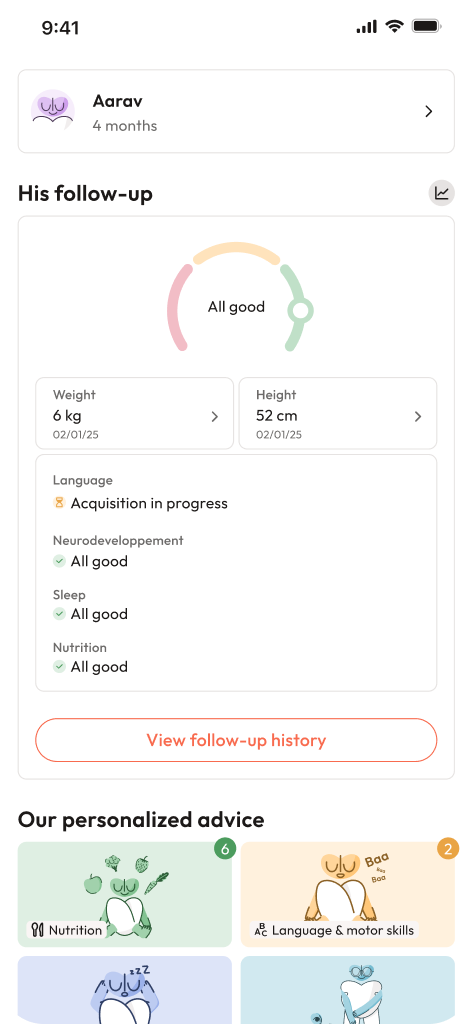
- Helpful support exists, and you can download the Heloa app for personalised guidance and free child health questionnaires.

Further reading:
- WIC Breastfeeding Support (https://wicbreastfeeding.fns.usda.gov/)
- Breastfeeding Services (https://www.pennmedicine.org/specialties/obstetrics-maternity/breastfeeding-services)