
Baby stools can feel like a daily status update. One nappy looks perfectly mustard-yellow… the next is green, looser, stronger-smelling, and the question comes immediately: “Is this normal?” In most Indian homes, where feeding may shift between exclusive breastfeeding, mixed feeding, and then family foods, these changes can look even more unpredictable.
The good news: baby stools change a lot during the first year. Feeding, gut maturation, the gut microbiome (healthy intestinal bacteria), and even minor viral infections can all play a role. Colour, texture, and frequency matter, yes, but never alone. What matters equally is how your baby looks and behaves outside the diaper.
Why baby stools change so much
Baby stools are the end result of digestion: whatever the intestine does not absorb (water, fat residues, fibres), mixed with bacteria from the gut microbiome and digestive pigments (mainly bile pigments).
Most variations come from three drivers:

- Feeding: breast milk, infant formula, then solids during weaning
- Intestinal transit time: when food moves quickly, pigments have less time to turn brown, so stools can look greener
- Maturation of the liver and intestine: in the first weeks, digestion is still settling, and nappies can look dramatic
A simple, calming check: if your baby feeds well, has no fever, passes urine regularly, gains weight, and stays alert, a single change in baby stools is usually not a danger sign.
Baby stools and feeding: common patterns
Breastfed babies
Many breastfed babies pass mustard yellow baby stools that are soft to semi-liquid, sometimes “seedy” (tiny grainy bits of milk fat). The smell is usually mild. In the early days, some feeds end with a poop, and that can be completely typical.
Formula-fed babies
With formula, baby stools are often thicker and more formed. Colour commonly ranges from pale yellow to light brown. The smell can be stronger. Frequency varies a lot: some babies pass stools daily, others every 2-3 days.
Starting solids (often around 4-6 months)
When weaning starts, baby stools often become browner, smellier, and sometimes firmer. You may notice undigested pieces (vegetable skins, fibres). Chewing is still immature, and the intestine is learning new textures.
Medicines and supplements (iron focus)
Iron drops or iron-fortified formula can darken baby stools: dark green or black-green, sometimes thicker. If your baby is otherwise fine, this is expected.
Some antibiotics can also change stool appearance by disturbing the microbiome or speeding up transit. A very useful question is: What changed in the last few days: feeding, formula brand, new foods, medicines, or a tummy bug in the house?
Baby stools by age: flexible milestones (not strict rules)
Meconium (the first stool)
Meconium is the first stool: black to very dark green, sticky, thick. It formed during pregnancy (mucus, cells, pigments, swallowed amniotic fluid). It usually passes within 24-48 hours (sometimes up to day 3).
- No meconium after 48 hours: seek medical advice quickly
- Beyond 72 hours: evaluation is needed to confirm the digestive tract is open and functioning
Transitional stools
After meconium, baby stools often turn brown-green, then shift towards yellow/green/brown depending on milk feeds. Texture becomes less sticky and more pasty.
0-6 weeks
- Breastfed: often several stools per day, sometimes after each feed
- Formula-fed: often one per day, sometimes one every 2-3 days
After 4-6 weeks, some breastfed babies may stool far less frequently (even every 3-7 days). Reassuring signs: stools remain soft, baby is comfortable, weight gain is good, and there are plenty of wet nappies.
Baby stools colour: what it can mean
Colour can be eye-catching. Still, interpret baby stools with your baby’s overall condition.
Bright yellow
Very common, especially with breastfeeding. Usually reassuring if your baby is thriving.
Pale yellow to light brown
Common with formula. Shade varies, texture may be denser, and this can be normal.
Green
Green baby stools often reflect faster transit. They can also appear after a formula change or with iron. If your baby feeds well, has no fever, and shows no dehydration, green stools are most often benign.
Dark green / black-green
Common with iron. However, persistent tarry black stools outside the meconium period and without iron should be discussed, as it may indicate digested blood.
Red
A small streak of bright red blood can come from an anal fissure (a tiny tear) after hard stools, usually seen on the stool surface or on wiping.
Blood can also suggest irritation, infection, or (more rarely) cow’s milk protein allergy. If blood is repeated, abundant, or linked with fever, pain, pallor, or marked tiredness, seek medical advice promptly.
White / grey / clay-beige
This is a warning sign. Very pale baby stools can suggest not enough bile reaching the intestine (possible cholestasis, meaning poor bile flow). Even if your baby seems well, this needs urgent medical assessment.
Baby stools texture: normal variation vs signs to watch
Very loose stools
Especially in breastfed babies, very soft baby stools can look impressive and still be normal.
Diarrhoea is more likely if you notice:
- a sudden change from the usual pattern
- clearly watery stools that are more frequent
- a new, unusual smell
- associated symptoms (fever, vomiting, lower energy, lots of mucus, blood)
Main risk: dehydration
Watch for fewer wet nappies, dark urine, dry mouth, crying without tears, unusual sleepiness, refusing feeds, or weight loss. In this situation, seek medical advice without delay.
Thick stools
More common with formula. Constipation is mainly when stools are hard, dry, and painful to pass, rather than simply “not daily”.
Hard, pellet-like stools
Often suggest constipation (sometimes with an anal fissure). Seek advice if there is a distended belly, vomiting, reduced intake, marked discomfort, or constipation that persists.
Mucus
Small traces can appear occasionally. But abundant, repeated mucus, especially with diarrhoea, blood, fever, or pain, deserves medical advice.
Baby stools frequency: helpful ranges, not a competition
There is no “one poop per day” rule. Some babies pass stools after nearly every feed, others much less.
Concern is more about a frequency change with symptoms, for example:
- very frequent watery stools with a baby who looks unwell
- no stools plus significant pain and hard stools when they finally appear
A simple indicator often more reliable than the number of stools: overall condition (appetite, energy), weight gain, and wet nappies.
Common real-life situations: connect the nappy to the context
Some patterns are very typical:
- Formula change or mixed feeding: a few days of different baby stools can happen
- New foods: surprising colours, undigested pieces, stronger odour
- Iron: darker stools, sometimes greenish
A grounding question many parents find helpful: Is my baby well outside the nappies?
Teething and baby stools
Teething can sometimes change baby stools slightly. Babies swallow more saliva, and they put more objects in the mouth, which can mildly speed up digestion. Result: slightly looser stools, more frequent nappies, or more irritation around the bottom.
If your baby is drinking well, peeing normally, and active, it is often temporary. If stools become very watery, or fever/vomiting appears, something else may be going on at the same time, so do seek medical advice.
Foamy stools: when it can happen
Foamy or bubbly baby stools can occur, especially in young babies. Foaminess often comes from gas mixed into very loose stools. You may notice it with a brief tummy upset, a change in feeding rhythm, or sometimes when a breastfed baby gets a lot of “foremilk” (more lactose, less fat) during frequent short feeds.
Some parents try slightly longer feeds on one side before switching, without pressure. If foaminess is persistent and linked with poor weight gain, lots of fussiness, blood, or frequent watery diarrhoea, discuss it with your clinician.
Pooping after every feed: a normal reflex
Many babies, especially in the first weeks, pass baby stools right after feeds. This is due to the gastrocolic reflex: when the stomach fills, the intestines start moving more. It usually settles as your baby grows. As long as stools stay soft and your baby is thriving, there is generally no worry.
When to seek medical advice
Urgent
- White/grey/clay-beige baby stools
- Signs of dehydration
- Repeated vomiting with inability to keep fluids down
- A baby who is very sleepy, very listless, or unusually difficult to wake
Prompt advice (same day / within 24 hours depending on age)
- Visible blood (especially if repeated or abundant)
- Black stools outside meconium and without iron
- Diarrhoea with fever, significant mucus, or refusal to feed
For a baby younger than one month, it is reasonable to seek advice whenever an unusual sign worries you.
What helps the clinician
If possible, note (or photograph in daylight): colour, consistency, amount, frequency of baby stools, feeding details, medications (including iron), and associated symptoms.
To remember
- Baby stools change often in the first year due to feeding changes and gut maturation.
- Colour, texture, and frequency should be considered together, with hydration and overall condition.
- Green stools and darker stools with iron are often normal, white/grey/clay-beige stools need urgent assessment.
- With true diarrhoea, the biggest concern is dehydration: fewer wet nappies, dry mouth, unusual sleepiness, poor feeding.
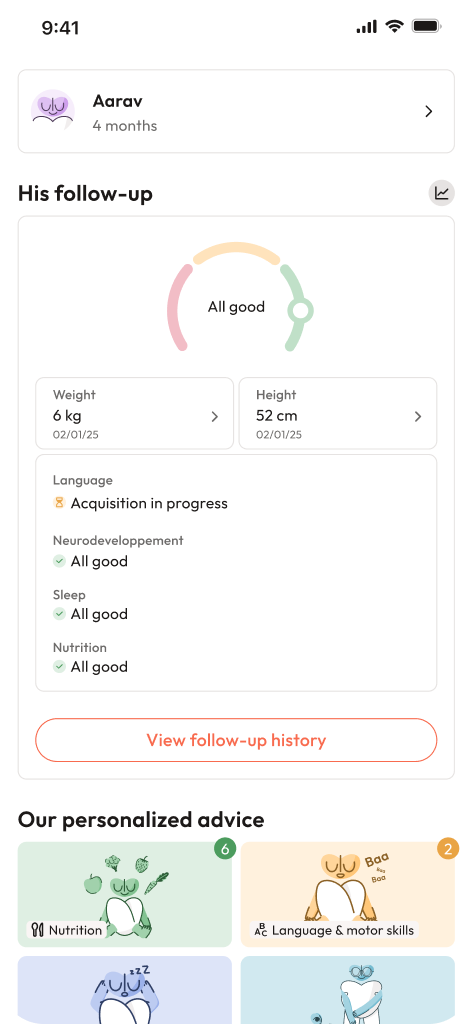
- If you are worried, healthcare professionals can guide you. For personalised support and free child health questionnaires, you can also download the Heloa app.

Further reading :