Babies’ skin in the diaper area lives in a tough climate: warmth, moisture, friction, and frequent contact with urine and stool. So when diaper rash shows up (redness, soreness, sometimes a sting at every change), it can feel endless. Is it just irritation? Could it be yeast? Should you change products, change diapers more often, or call a clinician? The good news: most diaper rash improves fast with a few targeted habits, and the pattern of the rash often gives useful clues.
Diaper rash: what it is (and what the skin is doing)
Diaper rash is a broad term for inflammation in the diaper-covered skin. Clinicians often say diaper dermatitis.
What’s happening under the surface? The outer layer of skin (the stratum corneum) works like a brick wall: cells are the bricks, lipids are the mortar. In babies, that wall is still “under construction.” Add occlusion (the diaper acts like a warm cover), and the skin becomes over-hydrated, called maceration, so it tears more easily.
Then chemistry joins the party. Urine can break down into ammonia and raise skin pH. A higher pH boosts the activity of stool enzymes (proteases and lipases) that can irritate skin. Moisture + friction + enzymes: that trio explains a large share of diaper rash.


Where diaper rash tends to appear
Most diaper rash shows up on:
- Buttocks
- Vulva/scrotum and surrounding genital skin
- Upper inner thighs
- Around the anus
A detail that matters: skin folds. Many irritant rashes hit the more exposed “rounded” areas first and may spare deep creases. A rash that lights up the folds, especially with small surrounding bumps, often points toward yeast.
What diaper rash looks like (and what babies may show you)
You may notice:
- Erythema (redness) in patches or across a wider zone
- Shiny or moist-looking skin
- Mild peeling as the area heals
- Tenderness: crying or stiffening when urine touches the skin, or during wiping
Mild diaper rash often stays superficial: redness, maybe a little dryness, but no open skin. More intense inflammation can look brighter red, swollen, and very sensitive.
If the skin barrier breaks, you might see erosions (raw areas), cracks, oozing, or tiny bleeding points. That’s a signal to simplify care and consider medical advice, especially if there’s pus, crusting, a bad smell, or spreading redness.
Why diaper rash happens (risk factors that add up)
Many triggers overlap. More than one can be true at the same time.
Moisture and prolonged contact with urine/stool
Time is a big variable. The longer wetness sits against the skin, the more maceration and irritation build.
Diarrhea deserves special mention: frequent stools, higher enzyme exposure, and less “recovery time” between changes can make diaper rash flare quickly.
Friction and chafing
A diaper that rubs on damp skin scrapes away that fragile surface layer. Tight fit can increase friction in creases, a loose fit can also rub if it shifts.
And yes, vigorous cleaning can behave like friction too.
Overnight occlusion and infrequent changes
Overnight, diapers stay on longer in a warm, closed environment. Even highly absorbent diapers can’t fully prevent moisture at the skin surface.
New foods and stool changes
Starting solids, teething (more drool swallowed), viral gastroenteritis, many everyday baby phases change stool frequency or acidity. The skin reacts.
Antibiotics and yeast overgrowth
After antibiotics (for baby, and sometimes after maternal antibiotics in breastfeeding), the usual microbial balance can shift and Candida may overgrow. When an irritant diaper rash doesn’t improve with barrier care, or when folds are involved with “satellite” spots, yeast moves up the list.
Wipes, soaps, fragrance, dyes, adhesives
Some babies tolerate many products, others flare after one change in brand.
Two mechanisms are common:
- Irritant contact dermatitis: stinging, redness from harsh ingredients or frequent wiping
- Allergic contact dermatitis: a delayed immune reaction, often patterned where the product touches
Fragrance and dyes are frequent culprits. So are some preservatives.
Heat, humidity, and low airflow
Warmth increases sweating. Humidity slows drying. Yeast and bacteria also prefer a moist environment.
Sensitive or eczema-prone skin
If a baby has atopic dermatitis tendencies, the skin barrier is already less efficient. That doesn’t mean diaper rash is inevitable, it means the threshold for irritation can be lower.
Thrush and “back-and-forth” yeast exposure
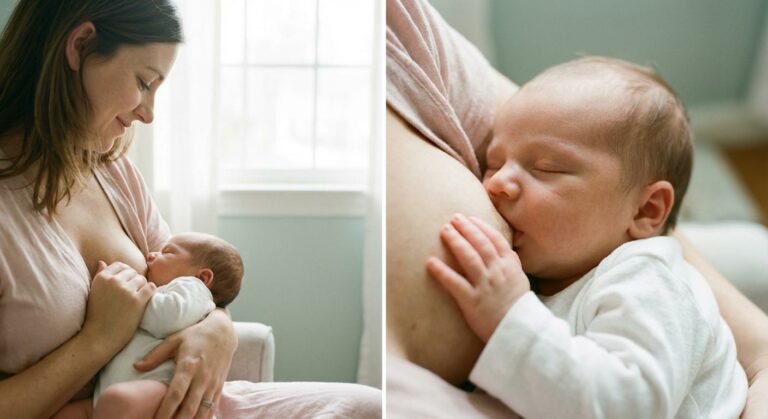
Some babies have yeast in more than one place: oral thrush (white plaques in the mouth that cling) plus candidal diaper involvement. In breastfeeding, nipple symptoms can also feed a loop of reinfection. Coordinated treatment can stop the cycle.
Different diaper rash patterns (how parents can tell them apart)
A quick question can help: “Where is it worst, on the rounded surfaces or in the folds?”
Irritant diaper rash (most common)
Typical features:
- Diffuse redness on buttocks/genitals/upper thighs
- Often spares the deepest folds early on
- Improves with moisture reduction + barrier support
With consistent care, irritant diaper rash often shows a clear shift in 24–48 hours.
Yeast (candidal) diaper rash
Clues that suggest Candida:
- Bright, beefy-red rash
- Strong involvement of folds (groin creases, between buttocks)
- Satellite lesions: small red bumps or pustules around the main rash
- Sometimes a whitish, creamy film on the reddened skin
A candidal diaper rash usually lingers if you only use barrier cream without an antifungal.
Bacterial involvement
Seek extra caution if you see:
- Pus or drainage
- Increasing warmth/swelling
- Rapid spread
- Honey-colored crusts (a classic impetigo sign)
Some bacterial rashes are disproportionately painful.
Allergic contact rash
Often:
- Matches exposure zones (diaper edges, wipe contact areas, where a cream is applied)
- Can be itchy
- Recurs with re-exposure
If the rash began right after switching diapers/wipes/cream, consider going back to a very simple routine for a week.
When it may not be “diaper rash”
Other conditions can mimic it:
- Seborrheic dermatitis (greasy scale, may come with cradle cap)
- Atopic dermatitis (dry, itchy patches, often beyond diaper margins)
- Psoriasis (sharply bordered plaques, sometimes scale)
- Miliaria (heat rash: small red bumps after sweating)
If a rash is recurrent, widespread, or oddly shaped, a clinician may want to look closely.
Preventing diaper rash: a simple routine that works
Prevention is rarely about one perfect product. It’s about reducing contact time and protecting the barrier.
Change diapers promptly
Many babies do well with changes every 2–3 hours in the day, and sooner after stools. During diarrhea, you may need to check far more frequently.
Clean gently, then dry
Think “lift away” rather than scrub.
- If stool is stuck, rinse with lukewarm water instead of repeating wipes
- Pat dry, rubbing increases friction
- Don’t forget folds: moisture hides there
Choose wipes with fewer irritants
Fragrance-free, alcohol-free wipes are often better tolerated. If wipes sting, switch temporarily to water + soft cloth.
Add diaper-free air time
Even 10–20 minutes on a towel can change the trajectory of diaper rash, especially after a bowel movement. Airflow reduces moisture and friction at once.
Use a barrier early
Barrier products act like a raincoat for the skin.
- Zinc oxide pastes are thick and protective during flare-ups
- Petrolatum can be excellent for daily friction reduction
Treating diaper rash at home: practical, step-by-step care
When diaper rash appears, aim for three goals: reduce irritants, reduce friction, and rebuild the barrier.
1) Gentle cleansing
Options that reduce stinging:
- Lukewarm water + soft washcloth
- A peri/squirt bottle to rinse away stool with minimal rubbing
If you use soap, keep it mild, fragrance-free, and occasional.
2) Dry thoroughly (without overdoing it)
- Pat dry
- Give a minute or two of air drying
- Dry creases carefully
If the skin is very sore, diaper-free time becomes part of treatment.
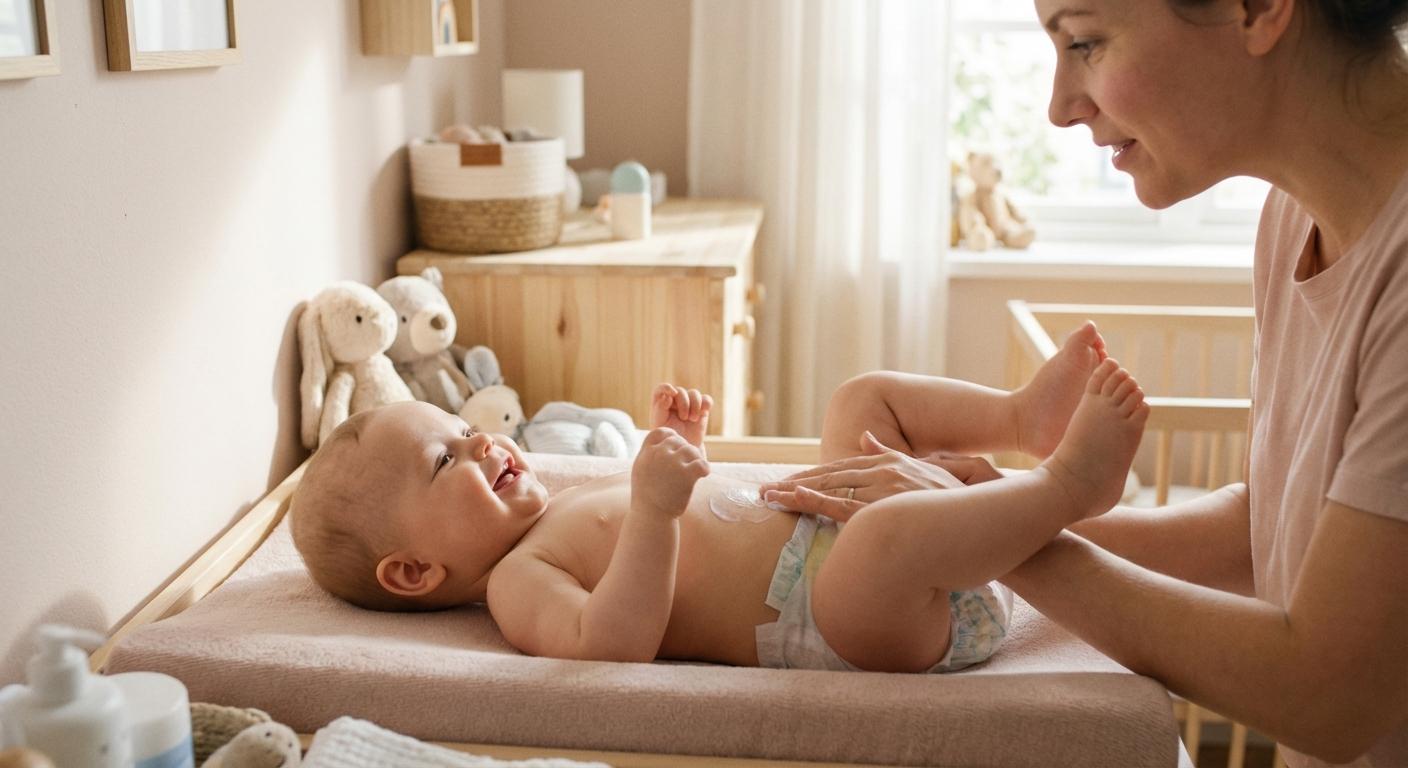
3) Apply a thick barrier layer
A useful mental image: frosting on a cake. The diaper should slide on the cream, not on the skin.
During a flare, apply barrier at every change.
4) Don’t feel forced to remove every trace each time
If the barrier layer is clean, scraping it off can re-injure tender skin. Instead:
- Remove only soiled portions gently
- Reapply on top
5) Skip common irritants while healing
Avoid:
- Scrubbing
- Strongly scented cleansers
- Antiseptics used repeatedly on broken skin unless prescribed
- Powders (can clump in folds and irritate, inhalation risk)
Keep the routine simple and consistent.
Barrier creams and product choices: what helps most
- Lower-strength creams can suit prevention and mild redness
- Higher-strength pastes are helpful for intense redness, diarrhea, or overnight protection
Petrolatum, dimethicone, lanolin
- Petrolatum: reduces friction, often tolerated by very sensitive skin
- Dimethicone: smooth protective film, helpful when friction is a key trigger
- Lanolin: soothing for some, stop if redness worsens (possible sensitivity)
Ingredient watchlist (when skin flares easily)
If diaper rash worsens after a product change, consider avoiding:
- Fragrance
- Dyes
- Harsh surfactants
- Certain preservatives that sting on irritated skin
Yeast diaper rash: how care changes
When Candida is likely, barrier alone is often not enough.
Signs that point to yeast
- Shiny, bright-red rash
- Fold involvement
- Satellite bumps/pustules
At-home antifungal options
Over-the-counter antifungals (often clotrimazole or miconazole) are commonly used. Apply to clean, dry skin, especially in folds, then layer barrier on top.
Timing matters. Even if the skin looks better quickly, yeast can persist, treatment courses often run 7–14 days when directed by a clinician.
If there’s no improvement after 48–72 hours of correct antifungal use, or if the rash worsens, reassessment is wise.
If oral thrush is also present
If the mouth shows thrush signs while diaper rash suggests Candida, treating only one site can lead to quick recurrence. A clinician can coordinate treatment for baby (and breastfeeding parent, if relevant).
When diaper rash may be infected (and needs medical input)
Some signs suggest bacteria rather than simple irritation.
Concerning features
- Honey-colored crusts
- Pus
- Rapidly spreading redness
- Marked warmth/swelling
- Fever or a baby who seems unwell
Perianal strep: a specific pattern
A sharply outlined, bright-red ring around the anus with significant pain during changes or bowel movements can suggest perianal streptococcal dermatitis. It needs prompt care.
Hygiene while arranging care
- Wash hands after each change
- Clean the changing surface
- Launder towels/cloths well
- Avoid picking crusts or squeezing drainage
When to contact a doctor for diaper rash
Call for advice if:
- Fever, severe pain, rapidly spreading redness, swelling, marked warmth
- Open sores, bleeding, pus, foul odor
- No clear improvement after 48–72 hours of consistent irritant care
- Frequent recurrences, unusual pattern, or rash extending beyond the diaper area
A clinician may consider yeast, bacterial infection, eczema, psoriasis, or product reactions, and may suggest targeted treatments.
Diaper rash routine: a realistic day-to-day plan
If you like checklists, try this for 3 days during a flare:
- Change promptly (especially after stools)
- Rinse or wipe gently
- Pat dry + brief air time
- Thick barrier at every change
- Light, breathable clothing
For naps and overnight, consider an absorbent diaper and a slightly thicker barrier layer to reduce prolonged moisture contact.
Key takeaways
- Diaper rash is common and usually improves within a few days with gentle cleansing, more frequent changes, careful drying, and a thick barrier.
- Moisture and friction drive most diaper rash, diarrhea, heat, new foods, antibiotics, and certain wipes/soaps can add fuel.
- Pattern clues matter: folds plus satellite bumps suggest yeast, crusts, pus, spreading redness, fever, or severe pain suggest infection.
- Keep routines simple while skin heals, avoid scrubbing and fragrance-heavy products.
- Medical support exists if things don’t improve or if warning signs appear, and you can also download the Heloa app for personalized guidance and free child health questionnaires.
Questions Parents Ask
How long does diaper rash usually last?
In many babies, mild irritation starts looking calmer within 24–48 hours once the skin stays drier and a thick barrier is used consistently. A more intense rash can take a few days longer. If you’re not seeing any clear improvement after about 3 days, or if it’s getting angrier, it may be time to check for yeast, bacterial irritation, or a reaction to a product—support is available.
Can teething cause diaper rash?
Teething itself doesn’t directly “cause” a rash, so no need to worry that you’re doing something wrong. But teething can change what goes through the gut (more drool swallowed, looser or more frequent stools), and that extra moisture and stool contact can make the diaper area more sensitive. Keeping changes a bit more frequent and using a protective layer early often helps prevent flare-ups during this phase.
Should I stop wipes and switch to cloth diapers?
You don’t necessarily need a full switch. If wipes seem to sting or redness started after a new brand, you can try a short “reset”: lukewarm water + a soft cloth for a few days, then reintroduce a very simple, fragrance-free wipe if you want. Cloth or disposable diapers can both work—what tends to matter most is frequent changes, gentle cleaning, and a reliable barrier that your baby’s skin tolerates.

Further reading:
- Diaper rash – Symptoms & causes: https://www.mayoclinic.org/diseases-conditions/diaper-rash/symptoms-causes/syc-20371636
- Diaper rash: MedlinePlus Medical Encyclopedia: https://medlineplus.gov/ency/article/000964.htm
- Common Diaper Rashes & Treatments: https://www.healthychildren.org/English/ages-stages/baby/diapers-clothing/Pages/Diaper-Rash.aspx