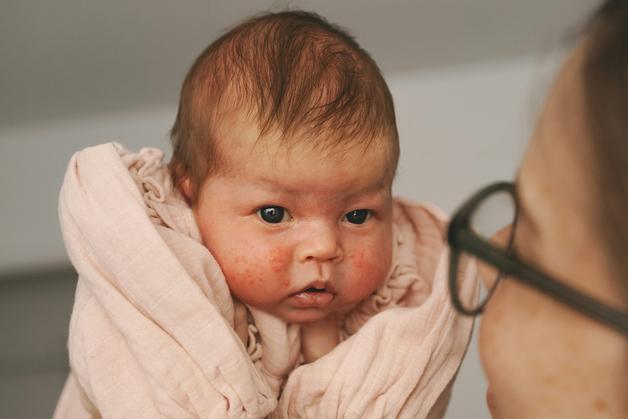
Baby sleep can feel like a puzzle: a baby who wakes the moment you set them down, feeds that seem back-to-back, nights that look nothing like a “routine.” You may wonder what is normal, what is temporary, and what needs a closer look. The reassuring reality is that baby sleep is driven by biology (immature circadian rhythm, tiny stomach capacity), development (motor leaps, separation anxiety), and regulation needs (warmth, smell, proximity). It shifts fast, sometimes week to week.
Baby sleep biology: what is happening under the hood
In early life, baby sleep is built for growth.
Newborns spend a large proportion of time in REM sleep (often called active sleep): eyes may move, faces twitch, breathing varies. This stage supports brain wiring and early learning. Non-REM sleep (quiet sleep) brings more stillness and is linked to physical recovery and growth hormone secretion.
In the first months, hunger often sets the schedule. Digestion is quick, the stomach is small, and night feeds are common. The circadian rhythm (the internal day–night clock) matures gradually, helped by:


- morning daylight and daytime activity
- evenings kept dim, quiet, and predictable
Sleep totals are ranges, not grades:
- 0–3 months: ~14–17 hours/24 h
- 4–11 months: ~12–16 hours/24 h (including naps)
- 1–2 years: ~11–14 hours/24 h
Sleep cycles: why baby sleep includes so many wake-ups
Adult sleep cycles are roughly 90 minutes. Baby sleep cycles are shorter (often ~50–60 minutes in early infancy). That means more frequent transitions into light sleep, more stirring, and more opportunities to call for help.
Those micro-awakenings are not a “bug.” They are normal sleep architecture. The aim is rarely “no waking.” It is a safer, calmer return to sleep.
You might notice waking linked to:
- feeding needs
- a wet diaper or feeling cold/hot
- the startle reflex (early weeks)
- separation anxiety later on
Why baby sleep matters for growth, learning, and mood
When sleep is disrupted for weeks, parents often ask: does it affect the brain? The short answer is that sleep supports multiple systems at once, and babies protect what they need first.
Physiologically, deeper non-REM sleep is associated with tissue repair and hormonal pulses (including growth hormone). Neurologically, both REM and non-REM sleep contribute to memory consolidation (the brain sorting new sounds, faces, and movements) and synaptic organization. Behaviorally, sleep debt often shows up as fussiness, shorter attention, and a baby who tips into crying faster.
So yes, baby sleep matters. But variability also belongs to normal development.
Breastfeeding and baby sleep: the biochemical link
Breast milk is not only calories. Its composition varies over 24 hours.
At night, breast milk contains more melatonin, the hormone that signals darkness. It also provides tryptophan (a building block used to produce serotonin, then melatonin). Add low light, minimal talking, and you get a clear message: night is for sleep.
On the parent side, suckling and skin-to-skin increase oxytocin (relaxation, bonding) and support prolactin (milk production, with nighttime peaks). For many families, baby sleep and breastfeeding become tightly paired, often with faster settling after night feeds.
Bottle feeding can also support baby sleep. The “night is boring” approach still helps, and responsive feeding (watching cues, pacing) can reduce gas and discomfort that sometimes fragment sleep.
Baby sleep by age: realistic expectations
0–3 months: fragmented sleep, cluster feeding, day–night confusion
Baby sleep is scattered. Waking every 2–4 hours is common, sometimes more during growth spurts. Evening cluster feeding (frequent feeds over a few hours) can appear and then fade.
To support a day–night pattern:
- daytime: light, normal household sounds
- night: dim light, quiet voices, “boring” diaper changes
Swaddling may calm the startle reflex, but stop at the first sign of rolling and switch to a sleep sack.
A quick safety note parents appreciate: if your newborn is very hard to wake for feeds, has fewer wet diapers, or breathes with effort, that is not “just sleep.” It needs medical attention.
4–6 months: rhythm emerges, sleep disruption can pop up
Many babies start to lengthen the first stretch of night sleep, while still feeding overnight. Around this age, sleep stages mature, and some babies begin waking more fully between cycles.
What often helps baby sleep here?
- a short bedtime routine you can repeat
- steady wake windows (not too long, not too short)
- putting baby down drowsy, not fully asleep (when feasible)
If swaddling is still happening, this is the window to end it as soon as rolling signs appear.
7–12 months: two naps, separation anxiety, motor excitement
Many babies settle into 2 naps, with nights that may look longer yet still include wake-ups for comfort. Separation anxiety can peak between 6–12 months as object permanence develops, so protests may reflect development, not “bad habits.”
Calm consistency tends to work best:
- predictable steps at bedtime
- brief reassurance during night waking
- low stimulation after lights out
If snoring is loud, breathing seems labored, or weight gain is faltering, a clinical check is a good idea (sleep-disordered breathing is uncommon in infants, but it should not be missed).
Safe baby sleep: the non-negotiables that reduce risk
When parents feel torn between “sleep” and “safety,” safety wins. Every time.
Core principles for baby sleep:
- Back to sleep for every nap and night
- firm, flat sleep surface (crib, bassinet, play yard)
- empty sleep space (no pillows, quilts, bumpers, loose blankets, stuffed toys)
Room-sharing (same room, separate surface) is generally advised for at least 6 months, ideally up to 12 months, because it lowers the risk of sleep-related infant death.
What if my baby rolls?
Always start on the back. If baby rolls independently to the side or tummy, you can usually leave them there, provided the surface is firm, flat, and clear. Skip wedges and positioners.
Also check the basics that support baby sleep safety once rolling starts: stop swaddling, keep the mattress height appropriate, and remove anything baby could use as a step.
Temperature, layering, and TOG
Overheating increases risk. A common target is ~20–22°C (68–72°F), but comfort matters too.
Signs of overheating include sweating, a hot neck/chest, flushed skin, and fast breathing. Check warmth at the chest or back of the neck (hands and feet can be cool even when the body is fine).
A sleep sack rated by TOG can help you layer appropriately:
- warmer room: lower TOG
- cooler room: higher TOG, plus one simple clothing layer
Sleep location choices: room-sharing and bed-sharing
Room-sharing
Room-sharing supports feeding, easier soothing, and monitoring, without sharing the same surface. For many families, it is the best balance for baby sleep early on.
Bed-sharing: know the risk profile
Bed-sharing (adult and baby on the same surface) carries a higher risk of sleep-related infant death than room-sharing. Risk rises sharply with:
- smoking exposure
- alcohol, cannabis, sedatives, or drugs
- extreme caregiver fatigue
- soft mattresses, duvets, pillows
- sofas or armchairs (very high risk)
- prematurity or low birth weight
If bed-sharing is happening or likely, discuss personal risk reduction with a clinician.
Routines that support baby sleep (without pressure)
A routine does not need to be elaborate. It needs to be repeatable.
Try 15–30 minutes:
- diaper
- dim lights
- feed if hungry
- short story or lullaby
- into the sleep space
Sleep cues and wake windows
You may notice early cues: staring, looking away, yawning, rubbing eyes, reduced movement. Waiting for overtired crying can backfire. Overtired babies may struggle to settle and wake more.
Wake windows are only ranges, but they can guide timing:
- 0–2 months: ~45–75 minutes
- 3–4 months: ~1–1.5 hours
- 4–6 months: ~1.25–2 hours
- 6–9 months: ~2–3 hours
- 9–12 months: ~3–4 hours
If baby “fights” sleep, ask: too long awake, or not long enough?
Night waking: how to respond
For young infants, feeding at night is expected. For older babies, you can sometimes try brief reassurance first (voice, hand on chest, gentle patting), then escalate if needed. Pick a plan you can repeat at 2 a.m.
A helpful internal script is simple: “safe, calm, consistent.” That mindset supports baby sleep and reduces the urge to change everything at once.
Naps: daytime baby sleep that shapes nights
Naps need the same safety rules as nights: back, firm flat surface, empty space.
Typical patterns:
- 0–2 months: many short naps
- 3–6 months: often 3 naps
- 6–12 months: usually 2 naps
Short naps (20–45 minutes) can be normal early on because cycles are short.
Nap transitions (4→3, 3→2, then 2→1 around 12–18 months) often go better with small steps: shift timing by 10–20 minutes every few days, and bring bedtime earlier when the last nap drops.
Common baby sleep challenges: gentle troubleshooting
Frequent night waking
Think in layers:
- Hunger? (especially early months)
- Discomfort? (temperature, diaper, reflux symptoms)
- Illness? (ear pain, congestion)
- Development? (new skills, separation anxiety)
- Pattern? (needing a specific help to fall asleep)
Small, practical changes often help baby sleep:
- keep nights dim and calm
- protect daytime feeding
- keep bedtime predictable
Short naps
Three common causes:
- overtiredness (nap came too late)
- undertiredness (not enough sleep pressure)
- developmental stage
Try adjusting timing first by 10–15 minutes. Keep the nap room dark and quiet.
Early morning waking, false starts, split nights
Early wakes often relate to light exposure or a bedtime that drifted too early after a rough nap day. False starts (waking soon after bedtime) often point to overtiredness or evening overstimulation. Split nights can happen with schedule mismatch.
Clues:
- overtired: hard to settle, restless sleep
- undertired: happy, chatty awake time at night
Feeding and baby sleep: keeping it realistic
Feeding-to-sleep is common, especially in the first months. There is no solid evidence that it automatically creates long-term problems.
If it stops working for your family, gradual shifts tend to be easier:
- move the feed a little earlier
- add a steady cue (sleep sack, song)
- shorten one targeted night feed over time (if growth is steady)
Wondering “hunger or comfort?” Look for swallowing patterns: active swallowing and strong jaw movements suggest hunger, light flutter sucking with few swallows often looks more like comfort.
Dream feeds (a late-evening feed before parents sleep) help some babies lengthen the first stretch, but not all.
If your baby has reflux signs (painful feeds, frequent vomiting, poor weight gain, blood in stool), ask for medical advice.
Sleep training: optional tools, not a requirement
Sleep training is a choice. Many families never use it, others decide it supports mental health and daily functioning.
Common approaches include graduated checks, chair method, or pick up/put down. These can improve baby sleep for many families when done consistently, and research in healthy infants has not shown long-term harm to attachment.
Pause any plan if baby is ill, if you suspect pain, or if distress feels unmanageable.
When to seek medical advice
Seek prompt medical advice if baby sleep changes come with:
- fever
- breathing difficulty, persistent snoring, or labored breathing
- bluish color
- dehydration signs or very few wet diapers
- feeding refusal, poor weight gain
- unusual sleepiness or difficulty waking
- repeated vomiting
Also protect caregiver health. Persistent anxiety, very low mood, or thoughts of self-harm deserve rapid support.
Key takeaways
- Baby sleep is biologically different from adult sleep: shorter cycles and more micro-awakenings are expected.
- Baby sleep changes with age, feeding, motor development, and separation anxiety can all reshape nights.
- Safer baby sleep means back position, firm flat surface, and an empty crib or bassinet.
- Room-sharing (separate surface) supports safer baby sleep for the first 6–12 months.
- Light cues, simple routines, and age-appropriate wake windows often improve baby sleep without big overhauls.
- If you worry about pain, breathing, growth, or hydration, get a clinical assessment.
- For extra support, you can download the Heloa app for personalized tips and free child health questionnaires.
Questions Parents Ask
Why does my baby startle awake as soon as I put them down?
Reassure yourself: this is very common in the first weeks. Many babies have a strong Moro (startle) reflex and also react to the change in temperature and contact when they move from your arms to the sleep surface. You can try a slow “landing” (bottom first, then shoulders, then head), keeping a steady hand on the chest for a few breaths, and warming the room slightly. If you use a swaddle, it’s only an option before any signs of rolling, after that, a sleep sack can feel secure while staying safe.
When does a baby’s day–night rhythm get easier?
For many families, things start to feel clearer between 6–12 weeks, and keep improving over the next months. You can support this gently: daylight and normal noise during the day, then dim lights and low stimulation in the evening. At night, feeds and changes can stay calm and “boring” so your baby gets a consistent message without pressure.
How can I tell if my baby is waking from hunger or just needing comfort?
It’s not always obvious, and you’re not doing anything wrong if you hesitate. Hunger often looks like active, rhythmic sucking with frequent swallowing and strong jaw movements. Comfort sucking is usually lighter, with fewer swallows. If your baby is growing well and having wet diapers, you can experiment with brief soothing first (voice, touch) and feed if cues persist. If weight gain is a worry, a clinician can help you tailor a plan.

Further reading: