
Soaked bibs, broken naps, a baby who wants to chew the corner of the sofa… teething can feel endless. When parents look for the best baby teething gel, they usually want one thing: calmer gums, with a product that is gentle, stays in place, and does not add avoidable risk. Comfort matters. Safety does too. And yes, the way a gel “grips” the gum can matter more than a long list of ingredients.
Best baby teething gel: what really matters
When teething starts (and why it is never the same for two babies)
Most first teeth erupt between 4 and 7 months, but a start at 3 months or closer to 10-12 months can still be normal. The discomfort also comes in waves: a few tough days, then relief, then another tooth begins to press.
Why such variation?
- Gingival inflammation: the gum becomes swollen and more vascular (extra blood flow), which increases tenderness.
- Individual pain sensitivity and temperament.
- Sleep debt and self-soothing style (sucking, chewing, contact).
So the best baby teething gel is rarely the “strongest.” It is the one your baby tolerates well, that you can apply correctly, and that offers steady, predictable soothing.


Teething symptoms: what is typical, what deserves a second look
Common signs include:
- Red, puffy, sensitive gums
- Drooling (sometimes impressive)
- A strong need to chew and rub
- Irritability, lighter sleep
- Appetite changes (shorter feeds, more breaks)
You may also notice warm cheeks, mild diaper rash (drool can make stools more acidic), or a slightly stuffy nose.
What should not be automatically blamed on teething? Illness that needs assessment. Contact a healthcare professional if your baby has:
- Fever that is high, persistent, or paired with a very unwell appearance
- Significant diarrhea, repeated vomiting
- Refusing fluids or fewer wet diapers (dehydration risk)
- Greyish or bluish color, unusual sleepiness, continuous inconsolable crying
- Mouth ulcers, widespread sores, or pain that does not come and go
Not sure whether it is “just teething”? A quick check can rule out an ear infection, viral illness, or thrush.
How a teething gel can help: soothing, hydration, and a protective layer
A gel works locally, right where the tooth is pushing.
- It can soothe the burning/pressure sensation.
- It can hydrate fragile mucosa.
- Some formulas are film-forming, leaving a thin protective layer that reduces friction from chewing.
In real life, the “winner” is often the product with good adhesion and simple ingredients your baby accepts. That is the logic behind choosing the best baby teething gel.
Best baby teething gel: medicated or drug-free?
Parents often ask: “Should I choose numbing, or stick to non-medicated?” It depends on age, symptoms, and the ingredient list.
Medicated (numbing) gels: limited benefit, higher caution
Numbing gels typically use local anesthetics such as benzocaine or lidocaine (availability depends on the country). They may provide brief relief, but they wash away quickly with saliva and are easy to swallow.
Safety matters here. Benzocaine has been associated with rare but serious methemoglobinemia (a condition where hemoglobin carries oxygen less effectively). Emergency care is needed if, after use, you notice blue/grey lips or skin, fast breathing, extreme lethargy, or sudden unusual agitation.
Because the risk can outweigh the short-lived comfort, many clinicians prefer starting elsewhere, and using anesthetic gels only with clear professional advice.
Drug-free gels: coating and comfort
Drug-free options do not numb. They aim for a coating effect, hydration, and sometimes a mild cooling feel. Evidence for long-lasting pain control is modest, but for many babies the comfort is still meaningful, especially at bedtime.
If you are trying to identify the best baby teething gel for a sensitive baby, drug-free formulations are often the first stop.
Formats: gel, liquid solutions, protective films, roll-ons
Texture changes everything.
- Gel usually stays put better than liquid solutions.
- Liquid gingival solutions spread fast and disappear fast.
- Film-forming products can be useful when gums are irritated by constant rubbing.
Roll-ons apply product with a small ball, adding massage. Many are herbal blends, check carefully for essential oils and potential allergens.
A practical rule: the best baby teething gel is the one that you can place precisely on the sore spot, without it sliding away immediately.
Ingredients that often make sense
Parents scan labels and feel lost. Focus on function.
The base: what helps the gel adhere
A good base can be more important than “active” botanicals.
- Glycerin helps retain moisture.
- Thickening gums (xanthan, acacia) improve staying power.
- Muco-adhesive agents help the product cling to the oral mucosa.
Hyaluronic acid
Hyaluronic acid supports hydration and can create a smooth, protective film. It is generally considered low risk topically, even if direct teething-specific pain data are limited.
Gentle botanicals
You may see:
- Chamomile
- Calendula
- Marshmallow/mallow (mucilages that coat the mucosa)
- Aloe vera (cooling, hydrating)
Allergy is uncommon but possible, especially with eczema or strong family allergy history. Try a small first application and watch for swelling, hives, or worsening redness.
Ingredients to avoid or approach with extra caution
Want the best baby teething gel? Sometimes the decision is about what not to put in a baby’s mouth.
- Benzocaine or lidocaine unless a professional specifically advises it.
- Choline salicylate or other salicylates (aspirin-related, age cautions apply, especially if a viral illness is possible).
- Essential oils (clove/eugenol, menthol): can irritate mucosa and are not harmless when swallowed.
- Alcohol.
- Honey (not suitable under 12 months) and sugary formulas (caries risk).
- Dyes, fragrances, SLS (sodium lauryl sulfate), and common allergens (including some nut oils used as carriers).
“Natural” can still irritate, especially on inflamed gums.
How to choose a safe, practical product
A few checks reduce the guesswork.
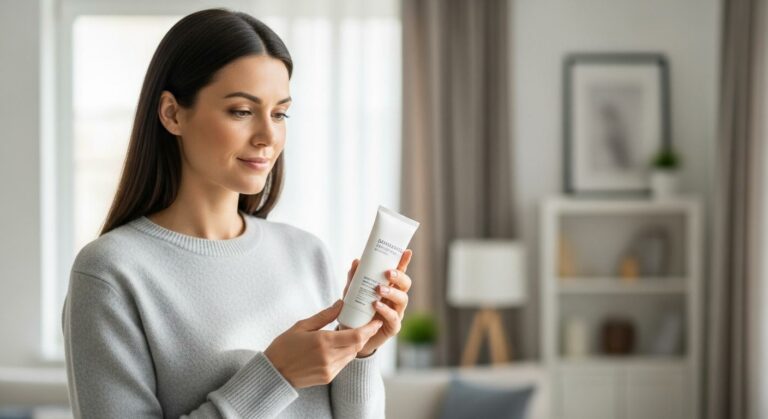
- Buy from reputable pharmacies/retailers, look for clear age labeling and dosing.
- Prefer simple formulas with an adherent base.
- Read preservatives too (for example sodium benzoate, potassium sorbate) so you know what your baby is exposed to.
- Consider taste and texture: a strong flavor can trigger refusal, and a runny gel is swallowed quickly.
You are not choosing a miracle. You are choosing the best baby teething gel for your baby’s mouth, habits, and tolerance.
How to use teething gel safely
Good technique is half the result.
Application steps
- Wash and dry your hands.
- Place your baby semi-upright.
- Use a tiny amount (often “pea-sized,” unless the label states otherwise).
- Apply to the sore gum area and massage gently for 10-20 seconds.
- Close the tube promptly, keep the tip clean.
Dosing rules that prevent mistakes
- Follow the label’s maximum frequency.
- Do not “stack” products (one gel at a time).
- Avoid combining with teething powders/tablets unless a pharmacist confirms it is safe.
- If you also use infant pain relief, note times and doses to avoid overlap.
Many parents find the best baby teething gel is most worthwhile after meals and before sleep.
Alternatives that often work well (with fewer ingredients)
Sometimes, the best relief is not a gel.
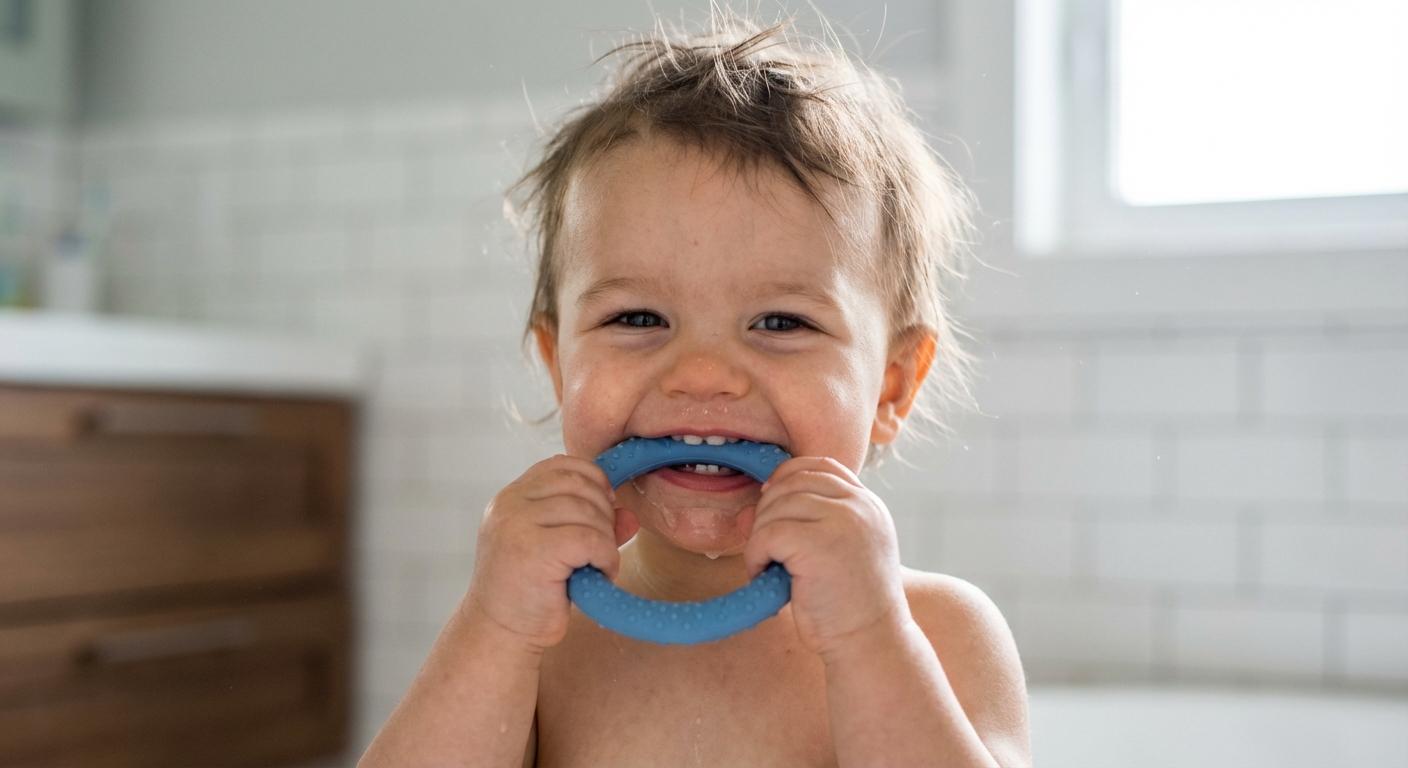
- Chilled (not frozen) teethers, inspect for damage.
- Gum massage with a clean finger or soft brush.
- Comfort routines: bath, quiet play, contact, consistent bedtime cues.
- Paracetamol/acetaminophen when pain is marked: dose by weight, respect intervals, check for duplicates.
Avoid teething necklaces and any item worn around the neck due to strangulation and choking hazards.
Side effects and when to pause
Stop the product and seek advice if you notice:
- Worsening irritation, sores, swelling
- Hives, facial swelling, itching
- Vomiting, diarrhea, unusual sleepiness after use
Seek urgent help for breathing difficulty or blue/grey color, especially after a benzocaine-containing product.
Key takeaways
- The best baby teething gel is usually a well-tolerated, adherent product that provides local comfort rather than strong numbing.
- Typical teething signs include drooling, gum redness, chewing, and disrupted sleep, persistent fever, dehydration signs, vomiting/diarrhea, or mouth ulcers warrant medical advice.
- Favor simple bases (like glycerin and muco-adhesive agents), consider hyaluronic acid and gentle botanicals if tolerated.
- Avoid or be very cautious with benzocaine/lidocaine, salicylates, essential oils, alcohol, honey under 12 months, dyes/fragrances, and SLS.
- Apply small amounts with clean hands and never exceed label frequency, do not combine multiple teething products.
- If you need support, pharmacists, pediatricians, and dentists can help you choose the best baby teething gel for your child, and you can download the Heloa app for personalized tips and free child health questionnaires.
Questions Parents Ask
Can I use teething gel for a 3‑month‑old baby?
Sometimes yes, but it depends on the exact product and its age label. Many gels are not recommended under a certain age, and “herbal” doesn’t automatically mean gentle for very young babies. If your baby is 3 months and seems uncomfortable, you can start with simpler options (a clean finger gum massage, a chilled—not frozen—teether). If you’re unsure, a pharmacist or pediatrician can help you pick an option that matches your baby’s age.
How long does teething gel take to work, and how long does it last?
Most parents notice any soothing effect quickly—often within a few minutes—because the gel acts right on the gum. The tricky part is duration: saliva and swallowing can shorten the effect, so relief may be brief. Products that “cling” better or form a protective layer often feel more consistent, especially around naps and bedtime.
How do I know if my baby is having an allergic reaction to a teething gel?
Rassurez-vous: true allergies are uncommon, but it’s sensible to watch closely after the first uses. Pause the gel and seek advice if you notice new swelling of the lips/face, hives, intense redness, worsening irritation, or repeated vomiting soon after application. If breathing seems difficult or your baby looks blue/grey, it’s important to get urgent medical help.
Further reading :