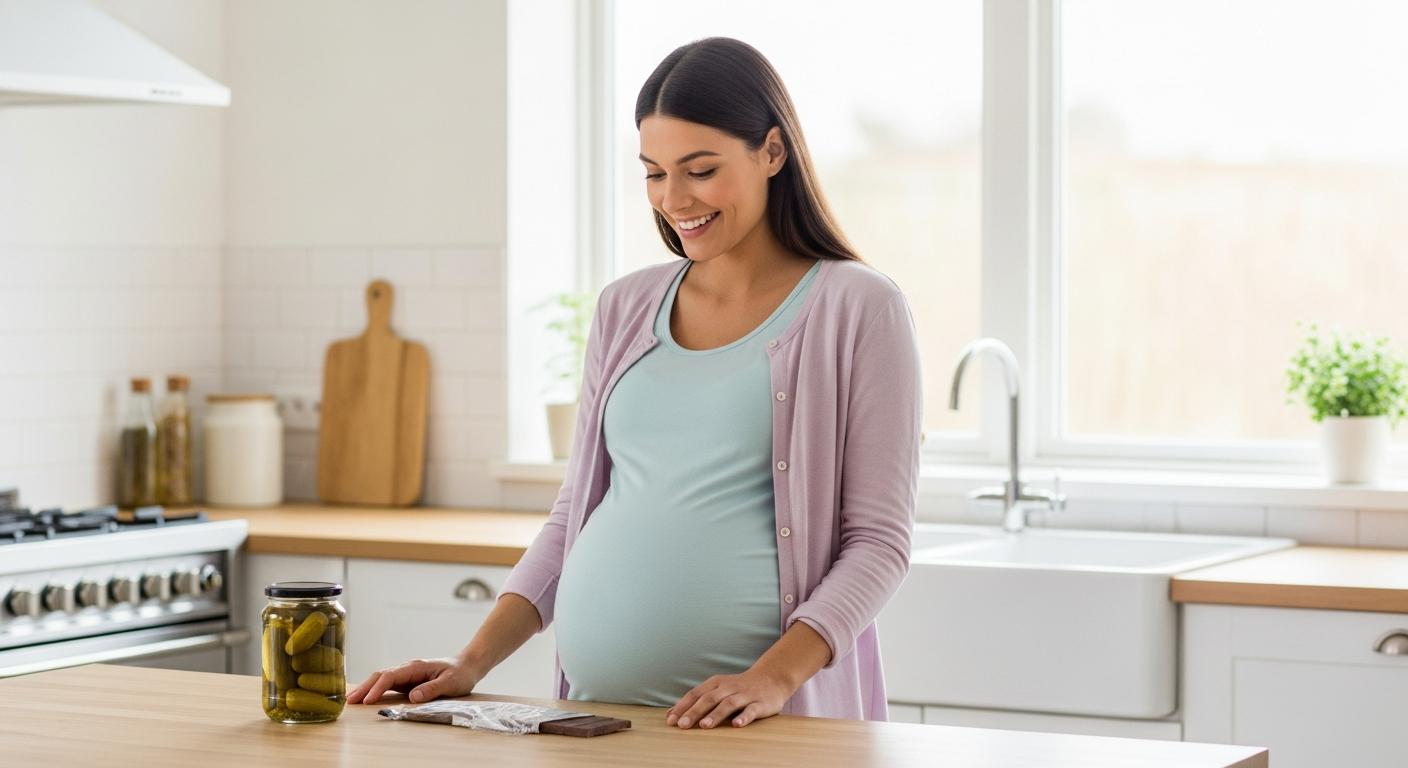
Pregnancy cravings can be surprising: a very specific food that suddenly feels non-negotiable, a smell that turns your stomach, a “must-eat-now” feeling around 4 pm… and then the sharp follow-up question: “Am I harming my baby?” Most of the time, no. In many cases, pregnancy cravings simply reflect a body that is adapting (hormones, taste and smell changes, digestion, sleep) and a daily life that is shifting.
The aim is to know what is common, what might benefit from a practical tweak, and what deserves medical advice (pica, possible deficiency, gestational diabetes, or disordered eating). And above all: keep choices safe for the baby without turning every craving into a fight.
Pregnancy cravings: why they happen (and how to feel okay about them)
Why cravings are so common in pregnancy
Pregnancy changes appetite in a real, biological way. Shifts in hormones (hCG, oestrogen, progesterone) can influence appetite regulation and digestion. Many women notice heightened smell and taste sensitivity, so a food can suddenly seem irresistible—or completely unbearable.
Cravings are also shaped by everyday physiology: energy needs shift, blood sugar can swing more easily, and fatigue is common. When you are tired, stressed, or running on an empty stomach, the brain often pushes toward quick energy and comfort.


And in India, environment matters: what’s cooking at home, what is available nearby, family food habits, festivals, cravings triggered by street-food smells, even the season (mangoes in summer, gajar ka halwa in winter). Biology sets the stage, daily life fills in the details.
Cravings vs hunger vs snacking urges vs food aversions
These can overlap, but they are not identical:
- Hunger is general and can be satisfied by many foods.
- A craving is specific and often feels urgent (a particular taste/texture).
- A snacking urge can be a strong “I need something now” feeling, often after long gaps between meals.
- A food aversion is the opposite: a strong dislike, often smell-driven, that may trigger nausea.
One key point: cravings for non-food substances (soil, chalk, clay, paper, soap, detergent, or large amounts of ice) are called pica and need prompt medical discussion.
What pregnancy cravings are (and what they aren’t)
What counts as a craving
Typical features:
- Strong urge for a specific food or combination
- Keeps popping into your mind
- Often linked to a taste/texture (sweet, salty, sour, spicy, creamy, crunchy)
What it is not: a mild preference, or eating just because it is meal time.
Are pregnancy cravings normal?
Yes. Pregnancy cravings are common and do not mean you are doing anything wrong. They do not reliably predict baby’s sex, and they are not a dependable way to diagnose deficiencies. Most often, they reflect a mix of hormones, sensory changes, digestion, sleep, routine, and emotions.
How common are pregnancy cravings?
Many pregnant women report cravings at some point, but numbers vary across studies. Not having cravings is also normal.
When pregnancy cravings start and stop
First trimester
Cravings can appear early, often alongside nausea and smell sensitivity. Cravings and aversions may coexist: intensely wanting one food while many others trigger nausea.
If nausea is strong, the focus often becomes “what goes down”:
- Mild-smelling foods (often cold)
- Simple carbs (toast, plain rice, crackers)
- Sour or salty options (sometimes easier)
Small, frequent intakes often work better than large meals.
Second trimester
For many women, the second trimester is the peak for pregnancy cravings. Appetite often improves as nausea settles.
If cravings feel constant, check basics first: regular meals, enough protein, hydration, and sleep.
Third trimester
Cravings may calm down—or change. Heartburn and feeling full quickly can alter choices. Smaller, more frequent meals often feel better.
Night cravings: hunger or reflux?
Night cravings may reflect:
- Dinner that was too early or too small
- A very active day
- Stress and poor sleep
- Acid reflux that feels like “I need to eat”
Ask: Am I truly hungry, or trying to reduce discomfort?
When cravings stop (and postpartum)
Cravings often ease by mid-pregnancy, but patterns vary. After birth, appetite may swing with sleep deprivation and recovery. If breastfeeding, hunger can feel intense, planned snacks with protein, complex carbs, and healthy fats help.
What can cause pregnancy cravings
Hormones and sensory sensitivity
Hormones can affect appetite signals and digestion, smell sensitivity often rises. That can make certain foods feel “safe” and others impossible.
Avoid simplistic ideas (one craving = one hormone). Usually, hormones increase sensitivity, and context shapes the specific craving.
Blood sugar shifts and meal spacing
Long gaps between meals, irregular eating, short nights, or busy days can cause blood sugar swings—followed by urgent cravings, especially sweet/starchy foods. Stabilising intake often works better than “fighting” cravings.
Mood, stress, and comfort eating
Cravings can be linked to comfort and routine during a big life change. This is not lack of willpower. The goal is balance: if food becomes the only coping tool, widening support helps.
Do pregnancy cravings mean nutrient deficiencies?
Not reliably. Cravings can coexist with deficiencies, but they do not prove them.
The main situation to take seriously is pica, often associated with iron deficiency. Evaluation may include blood tests (CBC, ferritin).
Common pregnancy cravings (and what they can look like)
Sweet cravings
Chocolate, ice cream, mithai, pastries—very common. The concern is not perfection, but avoiding a sugar roller coaster. Pairing sweet foods with protein or fibre can reduce spikes and crashes.
Salty, fatty, sour cravings
Chips, fries, achar, pani-puri-style tang, tamarind flavours, lemon—also common. Sometimes the craving is really for a sensation: crunchy, cold, spicy, tangy.
Enjoy pickles/achaars in moderation, sodium can add up quickly, and very spicy foods may worsen acidity.
Fruit and dairy cravings
Some women crave fruits (banana, oranges, mangoes) and dairy (milk, dahi/curd, paneer). A craving alone does not diagnose a deficiency, but these foods can support a varied diet if tolerated.
Choose pasteurised dairy and ensure fruits/vegetables are washed well.
Unusual combinations
Sweet-and-salty, hot-and-cold, very sour with very cold—often just altered taste. Concern is not odd combos, but extreme repeated cravings or pica.
Food aversions and morning sickness
Why aversions happen
Aversions are linked to hormones and sensory shifts. Smells become intense, nausea peaks in early pregnancy. This is not a personal failure.
When nausea and cravings overlap
Common: craving “safe” foods (bland, cold, salty, carb-based) while many smells feel impossible. A favourite food today may be off-limits tomorrow.
Nausea-friendly options that still support nutrition
- Small, frequent meals
- Cold/room temperature foods if smells trigger nausea
- Gentle carbs: crackers, toast, plain rice, oats
- Easy proteins: curd, paneer, eggs if tolerated, dal, hummus, nut butter
- Hydration: water sipped slowly, coconut water, soups, ORS if needed
Seek help early if vomiting prevents keeping fluids down.
Pica in pregnancy: craving non-food items
What pica is (and what pagophagia means)
Pica is craving (and sometimes eating) non-food substances. Pagophagia is specifically craving or chewing ice.
Non-food cravings that need attention
Chalk, soil, clay, ash, soap, paper, detergent, or large amounts of ice. These are different from usual cravings.
Pica and iron deficiency anaemia
Pica, especially ice chewing, can be associated with iron deficiency anaemia. The next step is evaluation with blood tests (CBC, ferritin) and treatment if needed.
Why pica can be risky
Risks include choking, dental damage, constipation or bowel obstruction, infection, and contaminants (including heavy metals in soil). If a potentially toxic product was ingested, seek urgent medical advice.
Are pregnancy cravings “healthy”?
The big picture matters more than one food
A craving for samosa, chips, cake, or gulab jamun sometimes does not harm pregnancy. The meaningful question is repetition, quantity, and what your overall pattern looks like.
Aim for a nourishing baseline most days:
- Enough protein
- Iron-rich foods
- Calcium sources
- Fruits and vegetables
- Satisfying complex carbs
Gestational diabetes: reducing spikes without banning foods
If you have gestational diabetes (or screening is coming), structure helps:
- Avoid sugary drinks and sweets on an empty stomach
- Pair carbs with protein and fibre (curd + fruit, roti + paneer, sprouts with lemon if tolerated)
- Prefer lower-glycaemic carbs more often (millets, dal, chana, whole grains)
Portion awareness without guilt
Weight gain targets depend on pre-pregnancy BMI and health factors. If cravings are frequent, serve the craving food onto a plate/bowl instead of eating from the packet.
Managing pregnancy cravings in a healthy way
Start with structure
Regularity helps: three meals plus 1–3 planned snacks.
A practical guide: aim for protein + fibre each time you eat, and add healthy fats when possible. This supports steadier energy and satiety.
Sweet cravings: enjoy without the spiral
- Decide a portion and plate it
- Prefer sweets after meals
- Try filling treats: curd with fruit, fruit with nuts, paneer with fruit
- Quick check-in: did I sleep enough? Did I skip a snack?
Salty cravings: focus on crunch and fullness
- Roasted makhana with light seasoning
- Home-seasoned popcorn
- Whole-grain crackers
- Cucumber/carrot sticks with hummus
If choosing chips/fries: decide the portion and add protein (curd, egg, nuts).
Night cravings
- True hunger: light snack (milk, curd, toast, banana)
- Reflux: lighter dinner, avoid very spicy/fatty foods late, follow clinician advice on positioning
Emotional triggers
Ask: Am I hungry, or do I need a pause?
Options: slow breathing, warm shower, gentle stretching, short walk, a call to someone supportive. If you eat, do it seated and without self-criticism.
A mini-journal to spot patterns
For a few days, note:
- Time
- Intensity (0–10)
- Context (fatigue, stress, nausea)
- What you ate before
Patterns often appear quickly.
Adjust one thing at a time
Try one realistic change:
- Add a protein snack
- Move dinner earlier
- Plan a dessert intentionally
- Swap part of grazing for a nourishing crunchy snack
Pregnancy cravings and safety
Food safety still matters when cravings hit
- Choose pasteurised dairy and juices
- Avoid raw/undercooked eggs, meat, poultry, fish
- Avoid unpasteurised products
- Choose low-mercury fish options, fully cooked
- Avoid high-mercury fish (shark, swordfish, marlin)
Preparing and storing foods safely
- Refrigerate perishable foods promptly, reheat leftovers until steaming hot
- Wash fruits and vegetables well (safe water)
- Prevent cross-contamination (separate raw meats from ready-to-eat foods)
Caffeine and other cravings
Many guidelines advise keeping caffeine around 200 mg/day or less. Caffeine can hide in coffee, tea, cola, energy drinks, and chocolate. Avoid energy drinks.
Alcohol
No safe level of alcohol during pregnancy.
When to talk to a doctor or midwife
Seek advice if:
- Pregnancy cravings feel overwhelming or your diet becomes very unbalanced
- Any non-food cravings (pica), even occasional
- Symptoms suggesting deficiency: marked fatigue, pallor, dizziness, unusual breathlessness
- Gestational diabetes is present or sugars are high
- Severe nausea, dehydration, or signs of disordered eating (restriction, bingeing, purging, intense fear of eating)
Pregnancy cravings myths
Do cravings predict baby sex?
No.
Do cravings prove what your body needs?
Not reliably. Testing and personalised advice are more accurate, especially when pica is present.
“Resisting is dangerous” vs “giving in is bad”
Neither extreme is true. Balance, safety, and routine matter.
Key takeaways
- Pregnancy cravings are common and often peak in the second trimester.
- They reflect a mix of hormones, sensory sensitivity, fatigue, emotions, meal timing, and environment.
- A craving does not diagnose a deficiency, but pica (non-food cravings such as soil, chalk, paper, soap, detergent, or persistent ice chewing) needs medical advice.
- Prioritise food safety: avoid raw/undercooked foods, unpasteurised products, high-mercury fish, limit caffeine and avoid energy drinks and alcohol.
- The most effective daily tools are simple: regular meals and snacks, pairing protein + fibre, noticing triggers, and adjusting one realistic lever at a time.
Key takeaways
- If pregnancy cravings feel intense, start with structure: regular meals plus planned snacks with protein + fibre.
- If cravings shift toward non-food items, speak to your clinician promptly (pica can be linked to iron deficiency anaemia).
- Support exists through your OB-GYN, antenatal clinic, and dietitian. For personalised guidance and free child health questionnaires, you can download the Heloa app.
Questions Parents Ask
What happens if you ignore pregnancy cravings?
No need to worry: ignoring a craving once in a while doesn’t harm your baby. A craving is often a “strong preference,” not a medical requirement. What matters more is your overall eating pattern across the day. If cravings feel intense when meals are far apart, you can try a small planned snack (protein + fibre) to feel steadier. If ignoring a craving leads to feeling out of control later, it may be kinder to choose a portion you enjoy—without guilt—and move on.
Are pregnancy cravings what the baby wants?
It’s a comforting idea, but cravings don’t reliably reflect what the baby “asks for.” They’re usually linked to pregnancy changes in smell/taste, digestion, sleep and energy levels, plus habits and food cues around you. If you’re concerned about nutrients, reassurance often comes from your routine (regular meals, varied foods, prenatal supplements if prescribed) rather than from chasing specific cravings.
Is it normal to crave the same food every day?
Yes, that can be totally normal—especially during phases of nausea, fatigue, or stress, when “safe foods” feel easiest. If it’s one food plus other options across the week, that’s usually fine. If your menu becomes very narrow for many days, or you’re skipping key food groups, you can mention it at your next prenatal visit—supportive, practical adjustments are often enough.