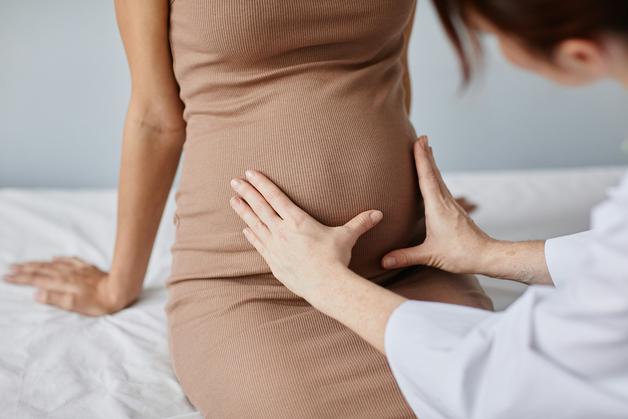

Pregnant while breastfeeding can feel like your body is running two demanding programs at once—feeding a child and building a pregnancy—while your mind tries to work out what is “normal” and what deserves a call to a clinician. Fatigue that suddenly spikes, nipples that sting for no obvious reason, milk that seems to vanish overnight… Is it pregnancy, postpartum life, or both? Parents often want three things: reassurance when things are low-risk, clear red flags when they’re not, and practical ways to protect nutrition, sleep, and the child who is still nursing.
Why you can be pregnant while breastfeeding
Breastfeeding can delay fertility, but it doesn’t “switch off” ovulation. After birth, the body gradually restarts the hormonal loop between brain and ovaries (the hypothalamic–pituitary–ovarian axis). Frequent suckling keeps prolactin higher, prolactin can dampen GnRH pulses (gonadotropin-releasing hormone), which reduces LH and FSH (the signals that drive follicle growth and ovulation).
Slowed down—often. Guaranteed—no.
A classic surprise: you can ovulate before you ever see a first postpartum period. Bleeding is visible, ovulation is silent. So being pregnant while breastfeeding may be the first sign that cycles restarted.


What pushes fertility to return sooner? Fewer feeds, especially fewer night feeds. Mixed feeding, bottles, solids, longer sleep stretches, stress, and energy balance all shift hormones in small but meaningful ways.
Can you get pregnant while breastfeeding? (LAM, fertility signs, contraception)
LAM explained (criteria and limits)
The Lactational Amenorrhea Method (LAM) can be effective only when every criterion is met:
- Baby is under 6 months
- Exclusive breastfeeding (no formula, no solids for nutrition, no routine spacing)
- Feeds are frequent, on demand, day and night (no long gaps—often described as <4 hours by day and <6 hours at night)
- No return of menstrual bleeding
When all criteria are met, LAM is often cited around 98% effective in the first 6 months. If any condition changes—baby is older, solids begin, bottles appear, bleeding returns—protection drops. This is one reason pregnant while breastfeeding is common.
Signs ovulation may be returning
Without regular cycles, clues can be subtle:
- Cervical mucus increases or becomes slippery/stretchy
- Mid-cycle pelvic twinges (mittelschmerz)
- Libido changes
- Spotting or bleeding returns
None of these confirm ovulation, but they can be useful signals to reassess contraception.
Tracking fertility while nursing: helpful, but imperfect
- Cervical mucus can be confusing when hormones fluctuate.
- LH urine tests (OPKs) may be harder to interpret.
- Basal body temperature is easily disrupted by broken sleep and night feeds.
If avoiding pregnancy matters a lot, tracking alone is usually not enough.
Contraception options compatible with breastfeeding
Beyond strict LAM, breastfeeding is not reliable contraception. Options often compatible with breastfeeding include:
- Condoms
- Copper IUD
- Hormonal IUD (levonorgestrel)
- Progestin-only contraception (mini-pill, implant)
Combined estrogen-containing methods can reduce milk supply in some parents, especially early postpartum. A midwife, GP, or OB/GYN can match a method to your medical history and feeding pattern.
Early signs you might be pregnant while breastfeeding
Early pregnancy can look like postpartum life turned up a notch. You may notice:
- Fatigue that feels deeper than your usual baseline
- Nausea, food aversions, smell sensitivity
- Dizziness or feeling faint
- Appetite changes
And then there are the breasts.
Nipple pain, sensitivity, and nursing aversion
Pregnancy hormones can increase nipple sensitivity. Some parents feel sharp pain at latch, burning during feeds, or sudden nursing aversion (irritability, a strong urge to stop).
What can help?
- Change positions to reduce friction (side-lying can be gentler)
- Shorten feeds
- Recheck latch and alignment (a deeper latch often helps quickly)
If cracks, blisters, significant pain, or fever appear, get clinical support to rule out infection (mastitis), vasospasm, or latch issues.
Bleeding and discharge: what needs urgent advice
Light spotting can happen, but contact a clinician promptly for:
- Heavy or persistent bright red bleeding
- Severe pelvic/abdominal pain, fainting, shoulder pain, or feeling acutely unwell
- Fever
- Fluid leakage
When and how to test
Breastfeeding does not affect hCG. Timing does.
- Test after a missed period when cycles exist.
- If cycles are absent/irregular, test about 3–4 weeks after unprotected sex.
- Use first-morning urine.
If symptoms continue and the test is negative, repeat in 48–72 hours or ask about a blood beta-hCG test.
Blood beta-hCG and ultrasound when dates are unclear
A quantitative beta-hCG can help in early pregnancy when cycles are unpredictable. A first-trimester dating ultrasound then sets gestational age more accurately than guessing from a “last period” that may not exist.
Is breastfeeding during pregnancy safe?
For most uncomplicated, low-risk pregnancies, continuing to breastfeed is usually considered safe. The main issues are comfort and maternal reserves: nipple soreness, stronger fatigue, and higher calorie and fluid needs.
Oxytocin and uterine tightenings
Suckling triggers oxytocin for milk ejection. Oxytocin can also cause brief uterine tightenings. In low-risk pregnancies, these are typically mild and settle once the feed ends.
Call your clinician if contractions are painful, regular, increasing, or do not settle after stopping—especially if you are pregnant while breastfeeding and have any preterm birth risk.
Situations where you need individualized medical guidance
A clinician may advise reducing or stopping breastfeeding if you have:
- Previous preterm birth
- Threatened preterm labor or regular contractions
- Cervical insufficiency or a short cervix
- Bleeding in this pregnancy
- Multiple pregnancy (twins or more)
- Placental concerns (e.g., placenta previa)
Red flags: pause feeds and seek care
- Heavy bleeding or fluid leakage
- Strong, regular contractions
- Severe abdominal/pelvic pain, fainting
- Fever with breast redness and pain
- Dehydration (very dark urine, vomiting, unable to keep fluids down)
- Reduced fetal movements later in pregnancy
Milk supply and milk changes when pregnant while breastfeeding
Many parents notice that being pregnant while breastfeeding changes milk in two ways: quantity and taste.
Supply drop: the hormonal reason
In the first or second trimester, rising estrogen and progesterone commonly reduce milk production—even if feeding frequency stays the same. This is physiology, not effort.
- For a toddler, it may lead to shorter feeds or self-weaning.
- For a young baby who still depends on milk, it needs closer monitoring.
Taste changes and colostrum transition
Milk may taste saltier. From mid-pregnancy, milk often shifts toward colostrum (thicker, antibody-rich, lower volume). Some children accept it, others protest. Colostrum can slightly loosen stools.
How to tell if your nursing child is getting enough
If your child is young, pay attention to:
- Wet diapers
- Alertness and feeding effectiveness
- Weight gain and growth trend
If diapers drop, weight gain slows, or feeds become consistently frustrated, seek help quickly. Supplementation (expressed milk, formula, or donor milk where available) can be tailored to protect intake while supporting your health.
Day-to-day reality: fatigue, mood, and comfort
Being pregnant while breastfeeding can feel like a double shift. What helps is often practical, not perfect.
- Protect rest: short breaks, earlier bedtime, fewer non-essential tasks.
- Reduce sensory load if nursing aversion is strong: time limits, one “anchor” feed, more cuddles that don’t involve latch.
- Watch mental health: if mood collapses, anxiety spikes, or intrusive thoughts appear, contact a professional.
Comfort basics still matter:
- Supported positions, pillows, no twisting
- Air-dry nipples after feeds
- Fragrance-free nipple cream if useful
- Soft, breathable bras
Nutrition, hydration, and everyday safety
Pregnancy plus lactation increases energy demands. If you notice persistent dizziness, headaches, unintended weight loss, or extreme fatigue, bring it up with your midwife/GP/OB team.
Nutrients often discussed:
- Iron and ferritin
- Folate
- Calcium
- Vitamin D
- Iodine
- Omega-3 (DHA)
Hydration cue: urine that stays pale straw-colored is a simple target.
Caffeine is often limited in pregnancy to about 200 mg/day, alcohol is best avoided. Be cautious with herbs and supplements, including concentrated teas and essential oils.
Always tell clinicians and dentists you are pregnant while breastfeeding before any prescription, procedure, imaging, or local anesthetic.
Deciding to continue, reduce, or wean
There is no single “right” path when pregnant while breastfeeding.
- Continuing can work well with fewer, predictable feeds.
- Reducing can protect sleep, pain levels, and energy.
- Weaning may fit better if supply drop affects a young baby, pain is intense, or pregnancy needs closer monitoring.
Gradual weaning often feels smoother:
- Remove one feed every few days
- Shorten feeds
- Replace with snacks, water, stories, cuddles, or an activity
For young babies, plan any change with a pediatric clinician so nutrition and hydration stay secure.
Tandem nursing after birth (if you want it)
Tandem nursing means feeding a newborn and an older child. It can be done.
The principle is simple: newborn first. Track diapers and weight gain, and consider set times for the older child if fatigue is high.
Key takeaways
- Pregnant while breastfeeding can happen because ovulation may return before any postpartum bleed.
- LAM is effective only under strict conditions, protection falls when feeding patterns change.
- In low-risk pregnancies, breastfeeding is usually possible, nipple pain, fatigue, and supply drop are common.
- Milk volume and taste can change, and colostrum often appears mid-pregnancy, some children self-wean.
- Seek medical advice for heavy bleeding, fluid leakage, painful/regular contractions, severe pain, fever, dehydration, or reduced fetal movements later in pregnancy.
- Professionals can support feeding choices and safety, you can also download the Heloa app for personalized guidance and free child health questionnaires.
Questions Parents Ask
Can breastfeeding during pregnancy cause a miscarriage?
For most healthy, low-risk pregnancies, breastfeeding is not linked to miscarriage. Nursing releases oxytocin, which can cause mild, short-lived uterine tightenings, but these are usually not the same as labor contractions. If you have a history of preterm birth, cervical weakness, ongoing bleeding, or you’re carrying multiples, it’s understandable to feel worried—personalized advice from your OB/GYN or midwife can help you choose the safest path.
Is nursing while pregnant safe for my toddler (or older baby)?
In many families, yes. The main change is often milk: supply may drop and the taste can shift as colostrum develops. For a toddler who eats a varied diet, that usually isn’t a problem—some children simply nurse less. For a younger baby who still relies on milk for most calories, it’s important to watch growth, wet diapers, and overall feeding satisfaction. If anything seems “off,” support is available (lactation consultant, pediatric clinician) to protect intake without pressure or guilt.
How can I manage strong nursing aversion or nipple pain during pregnancy?
You’re not alone—this can feel intense and emotionally draining. Many parents find relief by setting gentle boundaries (shorter feeds, one “anchor” feed per day), experimenting with positions, and adding more non-nursing connection (cuddles, stories). If pain is sharp, persistent, or paired with nipple damage, getting a latch check can make a real difference.