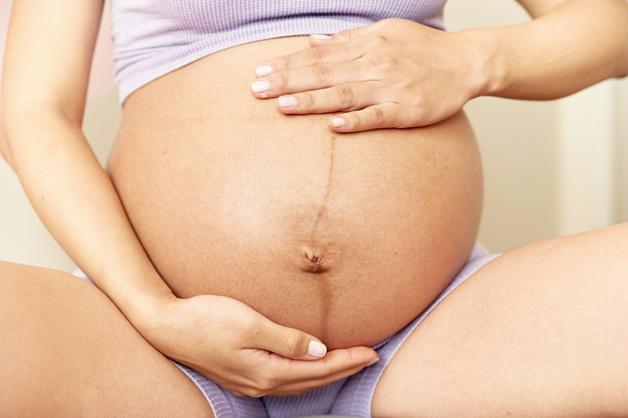
Late pregnancy can feel like the longest final lap—your body is heavier, sleep is lighter, and every small sensation makes you wonder: “Is this labour?” In late pregnancy, your maternity team also shifts focus: baby’s position, blood pressure, fetal movements, and practical planning for birth and newborn care.
What late pregnancy means
Late pregnancy weeks and term stages
In common use, late pregnancy often refers to the last stretch of the third trimester, starting around 28 weeks and continuing until birth. From 37 weeks, pregnancy is called “term”, with sub-stages:
- Early term: 37+0 to 38+6
- Full term: 39+0 to 40+6
- Late term: 41+0 to 41+6
- Post-term: 42+0 and beyond
These labels help teams weigh the benefits of waiting (more maturity) versus the risks that can rise when pregnancy continues (placental ageing in some situations).
Due date: LMP vs early ultrasound
A due date is an estimate, not a guarantee. The classic method counts 40 weeks from the first day of the last menstrual period (LMP), but cycle length and ovulation vary. Early ultrasound dating is often more accurate because early fetal growth is less variable.


Late pregnancy symptoms: what’s common, what needs a call
Pelvic pressure and “baby dropping”
When baby’s head settles deeper into the pelvis (engagement/lightening), you may feel heavier pelvic pressure and more frequent urination, some parents breathe more easily.
Call if pelvic pressure is severe and constant, or comes with bleeding, fever, or a strong feeling something is wrong.
Braxton Hicks vs true labour
Braxton Hicks contractions are common in late pregnancy. They are usually irregular and may ease with hydration, rest, or changing position.
True labour contractions tend to become regular, stronger, and closer together, and they continue even if you move around.
Back pain and pelvic girdle pain
A forward-shifting centre of gravity plus relaxin-related joint looseness can strain the back and pelvis.
What often helps:
- warm packs (not hot)
- gentle stretching and posture support
- supportive footwear or a maternity belt
- physiotherapy exercises
Seek urgent assessment for sudden severe pain, weakness, numbness, fever, or pain with bleeding.
Breathlessness, fatigue, and sleep changes
Breathlessness on exertion is common because the uterus reduces diaphragm space, especially before baby drops. Sleep may be disrupted by reflux, cramps, and frequent urination.
Urgent evaluation is needed for breathlessness at rest, chest pain, fainting, or rapidly worsening symptoms.
Heartburn, constipation, haemorrhoids
Progesterone relaxes smooth muscle, slowing digestion and increasing reflux. Small frequent meals, staying upright after eating, and avoiding personal trigger foods can help. Constipation and haemorrhoids are also common due to slower bowels and pelvic pressure.
Seek help for persistent vomiting, severe abdominal pain, or dehydration.
Swelling (oedema) and leg symptoms
Mild swelling in feet/ankles is common in late pregnancy. Elevation, gentle walking, and sometimes compression stockings (if advised) can help. Fluid shifts can also cause hand tingling from carpal tunnel.
Contact your team urgently for:
- sudden swelling of face/hands
- swelling with headache or vision changes
- one-sided painful leg swelling
- shortness of breath
Discharge, mucus plug, and bleeding
More discharge is common. The mucus plug may pass as thick clear mucus or pink-tinged mucus. A light “bloody show” can happen hours to days before labour.
Heavy bleeding, clots, or bright red bleeding needs urgent assessment.
Itching: when to test
Mild itching can be normal, but intense itching on palms/soles without rash can signal intrahepatic cholestasis of pregnancy. Blood tests check bile acids and liver enzymes.
Baby development and position in late pregnancy
In late pregnancy, the baby’s brain and nervous system mature rapidly, and lungs increase surfactant production to prepare for breathing after birth. Most fetal weight gain happens now, building fat stores for temperature control.
Baby position: head-down, posterior, breech
Head-down (cephalic) is most common near term.
- Occiput anterior (baby facing your back) often supports easier mechanics.
- Occiput posterior can mean more back pain in labour, many babies rotate.
- Breech near term leads to planning: external cephalic version (ECV), planned caesarean, or in selected cases planned vaginal breech birth with an experienced team.
Movements and kick counts
Movements should be present daily, even if they feel different due to limited space. A common method is checking for about 10 movements within 2 hours during a calm time.
A clear change from your baby’s usual pattern matters. If movements are reduced, contact your maternity unit the same day.
Late pregnancy prenatal care: visits and tests
Visit rhythm and routine checks
Many care schedules move to every 2 weeks from about 28-36 weeks, then weekly from around 36 weeks until birth.
Typical checks include:
- blood pressure (screening for gestational hypertension and preeclampsia)
- urine protein (supports preeclampsia assessment)
- symptom review and fetal movement discussion
- baby’s position and growth clues (fundal height, ultrasound if needed)
Tests you may be offered
Depending on your situation in late pregnancy, your team may suggest:
- Group B strep (GBS) swab around 35-37 weeks (if positive: antibiotics during labour)
- ultrasound for growth, fluid, placenta location, and presentation
- NST (non-stress test) and BPP (biophysical profile) for reduced movements, post-dates, diabetes, hypertension, or placental concerns
- Doppler studies (umbilical artery, sometimes MCA) if placental insufficiency or growth restriction is suspected
- anti-D immunoglobulin around 28 weeks if you are Rh-negative (and after certain bleeding/trauma events)
Late pregnancy complications to watch for
Preeclampsia and gestational hypertension
Preeclampsia involves high blood pressure with signs of organ involvement (often protein in urine, platelet/liver/kidney changes). Seek prompt assessment for severe headache, vision changes, right upper abdominal pain, sudden swelling of face/hands, shortness of breath, or feeling acutely unwell.
Gestational diabetes effects near term
Gestational diabetes can influence fetal growth and amniotic fluid. Extra growth scans and delivery-timing discussions may be offered based on glucose control and estimated fetal size.
Bleeding conditions: previa and abruption
Placenta previa may cause painless bleeding. Placental abruption often causes pain, a tender uterus, contractions, and bleeding (sometimes hidden). Any bleeding in late pregnancy deserves medical assessment, heavy bleeding is an emergency.
Water breaking (PROM/PPROM)
Rupture of membranes can be a gush or a continuous watery leak. Contact your maternity unit promptly, especially if it happens before 37 weeks.
Recognising labour and when to go in
Early labour can feel like period cramps, backache, and tightening that becomes patterned. Many units use the 5-1-1 pattern: contractions every 5 minutes, lasting 1 minute, for 1 hour.
Call or go in for:
- waters breaking
- reduced fetal movement
- regular contractions getting stronger and closer
- bleeding
- fever (38°C or higher)
- severe headache/vision changes or sudden swelling
Planning birth: induction, monitoring, pain relief
Induction in late pregnancy
Induction may be offered at or after 41 weeks, or earlier for medical reasons (high BP disorders, diabetes, low fluid, suspected placental issues, infection risk). Cervix readiness is often described using the Bishop score. If the cervix is not favourable, ripening methods (balloon/prostaglandins) may be used before amniotomy or oxytocin.
Pain relief options
Non-medication supports: movement, warm water, massage, breathing, birth ball, TENS.
Medication options vary by hospital and may include nitrous oxide, opioid medicines, and epidural analgesia.
Late pregnancy self-care and practical prep
In late pregnancy, aim for steady basics: hydration, iron-rich foods if advised, fibre to reduce constipation, gentle movement for circulation, and side-sleeping with pillows for comfort.
Pack essentials early (documents, chargers, comfortable clothes, postpartum pads). Plan transport and contact numbers. Decide a simple feeding plan (breastfeeding, formula, or mixed), and arrange support for meals and household tasks.
Key takeaways
- Late pregnancy often begins around 28 weeks, with term starting at 37 weeks.
- Common symptoms include pressure, reflux, swelling, Braxton Hicks, and sleep disruption.
- Reduced fetal movement, heavy bleeding, waters breaking, fever, severe headache/vision changes, or breathlessness at rest need prompt assessment.
- Visits become more frequent in late pregnancy, with blood pressure and urine checks to screen for preeclampsia.
- Induction discussions often start around 41 weeks or earlier when medically needed, ask about methods and timelines.
- Support exists throughout pregnancy and after birth. For personalised tips and free child health questionnaires, you can download the Heloa app.
Questions Parents Ask
Is sex safe in late pregnancy?
In most uncomplicated pregnancies, sex in late pregnancy is usually safe and won’t “hurt” the baby—your baby is protected by the uterus and amniotic fluid. It’s common, though, to feel less comfortable, to notice mild cramps afterwards, or to have Braxton Hicks. You can simply choose positions that feel good and stop if anything feels off. It’s important to contact your maternity team before having sex (or avoid it) if you’ve been told you have placenta previa, bleeding, leaking waters, signs of preterm labour, or any other specific restriction.
Is it safe to travel in late pregnancy?
Many parents can still travel late in pregnancy, especially if they feel well and their pregnancy is low-risk. For car travel, regular breaks to stretch and hydrate can help with swelling and circulation. For flying, policies vary by airline and gestational age, so checking ahead is helpful. It may reassure you to travel with your notes, know where the nearest maternity unit is, and listen to your body—slowing down is not “being dramatic”, it’s smart planning.
What can help me sleep better in late pregnancy?
Sleep often becomes lighter and more broken, and that’s frustrating. Small tweaks can make nights easier: side-sleeping with pillows (between knees, under bump), a gentle bedtime routine, and managing reflux (earlier dinner, extra pillows). If anxiety is keeping you awake, a short “brain dump” list can help your mind switch off. If snoring suddenly worsens, you’re very sleepy in the day, or you feel breathless at rest, it’s important to mention it to your care team.

Further reading:
- 3rd trimester pregnancy: What to expect (https://www.mayoclinic.org/healthy-lifestyle/pregnancy-week-by-week/in-depth/pregnancy/art-20046767)
- 28 weeks pregnant guide – Best Start in Life (https://www.nhs.uk/best-start-in-life/pregnancy/week-by-week-guide-to-pregnancy/3rd-trimester/week-28/)
- Late-Term and Postterm Pregnancy – Women’s Health Issues (https://www.msdmanuals.com/home/women-s-health-issues/normal-pregnancy/late-term-and-postterm-pregnancy)