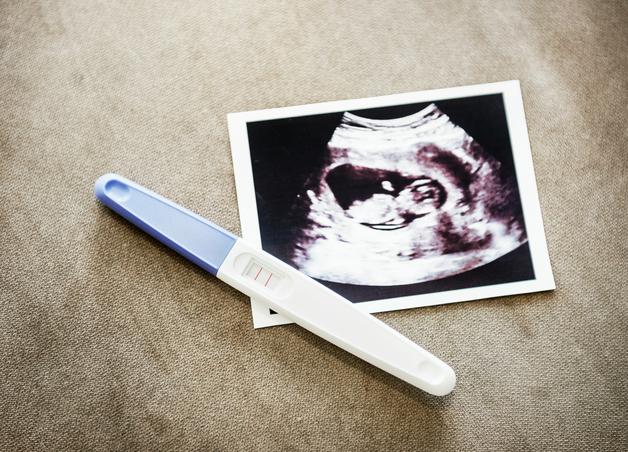
Pregnancy news can feel tender, powerful, and strangely complicated all at once. You may be thrilled and still protective. You may want support and still crave silence. And somewhere between the first positive test and the moment your bump becomes obvious, the same question keeps circling back: when to announce pregnancy?
Some parents speak early to feel held. Others wait for more medical information, more emotional steadiness, or simply more privacy. Timing is personal, yet it’s also shaped by biology, prenatal care milestones, work constraints, family dynamics, and past experiences.
When to announce pregnancy: what “announcing” means for you
“Announcing” is not one single act. It can be a whisper, a phone call, a family dinner, or a social media post. Many parents share in layers because it offers support without giving up control.
Private, selective, public
Start by naming the version that feels safest today:


- Private: a very small circle for emotional and practical support.
- Selective: close family and a few trusted friends, but not extended relatives, colleagues, or online.
- Public: broader sharing (including social media).
A simple insight often changes everything: deciding when to announce pregnancy is also deciding to whom and how much.
Three questions that clarify timing
If you feel torn, try:
1) Support: If something unexpected happened, who would you want near you?
2) Privacy: Would those people keep it confidential (and not “spread the joy” for you)?
3) Practical needs: Do you need changes at work, help at home, or transport to appointments soon?
Early pregnancy can bring nausea, vomiting, fatigue, dizziness, reflux, headaches, smell sensitivity, mood swings, and sleep disruption. Sometimes there is medical uncertainty requiring repeat blood tests or a second ultrasound. If daily life is getting harder, telling one reliable person early can reduce stress without making your news public.
Boundaries: start as you mean to continue
Once you share, people may ask for due dates, ultrasound details, screening results, names, body changes, birth plans. You can set kind limits right away:
- “We’re happy to share, but we’re keeping medical details private.”
- “Please don’t tell anyone else, we’ll share more widely when we’re ready.”
- “We’ll update after appointments if we choose to.”
Feelings can change after a reassuring scan. Or after a difficult week. Either direction is acceptable.
Pregnancy dating basics: why timelines can sound “two weeks off”
Gestational age vs time since conception
Clinicians usually date pregnancy from the first day of the last menstrual period (LMP): gestational age. Many people think in “time since conception,” which is often about two weeks less.
Quick shortcut:
- Gestational age ≈ conception age + 2 weeks
- Example: 12 weeks gestational age ≈ 10 weeks since conception
So when you discuss when to announce pregnancy at “12 weeks,” you may be using a different counting system than a friend.
Why “12 weeks” is so common
The late first trimester is a cultural milestone, and also a medical one for many care pathways. Still, when to announce pregnancy is not dictated by a calendar. It is a balance: support versus privacy, relief versus control.
What shapes the decision (beyond the date)
Emotional readiness and perinatal anxiety
Emotional readiness is not about being fearless. It is about being able to hold hope and uncertainty on the same day.
If worry interferes with sleep, appetite, concentration, or day-to-day functioning for more than a few days, mention it to your prenatal team. Perinatal anxiety is common and treatable (psychological support, lifestyle changes, and sometimes medication compatible with pregnancy).
Medical context: how risk changes over time
Many families link when to announce pregnancy to milestones because the probability of loss changes with gestational age.
- Miscarriage (loss before 20 weeks, most often in the first trimester) is commonly estimated around 10–20% of recognized pregnancies.
- A large proportion occurs before 12 weeks.
- When cardiac activity is seen on ultrasound (often around 6–7 weeks depending on dating), the risk generally decreases.
- After 12–14 weeks, if development appears normal, the remaining risk is lower.
Numbers never tell the whole story, they simply explain why timing can feel different from one family to another.
Practical constraints that push timing earlier (or later)
Weddings, holidays, travel, work events with alcohol, tight uniforms, a physically demanding schedule… sometimes the body forces the question.
You can share just before an event. Or keep things private with a neutral line: “I’m not drinking right now,” “I’m on medication,” “I’m focusing on my health.”
Timing options by trimester
First trimester (weeks 1–12)
Why many parents wait
The first trimester often carries the most uncertainty and the strongest symptoms. Waiting may mean:
- More reassurance about pregnancy progression.
- A clearer due date after early dating.
- Less need to update a wide circle if a loss occurs.
In many settings, the first prenatal appointment happens around 6–8 weeks. Early ultrasound for dating or viability is often around 7–9 weeks (varies with access, symptoms, and history).
When early sharing can help
Early sharing can be practical when support is needed now:
- Significant nausea/vomiting, fatigue, dizziness, migraines, reflux.
- Suspected hyperemesis gravidarum (severe vomiting with dehydration and weight loss).
- Work with heavy lifting, prolonged standing, night shifts, frequent travel, or exposure risks (chemicals, radiation, infectious agents).
- Prior pregnancy loss or fertility treatment.
A common approach: tell only the people you would want beside you whatever happens. It keeps when to announce pregnancy flexible, without isolating you.
Early checkpoints that influence timing
- Positive urine test confirmed by blood hCG (human chorionic gonadotropin).
- Ultrasound confirming an intrauterine pregnancy (helpful to exclude ectopic pregnancy).
- Viability scan showing cardiac activity.
If dates are unclear, clinicians may repeat an ultrasound in 1–2 weeks. Many parents keep their circle small during that wait.
Second trimester (weeks 13–26)
Often a comfortable window for broader sharing.
- Early miscarriage risk is lower than in the first trimester.
- Nausea and exhaustion often ease.
- Planning becomes more concrete.
The anatomy scan typically occurs around 18–22 weeks (fetal anatomy, growth, placenta location, amniotic fluid). Some parents choose to wait for that information, others share earlier and keep medical details private.
Third trimester (weeks 27–40)
Some parents share widely only later, especially after prior loss or when privacy matters strongly.
Trade-off: privacy is protected, but logistics can become compressed (work coverage, leave planning, repeated questions once the bump is obvious). A one-line boundary helps: “Yes, we’re expecting. We’re keeping details private.”
Medical milestones that can change your timeline
Milestones can offer reassurance, but each confirms specific facts.
What is confirmed, and what is not
- An ultrasound can confirm location and gestational age, it cannot promise the future.
- Screening tests estimate probability, they do not diagnose.
- The anatomy scan detects many structural conditions, but not all.
Thinking in “information checkpoints” can make when to announce pregnancy feel less like a pass/fail moment.
Common checkpoints in prenatal care
- First prenatal consultation: history, bloodwork, vaccination review.
- Supplements: folic acid (reduces neural tube defect risk), iron if deficiency is present.
- First-trimester ultrasound (often 11–14 weeks in some systems), sometimes with nuchal translucency.
- Screening options depending on your setting: combined screening, NIPT.
- Anatomy scan (18–22 weeks).
If screening suggests higher probability for a condition, diagnostic options (chorionic villus sampling or amniocentesis) may be discussed. Many families pause announcements during that time.
Miscarriage and pregnancy loss: communicating with care
Miscarriage is common and often linked to chromosomal changes outside anyone’s control. Some parents wait to share widely, others share early so support is already in place. Both are valid ways to answer when to announce pregnancy.
A small early-support circle
- Partner or co-parent.
- One trusted friend or relative who respects confidentiality.
- A workplace contact only if accommodations are needed.
If a loss happens after you shared
Keep messages short and protective:
- Decide who truly needs an update.
- Ask one person to relay information if that helps.
Example: “We’re very sad to share that the pregnancy did not continue. We’re taking time to grieve and we’d appreciate privacy.”
Who to tell first: the concentric circles plan
This structure often makes when to announce pregnancy feel calmer.
- Inner circle: people who reduce stress and respect boundaries.
- Middle circle: trusted family/friends with clear confidentiality rules.
- Outer circle: acquaintances, broad workplace sharing, social media.
Two boundary lines that work:
- “No reposts, no tags, and no group chats without checking with us.”
- “We’ll share updates after appointments if we choose to.”
When to share at work: safety first, then timing
For many parents, when to announce pregnancy at work is about health and planning.
- Tell a manager for scheduling and workload.
- Tell HR for policy, benefits, and leave.
- Tell occupational health/safety (if available) for risk assessment and accommodations.
If you need early adjustments, common accommodations include lighter duties, more breaks, modified shifts, reduced travel, and ergonomic changes.
Simple script: “I’m pregnant and I’d like to review tasks that involve exposure or physical strain so we can reduce risk. I’d appreciate confidentiality.”
Social media: posting without losing control
Public posts can feel joyful, and also permanent. Screenshots happen. Reposts happen. If you are unsure about when to announce pregnancy online, waiting is a reasonable choice.
If you do post:
- Use close-friends lists, private accounts, audience limits, comment controls.
- Avoid identifiable medical details.
- Put your rule in writing: “Please don’t repost or tag without asking.”
What to say: short scripts for common moments
- To close family: “We’re expecting. Please keep this private for now.”
- To friends: “We’re happy to share, but we’re keeping it quiet, please don’t pass it on.”
- To work: “I’m pregnant and would like to discuss safety adjustments and leave planning. Please keep this confidential.”
Key takeaways
- When to announce pregnancy depends on support needs, privacy preferences, medical context, and real-life logistics.
- Many parents share in phases: inner circle first, then wider circles when it feels right.
- Pregnancy weeks can sound “two weeks off” because gestational age is counted from the last menstrual period.
- Milestones (ultrasound, cardiac activity, screening, anatomy scan) provide information, not guarantees.
- Work disclosure can be private and safety-focused, especially if accommodations are needed.
- Social media reduces control, decide your audience and boundaries before posting.
- Health professionals can support you through decisions and emotions, and you can download the Heloa app for personalised guidance and free child health questionnaires.
Questions Parents Ask
Is it safe to announce pregnancy at 8 weeks?
Many parents wonder this, and it’s completely normal. There’s no “safe” week that guarantees everything will go perfectly—pregnancy doesn’t follow a strict script. At around 8 weeks, some people feel comfortable telling a small, trusted circle (the people who would support you no matter what). If you’re craving privacy, you can also wait. Both choices are valid, and you can always share gradually.
When should I tell my parents I’m pregnant?
A helpful way to choose timing is to focus on relationship dynamics rather than the calendar. If your parents are reassuring, respectful, and able to keep your news confidential, telling them early can feel supportive. If you anticipate pressure, unsolicited advice, or sharing on your behalf, it may feel more comfortable to wait—or to share with clear boundaries like: “We’re excited, and we’re keeping this private for now.”
When should I tell my children I’m pregnant?
This often depends on your child’s age and sense of time. Many families wait until the pregnancy feels more established or until there’s something concrete for a child to understand (like a visible bump or an upcoming appointment). Simple words work best: “A baby is growing, and we’re planning for them to arrive around (season).” If worries come up, reassure them gently—there’s no need to overload them with details.