A nappy that suddenly looks different. A baby who seems unsettled after a few spoons of cereal. A patch of eczema that flares up just when wheat is introduced. Many Indian parents quickly search gluten intolerance baby, especially around the time solids begin (Cerelac-type cereals, atta-based bites from the family plate, or even a small piece of bread).
Here is the catch. Gluten intolerance baby is a popular phrase, but it can point to several very different medical situations: celiac disease (autoimmune), wheat allergy (immune), a debated non-celiac gluten sensitivity, or plain, everyday infant tummy issues that overlap with weaning. The right next step is usually not panic. It is a calm look at the pattern, the timing, your child’s growth, and then testing that makes sense.
Gluten intolerance baby: what people mean (and what doctors separate)
Parents often use gluten intolerance baby as a single label. Clinically, three pathways matter.
Celiac disease: an autoimmune condition (not a simple intolerance)
In celiac disease, gluten triggers an autoimmune response in children with genetic predisposition (often linked with HLA-DQ2 and/or HLA-DQ8). Over time, the lining of the small intestine gets inflamed and the villi (tiny absorption “fingers”) can flatten. This is called villous atrophy. Result: malabsorption. Nutrients like iron, folate, calcium, vitamin D and other fat-soluble vitamins may not be absorbed well.

This is why growth and nutrition become central in celiac disease. If your paediatrician keeps talking about the weight chart, it is not just paperwork, it is physiology.
Wheat allergy: IgE and non-IgE reactions
A wheat allergy is an immune reaction to wheat proteins (gluten is only one part of wheat).
- IgE-mediated allergy: usually quick, minutes to 2 hours. Think hives, swelling, vomiting, cough, wheeze.
- Non-IgE-mediated allergy: more delayed, mainly digestive. Some babies have repetitive vomiting, diarrhoea, pallor, and unusual sleepiness (a pattern that can overlap with FPIES, a specific non-IgE food allergy).
Non-celiac gluten sensitivity (NCGS): possible, but hard to pin down in babies
Some families notice that removing wheat seems to settle symptoms, but tests for celiac disease and wheat allergy are negative. In infants, this is hard to label confidently because normal weaning changes, constipation, reflux, viral infections, and milk protein allergy can look similar.
Another twist: wheat contains fructans (a FODMAP carbohydrate). Fructans ferment in the gut and can cause gas and bloating in some children. So a gluten intolerance baby story may actually be a “wheat carbohydrate” story.
Why gluten gets blamed during weaning
The first year is full of gut changes: enzymes are maturing, the microbiome is shifting, stools change with every new food, and minor infections are common (especially if an older sibling is in school). Eczema also waxes and wanes.
So when wheat enters the diet, it becomes an easy suspect. Understandable, but not always accurate.
What gluten is, and where it hides in everyday Indian feeding
Gluten is found in wheat, barley, and rye. In India, wheat exposure can be early and frequent because wheat sits at the centre of many family meals.
Common sources include:
- atta in roti/paratha bits offered as a “taste”
- bread, rusk, biscuits
- wheat-based infant cereals
- suji/semolina items (upma, sheera)
- noodles, pasta
- batters and mixes that include wheat flour
Oats are naturally gluten-free but may be contaminated during processing. If celiac disease is confirmed, only oats labelled gluten-free should be considered, and timing should be discussed with your clinician.
Hidden gluten can show up in:
- soups and sauces thickened with wheat
- breaded or coated foods
- seasoning mixes, stock cubes
- packaged foods where wheat is used as a filler
Introducing gluten with confidence: pace matters
Many practical approaches introduce gluten during the complementary feeding window (often 4 to 12 months, based on readiness). There is no “perfect” quantity. The useful principle is slow, steady exposure.
A simple approach that keeps the picture clear:
- introduce one new food at a time
- keep a 3 to 5 day gap before adding another new item (especially if your baby has eczema or a sensitive tummy)
- start with a very small amount (a spoon or two)
- increase slowly over a few weeks
Try not to stack wheat foods early on. Toast at breakfast, pasta at lunch, biscuits at tea-time can blur the timeline. If symptoms occur, you will not know which exposure mattered.
Common mistakes that muddle a gluten intolerance baby picture:
- giving gluten before 4 months
- increasing wheat quantity very quickly
- not checking packaged-food labels
- removing gluten immediately “to test” (this can interfere with celiac testing)
Gluten intolerance baby symptoms: what to watch (and how to read them)
One loose stool does not equal a diagnosis. Patterns do.
Digestive signs
Possible symptoms include:
- ongoing diarrhoea or prolonged constipation
- repeated vomiting
- marked bloating or abdominal distension
- discomfort after meals, reduced appetite
- feeding refusal or reflux-like behaviour
Stools: trend is more informative than one nappy
Watch for:
- large-volume, foul-smelling stools
- greasy or bulky stools (can suggest fat malabsorption)
- diarrhoea that persists for days to weeks
- a repeatable change after wheat intake
Skin and breathing signs: allergy is more likely
Eczema is common and can flare for many reasons. But these signs push wheat allergy higher on the list:
- hives (urticaria)
- facial or lip swelling
- cough, wheeze, sneezing soon after wheat
General signs: pallor, fatigue, sleep disruption
If pallor and tiredness accompany digestive symptoms, clinicians think about iron deficiency. In celiac disease, iron-deficiency anaemia may be an early measurable sign.
Growth: the strongest signal
In paediatrics, the growth chart is a vital sign. A gluten intolerance baby concern becomes more urgent if there is:
- poor weight gain
- plateauing weight
- a drop across percentiles
- reduced height velocity
Celiac disease in babies and toddlers: when to suspect it
Celiac disease often becomes noticeable after gluten becomes regular, commonly between 6 months and 2 years, though it can vary.
Typical features:
- persistent diarrhoea (or sometimes constipation)
- abdominal distension
- reduced appetite
- irritability
- poor weight gain
Risk factors:
- a first-degree relative with celiac disease
- family history of autoimmune illness (type 1 diabetes, autoimmune thyroid disease)
If you have been told, “It might be celiac,” you may wonder why doctors take it seriously even when symptoms look mild. It is because chronic inflammation can quietly drain iron stores, affect bone mineralisation, and slow growth.
Wheat allergy: when to act fast
IgE-mediated wheat allergy can be quick and dramatic: hives, swelling, vomiting, cough or wheeze within minutes to 2 hours.
Non-IgE reactions can be delayed and mainly digestive: repetitive vomiting, diarrhoea, pallor, unusual sleepiness. Some patterns resemble FPIES.
Emergency signs (seek urgent care):
- breathing difficulty
- rapid swelling of tongue or face
- collapse or extreme limpness
- severe vomiting with a clear change in overall condition
What else can mimic gluten intolerance baby?
Very common look-alikes include:
- functional constipation (sometimes with overflow stools)
- reflux
- viral infections
- cow’s milk protein allergy
After gastroenteritis, temporary secondary lactose intolerance can happen because lactase activity drops for a while. This can cause watery diarrhoea, gas, and discomfort, easy to misread as gluten intolerance baby.
Also consider the “busy day” factor. A wedding lunch, travel, a new daycare schedule, less water, more biscuits, fewer naps, all of this can change stools and appetite without any true wheat reaction.
And yes, teething can confuse everything. More drool, less interest in food, disturbed sleep, and looser stools can show up together, right when a new cereal is tried. That timing can create a very convincing, but misleading, gluten intolerance baby story.
Testing: how doctors confirm what is going on
When to see a clinician
Book an appointment if symptoms persist, keep returning with wheat exposure, or affect feeding and growth, especially if there is blood in stools, dehydration, or repeated vomiting.
Bring:
- a 2 to 4 week food-and-symptom diary
- timing of symptoms after wheat (minutes vs hours vs days)
- photos of rashes or stools (if useful)
- family history of celiac disease or allergies
Do not remove gluten before celiac testing (unless guided)
This point surprises many families. If gluten is removed, celiac antibodies may drop and tests may look normal. So, unless a clinician advises otherwise, keep gluten in the diet until the work-up is complete.
If your child is very unwell, the plan can be adjusted, but let that decision be shared with your doctor.
Celiac testing: what is usually done
Blood tests often include:
- tTG-IgA and total IgA
- if IgA is low: IgG-based tests
- in children under 2: clinicians may add DGP-IgG
HLA-DQ2/DQ8 testing can help in selected situations:
- negative: celiac disease becomes very unlikely
- positive: shows predisposition only
Depending on symptoms and blood tests, paediatric gastroenterology may discuss endoscopy with duodenal biopsy.
Wheat allergy testing
For immediate reactions, allergy evaluation may include:
- skin prick testing
- wheat-specific IgE blood testing
- a supervised oral food challenge in specialist settings when needed
Feeding and management after diagnosis
If celiac disease is confirmed
Treatment is a strict, lifelong gluten-free diet (wheat, barley, rye avoided), with monitoring of symptoms, growth, and sometimes nutrient levels.
If wheat allergy is confirmed
Wheat avoidance is advised, and some children need an emergency action plan for home and childcare. Many children outgrow wheat allergy, so follow-up matters.
If the link is unclear or symptoms are functional
A short, supervised elimination trial may be suggested, followed by planned reintroduction. Without reintroduction, unnecessary long-term restriction is more likely.
Gluten-free feeding: safe staples and nutrients to watch
Naturally gluten-free foods that fit well into Indian family meals:
- rice, poha, ragi, jowar, bajra, maize
- dal, well-cooked legumes
- vegetables, fruits
- eggs, fish, chicken, meat
- dairy if tolerated
Nutrients to keep an eye on when gluten is removed:
- iron
- calcium and vitamin D
- fibre
For strict avoidance (especially in confirmed celiac disease), crumbs matter:
- separate toaster or tawa if needed
- separate spreading utensils
- avoid shared jars where roti crumbs fall in
Key takeaways
- Gluten intolerance baby can mean celiac disease, wheat allergy, suspected non-celiac sensitivity, or common weaning-related gut changes.
- Timing matters: immediate reactions point towards allergy, gradual symptoms with poor growth raise concern for celiac disease.
- Avoid removing gluten before celiac testing unless guided by a clinician.
- If red flags appear (dehydration, breathing symptoms, severe lethargy, blood in stools), seek urgent medical help.
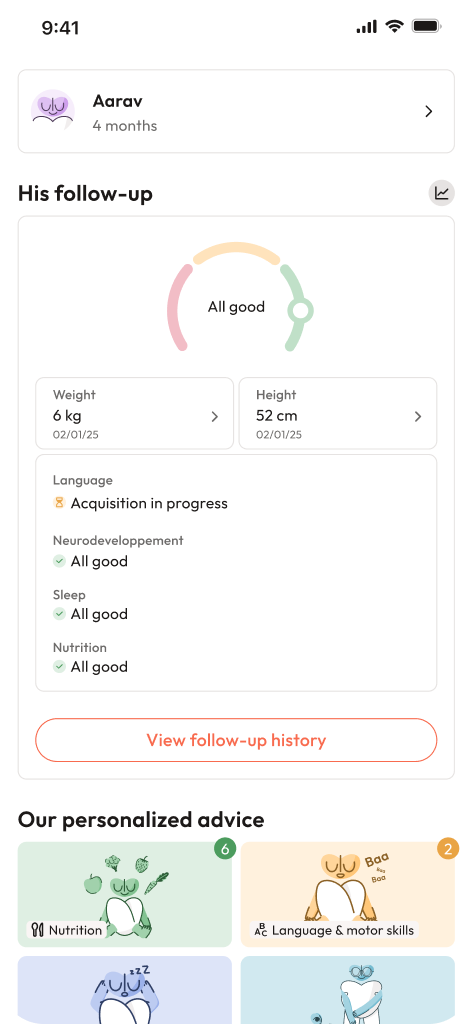
- Support is available through your paediatrician, a paediatric gastroenterologist or allergist, and you can also download the Heloa app for personalised tips and free child health questionnaires.
Further reading :