

Leaking breast milk can feel like a small daily ambush: a sudden wet patch on your kurti while you’re serving chai, damp nightwear at 3 a.m., or a surprise drip when you finally step out for a paediatric appointment. It’s common to feel irritated, embarrassed, or simply tired of changing pads.
The reassuring part? Leaking breast milk is most often a normal sign that lactation is switching on and then settling into a steadier rhythm after delivery. Knowing the usual triggers, how to keep nipples and skin comfortable, and when to take medical advice can make this phase far easier, without forcing yourself into extra pumping or strict schedules.
What “leaking breast milk” looks like day to day
Leaking breast milk means milk flows from the nipple outside a feed, or from the opposite breast while your baby is actively nursing. It can show up as:
- A few drops that dampen your bra
- A visible patch on your top
- A short spray with the let-down reflex
- Dripping when baby unlatches, dozes off, or when you bend forward
Some mothers notice leaks mostly at night or early morning (when breasts are fuller). Others hardly leak at all.

A key point many parents need to hear: leaking breast milk is not a “report card”. It reflects how easily your let-down is triggered and how much milk is stored at that moment, not whether you’re breastfeeding “correctly”.
How common it is and how long it may last
Leaking breast milk is especially common when milk volume rises after birth (often around postpartum days 2 to 4). After that, it varies a lot, influenced by:
- Sensitivity to the let-down reflex
- Feeding rhythm (and any skipped or delayed feeds)
- How much milk your breasts tend to store comfortably
Many mothers find leaking breast milk reduces as lactation regulation settles, often between 1 and 3 months postpartum. Still, it may return temporarily if routines shift (longer night sleep, travel, festivals, returning to work, or a baby who suddenly feeds less during the day).
Does leaking mean you have “too much” or “too little” milk?
It’s natural to look for clues, but leaking breast milk is not a reliable way to judge supply.
- Leaking a lot does not automatically mean oversupply.
- Not leaking does not mean low supply.
More useful signs that your baby is getting enough include:
- Steady weight gain (checked at visits)
- Baby’s alertness, tone, and overall well-being
- Plenty of wet nappies and age-appropriate stools
- Feeding that shows swallowing and a relaxed baby towards the end
If you’re unsure, a lactation consultant (IBCLC), your gynaecologist, or your child’s doctor can help assess feeding and growth in a practical, non-judgemental way.
The science behind leaking: prolactin, oxytocin, and regulation
Prolactin: the “milk-making” hormone
Prolactin is released from the pituitary gland and supports milk synthesis in the breast. Each effective breast stimulation, baby nursing or milk expression, tends to increase prolactin levels and maintain production.
In the early postpartum period, milk supply and baby’s demand don’t always match perfectly while both of you are learning. That mismatch can make leaking breast milk more noticeable.
Oxytocin and let-down: why milk can flow even before a feed
Oxytocin triggers the milk ejection reflex (let-down). It causes tiny muscle-like cells around the alveoli (the milk-producing sacs) to contract, pushing milk into ducts and out through the nipple.
Let-down can be triggered by more than sucking:
- Baby’s crying
- Baby’s smell
- Skin-to-skin contact
- Thinking about feeding (your body learns patterns)
So yes, leaking breast milk can happen in the kitchen, in the lift, or while you’re on a call.
Stress, pain, exhaustion, and dehydration can change how let-down feels. Some mothers feel let-down is slower under stress, others still leak easily. Both can be within normal.
Colostrum to mature milk: why early weeks feel wetter
In the first days, your baby gets colostrum: small quantities, thick, and rich in immune factors. Then comes transitional milk, and over the next weeks, mature milk becomes established.
As volume rises, breast fullness and duct pressure increase. That’s one big reason leaking breast milk is common early on.
Supply-and-demand regulation: why leaking often settles
Over time, the breast relies more on local regulation:
- When milk stays in the breast, production slows.
- When milk is removed effectively, production continues.
As this balancing system strengthens, many mothers feel less “overfull”, and leaking breast milk becomes occasional.
Common triggers that make leaking more likely
During feeds: the opposite breast leaks
Baby nurses on one side, and the other side leaks, classic and normal. It’s part of the let-down reflex acting on both breasts.
Between feeds: long gaps, delayed feeds, or missed sessions
Longer gaps (baby sleeps longer, a bottle replaces a feed, traffic delays, clinic waiting time) increase breast pressure and can trigger leaking breast milk, especially when you bend forward or carry baby close.
Baby cues: crying, sight, smell
Your brain responds quickly to baby cues, releases oxytocin, and milk may start flowing before you even latch.
Emotions and fatigue
Postpartum mood swings and sleep loss can make milk ejection feel unpredictable. Sometimes milk flows easily, sometimes it feels “held back”, then leaks later once you relax.
Warmth and pressure from clothing
A hot shower can increase flow. Tight bras, especially with hard seams or underwire, can create pressure points, friction, and skin irritation.
Hormonal shifts: periods returning
Some mothers notice changes in fullness and leaking breast milk when cycles return. Hormones can change breast sensitivity and let-down patterns.
Timing patterns: when you may notice it most
First weeks postpartum
Breasts feel heavy, baby is learning latch, and leaking breast milk is common.
1 to 3 months
Feeding often becomes smoother and regulation improves, many mothers see leakage reduce.
Later months: work schedules, travel, mixed feeding
Routine changes can bring leaks back, especially if daytime milk removal drops suddenly.
Night and morning
Longer gaps plus naturally higher prolactin at night often mean fuller breasts, night and early morning are frequent “leak windows”.
Practical ways to live with leaks (without overthinking)
When you’re out: stay comfortable and discreet
- Use breast pads in the bra, keep spares in your bag
- Dark colours or prints can hide small patches
- Carry a spare top and a small zip pouch for damp pads
At home and overnight: protect sleep
- A soft sleep bra or nursing camisole helps pads stay in place
- Consider a towel or mattress protector where your chest rests
- Use higher-absorbency pads at night if leaking breast milk wakes you up
Quick fixes when a leak starts
Breast pads: disposable or washable
- Disposable pads: very absorbent and convenient outside, but may irritate sensitive skin
- Washable pads (cotton/bamboo): often softer, change as soon as damp
Change often to protect nipples and areola
Moisture against skin can cause redness, itching, and contact dermatitis. Keeping the area dry supports skin healing, especially if you already have sore nipples.
Milk collectors and breast shells: useful, with gentle use
Collectors can catch milk from the opposite breast during feeds. Ensure they don’t press too tightly, constant pressure can irritate tissue.
Supportive, breathable nursing bra
A well-fitted bra reduces friction and keeps pads stable. Many mothers prefer non-wired bras early postpartum for comfort.
Reducing leaks at the source: small adjustments
Gentle pressure during let-down
If you sense tingling or pressure just before let-down, gentle pressure just above the nipple for a few seconds may slow the first rush, buying you time to latch baby or place a cloth.
Express a little for comfort (not to “empty”)
If the breast feels very tight, express a small amount by hand or pump to soften the areola. This can reduce leaking breast milk and also help baby latch more deeply.
Feed on demand and avoid long gaps when possible
Frequent milk removal reduces engorgement and pressure-driven leaks.
Try positions that slow a fast flow
If let-down is strong, laid-back feeding (semi-reclined) can help baby manage the flow better.
Pause, burp, relatch
If baby coughs, splutters, or pulls off, pause, burp, and relatch when calmer.
When leaking comes with discomfort: engorgement, fast let-down, oversupply patterns
Engorgement: signs and relief
Engorgement can feel like heavy, swollen, firm breasts, sometimes warm and painful. Helpful measures include:
- More frequent feeds
- Changing positions
- Gentle warmth before feeding
- Cold packs after feeding
- Hand expression just enough to soften
Fast let-down: what you may notice in baby
Baby may gulp, cough, click at the breast, or come off repeatedly. Helpful steps:
- Laid-back feeding
- Letting the initial spray flow into a cloth briefly
- Short pauses during feeds
Oversupply patterns
If you have frequent breast tension, repeated engorgement, and abundant leaking breast milk, and baby seems bothered by fast flow, discuss with a lactation professional. Gentle strategies can reduce discomfort without risking blocked ducts.
Mixed feeding and return to work: avoiding the “too full” cycle
Why mixed feeding can increase leaking
Replacing a breastfeed with a bottle without expressing milk can increase breast pressure and trigger leaking breast milk. On the other hand, pumping very often in addition to breastfeeding can keep production high and leaks frequent.
A simple rhythm that often works
- Nurse before leaving
- Pump sessions that truly replace the bottle feeds during separation
- Nurse again after returning
This reduces long gaps and sudden overfilling.
Milk storage basics (common guidance)
- About 4 hours at room temperature (20 to 25°C)
- About 3 to 4 days in the fridge (around 4°C)
- Several months in the freezer (timing varies by freezer type)
Skin care and emotional comfort
Preventing moisture-related irritation
Use breathable pads, change them often, and allow brief air-drying when possible.
Cracked nipples
Cracks are commonly linked to latch and positioning. A deeper latch reduces friction. Medical-grade lanolin or other nipple ointments may soothe skin, but the main fix is improving latch.
Feeling exposed or out of control
Public leaks can feel upsetting. A practical “leak kit” (pads, spare top) and predictable feeding breaks often reduce the mental load.
When to seek medical advice
Most leaking breast milk is harmless. Still, please seek clinical advice if you notice:
A plugged duct that doesn’t improve
A localised, firm, tender patch (sometimes with redness) can suggest a plugged duct. If it doesn’t improve within 24 to 48 hours despite frequent feeding and gentle milk removal, get help.
Mastitis symptoms
Significant pain, spreading redness, warmth, fever, chills, or feeling unwell needs prompt evaluation.
Unusual discharge or a persistent lump
Blood, pus, foul smell, skin changes, or a persistent lump should be checked by a clinician.
To remember
- Leaking breast milk is common in the early days after delivery and often settles as lactation regulates.
- Let-down, very full breasts, delayed feeds, baby cues, warmth, and routine changes can trigger leaking breast milk.
- Leaking breast milk does not measure milk supply, baby’s growth and nappy output are better markers.
- Pads, a comfortable nursing bra, gentle collectors, and simple clothing choices make leaking breast milk far easier to manage.
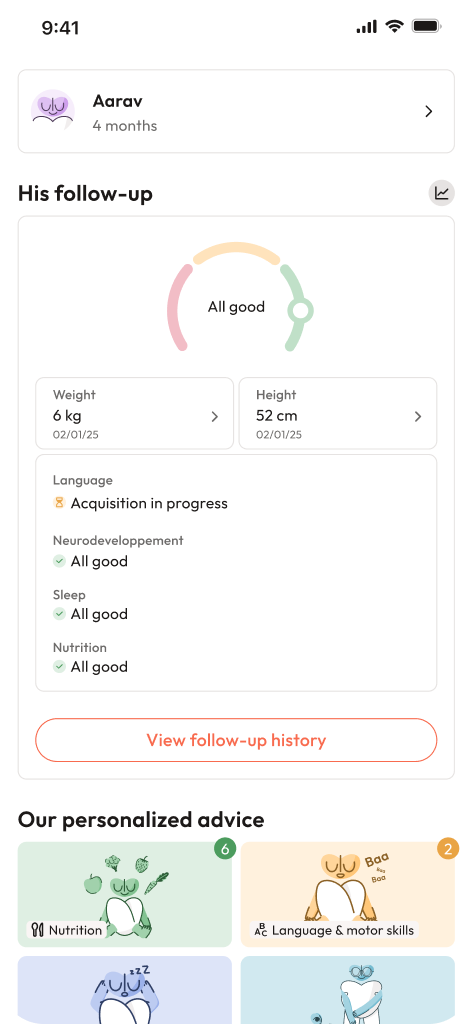
- Seek medical advice for fever, spreading redness, significant pain, a persistent lump, or unusual discharge, support is available through your doctor and lactation professionals. You can also download the Heloa app for personalised tips and free child health questionnaires.