A childcare transition can feel like a lot: the first day at a crèche, a new classroom, a new teacher, or even a shift from half-day to full-day. For your child, it is not “just a change”. It is a full-body experience: new faces, new sounds, different food smells, and a new separation pattern.
The good news? With predictable routines, one steady caregiver, and a step-by-step settling-in plan, most children adjust well. Some faster, some slower. Both can be perfectly okay.
Understanding the childcare transition and why it matters
A childcare transition is any change in where (or with whom) your child is cared for: starting daycare for the first time, moving rooms, changing caregivers, beginning preschool, or increasing attendance from a few mornings to full days.
Even “small” changes (a different drop-off gate, a substitute teacher, a new nap mat) can feel huge, because young children build safety through familiar people and repeated patterns.

Why transitions feel big: attachment, stress response, temperament
Separation is emotional, but it is also biological.
Attachment figures help regulate a child’s autonomic nervous system. When separation happens, the body may switch on a stress response: crying, clinging, faster heart rate, shallow breathing, and heightened alertness. The brain is essentially saying: “Bring my safe person back.”
Over time, repeated predictable experiences (arrival, welcome, play, meals, nap, reunion) usually lower that stress response because the brain learns what comes next.
Temperament matters too:
- Some children warm up quickly.
- Others are slow-to-warm or highly sensitive (noise, crowds, bright lights).
This is not stubbornness or “spoiling”. It is often how their brain processes novelty and sensory input.
What many parents notice at first
In the first days or weeks of a childcare transition, you may see:
- crying or clinging at separation
- being fine at home, then tearful at the centre door (anticipatory anxiety)
- appetite changes (eating less there, asking familiar foods at home)
- sleep disruption (short naps, earlier waking, more night waking)
- temporary regressions (more help needed with dressing, toileting setbacks, extra comfort seeking)
Separation anxiety commonly peaks around 12-18 months, and can show up again after illness or holidays.
What is happening in the first days
The settling-in goal: emotional safety through repetition
A settling-in period is gradual familiarisation between your child, the caregivers, the group, and the environment.
The aim is emotional safety: enough calm for your child to keep basic functions steady (eating, sleeping, elimination) and to explore even when you are not there.
Practical markers:
- your child connects with a stable adult (key person/primary caregiver)
- the setting starts to feel pleasant (songs, play, warmth)
- separation becomes tolerable, with reasonable recovery
- meals, nap, and toileting/diapering remain stable enough to cope
Environment, rhythm, and mini transitions
Childcare can be a new sensory territory: many voices, different lighting, ceiling fans, music, crowded transitions.
What often matters more than whether it is called daycare or preschool is the organisation:
- staff stability
- clear daily routine
- warm handovers at drop-off and pick-up
Look closely at:
- child-to-adult ratio (lower ratios generally mean faster soothing)
- how substitutes are introduced
- whether comfort items are allowed
- whether feelings are acknowledged (“You miss Amma/Papa”)
Age of entry and sensitive periods
Separation anxiety is normal development: your child knows you leave, but cannot yet wait calmly.
More sensitive windows often include:
- 8-12 months
- 12-18 months
If your child cries, it does not automatically mean the childcare transition is going badly. The key question: after you leave, how long to calm, and does play restart?
Planning a childcare transition before the first day
Choose a setting that supports smoother settling-in
Helpful features:
- stable staffing and low turnover
- manageable group size
- realistic caregiver-to-child ratios most days
- a key person approach
- predictable daily structure
These factors support responsive caregiving, which strengthens attachment and reduces stress during separations.
Questions to ask during visits
Consider asking:
- Who will greet my child most days? Who is the backup?
- If my child cries at drop-off, what happens in the first 5 minutes?
- Are comfort items allowed (blanket, soft toy, pacifier)?
- How do you share daily essentials: meals, naps, toileting/diapers, mood?
- How are incidents reported (falls, bites, suspected allergy) and how quickly?
- What is the illness policy for fever, vomiting, diarrhoea?
Share the small details that change everything
A short one-page child profile can help the team:
- sleep cues and soothing routines
- feeding textures and pace
- allergies, eczema, reflux, asthma plan if relevant
- favourite comfort song or phrase
A practical settling-in sequence
Many families find a gradual build-up easier on the nervous system.
Step 1: short visit and observation
Let your child explore while you observe how staff handle crying, comfort, and routine transitions.
Step 2: parent present, then brief separations
Use a short script:
- one hug
- one sentence: “I’ll be back after snack” (or after nap)
- clear handover
- leave
Long goodbyes can keep distress active. Sneaking away can damage trust.
Step 3: add meals, then nap
Progression often feels smoother as morning -> lunch -> nap.
Nap is a big milestone because sleep needs relaxation. Trust often comes first.
Encouraging signs:
- accepting comfort from an adult
- eating a little
- settling with books or quiet play
Step 4: a day close to the real schedule, then adjust
Settling-in rarely ends with zero tears. It ends when separation is tolerable, recovery time shortens, and play returns.
Routines that make mornings and days easier
A consistent morning sequence
Pick a simple order:
- wake, diaper/toilet, wash hands, breakfast, dress, shoes, bag
Prep at night whenever possible. In the morning, keep choices limited.
Visual schedules and simple cues
A 4-6 step picture schedule reduces cognitive load.
Helpful cues:
- timer warnings (“two minutes”)
- a repeated phrase (“Shoes on, bag on, hug, then door”)
- a short story describing drop-off and pick-up
Mini transitions: small switches, big impact
Many struggles are about quick switches: play -> clean up -> wash hands -> snack.
Tools that help:
- a clean-up song
- “first/then” cues
- a tiny job (carry cup, choose a book)
Drop-off routines that support calm separation
A step-by-step drop-off routine
1) One slow breath before entering.
2) Greet the teacher by name.
3) Bag away, one hug.
4) One sentence: “I love you. You are safe. I’ll be back after snack/nap.”
5) Clear handover, then leave.
Warm and efficient is the goal.
Comfort items and family photos
If allowed, a comfort object can be a bridge to home. Label it and agree with staff when it will be offered (arrival, nap, difficult moments).
If not allowed, ask about a family photo card in the cubby.
Drop-off pitfalls
Avoid:
- very long goodbyes
- sneaking away
- leaving and coming back repeatedly
- mixed messages (“I’ll stay” then leaving)
Clarity is kinder.
Managing separation anxiety and big feelings
Co-regulation: how adults lend calm
Young children borrow regulation from adults:
- name the feeling: “You feel sad. You want me to stay.”
- anchor safety: “Teacher will help you.”
- practise a slow exhale together
After pick-up, a reconnection routine can reduce evening meltdowns: snack, cuddle, quiet play, then regular home routine.
The parent side matters too
A childcare transition can feel heavy for parents as well. A factual check-in is often more helpful than repeating reassurance:
- How long did crying last after I left?
- Was my child comforted?
- Did they return to play?
- How were meals and nap?
If worry feels overwhelming, speak with a trusted person or a health professional.
Partnering with caregivers for smoother adjustment
Consistency helps children settle. Ask if your child can have a key person at arrival and nap time.
Agree on communication:
- daily basics: meals, naps, toileting/diapers, mood, incidents
- a short weekly check-in in the first month
- what needs same-day calling (fever, injury, suspected allergy, persistent inconsolable crying)
Also align cues between home and centre where possible (nap wind-down steps, simple boundary language, comfort plan).
Sleep and meals: common sensitive spots
Sleep may shorten initially due to noise and group energy. An earlier bedtime at home for a few weeks can help.
Appetite may dip too. Coordinate milk or bottle timing so your child does not arrive extremely hungry or overly full.
How long a childcare transition can take
Timelines vary:
- 1-2 weeks for many children
- 3-5 weeks for cautious temperaments
- 6-12 weeks for highly sensitive children or irregular attendance
Look for the trend: shorter recovery time, more play, and gradually steadier sleep and appetite.
When the transition is truly difficult: when to adjust
If distress stays intense with little improvement after about 15-20 days of real attendance, speak to staff and consider a plan change.
Discuss promptly if you notice:
- prolonged crying with little calming
- ongoing refusal to eat or inability to sleep at care
- persistent withdrawal or loss of curiosity
Sometimes small changes help quickly: shorter days for a week, ensuring the key person is present at arrival, or tightening the goodbye ritual.
Setbacks are normal
After viral infections or a holiday break, regression can happen. If possible, do a shorter day for 1-2 days and keep routines identical. At home, protect basics: sleep, hydration, simple meals.
Special situations needing a tailored plan
Children with autism, sensory processing differences, language delay, or developmental delay may benefit from:
- visual schedules and “now/next” cards
- slower pacing and fewer rapid transitions
- a predictable calm corner
- short, concrete instructions
Bilingual families and shared custody arrangements often do best with a few stable anchors across homes: same goodbye ritual, same comfort object, similar nap cues.
Key takeaways
- A childcare transition becomes easier with predictable routines, a brief goodbye ritual, and at least one stable caregiver.
- Settling-in works best as a gradual, repeated sequence that builds emotional safety.
- Early tears can be typical, progress looks like quicker calming and a return to play.
- Sleep and appetite changes are common early on, protect rest at home and keep feeding pressure low.
- If there is no improvement after about 15-20 days, or if you see persistent withdrawal or major disruption in eating and sleep, discuss adjustments with the team and consult your paediatrician.
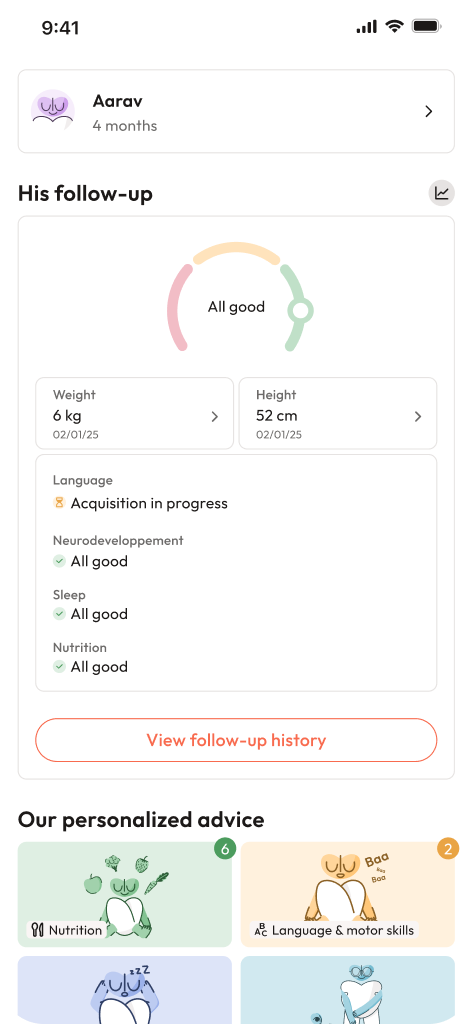
- Support exists. You can also download the Heloa app for personalised advice and free child health questionnaires.

Further reading: