
A child with croup can sound alarming: a barking, “seal-like” cough, a hoarse voice, and sometimes a high-pitched noise when breathing in. It often strikes at night, when everyone is tired and worries feel bigger.
Most croup is viral and settles in a few days, but babies and toddlers can look more unwell because their upper airway is narrow. You’ll see what croup is, how to judge severity quickly, what treatment doctors use, safe home care, and when to seek urgent help.
What croup is and why it sounds so loud
Croup is swelling and irritation of the upper airway around the larynx (voice box) and trachea (windpipe). Doctors may call it laryngotracheitis. In many children the swelling is strongest in the subglottic area (just below the vocal cords), which is already tight in little ones.
Air forced through a narrowed passage becomes turbulent. Turbulence creates:


- Barking cough
- Hoarseness
- Stridor (high-pitched sound, mainly on breathing in)
Croup is most common from 6 months to 3 years (peak around 1–2 years) and usually becomes less frequent as the airway grows.
Why croup often worsens at night
Night worsening is typical. Cortisol (a natural anti-inflammatory hormone) is lower at night, and lying flat can worsen congestion. Crying also increases breathing effort, making stridor louder.
Types of croup
Starts like a cold (runny nose, mild fever), then within 12–48 hours the cough turns barky and the voice becomes hoarse. Symptoms often worsen at night.
Spasmodic croup
Sudden night-time episodes, sometimes with little fever and minimal cold symptoms. Some children have repeated episodes, airway sensitivity may contribute.
Bacterial tracheitis (bacterial croup)
Uncommon but serious. It may begin like viral croup and then worsen with higher fever, a very ill-looking child, thick secretions, and poor response to usual croup medicines. Hospital care and antibiotics are typically needed.
Recurrent croup
Repeated episodes over time. Often still viral croup, but frequent or unusually severe episodes may suggest triggers (smoke, reflux, allergies) or an airway difference worth discussing with a clinician.
Causes and spread (Indian context included)
Croup is usually caused by parainfluenza viruses, RSV, influenza, adenovirus, rhinovirus, and enterovirus can also trigger it. During some COVID-19 waves, SARS‑CoV‑2 was also linked to croup in children.
Spread happens via cough/sneeze droplets and contaminated hands/surfaces (toys, cups, door handles). Incubation is often 2–6 days. Many children are most contagious in the first few days, roughly around 3 days after symptoms begin, or until fever settles.
Irritants can worsen symptoms:
- Passive tobacco smoke
- Dust and outdoor pollution
- Very dry air from AC/heaters
- Strong room fresheners, incense smoke, harsh cleaning sprays
Symptoms: what to look for first
- Stridor only when crying/upset often suggests milder croup.
- Stridor at rest (heard when your child is calm) is more concerning and needs prompt medical assessment.
Signs of increased work of breathing
Watch for:
- Retractions (skin pulling in at the base of the neck, between/under ribs)
- Fast breathing, nasal flaring
- Grunting
- Fatigue, reduced interaction
Blue/grey lips or low responsiveness are emergency signs.
Fluids and wet diapers (simple home tracking)
Breathing effort, blocked nose, and throat discomfort reduce intake. Some children vomit after a coughing fit.
Track:
- Drinking much less than usual
- Fewer wet diapers
- Dry mouth, no tears
- No urine for 4–6 hours in a young child
- Unusual sleepiness
How long croup lasts
Symptoms often peak over the first 1–3 nights. Many children improve within 3–7 days. Stridor often settles earlier, while a cough may linger for 1–2 weeks.
Seek reassessment if symptoms worsen after improving, stridor at rest persists beyond 48–72 hours after treatment, fever stays high, or your child looks increasingly unwell.
How doctors assess croup
Diagnosis is usually clinical: barking cough + hoarseness + stridor, with an exam focusing on breathing effort, hydration, and alertness. In moderate-to-severe cases, oxygen saturation may be checked with pulse oximetry.
Some clinicians use the Westley croup score to grade severity. X-rays and viral tests are not routinely needed, but may be used if the diagnosis is unclear or the course is unusual.
Conditions that can mimic croup (red flags)
Urgent assessment is needed if symptoms suggest:
- Epiglottitis: drooling, trouble swallowing, muffled voice, sudden severe illness
- Foreign body aspiration: sudden onset after choking, often without fever
- Anaphylaxis: hives/swelling, vomiting, collapse after allergen exposure
- Deep neck infections: severe sore throat, neck stiffness, drooling, trouble opening mouth
Treatments that work (medical care)
A single dose of dexamethasone is standard treatment for croup and often improves symptoms within about 2 hours. Some settings use prednisolone, nebulised budesonide can be used when inhaled route is preferred.
Nebulised epinephrine
Used for moderate-to-severe croup, especially stridor at rest. It works quickly but temporarily, so observation (often 2–4 hours) is needed to watch for symptom return.
Supportive care
Oxygen may be given if levels are low. Fluids are encouraged, IV fluids may be needed if dehydration is developing. Keeping the child calm is part of treatment.
Antibiotics
Not used for viral croup. Used when bacterial infection (like bacterial tracheitis) is suspected.
Caring for croup at home (mild symptoms)
If your child is breathing comfortably when calm and drinking reasonably, home care may be enough.
Helpful steps:
- Keep your child calm and upright during flare-ups
- Offer frequent small sips (breast milk, formula, water as age-appropriate)
- Clear a blocked nose with saline drops and gentle suction
- Use paracetamol for fever/discomfort, ibuprofen can be used after 6 months (weight-based dosing)
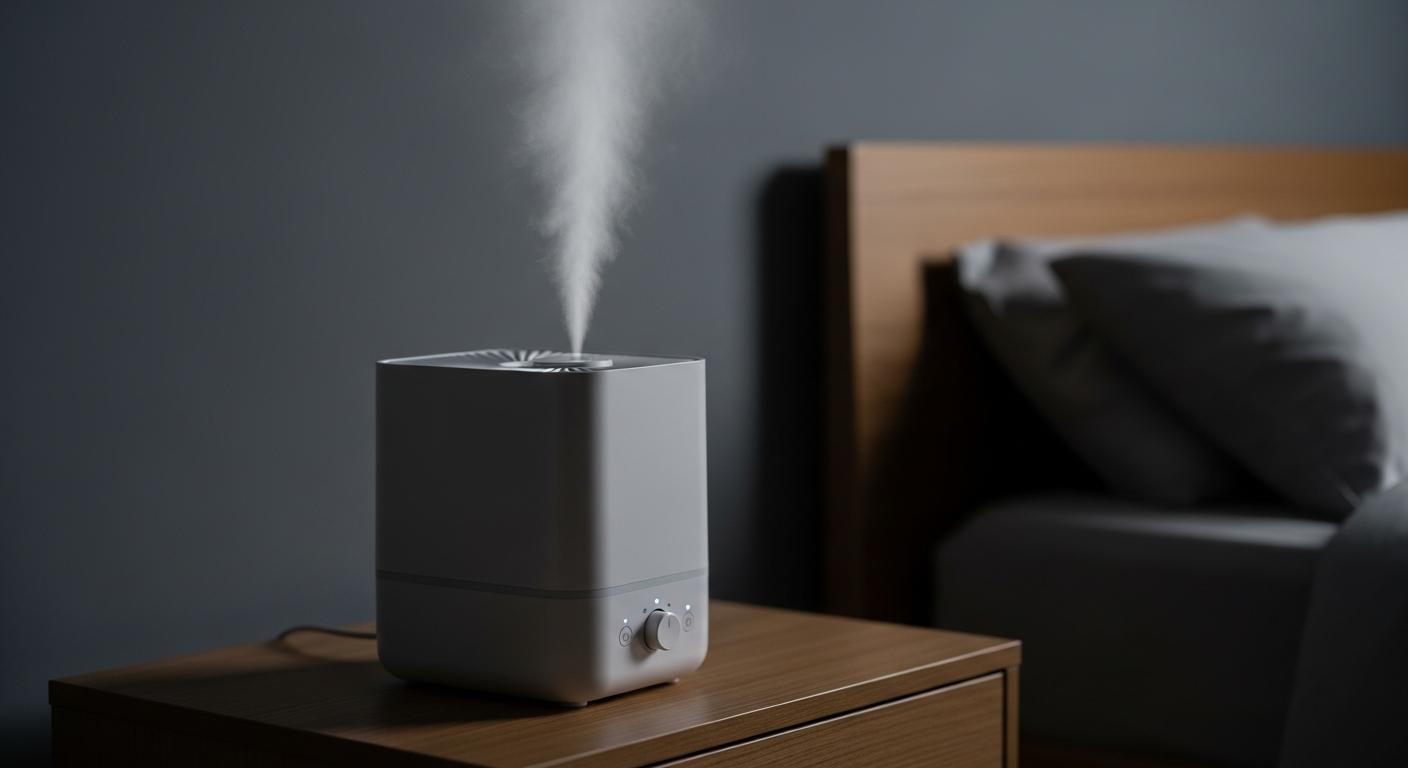
Humidified air may feel soothing, but avoid hot steam due to burn risk. Avoid OTC cough/cold medicines unless your doctor advises.
When to contact a clinician or go to the ER
- Retractions or clearly laboured breathing
- Stridor with minimal upset
- Drinking/feeding becoming difficult
- Persistent fever or child seems unusually drained
Emergency care now
- Stridor at rest
- Very fast, difficult breathing or marked retractions
- Blue/grey lips/face, low responsiveness
- Drooling or trouble swallowing, muffled voice
- Pauses in breathing, extreme exhaustion
Infants under 3 months and children with chronic lung/heart disease, immune problems, or significant wheeze symptoms often need earlier evaluation.
Returning to daycare/school and prevention
Return is usually reasonable when fever has been absent for 24 hours without medicines, breathing is comfortable (no stridor at rest), and your child’s energy and intake are close to usual.
Prevention focuses on handwashing, cleaning high-touch surfaces, avoiding smoke exposure, and reducing irritants at home.
To remember
- Croup is a common upper-airway infection causing barking cough, hoarse voice, and sometimes stridor.
- The most important danger sign is stridor at rest or signs of hard breathing.
- Most croup is viral, dexamethasone often helps within hours.
- Track fluids and urination, dehydration is common in small children.
- Support exists: your paediatrician and emergency services can guide you. You can also download the Heloa app for personalised advice and free child health questionnaires.
Further reading: