Pregnancy cravings can be surprising: a very specific food that suddenly feels non-negotiable, a smell that turns your stomach, a “must-eat-now” feeling in the late afternoon… and then the sharp follow-up question: “Am I doing everything wrong?” Most of the time, no. In many cases, pregnancy cravings simply reflect a body that is adapting (hormones, taste and smell changes, digestion, sleep) and a daily life that is shifting.
The real aim is to know what is common, what might benefit from a practical adjustment, and what deserves medical advice (pica, possible deficiency, gestational diabetes, or disordered eating). And above all: keep food choices safe for your baby without turning every craving into a battle.
Pregnancy cravings: why they happen (and how to feel good about them)
Why cravings are so common in pregnancy
Pregnancy changes appetite in a very real, biological way. Shifts in hormones (including hCG, oestrogen, and progesterone) can influence appetite regulation and make certain foods feel unusually appealing. Many women also notice heightened smell and taste sensitivity, so a food can suddenly seem irresistible – or impossible to tolerate.
Pregnancy cravings are also shaped by day-to-day physiology: energy needs change, blood sugar can swing more easily, and fatigue is common. When you are tired, stressed, or running on an empty stomach, the brain tends to push you towards quick energy and comfort foods.

And in the Indian context, environment matters too: what is cooking at home, what is available nearby, cultural habits, and seasonal foods. Biology sets the stage, daily life often fills in the details.
Cravings vs hunger vs snacking urges vs food aversions
These experiences can overlap, but they are not the same:
- Hunger is a general need to eat and can usually be satisfied by many foods.
- A craving is specific and often feels urgent: you want a particular taste, food, or texture.
- A snacking urge can be strong pressing hunger, sometimes linked to a meal that was too small or too long ago.
- A food aversion is the opposite: a strong dislike or repulsion (often smell-driven) that can trigger nausea.
One important point: cravings for non-food substances (such as dirt, chalk, paper, soap, detergent, or large amounts of ice) are called pica and should be discussed promptly with a doctor.
What pregnancy cravings are (and what they are not)
What counts as a craving
A craving usually has a few features:
- A strong urge for a specific food (or a very specific combination)
- It keeps coming back into your mind
- It is often about taste or texture (sweet, salty, sour, creamy, crunchy), not simply “I should eat”
What it is not: a mild preference, a passing “that sounds nice”, or eating only because it is meal time.
Are pregnancy cravings normal?
Yes. Pregnancy cravings are common and, on their own, are not a sign that you are doing anything wrong. They do not reliably predict your baby’s sex, and they are not a dependable way to diagnose nutrient deficiencies. Cravings are usually a mix of hormones, sensory changes, digestion, sleep, routines, emotions, and energy regulation.
How common are pregnancy cravings?
Many pregnant women report cravings at some point, but estimates vary. Not having cravings is also normal.
When pregnancy cravings start and stop
First trimester (often alongside nausea)
Pregnancy cravings can appear early, often around the same time nausea and smell sensitivity begin. Cravings and aversions frequently coexist: you may intensely want one food while feeling nauseated by many others.
Many women focus on “what goes down” at this stage – often cold foods, mild-smelling options, simple textures, or sometimes sour/salty flavours that feel more tolerable. Small, frequent intakes often work best, especially in the morning.
Second trimester (often the peak)
For many women, the second trimester is when pregnancy cravings become more frequent and intense. Appetite often improves as nausea eases.
If cravings feel constant, check basics first: regular meals, enough protein, hydration, and sleep.
Third trimester (patterns can shift)
Some women notice cravings calming down. Others keep them or develop new ones, often influenced by heartburn/reflux or feeling full quickly as the baby grows. Smaller, more frequent meals can be more comfortable than large portions.
Night cravings: hunger, fatigue, or reflux?
A nighttime craving can reflect:
- Dinner that was too light or too early
- A very active day
- Stress that keeps you awake
- Acid reflux that can feel like “I need to eat”
A useful question is: “Am I truly hungry, or am I trying to relieve discomfort?” The answer helps you choose the right response.
When pregnancy cravings stop (and what can change after birth)
Cravings often ease by mid-pregnancy for many women, but patterns vary. After birth, appetite can swing with sleep deprivation and recovery.
If you are breastfeeding, energy needs are higher and hunger can feel intense. Many women do well with planned snacks and meals that include protein, complex carbs, and healthy fats.
What can cause pregnancy cravings
Hormones and sensory sensitivity
Pregnancy hormones can affect appetite signals and digestion, especially early on. Smell sensitivity often increases, and taste can shift. This can make some foods suddenly repulsive and others feel comforting or “safe”.
It helps to avoid simplistic conclusions (like “one craving proves one deficiency”). Hormones tend to increase sensitivity, and then fatigue, context, and habits shape what you want.
Blood sugar shifts and energy crashes
Long gaps between meals, irregular eating, short nights, or a busy day can favour blood sugar swings – often followed by snacking urges and pregnancy cravings, especially for sweet or starchy foods. In practice, stabilising energy across the day is often more effective than trying to fight each craving.
Mood, stress, and comfort eating
Cravings can be linked to comfort and routine during a time of major physical and emotional change. Stress, overwhelm, loneliness, or familiar comfort foods can all increase cravings.
This is not a lack of willpower. It reflects brain biology and coping. The key is balance: if food becomes the only way to manage anxiety or sadness, it is worth widening your support toolkit and asking for help.
Do pregnancy cravings mean nutrient deficiencies?
Not reliably. Cravings can exist alongside iron deficiency or other gaps, without being a reliable sign.
The main situation to take seriously is pica, which is more often associated with deficiencies (commonly iron). Evaluation may include blood tests such as a complete blood count and ferritin.
Common pregnancy cravings (and what they can look like)
Sweet cravings
Chocolate, ice cream, pastries, mithai – very common. Sweet foods can feel soothing, especially when fatigue is strong.
The practical concern is not being “perfect”, but avoiding a roller coaster: sugar on its own can lead to a spike and then an energy dip, followed by another craving. Pairing sweets with protein or fibre can help.
Salty, fatty, and sour cravings
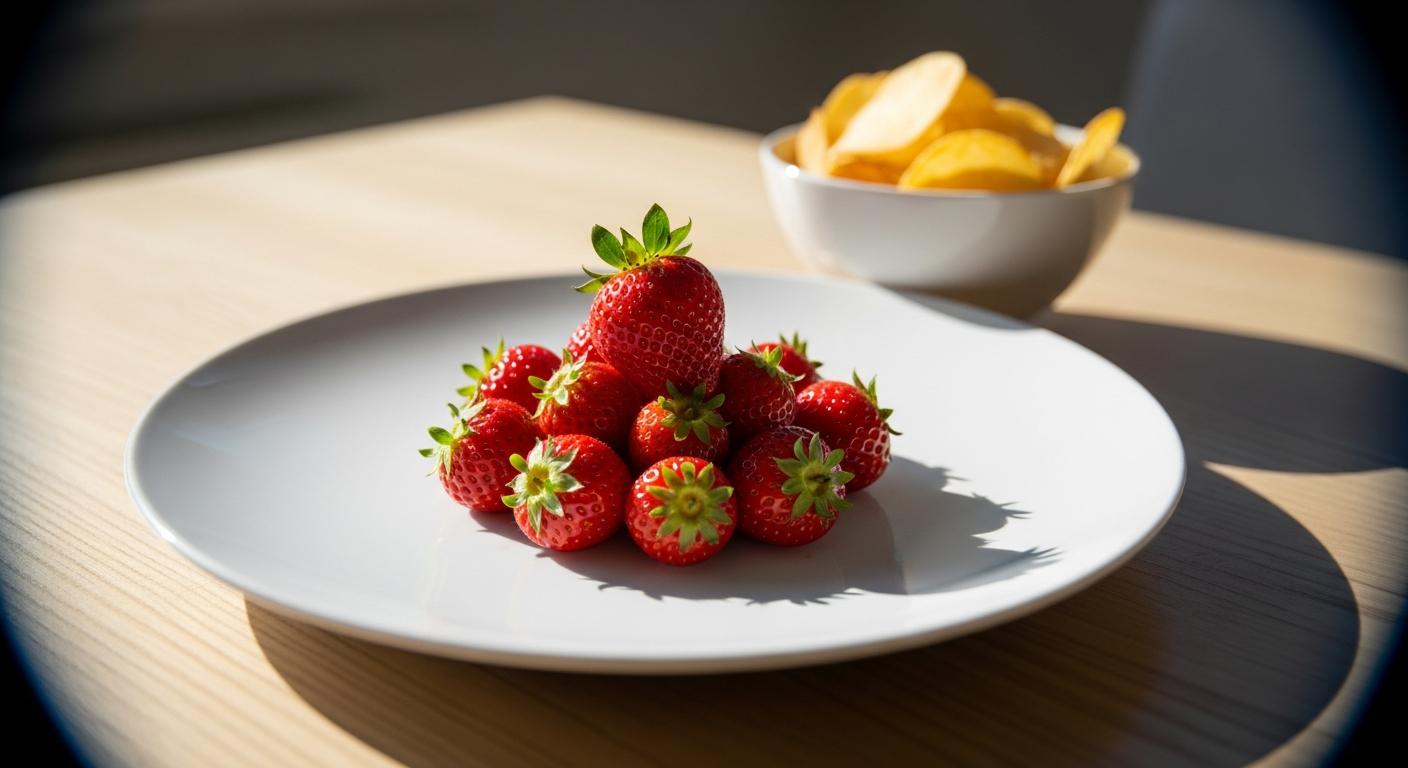
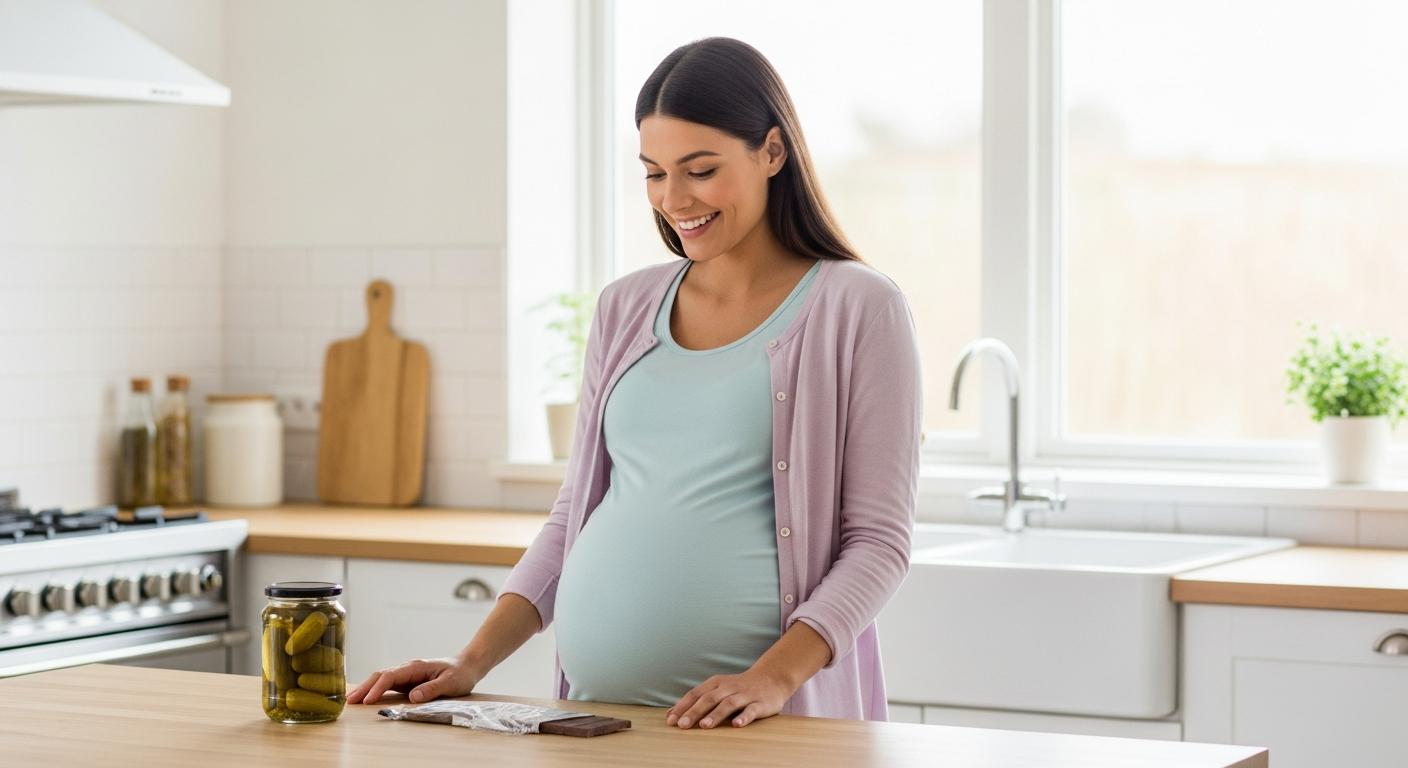
Chips, fries, pickles, tangy foods – also common. Sour flavours can feel “fresh” and may be easier to tolerate when nausea dominates. Texture matters too: crunchy, icy cold, creamy, or soft. Sometimes the craving is really about sensation more than one specific food.
Pickles are fine in moderation, but sodium can add up quickly, and spicy pickles may worsen acidity.
Fruit and dairy cravings
Some women crave fruit, juices, and dairy (milk, curd, yoghurt, cheese/paneer). A craving alone does not diagnose a deficiency, but fruits and pasteurised dairy can make it easier to keep your diet varied if they are well tolerated.
Unusual combinations: normal or not?
Sweet-and-salty pairings or very sour with very cold foods can reflect altered taste. What raises concern is not “weird combinations”, but extreme repeated cravings, or cravings shifting toward non-food substances.
Food aversions and morning sickness
Why aversions happen
Aversions are strongly linked to hormonal and sensory shifts. Smells can become intense, and nausea is often worst in the first trimester. Aversions can feel sudden and dramatic.
When nausea and cravings overlap
It is common to crave foods that feel “safe” (bland, cold, salty, or carb-based) while being unable to tolerate many other smells and textures. One day you may want a food intensely, the next day it may be off-limits.
Nausea-friendly options that still support nutrition
When nausea is present, practicality matters:
- Small, frequent meals can be easier than large portions
- Mild-smelling foods (often cold or room temperature)
- Gentle carbs: crackers, toast, plain rice, oats
- Easy proteins: curd, paneer, eggs if tolerated, hummus, nut butter
- Hydration: water sipped slowly, soups, diluted juice, ice lollies if that is what works
Seek help early if vomiting prevents keeping fluids down or if you notice dehydration (very dark urine, urinating rarely, dizziness).
Pica in pregnancy: craving non-food items
What pica is (and what pagophagia means)
Pica is craving (and sometimes consuming) non-food substances. Pagophagia refers specifically to craving or chewing ice.
Non-food cravings that need medical attention
Chalk, dirt, clay, soap, paper, laundry detergent, or large amounts of ice. These are different from typical pregnancy cravings and deserve medical review.
Why pica can be dangerous
Non-food substances can cause choking, dental damage, constipation or bowel obstruction, infections, and exposure to contaminants (including heavy metals in soil). If you have ingested a potentially toxic product, seek urgent medical advice.
Are pregnancy cravings “healthy”?
The big picture matters more than any single food
A craving for chips or pastry once in a while does not endanger pregnancy. The more meaningful question is repetition, quantity, and the overall place it takes in your diet.
Cravings can fit into a healthy pattern. The goal is not perfection, it is a nourishing baseline most of the time: enough protein, iron-rich foods, calcium sources, fruits and vegetables, and satisfying complex carbohydrates.
Gestational diabetes: reducing spikes without banning foods
If you have gestational diabetes – or if screening is coming up – frequent strong sweet cravings are a signal to add structure:
- Avoid sugary drinks and sweets on an empty stomach
- Pair carbs with protein and fibre (curd + fruit, whole-grain roti + paneer)
- Prefer lower-glycaemic carbohydrate sources more often (legumes, whole grains)
Portion awareness without guilt
Gestational weight gain targets depend on pre-pregnancy BMI and health factors, so personalised advice from your clinician is best. If cravings are frequent, plating the craving food (instead of eating from the packet) can help you feel satisfied without overshooting.
Managing pregnancy cravings in a healthy way
Start with the simplest lever: structure
Regularity helps: three meals plus one to three planned snacks, depending on hunger. The goal is to avoid long stretches without eating that can trigger urgent snacking urges.
A practical guide: aim for protein + fibre at each eating moment (and include healthy fats when you can). This supports steadier energy and better satiety.
Sweet cravings: enjoy them without the spiral
Helpful strategies:
- Choose a portion and put it in a bowl
- Have sweets after a meal rather than alone
- Try filling treats: curd with fruit, fruit with nuts, paneer with fruit
- Quick check-in: did I sleep enough? Did I skip a snack?
Salty cravings: focus on crunch and fullness
Options that match salty/crunchy sensations:
- Roasted makhana with light seasoning
- Home-seasoned popcorn (lightly salted)
- Whole-grain crackers
- Crunchy vegetables with hummus
If you choose chips or fries: decide the portion, and add something that keeps you full (curd, cheese/paneer, an egg if you eat eggs, or a handful of nuts).
Night cravings: choose the right response
- True hunger: a light snack like curd, milk, whole-grain toast, or fruit
- Reflux: lighter evening meal, avoiding fatty/spicy/very acidic foods close to bedtime, and following clinician advice on sleep positioning
Emotional triggers: widen your toolkit
When pregnancy cravings hit, one question can be enough: “Am I hungry, or do I need a pause?”
A few fast options: slow breathing, a warm shower, gentle stretching, a short walk, music. And if you do eat, try to do it seated and with attention – then let it be.
Adjust one thing at a time
One realistic change is often more effective than a perfect plan:
- Add a protein-based snack
- Move dinner earlier
- Plan a dessert intentionally
- Replace grazing with a more nourishing crunchy snack
Pregnancy cravings and safety
Food safety still matters when cravings hit
- Choose pasteurised dairy and juices
- Avoid raw or undercooked eggs, meat, poultry, and fish
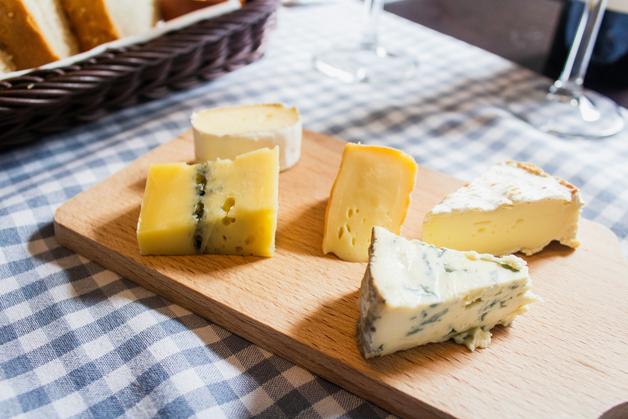
- Avoid unpasteurised products and raw-milk cheeses
- Choose low-mercury fish options, fully cooked
- Avoid high-mercury fish such as shark, swordfish, and marlin
Preparing and storing foods safely
- Refrigerate perishable foods promptly and reheat leftovers until steaming hot
- Wash fruits and vegetables well
- Prevent cross-contamination by separating raw meats from ready-to-eat foods and cleaning utensils and boards thoroughly
Caffeine and other cravings
Many guidelines advise keeping caffeine around 200 mg/day or less (individual advice may vary). Caffeine can hide in coffee, tea, cola, energy drinks, and chocolate. Avoid energy drinks.
Alcohol
There is no safe level of alcohol during pregnancy.
When to talk to a doctor about pregnancy cravings
Speak to your clinician if:
- Pregnancy cravings feel overwhelming or your diet becomes very unbalanced
- You have any pica cravings, even occasional
- You have symptoms suggesting deficiency (marked fatigue, pallor, dizziness, unusual breathlessness)
- You have gestational diabetes or high sugars and sweet cravings feel difficult to manage
- You cannot keep fluids down, you have dehydration signs, you are losing weight, or food thoughts feel out of control
Key takeaways
- Pregnancy cravings are common, variable, and often more noticeable in the second trimester.
- They reflect a mix of hormones, sensory sensitivity, fatigue, emotions, meal timing, and environment.
- A craving does not diagnose a deficiency, but pica (non-food cravings such as dirt, chalk, soap, detergent, or persistent ice chewing) needs medical advice.
- Prioritise food safety: avoid raw/undercooked foods, unpasteurised products, high-mercury fish, limit caffeine and avoid energy drinks and alcohol.
- The most effective tools are simple: regular meals and snacks, pairing protein + fibre, noticing triggers, and adjusting one realistic lever at a time.
À retenir
- If pregnancy cravings feel intense, begin with structure: regular meals plus planned snacks with protein + fibre.
- If cravings shift towards non-food items, speak to your clinician promptly (pica can be linked to iron deficiency anaemia).
- Professionals can support you during pregnancy. You can also download the Heloa app for personalised guidance and free child health questionnaires.