
Seeing a white spot on gum can be a bit of a shock, especially with babies. One day the gums look perfectly pink, and the next day there is a tiny white dot staring back at you. Is it a tooth coming in? Thrush? A small blister? Or simply a little rubbing from a brush, spoon, or toy?
A white spot on gum is not a diagnosis. It is a finding. The trick is to read the clues: where it is, whether it wipes off, how your child behaves during feeds, and whether the area is changing over days. That is usually enough to decide between home care with observation, or a dentist or doctor visit.
What a white spot on gum can look like (and why the look matters)
The mouth lining (oral mucosa) reacts in recognisable patterns. When it is irritated, it may look pale or develop a thin whitish film. When yeast overgrows, it forms creamy plaques. When viruses inflame the tissues, tiny blisters can burst into ulcers.
A white spot on gum may be:

- A pinpoint dot on the gum ridge (often teething-related)
- A raised, soft “bubble” (eruption cyst)
- A wipeable creamy layer (often thrush)
- A shallow sore with a pale centre and red rim (ulcer)
- A thicker plaque that does not wipe off (needs a check if it persists)
You may be wondering, “Does appearance really matter?” Yes, because it often points you to the likely cause and how fast you need help.
Spot, patch, bump, or ulcer: quick parent-friendly definitions
- Spot: small, well-defined area
- Patch: wider area, like a film or plaque
- Bump: raised, like a small pimple or blister
- Ulcer: a shallow break in the lining, often stings
Home checks that are actually useful
Flat vs raised, single vs multiple
- Flat plus single after crunchy food, a toothbrush change, or braces rubbing often fits minor trauma.
- Raised bump near one tooth can suggest a local infection draining from that tooth.
- Multiple areas on gums, tongue, cheeks, or palate suggest a more widespread cause (thrush is a common one in babies).
Wipes off or not?
With clean gauze (or a clean, soft cloth), gently rub the area.
- If the white spot on gum wipes off and the base looks red and sore, it often suggests thrush or a superficial healing layer over irritated tissue.
- If it does not wipe off, think of thicker mucosal change, chronic friction, or inflammatory patterns, especially if it lasts.
Location and timing clues
Small injuries and typical ulcers usually improve in a few days and heal within 1 to 2 weeks. If the white spot on gum keeps coming back, spreads, hardens or changes colour, or lasts more than 2 weeks, it is sensible to have it examined.
Location helps too:
- Gum ridge where a tooth should erupt (babies): teething or eruption cyst
- Along the gumline: plaque-related irritation, vigorous brushing
- On one tooth area: sometimes a dental abscess draining point
Common causes of a white spot on gum
Tooth eruption (very common in babies)
In infants, a single white spot on gum often means a tooth is close to breaking through. The enamel sits just beneath the gum, and the tissue can look shiny, tight, and paler.
You might notice a clear white dot where an incisor will appear, a small firm bump, and mild redness.
Eruption pressure fluctuates, so the look can change day to day. If you are unsure, take a photo every 2 to 3 days in similar lighting and check if it is evolving.
Many babies get the first tooth between 4 and 7 months, but later can still be normal. Fever of 38°C or more should prompt you to look for illness rather than assuming it is only teething.
Eruption cyst (benign blister)
An eruption cyst is a small fluid-filled swelling over a tooth about to come in. It can be whitish, translucent, or bluish-purple.
Most settle once the tooth erupts. Do not pierce or scrape it.
Newborn inclusion cysts
Some newborns have tiny white-yellow bumps on the gum ridge or midline palate. These are benign and usually disappear over weeks.
Minor irritation or trauma
A sharp biscuit, a hot sip, a fall with a spoon in the mouth, or aggressive brushing can cause a local pale area or shallow ulcer. Removing the trigger usually helps.
If the same white spot on gum recurs at the same point, consider a sharp tooth edge or rubbing orthodontic wire.
Aphthous ulcer (canker sore)
A canker sore looks like a small oval ulcer with a white or yellow centre and a red border. It stings with citrus, spicy foods, and brushing. Healing is usually 7 to 14 days.
Frequent ulcers can sometimes link with iron, folate, or vitamin B12 deficiency, so discuss it if the pattern is recurring.
Oral thrush (candidiasis)
Thrush is due to yeast overgrowth (often Candida albicans). It can form creamy white plaques on tongue, inner cheeks, palate, and gums.
Clues: it often wipes off and may leave a red sore base, babies can get fussy during feeds.
Thrush is more likely after antibiotics or with inhaled steroids (without rinsing). Treatment usually needs an antifungal prescribed by a clinician. If breastfeeding, both parent and baby may need treatment. Cleaning pacifiers and bottle teats carefully can reduce recurrence.
Viral mouth lesions (including herpes)
Some viruses cause painful ulcers with fever and swollen neck glands. These infections can spread via saliva.
If your child refuses fluids, has fewer wet nappies, or seems dehydrated, seek medical care.
Gum boil or fistula from a dental abscess
A gum boil is a small bump, sometimes with a white point, that may drain foul-tasting fluid. It suggests infection from a tooth root and needs dental treatment.
Often, parents are surprised: the pain may be mild if the infection is draining, yet the problem still needs treatment at the source.
Persistent white plaques (more common in adults)
Thick plaques that do not wipe off and persist can relate to chronic irritation (including leukoplakia) or inflammatory conditions (like oral lichen planus). These are uncommon in children, but any persistent white spot on gum that lasts beyond 2 weeks or changes should be assessed.
Contact irritation (toothpaste, mouthwash, whitening products)
If a new toothpaste or mouthwash causes burning, peeling, or a pale patch where it touches, stop it and see if the mouth settles.
Plaque, calculus, and gumline irritation
Plaque and calculus inflame gums (gingivitis) and can make the gumline tender, swollen, and prone to bleeding. Professional cleaning and gentler brushing pressure generally help.
White spot on gum in children: common situations by age
Babies
Most common:
- Teething-related white spot on gum
- Eruption cyst
- Thrush
- Benign newborn inclusion cysts
Toddlers and children
Often:
- Falls, bites, and minor trauma
- Canker sores
- Viral illnesses with mouth ulcers
Braces and orthodontic appliances
Friction areas can look white and sore. Orthodontic wax and careful brushing around brackets can help, persistent patches may need an adjustment.
Symptoms to watch
- Pain, burning, itching, tenderness
- Bleeding gums or swelling
- Bad breath, bad taste, pus-like drainage
- Fever, swollen lymph nodes
- Facial or jaw swelling
- Trouble eating, drinking, brushing, or sleeping
- The white spot on gum grows, spreads, hardens, changes colour, or does not heal
Is it serious? Reassuring signs and red flags
Often reassuring
A clear trigger, one small area not spreading, and improvement within a few days are good signs.
Red flags, especially in babies
Fever of 38°C or more, refusal to drink, facial swelling, or dehydration signs (few wet nappies, dry mouth) need faster assessment.
A note many families find helpful: teething can make a baby irritable, but it should not cause a child to look very unwell. If your baby is floppy, very sleepy, or difficult to rouse, do not wait.
How dentists diagnose a white spot on gum
The dentist checks size, borders, texture, gum inflammation, nearby teeth, and the rest of the mouth.
Possible tests include Dental X-rays for suspected abscess, swabs in unusual infections, and discussion of biopsy for persistent non-wipeable plaques beyond 2 to 3 weeks.
Treatment options (depends on the cause)
Gentle home care and monitoring
If symptoms are mild and improving, time plus comfort care is often enough.
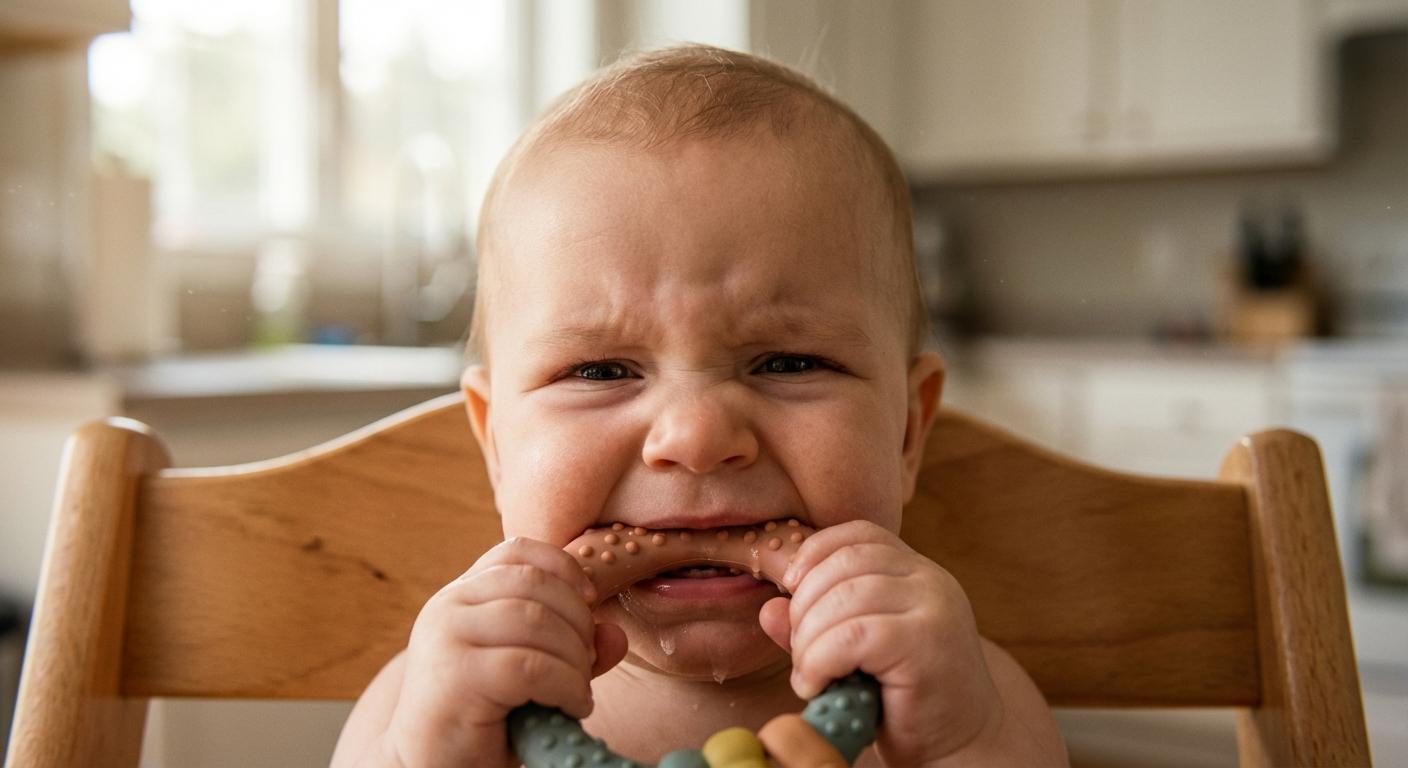
Teething-related gum discomfort
- Clean gums gently with a damp cloth
- Gentle massage around the area (avoid pressing directly on the white spot on gum)
- Chilled teething ring from the refrigerator (not the freezer)
Feeding tips: smaller, more frequent feeds may suit. If solids have started, cool curd or yoghurt and soft khichdi can feel soothing.
For significant discomfort, ask a health professional about age- and weight-appropriate pain relief. Avoid anaesthetic gels for infants unless specifically advised.
Thrush
Needs antifungal medicine prescribed by a clinician. Clean pacifiers and bottle teats carefully. If breastfeeding, coordinated treatment for parent and baby may be needed.
Dental abscess
Treatment addresses the source tooth. Antibiotics are added when there is fever, spreading infection, facial swelling, or the child looks unwell.
At-home care: what helps, and what to avoid
Helpful options:
- Warm saltwater rinses (only if old enough to spit): 1/2 tsp salt in warm water, 2 to 4 times/day
- Soft toothbrush and gentle technique
- Plenty of fluids
Avoid scraping or popping bumps, putting aspirin on gums, and using undiluted peroxide or harsh products.
When to see a dentist or doctor
Seek urgent care for facial swelling, breathing or swallowing difficulty, high fever, or dehydration.
Book within 24 to 48 hours for a painful bump near a tooth, pus-like drainage, or increasing swelling.
Book within 1 to 2 weeks for any white spot on gum lasting more than 2 weeks, recurring lesions, or non-wipeable plaques.
Preventing white spots on gums
Brush twice daily with fluoride toothpaste and a soft brush, keep regular dental check-ups, and ensure braces or retainers are not rubbing.
For babies, gum wiping before teeth and a tiny soft brush after the first tooth can keep bacterial load low (and make dental visits easier later).
To remember
- A white spot on gum is common, in babies it is often teething or an eruption cyst.
- Wipeability, duration, pain, swelling, drainage, fever, and drinking pattern guide next steps.
- Any white spot on gum lasting more than 2 weeks or changing deserves a dental or medical opinion.
- Professionals can assess and reassure, and you can download the Heloa app for personalised advice and free child health questionnaires.
Further reading :