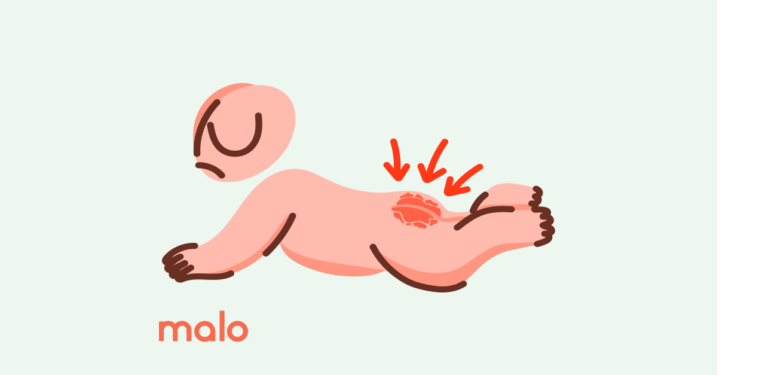
Breast engorgement can come on suddenly—especially in the first week after delivery—leaving you with breasts that feel tight, heavy, and almost “stone hard.” You may be wondering: is this normal milk coming in, or is something going wrong? And if baby is slipping off the breast, how do you get feeding back on track without increasing pain? The good news: breast engorgement usually settles with timely, gentle steps that reduce swelling and help milk drain.
Breast engorgement: what it is and why it happens
Breast engorgement is more than ordinary fullness. It is a mix of:
- rising milk volume
- extra blood flow (hyperemia, meaning increased blood in the tissue)
- tissue swelling (edema, meaning extra fluid in the tissue)
This pressure makes the breast feel hot, shiny, very firm, and sometimes painful. The areola can become tight and puffy, and the nipple may look flatter—so baby finds it harder to latch.
A common confusion is: “Does breast engorgement mean I have too much milk?” Not necessarily. Pain often comes from tissue pressure and local inflammation, not milk alone. In fact, the fuller and tighter the breast becomes, the more milk can seem “stuck,” because pressure compresses the milk ducts.

A practical clue:
- Normal fullness softens clearly after a feed.
- With breast engorgement, the breast may still feel tense even after feeding, and the areola can remain too firm for an easy latch.
What happens when milk “comes in” (colostrum to mature milk)
Milk production shifts quickly after birth:
- Colostrum (often days 0-3): small quantity, thick, high in immune factors (like secretory IgA) and protein.
- Lactogenesis II (often days 2-5): after the placenta is delivered, hormones change, prolactin drives milk synthesis, milk volume rises fast—this is when many mothers feel sudden breast heaviness.
- Transitional milk (roughly days 3-14): volume increases, milk becomes lighter, more lactose and fat.
- Mature milk (after ~2 weeks): supply becomes steadier and better matched to baby’s demand.
During lactogenesis II, the breast also holds more interstitial fluid. If milk removal is not frequent and effective, swelling and pressure build—breast engorgement.
Physiological vs more problematic breast engorgement
Breast engorgement around days 2-5 is common and can be considered physiological when it is:
- bilateral
- diffuse
- improving within 24-48 hours once feeds are frequent and effective
It becomes more problematic when it is severe, persists, or milk drainage is genuinely difficult (for example, latch problems, long gaps, compression, oversupply). If breast engorgement does not improve, the risk of plugged ducts and mastitis rises.
Why breast engorgement can make feeding harder
When the areola is swollen (areolar edema), the nipple may look flatter or slightly inverted. Babies need a deep mouthful of breast tissue, not just the nipple.
With breast engorgement, two things often happen:
- baby cannot “grab” a firm areola and keeps slipping off
- flow becomes unpredictable: slow to start (ducts compressed), then suddenly fast after let-down
This can create a loop: poor latch → less milk transfer → breast stays tight. Pain, fatigue, and stress can also reduce let-down (adrenaline can inhibit the reflex). That’s physiology, not a personal failure.
Causes and risk factors of breast engorgement
The central mechanism: not enough drainage
Milk is produced continuously. Removal has to keep pace. If drainage is insufficient, pressure rises, edema increases, and the areola becomes firmer—making effective latch even harder.
Early postpartum breast engorgement
Early breast engorgement is common around days 2-5. Many mothers in India describe waking up with “rock-hard” breasts on day 3 or 4. It often peaks around day 5 and improves as baby feeds more effectively and supply adjusts.
Missed feeds and long stretches
Breast engorgement often follows long gaps between milk removals—strict schedules, a sleepy baby, separation (NICU or travel), or long overnight stretches early on. If discomfort rises before baby asks to feed, offering earlier can help break the cycle.
Poor latch and ineffective milk transfer
Even with frequent feeds, breast engorgement can happen if milk transfer is poor. Clues include:
- breasts not softening after feeds
- baby popping on and off
- nipple soreness or lipstick-shaped nipple after feeds
- very long feeds with little swallowing heard
Relief without fixing latch can feel like bailing water without turning off the tap.
Feeding positions and uneven drainage
Some breast areas drain better in certain positions. Rotating positions (cradle, cross-cradle, football hold, side-lying, laid-back) can improve overall drainage. Starting with the more tense breast may help—if baby transfers well.
Oversupply, overpumping, and passive collectors
If pumping removes more milk than baby needs, the body may take it as a signal to make more. Oversupply keeps breasts chronically full and can cause a strong, spraying let-down.
Passive collectors can contribute too if they regularly collect large volumes, especially in early weeks when supply is still being calibrated.
External pressure (bras, underwire, tight clothing)
A tight bra, underwire, dupatta pressure, a bag strap, or tight blouse can create a pressure point and reduce flow in that area, leading to local stasis.
Sudden drop in feeds
Returning to work, longer gaps due to travel, or abrupt weaning can bring back breast engorgement even after weeks of smooth feeding.
Medical factors that increase swelling
- Caesarean birth may delay early frequent feeds because of pain or delayed skin-to-skin.
- Larger volumes of IV fluids during labour can increase overall fluid retention and breast tissue edema, making the areola puffier and latching harder.
Symptoms of breast engorgement
Breast engorgement can range from mild discomfort to intense pain. Parents may notice:
- swelling, heaviness, warmth
- very firm breast tissue
- taut, shiny skin, visible veins
- flattened nipple and tight areola
Baby may:
- slip off repeatedly or latch shallowly
- make clicking sounds (losing suction)
- gulp, cough, or choke when flow suddenly becomes fast
Heat, redness, and temperature: what they mean
Some warmth and mild redness can occur with breast engorgement because inflammation is part of the process.
Be more concerned if:
- redness is spreading
- you feel unwell (body aches, chills)
- fever is above 38.5°C (101.3°F) or persistent
That pattern suggests mastitis and needs medical advice.
Breast engorgement or something else?
Normal fullness vs breast engorgement
Normal fullness improves clearly after feeds. Breast engorgement often leaves the breast tense even after feeding, with a firm areola that makes the next latch harder.
Breast engorgement vs plugged duct
Breast engorgement is usually diffuse and often affects both breasts.
A plugged duct is more local: a tender lump or wedge-shaped area, sometimes with a “blocked” feeling. They can coexist.
Breast engorgement vs mastitis or abscess
Mastitis often involves:
- a red, hot, tender area (usually one breast) that spreads
- fever (often ≥38.5°C) and flu-like symptoms
A breast abscess is less common, but may present as a persistent painful mass that does not improve, sometimes fluctuant, and may require imaging and drainage.
How to relieve breast engorgement (gentle, practical steps)
The goal is twofold: keep milk moving and reduce edema. A helpful order is: soften the areola → latch → drain → cool down.
Keep breastfeeding
Milk removal is the most direct way to reduce pressure. Continuing breastfeeding is usually the most effective step.
Feed early and often
Offer the breast frequently, including during cluster feeding. In the early days, if baby is very sleepy, gentle waking can prevent long gaps that worsen breast engorgement.
Check effectiveness
A simple checkpoint: the breast should soften during the feed. If it doesn’t, look at latch, positioning, baby’s sleepiness, and your pain levels.
Soften the areola (reverse pressure softening)
Reverse pressure softening helps move fluid away from the nipple area.
How to do it before a feed:
- Wash hands.
- Place fingertips around the base of the nipple on the areola.
- Press gently inward toward the chest wall for short bursts, moving around the areola.
- Stop when the areola feels more compressible.
It should feel firm, not painful.
Express briefly if baby can’t latch
If baby cannot latch, hand express or pump just enough to soften the areola and reduce pressure. The aim is comfort and latch, not “emptying,” which can stimulate extra production and prolong breast engorgement.
Warmth before feeds, cold after
- Before feeds: warm shower or warm compress for 10-20 minutes can support let-down.
- After feeds: cold packs wrapped in cloth for 10-15 minutes can reduce swelling and pain.
Gentle massage only
Avoid deep kneading. Prefer:
- light sweeping strokes toward the armpit/collarbone (lymphatic-style)
- gentle strokes toward the nipple right before or during feeding
Pain relief options (breastfeeding-compatible)
- Paracetamol (acetaminophen) can help pain and fever.
- Ibuprofen helps pain and inflammation.
Use standard dosing and check with your doctor if you have stomach, kidney, bleeding issues, allergies, or are on other medicines.
Comfort basics
Wear a supportive, non-tight bra. Avoid pressure marks. Drink to thirst and eat enough—restricting water or calories to “reduce milk” is unreliable and increases fatigue.
What to avoid
Avoid:
- tight binding
- aggressive massage
- spacing feeds to “rest”
- repeated pumping to complete emptiness in early weeks
Helping baby latch when breasts are very full
Try this sequence:
1) Soften the areola (reverse pressure softening or a brief expression).
2) Use a “sandwich” hold, fingers and thumb well back from the areola.
3) Bring baby chin-first, aiming for a wide-open mouth.
Positions that often feel easier during breast engorgement:
- Laid-back (reclined)
- Side-lying
- Football hold (often helpful after a caesarean)
If let-down is fast and baby coughs:
- recline more
- pause and relatch
- burp more often
- express a small amount before latching
Pumping choices that support relief without increasing oversupply
Pumping is useful when it:
- replaces a missed feed
- supports milk removal when baby is not transferring well
- helps baby latch by softening the areola
It can prolong breast engorgement if it repeatedly removes large volumes “to empty,” especially early on.
Practical tips:
- aim for “soft enough to latch” rather than empty
- use the lowest comfortable suction
- ensure good flange fit (nipple moves freely, not too much areola pulled in)
Complications to watch for
Breast engorgement can contribute to:
- plugged ducts and recurrent clogs
- mastitis (spreading redness, rising pain, fever, feeling unwell)
Mastitis management typically includes continued milk removal, rest, fluids, and anti-inflammatory pain relief. Antibiotics may be needed if there is significant fever/systemic illness or no improvement after 24-48 hours of effective drainage.
Preventing breast engorgement
- Early skin-to-skin and early latching when possible
- Responsive feeding (watch early cues, avoid rigid schedules)
- Do not limit feed duration when baby is actively sucking/swallowing
- Vary positions to drain different areas
- Avoid repeated pressure points from clothing/bras
- If pumping, match pumping to a real need, avoid “extra” routine pumping in early weeks
Breast engorgement during weaning
Gradual reduction is your best ally. Drop one feed at a time and give your body a few days to adjust.
If you feel painfully full, express minimally for comfort, then stop.
When to seek medical care
Contact a clinician promptly if you have:
- fever, chills, flu-like symptoms
- spreading redness
- severe pain or rapidly worsening swelling
- a persistent mass
- pus-like discharge
Breast engorgement should start improving within 12-48 hours when milk removal and swelling care are working. If there is no improvement within 24 hours, or symptoms persist beyond 48 hours, reach out to a doctor, midwife, or an IBCLC lactation consultant.
À retenir
- Breast engorgement is more than fullness: it combines milk stasis, hyperemia, and edema, raising pressure and making the areola firm.
- Breast engorgement is common when milk comes in (often days 2-5) and is worsened by long gaps, latch issues, compression, oversupply, or abrupt schedule changes.
- Relief works best with frequent, effective milk removal plus swelling care: reverse pressure softening, brief comfort expression if needed, warmth before feeds, cold after, and gentle massage.
- Seek medical advice if fever is above 38.5°C, redness spreads, you feel unwell, or there is no improvement within 24-48 hours.
- Support is available: your doctor, midwife, or lactation consultant can help, and you can also download the Heloa app for personalised guidance and free child health questionnaires.

Further reading: