By Heloa | 29 November 2025

Postpartum hemorrhoids, relief and prevention

7 minutes
de lecture
Young mother resting on a sofa with a donut cushion specific for hemorrhoids after childbirth

By Heloa | 29 November 2025

Postpartum hemorrhoids, relief and prevention

7 minutes
Young mother resting on a sofa with a donut cushion specific for hemorrhoids after childbirth

Par Heloa, le 29 November 2025

Postpartum hemorrhoids, relief and prevention

7 minutes
de lecture
Young mother resting on a sofa with a donut cushion specific for hemorrhoids after childbirth

Every birth story is unique, yet amidst the joy and fatigue of welcoming your baby, an unexpected shadow can fall: postpartum hemorrhoids. Suddenly, sitting feels like a feat, feeding stretches into discomfort, and a simple trip to the bathroom? You might find yourself dreading it. Sound familiar? You’re not the only one grappling with swollen veins, burning, or that alarming glimpse of blood on the tissue. For parents, these symptoms can be surprisingly intense—sometimes overshadowing even post-birth recovery. Why do postpartum hemorrhoids strike with such ferocity? Are they a passing nuisance or something that lingers? And, crucially, how can you find relief, especially if you’re breastfeeding? Let’s explore these questions, decode what’s happening inside your body, understand the triggers, get a handle on safe remedies, and learn when seeking a doctor’s advice changes from optional to necessary. Equipped with accurate information, simple changes, and medical wisdom, you can traverse this rocky stretch of parenting with greater comfort—and perhaps even a little confidence.

What Are Postpartum Hemorrhoids and Why Do They Happen?

Postpartum hemorrhoids aren’t a deviation from the norm; they are veins and connective tissues situated in and around the anal canal. Normally, these ‘cushions’ aid in controlling gas and stool. But what happens when they receive an overdose of pressure, blood, and swelling? That’s where the trouble begins—pain, swelling, and sometimes a distressing bulge.

  • Internal hemorrhoids reside just above the anal canal’s sensitive area. These can sneak up as painless bleeding or a heavy sensation; the bulge might appear during a bowel movement and then withdraw quietly.
  • External hemorrhoids settle just below the skin around your anal opening. Loaded with nerve endings, they manifest as tender, swollen lumps—exquisitely sensitive, sometimes bluish or purplish if a clot forms (a “thrombosed hemorrhoid”).

Why do they so often accompany childbirth? During the second stage of labor, every mighty push sends a surge of blood to your perineum, stretching these veins even further. The outcome, especially after a vaginal birth, can be large, painful external hemorrhoids, sometimes multiple at once, making even brief sitting a challenge.

Yes, C-section offers some reprieve from direct pushing but does not guarantee immunity. The pregnancy itself—fluctuating hormones, increased blood volume, and lingering venous pressure—sets up a perfect arena for postpartum hemorrhoids to make their unwanted debut. Add postpartum constipation (thanks to disrupted routines, iron supplements, opioids for pain, or simply the anxiety of a painful first bowel movement) and you have a recipe for even more stretching and straining. The science is clear: it’s a multi-factorial process blending physical, hormonal, and sometimes hereditary components.

Common Symptoms—And What Might Signal Something Else

What clues indicate that postpartum hemorrhoids are the culprit?

  • Burning, itching, or sharp pain—especially when using the toilet or sitting for long periods.
  • A noticeable, sometimes bluish lump near the anus.
  • Bright red bleeding on toilet tissue or in the water.
  • Swelling, local irritation, and sometimes a persistent sense of dampness.

A hard, purple lump is typical of a thrombosed external hemorrhoid—the pain can be intense, pulsating, and make movement tough. But be aware: not all rectal pain is from hemorrhoids. Anal fissure (a small cut in the lining), infection (look for redness, warmth, pus, and fever) or, rarely, rectal prolapse require distinct care. A persistent hard lump, excessive or unusual bleeding, or fever? These are not moments for hesitation—contact your doctor.

Diagnosing and Following Up: When Is Medical Help Needed?

It’s tempting to hope a flare will vanish on its own. Many cases do calm with simple home strategies. But what warrants a medical check-up?

  • Intense or unremitting pain
  • Heavy or repeated bleeding
  • A lump that appears suddenly and won’t recede
  • Any fever, pus, or symptoms failing to improve after 10 days of diligent home management

A postpartum check, generally scheduled for 4–6 weeks, provides a safe space for discussing healing and planning next steps—including pelvic floor rehabilitation if needed. At a clinical appointment, expect questions about your symptoms, examination of the area (pain permitting), and sometimes further tests if the condition doesn’t fit the classic hemorrhoid pattern.

Accessible support ranges from midwives (perfect for perineal care and comfort tips), primary care physicians (managing medication and ongoing symptoms), obstetricians (monitoring overall postpartum recovery), and specialist referral for persistent or severe cases.

How Long Does It Last? Healing Expectations

Here’s some reassurance: postpartum hemorrhoids typically recede over days or weeks, especially with adjustments to diet, hygiene, and positioning. Occasionally, a small skin tag may linger, but it is usually harmless. Persistent pain or bulky swelling that doesn’t fade? These could call for fresh evaluation or even a specialist’s opinion.

Safe and Effective Relief: At Home and Beyond

Managing postpartum hemorrhoids is about a blend of science-backed strategies, gentle daily routines, and practical supports.

Gentle Hygiene and Perineal Comfort

  • Warm rinsing after bowel movements (mild, fragrance-free soaps if needed) and gentle patting to dry.
  • Regular pad changes, soft, breathable underwear.

Sitz Baths and Cold Therapy

  • Soak the anal region in warm water (10–15 minutes, 2–3 times a day). This can relax the anal area and reduce swelling—don’t underestimate the comfort of a simple sitz bath.
  • Short bursts of cold compress (wrapped) can ease swelling. Never put ice directly on skin.

Positioning for Relief

  • Use a soft, U-shaped cushion for sitting or explore side-lying postures, especially when feeding the baby.
  • Vary your body position; avoid long periods perched on stiff chairs or the toilet, waiting for a bowel movement.

Pain and Medication

  • Paracetamol or ibuprofen are routinely considered safe while breastfeeding, used as directed.
  • Stronger medicines may be occasionally required for severe pain—always check with your healthcare provider. Codeine use, however, is generally avoided during breastfeeding due to unpredictable transfer into milk.

Keeping Stools Soft: The Gateway to Healing

  • Drink water steadily through the day, especially if breastfeeding.
  • Favour fibre-rich foods like fruits, vegetables, beans, and whole grains.
  • Never delay the urge to go—habitual postponement dries stools, setting up a cycle of straining and pain.
  • Try a small footstool during defecation: raise your feet, lean forward, and breathe out slowly rather than straining.

When food and fluids aren’t enough, discuss with your healthcare provider about:

  • Gentle, non-irritating bulk-forming agents (e.g., psyllium) or stool softeners
  • Osmotic laxatives (drawing water into stools for easier passage)

Never start a new over-the-counter product without checking its compatibility with breastfeeding and other medications.

Topical and Prescription Solutions

  • Local ointments—often a combination of mild corticosteroid, lidocaine, or emollient—can be used for short stints, respecting dosage and application guidance.
  • Veinotonics (oral flavonoids like diosmin–hesperidin) may speed healing in more substantial flares, often considered acceptable during lactation after discussing with your doctor.

Suppositories are for internal issues; creams and ointments soothe external trouble. Avoid anything that irritates or causes allergy, and always keep medications away from the baby.

Physical Supports and Prevention

  • Compression stockings may help for those with varicose veins.
  • Movement matters. Extended immobility worsens venous stasis—incorporate gentle walks and elevate your legs during rest.

When Procedures Are Necessary

Most postpartum hemorrhoids resolve with thoughtful care. Occasionally, enduring or bulky hemorrhoids, severe unresponsive pain, or recurrent thrombosis require:

  • Rubber band ligation, sclerotherapy, or infrared coagulation for internal disease
  • Surgical removal (hemorrhoidectomy) for extreme, bulky, or complicated cases

These interventions are generally discussed and scheduled once post-birth recovery is underway.

The Power of Pelvic Floor Rehabilitation

A strong, aware pelvic floor isn’t just for continence—it’s pivotal for optimal bowel function and anorectal comfort. Postnatal rehab (from 6–8 weeks), perhaps surprising for some, guides effective toileting, coordinates breathing, and improves blood flow. Simple exercises, breathing retraining, and posture corrections can dramatically improve recovery and help avoid recurrence.

Everyday Life and Future Prevention

Tips for Managing Daily Activities

  • Opt for side-lying or semi-reclined feeding, supported with cushions.
  • Hydrate, especially at each feed.
  • When lifting the baby or items, brace your core gently and exhale—minimising pressure spikes.
  • Ease gradually into activity, avoiding running or strenuous exertion until cleared by your care provider.
  • For sexuality, start slowly, prioritise comfort (consider lubrication), and be patient.

Complementary Approaches: Proceed with Awareness

  • Only use non-irritating, gentle topical remedies after patch-testing.
  • Some herbal or traditional applications may interact with medicines or affect breastfeeding—always discuss intentions with your healthcare provider.
  • Practices like acupuncture or relaxation techniques may enhance comfort, though they don’t replace medical advice.

Preventing Recurrence—For This and Future Pregnancies

Constipation prevention stands as the first line of defence:

  • Maintain well-balanced, fibre-rich meals and regular water intake.
  • Avoid delaying a bowel movement.
  • Consider pelvic floor and breathing strategies—exhaling during effort, avoiding breath-holding during exertion.

Compression stockings, moderate movement, and mindful attention to bowel habits all contribute to a future with fewer flare-ups.

Key Takeaways

  • Postpartum hemorrhoids are a frequent, sometimes intense aftermath of childbirth—yet most resolve with enhanced hygiene, adjusted routines, optimal pain control, and supportive positioning.
  • The core triggers are the pressure of childbirth, postnatal constipation, and hormonal or venous changes.
  • Effective relief blends gentle hygiene, sitz baths, cold compresses, fibre, fluids, safe analgesia, and, at times, topical and oral medications tailored to breastfeeding.
  • Severe, escalating pain, significant bleeding, hard lumps, or any signs of infection warrant immediate consultation with a healthcare professional.
  • Preventing future episodes relies on consistent bowel care, pelvic floor strengthening, and tailored activity. Find reassurance in the presence of medical professionals ready to support you and your baby throughout recovery.

For personalised guidance and free health questionnaires for your child, download the Heloa app.

Questions Parents Ask

What should I do if I have a thrombosed hemorrhoid?

A thrombosed external hemorrhoid is genuinely painful and can disrupt even simple activities. Short sessions of warm sitz baths, brief cold compresses, a softening stool agent (compatible with breastfeeding), plus paracetamol or ibuprofen for pain, usually help the clot dissolve slowly. If your pain feels unbearable within the first 48–72 hours, see your doctor—sometimes, a small in-clinic procedure to remove the clot can provide rapid relief. Any fever, heavy bleeding, or difficulty in caring for your baby? Immediate medical advice is best.

Are witch hazel pads (Tucks) safe while breastfeeding?

Witch hazel pads are a popular choice to soothe the anal area. Used externally, minimal absorption occurs, and they’re generally considered fine during breastfeeding. Be gentle, avoid using them over tears or open wounds, and stop at the first sign of irritation or allergy. Always keep such items away from your baby’s reach. If you’re on blood-thinners or other local treatments, a quick check with your doctor or pharmacist is recommended.

Will hemorrhoids prevent me from breastfeeding or make feeding impossible?

Postpartum hemorrhoids typically don’t impact milk flow or feeding ability, but they can make sitting down to feed uncomfortable. Consider side-lying or using well-cushioned seats. Keep feeds short and frequent, sip water at each session, and select pain-control and stool-softening strategies that are breastfeeding-safe. If pain blocks you from feeding comfortably or enjoying bonding time, seek support from your healthcare team for swift solutions.

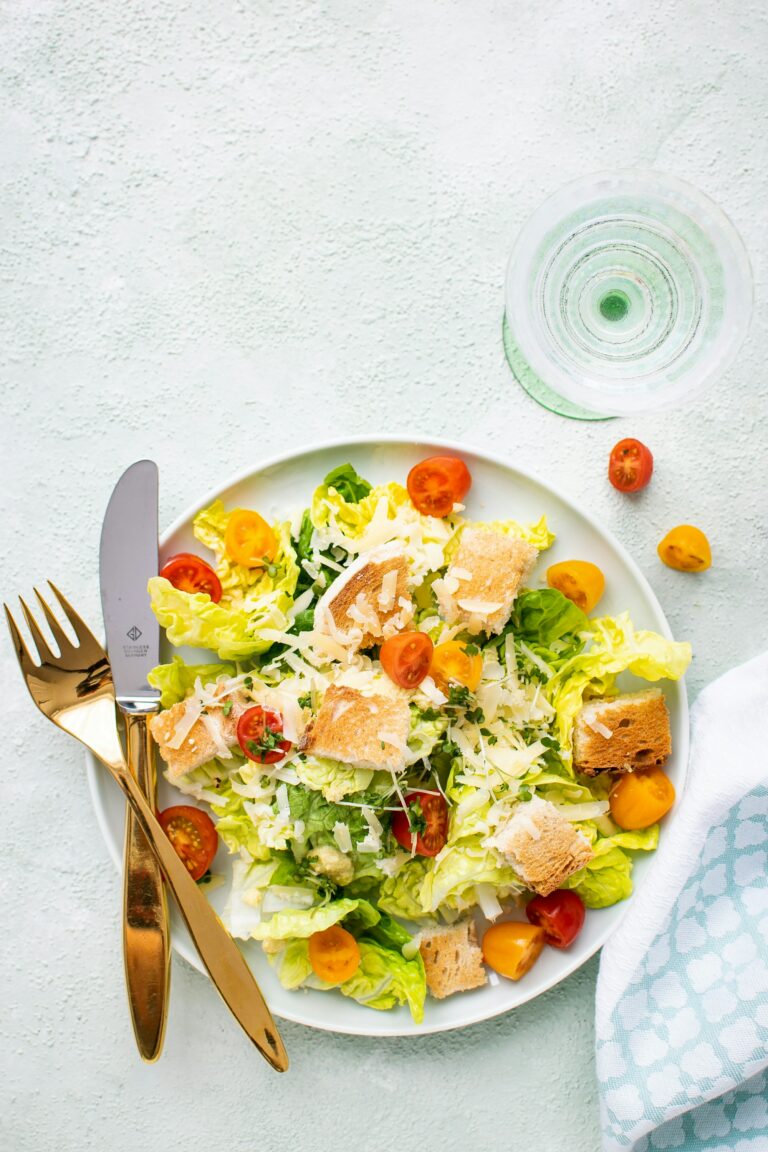
Fresh fruit bowl and fiber rich food on a table to fight constipation and hemorrhoids after childbirth

Further reading:

Similar Posts

Postpartum hemorrhoids can feel like an unwelcome plot twist in a chapter already full of surprises. Sitting stings, bowel movements feel like a hurdle, and a streak of blood in the bowl can spike worry. You might wonder, is this normal, how long will it last, and what is safe if you are breastfeeding. Here is the short answer, yes, this happens often after birth, symptoms usually ease with simple measures, and there are breastfeeding safe options that help fast. You will see what postpartum hemorrhoids are, why they appear, what truly helps at home, how to keep stools soft, when to ask for medical care, and what to expect if procedures are needed.

What postpartum hemorrhoids are

Hemorrhoids are not a mistake of nature. They are normal vascular cushions that seal the anal canal and help continence. Problems start when those cushions dilate, swell, or slip outward, which clinicians call a flare of hemorrhoidal disease.

  • Internal hemorrhoids lie above the dentate line, an area with fewer pain nerves. They may bleed, often bright red bleeding, and feel heavy or bulgy during a bowel movement.
  • External hemorrhoids sit under the skin at the anal opening, an area rich in nerve endings. They can feel like a tender ring or pea sized lumps. A thrombosed external hemorrhoid forms when a clot develops in one of those outside veins, the lump looks bluish or purplish, and it can be intensely painful.
  • When swelling settles, a small skin tag may remain. It is harmless, though hygiene may be trickier for a while.

You may be thinking, why now. The short version is pressure from pushing and changes from pregnancy set the stage for postpartum hemorrhoids, and constipation after birth fans the flames.

Pregnancy and postpartum, what differs

During late pregnancy, hemorrhoids often show as itch, light bleeding, and a sense of fullness, more often with internal disease. After delivery, the profile shifts. Postpartum hemorrhoids are more likely to include large, tender external swellings, sometimes several at once, making sitting and feeds uncomfortable. Cesarean lowers the pushing pressure, but postpartum hemorrhoids can still appear due to venous changes and constipation after surgery.

Most parents improve with conservative care over days to weeks. That is the arc to expect.

Why hemorrhoids appear after childbirth

Pushing and delivery mechanics

Each push in second stage raises abdominal pressure sharply. Blood rushes to the pelvic veins, then drains slowly. The result is distention of hemorrhoidal cushions. Breath holding pushes, also called the Valsalva maneuver, amplify that surge. Perineal tissues can be very swollen from the baby’s descent, which increases the risk of a clot and a sudden thrombosis.

Postpartum constipation and transit factors

Fatigue, low fluid intake, fear of pain with a tear or episiotomy, and medications like opioids or some iron can slow the gut. Stool dries, gets larger, and requires more strain. That extra strain worsens hemorrhoid pressure and swelling. Delay the urge, and the next bowel movement hurts more. Break that cycle early.

Additional risk factors

  • Prolonged second stage with closed glottis pushing
  • Older maternal age
  • Prior hemorrhoids or chronic constipation
  • Family tendency to venous issues
  • Multiple pregnancy, larger baby, very long labor
  • Chronic cough or excess weight

Risk is not destiny, it is context.

Hormones and venous pressure

Pregnancy relaxes vessel walls and raises blood volume. After birth, venous stasis lingers for a while, especially with long spells of sitting to feed or standing to care for the baby. That is why postpartum hemorrhoids can appear even days after an uncomplicated delivery.

Signs and symptoms, what is typical and what is not

Common symptoms

  • Anal pain, worse with bowel movements and prolonged sitting
  • Tender lump or ring at the anal opening, sometimes with perianal edema
  • Rectal bleeding, often bright red on toilet paper
  • Itching, also called pruritus ani
  • Minor mucus leakage or moisture

Pain from a thrombosed external lump can be sharp, throbbing, and constant. Sitting, walking, or feeding may be difficult. The pain often eases in a few days as the clot slowly resorbs.

What it might be instead

  • Anal fissure, a small tear in the anal lining that causes knife like pain during the bowel movement, with a small red bleed afterward.
  • Infection or abscess, constant severe pain with redness, warmth, asymmetrical swelling, and possibly fever or pus. That needs urgent care.
  • Prolapse of rectal tissue, less common postpartum but part of the differential.

Red flags that need prompt evaluation

  • Severe or escalating pain that does not ease with home care
  • Heavy or repeated bleeding, or bleeding outside bowel movements
  • A sudden hard bluish lump with unbearable pain
  • Fever, chills, hot redness, or pus like drainage in the perineal area
  • Severe constipation with inability to pass stool despite usual measures

Keep a simple phrase in mind, look for red flags, act early.

Diagnosis and follow up

When to seek care

If pain is intense or worsening, if you see heavy bleeding, if a hard bluish lump appears, if fever or pus like drainage occurs, if constipation becomes severe, or if there is no improvement after about ten days of careful home care, that is when to seek care.

What an appointment involves

A clinician will ask about onset, bleeding, pain, bowel habits, and prior episodes. When comfort allows, they may perform a gentle digital rectal exam, and if internal disease is suspected or symptoms persist, a brief anoscopy may help. An anorectal exam looks for fissures, infection, prolapse, and confirms hemorrhoid type.

Who can help

  • Midwife for early postpartum support and perineal care advice
  • Primary care physician to coordinate analgesia, local treatments, and transit support
  • Obstetrician gynecologist to monitor uterine and perineal healing
  • Colorectal specialist for persistent or complicated cases, procedures if needed

Healing expectations

Most postpartum hemorrhoids improve over days to weeks with focused transit care and local measures. A small skin tag may remain. If bulky prolapse, ongoing pain, or significant bleeding persists beyond the early weeks, follow up is appropriate.

Breastfeeding friendly home care

Gentle hygiene

  • Rinse with warm water after each bowel movement, use a mild, fragrance free cleanser if needed
  • Pat dry carefully, avoid rubbing
  • Change pads regularly and choose breathable underwear

Sitz baths and temperature therapy

  • A warm sitz bath for ten to fifteen minutes two or three times daily can relax the anal sphincter and lessen swelling
  • Cold compresses wrapped in cloth can numb pain briefly, never apply ice directly

Comfort and positions

  • Use a soft seat or a donut cushion for relief
  • Alternate positions for longer feeds, side lying feeding is often more comfortable
  • Avoid lingering on the toilet waiting for a bowel movement

Pain relief compatible with breastfeeding

  • Acetaminophen and ibuprofen are generally compatible with lactation at usual doses
  • If stronger analgesia is needed, discuss options that prioritize opioid avoidance and a lactation safe plan

Transit management, keep stools soft and easy to pass

Daily habits

  • Prioritize hydration, aim for a steady intake across the day
  • Keep fiber intake high with fruits, vegetables, legumes, and whole grains
  • Respond to the urge to pass stool, do not delay
  • Improve toilet posture with a footstool, lean forward, breathe out gently, and exhale on effort

Gentle laxatives

When diet and fluids are not enough, gentle aids can help, and many are compatible with breastfeeding.

  • Bulk forming fiber like psyllium
  • An osmotic laxative such as polyethylene glycol
  • A stool softener if needed, tailored to your medications and iron use

Ask your clinician or pharmacist to match products to your situation, especially if you take iron supplements for postpartum anemia.

Non drug supports

  • Compression stockings if you have known venous insufficiency
  • Avoid long static positions, elevate legs at rest
  • Gradual walking to stimulate transit and improve mood

Local and prescription treatments

Topical creams and suppositories

Short courses of local products can ease pain and itch while swelling settles.

  • Topical lidocaine can numb pain
  • A mild steroid like hydrocortisone can calm inflammation
  • Use a suppository for internal symptoms, an ointment or cream for external lesions
  • Follow labeled dosing and avoid prolonged use without advice, especially with anesthetic allergies

Venotonics

Short courses of venotonics may reduce edema and shorten painful phases. Options include flavonoids such as diosmin hesperidin. These are often considered compatible with breastfeeding, they complement but do not replace stool softening and local care.

When procedures are considered

Most postpartum hemorrhoids settle without procedures. Interventions are reserved for persistent, severe, or recurrent problems.

Typical indications

  • Bulky tissue that remains out and disrupts daily life
  • Severe pain unresponsive to conservative measures
  • Repeated thromboses or a circumferential thrombosis that does not regress
  • Significant prolapse with impact on quality of life

Options

  • Rubber band ligation for internal grade two to three disease
  • Sclerotherapy with sclerosing injections
  • Infrared coagulation for selected internal lesions
  • Hemorrhoidectomy for severe, bulky, complicated, or refractory cases

Teams often schedule invasive procedures after the early recovery period so feeding, sleep, and routines are steadier.

Recovery after a procedure

Expect postoperative soreness and a few days of increased pain after excisional surgery. Prevent constipation aggressively, continue warm baths, and use a breastfeeding compatible analgesia plan. Activity resumes gradually with rest at first and gentle walking soon after.

Pelvic floor therapy and its role

Pelvic floor therapy improves awareness, coordination, and blood flow. Sessions teach breathing and posture strategies for gentle evacuation, including exhale on effort rather than breath holding. This reduces pressure spikes that can trigger postpartum hemorrhoids and helps rebuild comfort and confidence on the toilet.

Daily life with postpartum hemorrhoids

Feeding and sitting

  • Favor side lying or semi reclined positions that unload the perineum
  • Use pillows for back and arm support and a soft seat cushion
  • Drink a glass of water at each feed to support constipation management

Lifting, movement, and sex

  • Brace your core and breathe out as you lift your baby to limit pelvic pressure
  • Start with short, frequent walks and increase based on comfort
  • Delay high impact activities until the perineum feels comfortable and your clinician agrees
  • Choose comfortable positions for sex, use lubrication, pause if pain appears, seek advice if pain persists

Home tips and complementary approaches

What helps most

  • Gentle perineal care
  • Warm soaks and cold packs
  • Fiber forward meals and steady fluids
  • Soft seating and position changes

Be cautious with complementary remedies

  • Use only non irritating applications on intact skin, consider a small patch test if unsure
  • Some herbs interact with medicines or affect clotting, a concern while breastfeeding
  • Acupuncture or relaxation can complement pain and stress control, but do not postpone medical care if red flags appear
  • Discuss any new remedy with your clinician or pharmacist before starting, especially for breastfeeding safety and breastfeeding compatibility

Prevention now and for future pregnancies

Reduce constipation

  • Keep a varied, fiber rich pattern
  • Drink regularly across the day
  • Limit highly refined, low fiber foods
  • Heed the urge to pass stool, avoid routine delay
  • Act early if transit slows

Pelvic floor and breathing strategies

  • Rehab builds strength and relaxation skills for the pelvic floor
  • Use exhale on effort to avoid pressure spikes

General measures

  • Consider compression stockings if venous insufficiency is prominent in pregnancy
  • Avoid prolonged static positions, elevate legs when resting
  • Maintain adapted activity such as walking, later swimming, with clinician advice
  • Monitor transit and step in at the first signs of slowing

Birth positions and pushing techniques

  • Discuss sensations with analgesia, realistic pushing duration, and positions like side lying, semi sitting, squatting, or all fours
  • Breath supported pushing on the exhale may reduce pressure peaks while staying effective
  • A prior history of severe hemorrhoids informs the plan, mode of delivery remains guided by obstetric factors

Special situations

After cesarean birth

Postpartum hemorrhoids can still arise after a cesarean due to pregnancy related venous changes and postoperative constipation. The same preventive and relief measures apply.

Distinguishing fissure and infection

Fissures respond best to stool softening and spasm relief, not to strong astringents. Suspected infection, redness, warmth, fever, or purulent discharge requires prompt evaluation.

To do and to avoid in the postpartum

  • Do
  • Hydrate well and favor fiber rich meals to prevent constipation
  • Practice gentle hygiene after each bowel movement and pat dry
  • Use warm baths and cold compresses to ease pain and swelling
  • Sit on a soft cushion and vary feeding positions, especially side lying
  • Contact a clinician quickly if pain, swelling, or bleeding is concerning
  • Avoid
  • Long sessions sitting on the toilet and forceful straining
  • Starting new medications or herbal laxatives without professional advice
  • Delaying care if severe pain, heavy bleeding, or fever appears
  • Lifting heavy loads in early weeks if it worsens perineal pain
  • Downplaying symptoms, early questions often bring earlier relief

When to consult, quick checklist

  • Very strong anal pain that prevents sitting or sleep
  • A sudden bluish, hard lump with severe pain
  • Heavy or repeated rectal bleeding, especially with dizziness or faintness
  • Fever, chills, hot redness, or pus like perineal discharge
  • Severe constipation despite usual measures
  • No improvement after about ten days of home care

Suggested visuals for parent education

  • Simple anatomy of internal and external hemorrhoids that highlights the dentate line
  • Why after birth panel, pushing pressure, constipation, hormonal shifts
  • How it shows panel, pain, swelling, bleeding, itching, prolapse
  • What helps panel, warm baths, cushions, hydration, fiber, medications compatible with lactation
  • When to seek care panel, the red flags to watch
  • Looking ahead panel, prevention for future pregnancies, pelvic floor rehab, and transit care

Recommended resources

  • NHS education on postpartum recovery and hemorrhoids
  • Mayo Clinic overviews on hemorrhoids and treatment options
  • Breastfeeding medication databases for safety of analgesics, NSAIDs, local products, and venotonics
  • National and specialty society resources on hemorrhoidal disease during pregnancy and after birth

Key takeaways

  • Postpartum hemorrhoids are common and often painful, most improve with gentle hygiene, warm baths, soft seating, hydration, high fiber food patterns, and breastfeeding compatible medicines.
  • Primary drivers include pushing pressure, constipation after birth, and venous changes carried over from pregnancy.
  • Home measures plus constipation management shorten flares. Topical anesthetics and mild steroids, and selected oral options like flavonoids, are often considered safe in lactation.
  • Know your red flags and when to seek care, heavy bleeding, a sudden extremely painful lump, fever, or no improvement after ten days.
  • Pelvic floor strategies, good toilet habits, and early action on transit help prevent relapse in this postpartum phase and in future pregnancies.

Need tailored support for your situation and your baby’s care. Download the application Heloa for personalized advice and free child health questionnaires.

Questions Parents Ask

What should I do if I have a thrombosed hemorrhoid?

A thrombosed external hemorrhoid can be intensely painful — that’s understandable and distressing. At home, short warm sitz baths, cold compresses for brief numbness, a gentle stool softener, and breastfeeding‑compatible pain relief (paracetamol or ibuprofen) can ease symptoms while the clot slowly resorbs. If the pain is overwhelming and began within the last 48–72 hours, ask a clinician about an in‑office clot evacuation (a small incision to remove the clot) — it often brings rapid relief. Seek prompt care if you have fever, spreading redness, heavy bleeding, or if pain prevents basic care or feeding the baby.

Are witch hazel pads (Tucks) safe while breastfeeding?

Witch hazel pads are commonly used to soothe perianal discomfort. Applied externally, they have minimal systemic absorption, so they are generally considered compatible with breastfeeding. Use them gently on intact skin, avoid placing them inside tears or open wounds, stop if you notice irritation or allergy, and keep pads out of the baby’s reach. If you’re on blood thinners or using other topical medications, check with your clinician or pharmacist first.

Will hemorrhoids prevent me from breastfeeding or make feeding impossible?

Hemorrhoids rarely affect milk production or the ability to breastfeed. They can, however, make certain feeding positions uncomfortable. You might find side‑lying or reclining positions and a soft seat cushion more comfortable. Try short, frequent feeds, keep a glass of water nearby to support hydration, and use breastfeeding‑safe pain relief and stool softening to reduce discomfort. If pain is stopping feeding or bonding time, contact your care team for tailored support.

Fresh fruit bowl and fiber rich food on a table to fight constipation and hemorrhoids after childbirth

Further reading:

Similar Posts