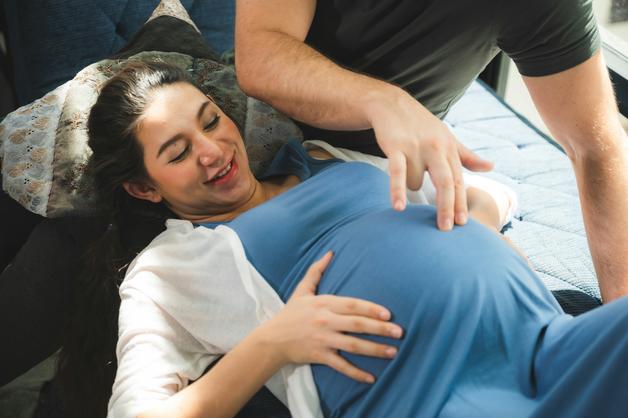

Pregnancy can feel like a full-body workout you never signed up for. One day it’s a dull low-back ache after a short walk, another day it’s a sharp groin twinge when you turn in bed. Pain during pregnancy is extremely common, and in many cases it reflects normal changes—ligaments softening, posture shifting, blood volume increasing, the uterus growing and pulling on surrounding tissue.
Still, a key worry sits in the background: when is pain during pregnancy “ordinary discomfort,” and when is it a sign you should call your maternity team? The most helpful approach is a mix of body awareness and clear red-flag rules. You can be calm and alert at the same time.
Pain during pregnancy: what’s common and why it happens
Normal body changes vs pain that deserves extra attention
Not all pain is equal. Many everyday aches are intermittent, mild to moderate, and improve with rest, hydration, gentle movement, or a change of position. Examples parents often describe:
- Pulling sensations as the belly grows
- A brief “stitch” in the groin when rolling in bed
- Low back ache after standing or cooking for long
- Short-lived cramps after orgasm that settle with rest
Pain deserves faster attention when it is severe, persistent, rapidly worsening, or comes with other symptoms such as fever, fainting, breathlessness, vaginal bleeding, or fluid leakage. Also watch for pain that is regular and rhythmic—that pattern can fit contractions rather than routine discomfort.


Why pregnancy can change pain (hormones, relaxin, posture, circulation)
Several body shifts make pain during pregnancy more likely:
- Progesterone and relaxin increase ligament laxity (looser joints). Helpful for birth preparation, but it can make the pelvis feel unstable.
- Pelvic blood flow increases, making the vulva, vagina, and cervix more sensitive to friction or pressure.
- Your centre of gravity moves forward, the lower back curve (lumbar lordosis) increases, loading lumbar muscles and pelvic joints.
- Blood volume rises markedly, promoting swelling in legs and sometimes worsening venous congestion.
- The uterus can compress pelvic veins and the inferior vena cava, contributing to dizziness on standing, haemorrhoids, and leg swelling.
Abdominal pain during pregnancy: common sensations and meanings
What abdominal pain can feel like (sharp, shooting, crampy, one-sided)
Abdominal pain during pregnancy can show up as:
- Crampy, period-like aches low in the pelvis
- Brief sharp pains with coughing, sneezing, twisting, standing
- One-sided stabs lasting seconds to minutes
- Tightening that comes and goes (often different from sharp “jabs”)
Digestive causes are very common too. Pregnancy hormones slow gut motility, so gas, constipation, and reflux can cause cramping or upper abdominal burning.
Seek medical advice sooner for severe pain that does not settle with rest, pain with fever, persistent one-sided pain, pain with dizziness/fainting, or pain with bleeding/fluid leakage.
Stretching and uterine growth discomfort
As the uterus enlarges, supporting ligaments and the abdominal wall stretch. Many people feel pulling or tightness, often worse later in the day or after activity.
Mild cramps can also occur with dehydration, bladder fullness, or after orgasm. If tightening becomes regular, stronger, or does not improve with rest and hydration, check in—contractions need to be ruled out.
Round ligament pain during pregnancy
Where it shows up and why it happens
Round ligament pain is a common, generally benign cause of quick stabbing discomfort. Round ligaments support the uterus, as the uterus grows and tilts, these ligaments stretch and can “complain.”
Typical locations:
- Low abdomen
- Groin
- Hip crease
The classic pattern is a brief jab triggered by movement, then it fades.
One-sided vs both sides
It is often one-sided, but can alternate sides or occur on both, especially later.
What can help:
- Move slowly when standing, rolling over, getting out of the car
- Support the belly with a hand when coughing or sneezing
- Use warmth for short periods (avoid overheating)
If the pain becomes constant, very severe, or comes with fever, vomiting, faintness, bleeding, fluid leakage, or regular tightening, seek assessment.
Leg cramps during pregnancy
What they feel like
Leg cramps often hit the calf, sometimes the foot or thigh. They can feel like a sudden knot or spasm.
Night leg cramps: why they happen and how to ease them
Night cramps are common in late pregnancy due to muscle fatigue, circulation changes, and hydration/electrolyte shifts.
In the moment:
- Straighten the leg and gently pull toes toward the shin (dorsiflexion)
- Massage the calf, apply warm (not hot) heat
- Walk briefly if safe
Prevention:
- Hydrate through the day
- Gentle calf stretching before bed (20–30 seconds, 2–3 repetitions)
- Moderate activity (walking, swimming) for circulation
- Food sources of potassium, calcium, magnesium, discuss supplements before starting
Urgent check: one leg persistently swollen, warm, red, and painful—pregnancy increases clot risk.
Back pain during pregnancy
Why it’s so frequent
Backaches are extremely common. Reasons include:
- Forward shift in weight and increased lumbar curve
- Stretched abdominal muscles providing less support
- Ligament laxity around spine and pelvis
- Gait changes and pelvic tilt
Small changes can help: supportive footwear, a lumbar pillow, frequent position changes, side-sleeping with a pillow between knees.
Mild vs severe back pain
Mild to moderate pain during pregnancy often improves with heat, gentle stretching, short walks, and posture support. A maternity support belt helps some.
Get assessed if pain:
- Wakes you repeatedly or blocks normal activity
- Radiates with numbness/tingling/weakness
- Comes with fever or urinary symptoms
- Occurs with regular tightening, bleeding, or fluid leakage
Pelvic, hip, vulvar, and nerve pain
Pelvic girdle pain (PGP/SPD)
PGP involves pelvic joints: pubic symphysis (front) and/or sacroiliac joints (back). It may feel aching, stabbing, or grinding in pubic area, groin, buttock, hips, or low back.
Often worse with:
- Standing on one leg (stairs, dressing)
- Getting in/out of bed or car
- Long walks or prolonged standing
- Rolling in bed
Physiotherapy with pregnancy experience can be very effective. A pelvic support belt may reduce strain for some.
Vulvar heaviness and vulvar varicosities
Increased pelvic blood flow can make the vulva feel tender or heavy. Vulvar varicosities (varicose veins) can cause pressure and aching, often worse after standing.
Mention new bulging veins or worsening heaviness to your clinician, positioning and support strategies can help.
Sciatica-like pain
Nerve-pattern pain can shoot from buttock down the leg, sometimes with tingling.
Seek prompt medical advice if there is leg weakness, worsening numbness, walking difficulty, or bowel/bladder changes.
Pain during pregnancy by trimester
First trimester
Mild cramping can occur as the uterus changes. Headaches, nausea, and fatigue can make the body feel sore.
Call promptly if there is severe/persistent one-sided pain, dizziness/fainting, or bleeding—ectopic pregnancy and miscarriage need timely care.
Second trimester
Stretching pains, round ligament pain, and low-back aches often become more noticeable.
If tightening becomes regular or painful, or if there is bleeding or fluid leakage, contact your maternity team.
Third trimester
Swelling, pelvic pressure, leg cramps at night, vulvar heaviness, and sleep-related soreness are common.
New severe swelling with headache or vision changes needs assessment.
Pain by location: describing it clearly
Lower abdomen vs groin/pelvis
Lower abdominal or suprapubic pain may relate to stretching, bladder irritation, constipation, urinary infection, or contractions. Groin/pelvic pain often fits round ligament pain or pelvic joint strain.
Track: exact spot, one side/both, triggers (walking, rolling, urination, sex, meals), duration, and whether rest helped.
Upper abdomen and right upper quadrant pain
Reflux and gas can cause upper abdominal discomfort. Persistent right upper quadrant pain should be discussed promptly, especially with nausea/vomiting, fever, severe headache, visual changes, or sudden swelling. Gallbladder disease is also more common in pregnancy.
Sex-related pain in pregnancy
What it can feel like and why
Some people notice stinging with penetration, pelvic tightening, lower belly cramps, or pain after orgasm. Often linked to:
- Increased pelvic blood flow and tissue sensitivity
- Lubrication changes and friction
- Pelvic joint/ligament changes
- Fatigue and pelvic floor tightening
Is sex risky if there is pain?
In many uncomplicated pregnancies, sex is usually possible, but pain is a stop sign—not something to push through. Change positions, slow down, or stop. Intimacy can be non-penetrative and still meaningful.
Timing clues
- Start-of-penetration pain: dryness, irritation, pelvic floor tension, consider infection if itching/burning occur.
- Deep pain: sensitive cervix, pelvic pressure.
- Pain after sex: brief uterine contractions, cervical irritation, or friction. Persistent pain with unusual discharge/odour or burning urination suggests infection.
Cramps after orgasm: Braxton Hicks or call?
Orgasm can trigger uterine contractions. Braxton Hicks-type contractions are usually irregular and improve with rest, hydration, and position change.
Before 37 weeks, intense pain that does not ease or tightening that becomes regular/closer together needs medical contact.
Practical comfort tips
- Side-lying positions often reduce pressure
- Choose positions where you control depth and angle
- Slow pace, take breaks
- Use pillows for back/pelvic support
- Consider a water-based lubricant, avoid perfumed/warming products
Causes to discuss with your clinician
Vaginal infections and urinary infections
Seek assessment if symptoms suggest:
- Yeast infection: itching, burning, thick white discharge
- Bacterial vaginosis: increased discharge, sometimes unusual odour
- Urinary infection: burning urination, frequent urge, suprapubic pain, sometimes fever
Testing (swab/urine) guides pregnancy-compatible treatment.
Pelvic floor tension and pubic symphysis irritation
Pubic pain, pain turning in bed, and walking difficulty can fit pelvic girdle pain. An overly tense pelvic floor can make the vaginal entrance painful.
Pelvic health physiotherapy can help.
Situations where penetration may be discouraged
Your maternity team may advise avoiding penetration with placenta previa, bleeding, threatened preterm labour, or suspected rupture of membranes.
Red flags: when pain during pregnancy needs urgent care
Seek urgent care/contact your maternity unit if you have:
- Vaginal bleeding with pain or heavy bleeding
- Fluid leakage
- Fever or chills
- Fainting or severe dizziness
- Severe, persistent one-sided abdominal/pelvic pain
- Regular painful contractions, especially before 37 weeks
- Noticeably reduced fetal movements (especially after 28 weeks)
Also seek prompt evaluation for:
- Severe headache with visual changes
- Chest pain, shortness of breath, coughing blood
- One leg swollen, warm, red, painful (possible DVT)
Gentle pain relief options in pregnancy
Non-drug tools
For mild pain during pregnancy without red flags:
- Rest and frequent position changes
- Heat for muscle tension (short periods, avoid overheating)
- Cold packs for local inflammation
- Gentle stretching and approved activity
- Supportive shoes, lumbar cushion, pelvic/maternity belt if advised
- Side-lying sleep with pillows between knees and under belly
Medication considerations
Discuss medication with your clinician. Paracetamol is often the first choice when needed, at the lowest effective dose.
NSAIDs (ibuprofen/naproxen) are generally avoided unless specifically advised, especially later in pregnancy.
Targeted self-care for common pains
Leg cramps
- Hydrate across the day
- Calf stretch before bed (20–30 seconds, 2–3 times)
- Ankle pumps/circles in the evening
- Review calcium/magnesium-rich foods, ask before supplementing
Back, pelvic, and round ligament pain
- Keep a neutral pelvis, avoid locking knees
- Log-roll in bed (shoulders and hips together)
- Use pillows under belly and between knees
- Reduce one-leg loading if pelvic pain flares
- Consider physiotherapy referral for persistent symptoms
Working with your healthcare team
What to share
- Location and radiation
- Start time, duration, intensity (0–10)
- Triggers and relievers
- Associated symptoms (urinary burning, fever, bleeding, leakage, contractions, headache/vision changes, breathlessness, unusual discharge)
- Medicines/supplements taken
A simple pain diary
A short note can include date/time, weeks of pregnancy, pain quality/intensity, duration, triggers, what helped, and any red flags.
Pain during pregnancy vs labour pain
Braxton Hicks vs true labour
Braxton Hicks: irregular tightening that may ease with rest, hydration, or position change.
True labour: contractions become regular, closer together, longer, and stronger, they do not stop with rest.
If unsure, time them for an hour and call your maternity unit.
Preterm labour signs before 37 weeks
Before 37 weeks, contact your maternity unit promptly for regular tightening, pelvic pressure with backache that repeats, or contractions with bleeding/fluid leakage.
Key takeaways
- Pain during pregnancy is often linked to hormones, ligament laxity, posture changes, pelvic blood flow, and increased blood volume.
- Abdominal stretching discomfort, back pain, calf cramps, pelvic aches, and sex-related sensitivity can occur as pregnancy progresses.
- Severe, persistent, or rapidly worsening pain—or pain with bleeding, fluid leakage, fever, fainting, chest symptoms, a painful swollen leg, or reduced fetal movement—needs urgent advice.
- Gentle measures (rest, warmth, stretching, positioning, lubrication adjustments, physiotherapy) reduce many everyday pains.
- Regular tightening that intensifies and does not settle with rest can signal labour, before 37 weeks, contact your maternity unit quickly.
Questions Parents Ask
Can stress make pain worse during pregnancy?
Yes—many parents notice this, and it’s understandable. Stress doesn’t “create” a problem on its own, but it can heighten pain sensitivity and increase muscle tension (especially in the jaw, shoulders, back, and pelvic floor). Poor sleep and shallow breathing can also amplify aches. If you feel more pain on stressful days, try gentle movement, warm (not hot) heat, slow breathing, or a short rest in a side-lying position. If pain becomes intense, persistent, or worrying, your maternity team can help you sort out what’s stress-related versus what needs medical care.
Why do I get rib or upper belly pain during pregnancy?
As your uterus rises, it can push upward and change how your ribs and diaphragm move—so rib soreness or a “bruised” feeling can appear, especially later on or after sitting curled forward. Baby’s kicks under the ribs can be surprisingly sharp too. Posture support, stretching, and changing positions often help. It’s also common for reflux to cause burning discomfort higher up. If the pain is persistent on the right side under the ribs, or comes with severe headache, vision changes, nausea/vomiting, or sudden swelling, it’s important to contact your healthcare team promptly.
Can dehydration cause cramps or tightening?
It can, and it’s a very common trigger. When you’re low on fluids, the uterus and muscles may feel more irritable, leading to cramps, leg spasms, or tightening that improves after drinking and resting. Sipping regularly through the day and adding fluids after exercise, hot weather, or vomiting can make a real difference. If tightening becomes regular, painful, or doesn’t settle with hydration and rest—especially before 37 weeks—reach out for advice.

Further reading: