Salmonella infection during pregnancy can start like a routine “food upset” and then quickly feel overwhelming: loose motions, stomach cramps, and that drained, shaky feeling where even sipping water feels like work. In most cases, it stays limited to the gut and settles with rest and fluids. Still, pregnancy changes the stakes a little—mainly because dehydration and fever can affect how you feel, and occasionally how the uterus behaves.
So what matters most? Knowing how Salmonella spreads, which foods and everyday habits raise risk, how to spot dehydration early, and when to call your obstetrician or go to a maternity unit.
Salmonella infection during pregnancy: key facts for parents
What Salmonella (salmonellosis) is and why it matters
Salmonella infection during pregnancy is a bacterial illness usually acquired after swallowing bacteria in contaminated food or water. Less often, it comes from contact with animals carrying Salmonella.
Most people develop gastroenteritis (infection and inflammation of the stomach and intestines):


- Diarrhoea (often watery)
- Abdominal cramps
- Nausea and/or vomiting
- Sometimes fever, chills, body aches
Many recover without complications. During Salmonella infection during pregnancy, clinicians pay closer attention because vomiting and diarrhoea can cause electrolyte loss (sodium, potassium) faster, fever can be harder to tolerate, and fatigue can make eating and drinking difficult. In a small proportion of cases, bacteria move beyond the intestines into the blood (bacteraemia), which is more serious.
Why pregnancy can increase vulnerability
Pregnancy brings hormonal shifts, increased blood volume, and immune adjustments. These are normal. The practical issue is that dehydration can reduce placental blood flow, and fever can stress both parent and baby, sometimes triggering uterine irritability (tightenings that may feel like contractions).
Non-typhoidal Salmonella vs typhoid fever (why the distinction matters)
Most infections are non-typhoidal Salmonella (NTS), usually limited to the intestines.
Typhoidal Salmonella (S. Typhi / S. Paratyphi) causes typhoid/paratyphoid fever, a systemic illness more likely to need antibiotics and monitoring. In India, typhoid is still seen, and travel, unsafe water exposure, or outbreaks in the community can become relevant context. If you have high, persistent fever with less prominent diarrhoea, the clinician may consider this possibility.
How Salmonella spreads
Foodborne and waterborne transmission
Salmonella infection during pregnancy most commonly happens after consuming:
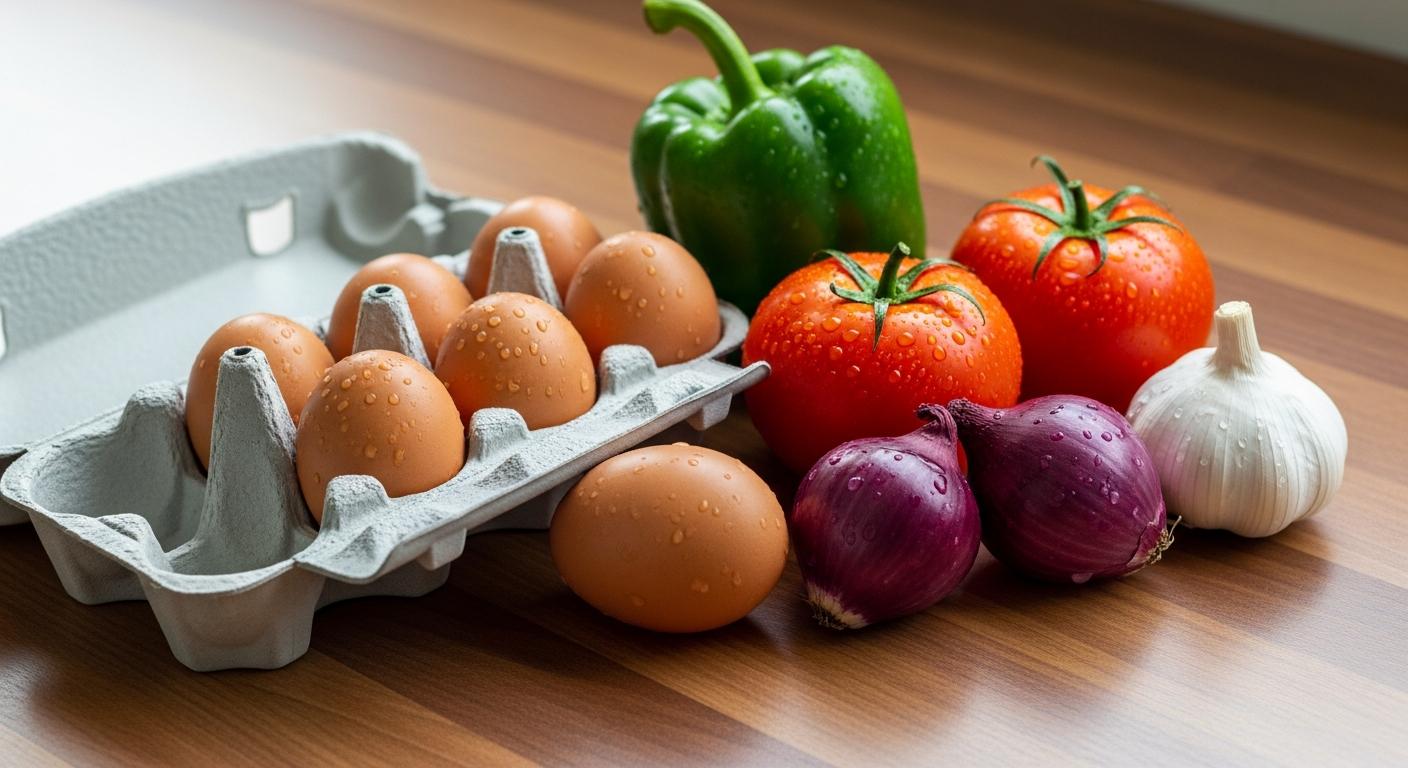
- Undercooked eggs or egg-based foods
- Undercooked poultry
- Contaminated produce
- Food handled with poor hygiene
Water is a major piece of the puzzle in many settings:
- Unsafe drinking water
- Ice made from unsafe water
- Washing fruits/vegetables with contaminated water
Cross-contamination: the quiet kitchen trap
Even if food is cooked properly, bacteria can transfer from raw to ready-to-eat items. Think: raw chicken juices on a chopping board, then the same board used for salad, a knife “quickly rinsed” and reused, a damp cloth used all day.
Small habits that cut risk:
- Wash hands with soap after handling raw meat/eggs
- Use separate boards/knives for raw and cooked foods
- Store raw meat on the bottom shelf of the fridge (to prevent drips)
Animal contact risks
Reptiles and amphibians can carry Salmonella even when they look healthy. Backyard poultry can also shed bacteria.
If there are animals at home:
- Wash hands after touching animals, cages, coops, feed, or eggshells
- Avoid cleaning habitats in sinks used for food prep
- Keep animals out of kitchen and dining areas
Person-to-person spread (faecal–oral route)
Salmonella can spread through contaminated hands and surfaces—especially in homes with toddlers (nappy changes), shared bathrooms, and busy kitchens.
Handwashing moments that matter:
- After using the toilet
- After changing nappies
- Before cooking or feeding children
High-risk foods and common sources (with Indian everyday examples)
Eggs and raw batter
Avoid:
- Runny eggs
- Homemade mayonnaise/aioli using raw eggs
- Tasting raw batter (cake mix, cookie dough)
If a recipe traditionally uses raw eggs, consider pasteurised egg products when available, or choose a cooked alternative.
Undercooked poultry and meats
Undercooked chicken is a classic source. Minced meat needs thorough cooking because bacteria can be mixed throughout.
Practical signs of doneness:
- No pink areas in poultry
- Clear juices
- Steaming hot centre when reheating
Unpasteurised dairy and juices
Choose pasteurised milk and dairy. If you are unsure, boiling milk is a common safety step. Avoid unpasteurised juices.
Produce, sprouts, and ready-to-eat chilled foods
Wash fruits and vegetables under running water (even if you plan to peel them). Be extra cautious with:
- Raw sprouts
- Pre-cut fruit, prepared salads, chutneys/salads washed in uncertain water
Cold chain issues and leftovers
Heat and humidity make food spoil faster.
- Refrigerate cooked food promptly
- Reheat until piping hot
- Avoid keeping cooked rice, gravies, or non-veg dishes at room temperature for long
- After a power cut, be cautious with dairy and leftovers if the fridge warmed up
Symptoms to watch for
Common symptoms
Salmonella infection during pregnancy typically causes:
- Watery diarrhoea
- Abdominal cramps
- Nausea/vomiting
- Fever
Sometimes there are chills, headache, muscle aches, and heavy fatigue. Diarrhoea can occasionally be bloody.
A useful self-check: Are you able to drink and keep fluids down, and are you passing urine as usual?
Nausea and vomiting: infection or pregnancy nausea?
Pregnancy nausea (especially in the first trimester) is common. Clues pointing to infection include:
- New diarrhoea
- Fever
- Stronger cramps than usual
- Sudden worsening after a shared meal
Dehydration signs
Watch for:
- Dark urine or reduced urination
- Dry mouth, intense thirst
- Dizziness, faintness
- Palpitations
- Uterine tightenings that increase when you are not drinking well
Timeline: incubation and duration
When symptoms usually start
Symptoms often begin within 12–36 hours after exposure (sometimes 6–72 hours).
How long it tends to last
Many people improve within 3–7 days. If symptoms persist, worsen, or fever does not settle, medical review is important.
Contagiousness during recovery
Even when you feel better, Salmonella can still spread through contaminated hands and surfaces. Continue careful hygiene for at least several days after diarrhoea stops, especially around children.
Risks for the pregnant person
Dehydration and electrolyte imbalance (most common)
Fluid loss can cause weakness, faster heart rate, dizziness, and sometimes contractions linked to dehydration.
The main target in Salmonella infection during pregnancy is effective hydration—often with ORS (oral rehydration solution) if advised.
When illness becomes severe
Seek prompt evaluation if:
- Fever is high or persistent
- You cannot keep fluids down
- Symptoms are worsening rather than improving
- There is severe abdominal pain
- There is blood in stool
- You feel faint, confused, or your heart is racing
A minority of infections become invasive. Some reports suggest around 4% of Salmonella infections in pregnant women progress to bacteraemia.
Possible complications
If bacteria enter the bloodstream, sepsis can occur and needs emergency care. Another post-infectious complication is reactive arthritis (joint pain/swelling after the gut infection). If joints become painful or eyes become red/painful after recovery, mention it to your clinician.
Risks for pregnancy and baby
How Salmonella can affect pregnancy
Most pregnancies are not harmed. Risk rises mainly when illness is intense:
- Fever
- Dehydration
- Severe pain
These can trigger contractions and raise concern for preterm labour. That does not automatically mean preterm birth, but it deserves assessment.
Can Salmonella pass to the baby?
Vertical transmission is possible but uncommon. It is more likely if the pregnant person has active infection close to delivery or has bacteraemia.
Newborn infection
Newborn Salmonella infection is rare, but it can be serious (including sepsis or meningitis). Any fever in a newborn needs urgent medical care.
When to seek medical care
When to call your prenatal provider
Call if you have diarrhoea with fever, vomiting more than mild, or worry you cannot stay hydrated. Mention exposures like runny eggs, undercooked chicken, unsafe water/ice, travel, or animal contact.
Warning signs needing same-day assessment
- Fever around 38–38.5°C or higher, especially persistent
- Chills with a sudden “I am getting very sick” feeling
- Blood in stool
- Severe diarrhoea
- Vomiting preventing fluid intake
- Dehydration signs (very little urine, dizziness, fainting)
- Severe or worsening abdominal pain
Pregnancy-specific urgent signs
Seek urgent care for:
- Reduced fetal movements
- Regular contractions
- Vaginal bleeding
- Unusual pelvic pain
Diagnosis: what your clinician may do
First focus: severity
Clinicians typically assess stool/vomiting frequency, temperature, hydration status, urine output, blood pressure, and whether there are contractions.
They may ask about:
- Foods eaten in recent days
- Other sick family members
- Water source and ice
- Travel
- Contact with reptiles, amphibians, or poultry
Stool testing
A stool test (culture and/or PCR) can identify Salmonella and guide antibiotic choice if needed.
When blood tests or blood cultures are added
If illness is severe, fever is high/persistent, or invasive infection is suspected, blood tests (CBC, electrolytes, kidney function) and blood cultures may be done to look for bacteraemia.
Treatment options during pregnancy
Home care basics
Many cases settle with:
- Rest
- Fluids
- Light meals as tolerated
- Monitoring for red flags
Hydration strategies
Start early:
- Small frequent sips (every 5–10 minutes if needed)
- ORS or electrolyte drinks (especially if stools are very watery)
A helpful marker is light-coloured urine and regular urination.
Medicines: careful, individualised decisions
- Antiemetics may be prescribed if vomiting blocks hydration.
- Anti-diarrhoeals should be discussed, especially if fever or blood is present.
- Antibiotics are not routine for uncomplicated NTS gastroenteritis, but may be used if disease is severe, bacteraemia is suspected/confirmed, or typhoid is likely.
When hospital care is needed
Hospital care may be recommended for:
- Significant dehydration (need for IV fluids)
- Persistent vomiting
- High fever with worsening condition
- Contractions needing obstetric monitoring
- Need for antibiotics and observation
Preventing Salmonella during pregnancy
The four actions: clean, separate, cook, chill
- Clean hands and surfaces
- Separate raw from ready-to-eat
- Cook thoroughly
- Chill perishable foods promptly
Thorough cooking: the strongest barrier
Heat destroys Salmonella. Cook poultry and eggs fully. Reheat leftovers until piping hot.
Kitchen hygiene that actually helps
- Wash hands at key moments (before cooking, after raw meat/eggs, after toilet)
- Clean handles and taps
- Replace or wash kitchen cloths frequently (they hold bacteria)
Avoiding cross-contamination
A simple rule: anything that touched raw meat or raw egg should not touch cooked food—plates, tongs, boards, even the countertop.
Cold chain and storage
- Keep the fridge around 4°C
- Refrigerate promptly
- Eat leftovers quickly
- Defrost in the refrigerator when possible
After animal contact
Wash hands after touching animals, their habitats, bedding, or eggs. Keep reptiles and poultry away from food-prep areas.
Salmonella infection vs listeriosis: clues that help
- Salmonella infection during pregnancy usually begins quickly (often 12–36 hours) with obvious gut symptoms.
- Listeriosis can appear days to weeks later and may feel flu-like.
Another key difference: Listeria can multiply in the refrigerator, so chilled ready-to-eat foods are a bigger concern.
Recovery and follow-up
Expect gradual recovery
Even after diarrhoea improves, energy may take time to return. Gentle steps help: steady hydration, simple foods, and rest.
When to check back
Contact your clinician if fever returns, diarrhoea persists beyond several days, or weakness worsens.
Pregnancy follow-up
If the episode was intense (fever, dehydration, contractions, emergency visit), an obstetric check may be offered to confirm recovery and fetal well-being.
Key takeaways
- Salmonella infection during pregnancy is often a short-lived gastroenteritis, but fever and dehydration need early attention.
- Symptoms commonly start within 12–36 hours (sometimes 6–72 hours) and often improve within 3–7 days.
- The most common risk is dehydration and electrolyte loss, prioritise fluids and consider ORS if advised.
- Seek same-day care for persistent fever, worsening symptoms, blood in stool, severe pain, dehydration signs, contractions, reduced fetal movements, or vaginal bleeding.
- Prevention focuses on thorough cooking (especially eggs and poultry), pasteurised dairy, washed produce, safe refrigeration, and preventing kitchen cross-contamination.
- If you want personalised tips and free child health questionnaires, you can download the Heloa app.
Questions Parents Ask
Can Salmonella cause miscarriage or birth defects?
Reassure yourself: most Salmonella stomach infections do not cause miscarriage or birth defects. The main concern is how your body reacts—especially high fever and dehydration, which can sometimes irritate the uterus and bring on tightenings. If you’re able to drink, your fever settles, and symptoms improve over a few days, outcomes are usually reassuring. If you’re worried—particularly in the first trimester—your maternity team can check you and advise on safe fever control and hydration.
Is Salmonella contagious to my family while I’m pregnant?
Yes, it can spread through the faecal–oral route (hands, bathrooms, shared surfaces). That can feel stressful, but simple habits make a big difference: thorough handwashing after the toilet, separate towels if possible, disinfecting toilet seats/flush handles, and extra care around nappy changes. Try to keep food prep separate from bathroom routines. Once diarrhoea stops, staying careful for a few more days is usually enough to reduce household spread.
Can Salmonella come back later in pregnancy?
A “return” is most often a new exposure, not the same infection restarting. Some people can still shed Salmonella in stool for a while after they feel better, but they typically don’t feel sick again from that alone. If diarrhoea returns after recovery, or you develop ongoing bowel changes, checking in with your clinician is a good idea—there may be another infection or a different gut issue that’s treatable.
Further reading :