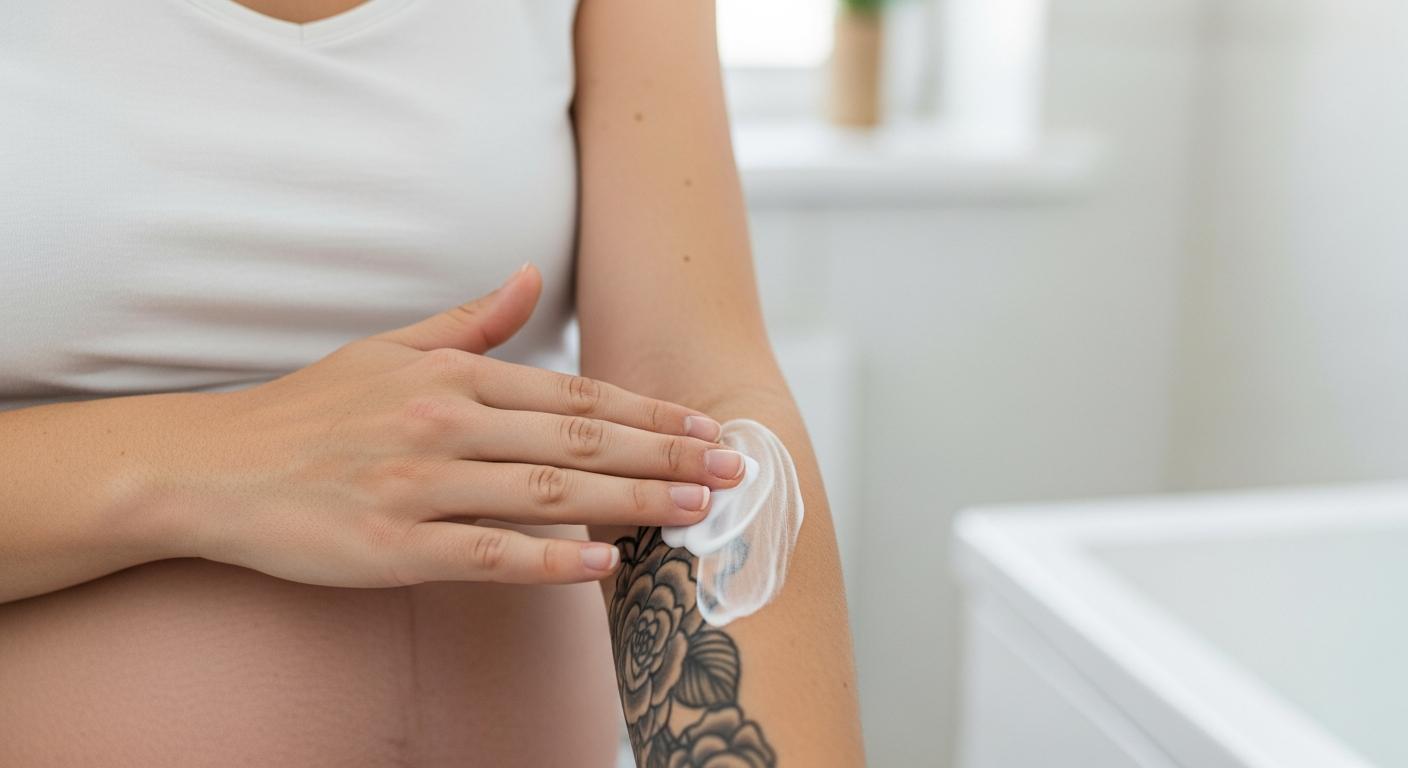
Pregnancy can make you see your body with fresh eyes—powerful, unfamiliar, sometimes surprisingly sensitive. That’s why a pregnancy tattoo can feel deeply symbolic… and also raise very down-to-earth questions. Is it safe? Will it heal normally? What if you get a fever? Should you worry about ink, epidurals, stretch marks, breastfeeding?
A helpful first step is simple: are you thinking about getting tattooed during pregnancy, or choosing a pregnancy tattoo design now and booking it after birth? Same emotion, very different medical context.
Pregnancy tattoo: what it can mean for expecting parents
Getting a tattoo while pregnant vs choosing a pregnancy-themed tattoo
A pregnancy tattoo is often used to describe two situations:
- Tattooing while pregnant: a controlled skin wound with a healing phase.
- A pregnancy-themed tattoo done later: a story captured on skin once your body has finished the rapid changes of pregnancy.
Many parents wait so they can add details that feel truly final (correct spelling, exact date, sometimes a footprint). Others are drawn to the idea of marking the journey in real time.


Setting expectations: how pregnancy can change skin, pain, and healing
Pregnancy hormones and circulation can make skin behave differently:
- more itching and contact dermatitis (irritant or allergic rash)
- pigmentation shifts (darker patches, uneven tone)
- increased blood flow, sometimes meaning easier bleeding or swelling
Then there’s stretching. Belly, breasts, hips and flanks can expand quickly. Fine lines may not stay as crisp as you imagine.
Can you get a tattoo while pregnant?
What we know, what we don’t, and why waiting is so common
There is no strong evidence proving that a pregnancy tattoo directly harms a baby. The issue is the mix of limited research and variable ink formulas.
What is well established:
- Tattooing breaks the skin and can cause bacterial infection.
- If hygiene is poor, there is a risk of blood-borne infections.
- Pregnancy can increase skin sensitivity and make aftercare feel harder.
What is still uncertain:
- whether tiny amounts of pigment/impurities reach the bloodstream
- whether any components cross the placenta in meaningful quantities
Because the benefit is elective, many clinicians prefer postponing a pregnancy tattoo until after delivery.
When postponing is strongly advised
A midwife or OB/GYN may push for delay if you have:
- pregnancy complications (bleeding, hypertension/preeclampsia concerns, preterm labor risk)
- diabetes or gestational diabetes concerns
- immune suppression or medication that slows healing
- active eczema, dermatitis, or infection near the planned placement
- history of severe allergy (pigments, adhesives, latex, metals such as nickel)
- keloid tendency or problematic scarring
Permanent vs temporary options
Permanent tattoos: deeper skin injury, longer healing
A permanent pregnancy tattoo places pigment in the dermis. Think of it as a wound that must rebuild a functional skin barrier. Most tattoos look superficially healed in 2–4 weeks, but the settling phase can take longer.
Stretching and friction (waistbands, bra lines) can worsen itching, scabbing, and uneven fading.
Temporary tattoos, body paint, henna: less infection risk, still possible irritation
Temporary options don’t inject pigment, so the infection risk is typically lower. However, adhesives, fragrances, and dyes can trigger irritation or hives. A patch test 24–48 hours before use can be a quiet lifesaver.
Risks to keep in mind before a tattoo during pregnancy
Infection: why fever matters more in pregnancy
Signs that deserve attention:
- redness spreading beyond the tattoo
- increasing warmth or pain after 48–72 hours
- pus-like discharge, bad smell
- fever ≥ 38°C / 100.4°F, chills, feeling unwell
A fever in pregnancy should not be ignored. It can signal infection and dehydration can develop faster.
Blood-borne infections and tetanus: uncommon with good hygiene, real with bad practice
In reputable studios using sterile technique and single-use needles, hepatitis B/C and HIV transmission is rare. With unsafe practice, risk rises sharply.
If you are unsure about tetanus protection, ask the clinician who follows your pregnancy.
Allergic reactions and inflammatory nodules
Some reactions are immediate. Others are delayed. Watch for persistent itching, blistering, or a rash that extends beyond the tattoo.
Ink is a blend of pigments plus carriers (water, glycerin, propylene glycol, alcohols). Depending on manufacturing, inks can contain trace metals. Some people develop granuloma-like inflammatory bumps in colored areas.
Pregnancy can shift skin tolerance, even a familiar aftercare balm can suddenly irritate.
Pain, dizziness, fainting: the vasovagal reflex
Pain, heat, anxiety, dehydration, and long sessions can trigger a vasovagal episode (sweating, nausea, dizziness, fainting). Pregnancy can increase that tendency, especially if you have not eaten or you are lying flat.
Tattoo ink and pregnancy: the uncertainty zone
Pigment particles can be captured by immune cells and migrate to regional lymph nodes. That fact alone shows tattooing isn’t entirely superficial.
What remains unclear is systemic exposure during pregnancy and any potential placental transfer. This uncertainty, combined with very concrete infection/allergy risks, explains why many professionals suggest waiting on a pregnancy tattoo.
Timing: trimester-by-trimester and session planning
First trimester
Often marked by nausea, fatigue, and heightened sensitivity. It is also the phase of organ development, which is why many clinicians prefer avoiding elective procedures.
Second trimester
Many people feel more stable physically. Comfort can be better, and positioning is easier. The core cautions still apply.
Third trimester
Swelling, back pain, and limited tolerance for long appointments are common. Lying flat can cause supine hypotensive symptoms (dizziness, nausea) in some pregnant people.
If you go ahead anyway: make the session lighter
- keep sessions short (often 60–90 minutes)
- eat beforehand and hydrate
- ask for side-lying or semi-reclined positioning
- stop immediately if you feel faint or unwell
Placement: comfort now, how it may age later
Two practical questions help more than any trend:
1) Will it stretch?
2) Will it rub?
More likely to change: belly, breasts, hips/flanks. More affected by fluid retention: ankles/feet. High friction zones (under-bra line, waistbands, inner thighs) can heal badly.
More stable placements for many bodies: upper back, shoulder blade, nape, outer upper arm. Even there, a pregnancy tattoo still carries infection and allergy risk.
Lower back tattoos and epidurals
A lower back tattoo does not automatically block an epidural. Anesthesiologists typically choose a safe space between vertebrae and often avoid dense pigment.
Situations that complicate things:
- a very recent lower back tattoo (active inflammation/scabbing)
- a large, dense piece leaving little clear skin
If an epidural is likely for you, discuss placement early.
Choosing a studio with strong hygiene practices
Non-negotiables
Look for:
- single-use needles opened in front of you
- clean barriers on surfaces and machines
- hand hygiene and fresh gloves
- appropriate antiseptic skin prep
- ink poured into single-use caps (no shared dipping)
- autoclave sterilization for any reusable tools, with logs
- ink traceability (lot numbers/expiration dates when possible)
Red flags
- vague answers about sterilization
- reusing caps or topping up from shared bottles
- pressure to continue if you feel unwell
- no written aftercare plan
Aftercare while pregnant: keep it simple
Cleaning
Clean hands, lukewarm water, mild fragrance-free soap, pat dry. No scrubs, no loofahs.
Moisturizing
A thin layer of a simple fragrance-free moisturizer/ointment recommended by your artist. Too much product can trap moisture.
Avoid soaking and overheating
No baths, pools, hot tubs, lakes, ocean until healed. Choose showers.
Products to approach carefully
Avoid topical retinoids on healing skin in pregnancy. Be cautious with strong acids or heavily scented products. Numbing creams (often lidocaine-based) should be discussed with your clinician.
Signs of infection: when to contact a clinician
Normal healing tends to improve day by day. Infection tends to worsen.
Seek medical advice urgently for spreading redness, pus, red streaks, worsening pain, fever ≥ 38°C / 100.4°F, chills, or feeling faint.
While waiting for advice: gently wash, pat dry, cover drainage with a clean non-stick dressing, avoid alcohol/hydrogen peroxide unless told.
Breastfeeding, postpartum tattoos, scars, and stretch marks
- Breastfeeding: tattooing is generally considered compatible with lactation if done hygienically. Avoid the nipple/areola area for comfort and healing.
- Postpartum timing: many parents prefer 3–6 months after birth (sometimes longer) so hormones, weight, and skin texture stabilize.
- C-section scars: waiting 6–12 months before tattooing directly over the scar is common, because scar remodeling continues.
- Stretch marks (striae): newer red/purple striae are still changing, older pale striae are more scar-like. Ink uptake can be uneven and lines less crisp.
Pregnancy tattoo ideas parents often love
- dates, initials, coordinates
- constellations
- botanical motifs
- minimalist line art
- gentle memorial symbols (rainbow, star, seed-to-flower)
Alternatives if you prefer to wait
Temporary tattoos and body paint can feel meaningful now, especially for maternity photos.
Henna and jagua can also work, but patch test and avoid “black henna” (often contains PPD, a strong allergen that can cause severe dermatitis).
Key takeaways
- A pregnancy tattoo during pregnancy is a controlled skin injury, pregnancy-related skin and immune changes can make reactions and healing less predictable.
- The clearest medical risks are infection and allergic reaction, fever after tattooing in pregnancy needs prompt medical advice.
- Ink ingredients and systemic exposure in pregnancy still carry uncertainty, which is why many clinicians suggest postponing a pregnancy tattoo.
- If you choose to proceed, prioritize studio hygiene, shorter sessions, comfortable positioning, and gentle aftercare.
- Midwives, OB/GYNs, dermatology professionals, and pediatric teams can support your choices, you can also download the Heloa app for personalized advice and free child health questionnaires.
Questions Parents Ask
Can I use numbing cream for a tattoo during pregnancy?
It’s understandable to want extra comfort, especially if your skin feels more sensitive than usual. Many numbing creams contain lidocaine (sometimes mixed with other anesthetics). Absorption through intact skin is usually low, but pregnancy changes can make skin more reactive, and applying large amounts on broken skin can increase absorption. If you’re considering it, it’s important to check with your OB/GYN or midwife first and to tell your tattoo artist, so everyone can keep the plan as gentle and predictable as possible.
Can a new tattoo interfere with prenatal blood tests or ultrasound?
Reassure yourself: a healed tattoo doesn’t affect ultrasound imaging, and it won’t “change” your blood test results. The only situation to keep in mind is timing. If a tattoo is very recent and you develop inflammation, fever, or an infection, that can influence how you feel and may lead your clinician to repeat certain checks out of caution. If you have bloodwork scheduled soon, spacing appointments out can help you stay relaxed.
How long after a miscarriage can you get a “pregnancy tattoo”?
Many parents want a meaningful symbol quickly, and that wish is deeply valid. From a health perspective, the best timing depends on how your body is recovering (bleeding, anemia, infection risk, emotional stress). Once your clinician confirms recovery is going well, many people feel more comfortable booking—often after a few weeks, sometimes longer. You can also start with a temporary design while you decide.