
Drool, red cheeks, a baby who chews everything… and suddenly the question pops up: are baby teeth a big deal? They are—because pain, feeding, sleep, speech, and even the way adult teeth line up later can all be influenced by what happens early.
What follows keeps things practical: what’s normal for timing, how to care for baby teeth day by day, what truly helps during teething, and which warning signs deserve a dental or medical opinion.
Understanding baby teeth and why they matter
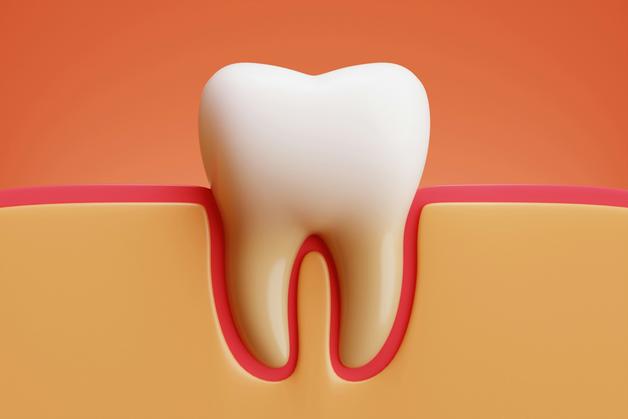
Baby teeth are also called primary, deciduous, or milk teeth. Most children will have 20 baby teeth (10 upper, 10 lower). Tooth buds start forming during pregnancy, then continue to mineralize after birth—so enamel quality can reflect early health factors.
Primary enamel and dentin are thinner than in permanent teeth. Result: cavities can spread faster, and sensitivity can show up sooner.


Why keep them healthy if they’ll fall out? Because baby teeth:
- support chewing and a varied diet,
- help speech sounds (tongue-to-tooth contact matters),
- keep daily comfort (a pain-free mouth changes everything),
- hold space for adult teeth (early loss can lead to drifting, crowding, or misalignment).
Baby teeth timeline: eruption, “double rows,” and falling out
Many babies get a first tooth around 6 months, yet 4 to 12 months can still be typical. The pattern matters more than the exact date—steady progress and reasonable left–right symmetry are reassuring.
Common eruption order:
- lower central incisors,
- upper central incisors,
- other incisors,
- first molars,
- canines,
- second molars.
Average age ranges (approximate):
- incisors: 6–16 months
- first molars: 13–19 months
- canines: 16–23 months
- second molars: 23–33 months
Most children have all baby teeth by about age 3.
Shedding often starts at 6–7 years and finishes around 10–12 years (with lots of variation). Front teeth usually loosen first.
You may notice a “double row”: a permanent tooth erupting behind a baby tooth that’s still in place—especially lower front teeth. Often the baby tooth loosens on its own. If nothing changes after several weeks to a few months, or crowding looks marked, a dentist can check whether intervention is needed.
Call for a timing check if there are no teeth by ~18 months, a persistent one-sided delay, early loss after injury/decay, or a painful swollen gum.
Natal and neonatal teeth (very early teeth)
- Natal teeth: present at birth.
- Neonatal teeth: erupt in the first 30 days.
These teeth can be mobile (roots may be underdeveloped). They may cause feeding difficulty or mouth sores (including Riga-Fede ulcer under the tongue). If the tooth is loose, causing trauma, or interfering with feeding, prompt dental assessment is needed. Management ranges from monitoring to smoothing sharp edges, and sometimes extraction (clinicians also consider newborn bleeding risk and vitamin K status).
Teething: symptoms, safe relief, and what not to blame on teeth
Typical teething signs:
- drooling,
- chewing on hands/objects,
- tender or swollen gums,
- irritability, lighter sleep,
- mild appetite shifts.
A small bluish swelling on the gum can be an eruption cyst, it often settles once the tooth breaks through.
What’s less likely to be teething? A true fever, vomiting, significant diarrhea, rash, or a baby who seems clearly ill—those signs deserve a medical check.
Gentle relief that is generally safe:
- clean finger gum massage,
- cool (not frozen) rubber teether,
- chilled spoon or damp gauze,
- if solids are started: cooler soft foods.
Medication can be useful for some babies, but dosing depends on age and weight—discuss with a pediatric professional.
Avoid numbing gels with risky anesthetics in young children, amber necklaces (choking/strangulation), and products that may hide symptoms of illness.
Daily care for baby teeth (and gums before teeth)
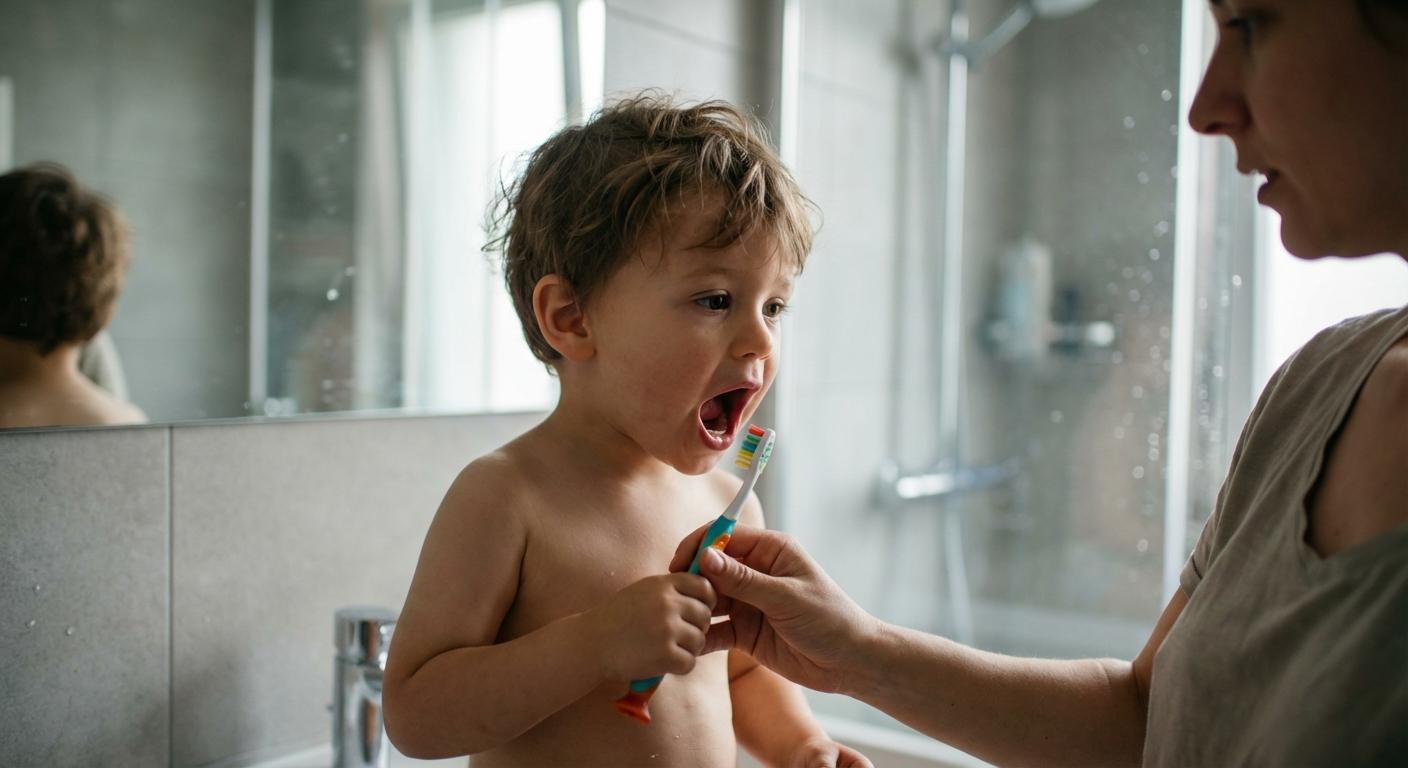
Before any baby teeth appear, wipe gums with a clean damp cloth after the last feed. When the first tooth erupts, start brushing twice daily, especially before bed.
Choose a small soft-bristled brush. Helpful positions: on your lap with the head resting back on your chest, or standing behind your child in front of a mirror.
Fluoride toothpaste:
- under 3 years: smear (rice-grain amount)
- 3–6 years: pea-sized amount
Fluoridated water helps enamel over time. In clinic, fluoride varnish adds extra protection, especially when caries risk is higher.
Start flossing when two teeth touch (often back molars first). Mouthwash is usually avoided under 6 because children tend to swallow it.
If cooperation is hard, keep it short, offer small choices, and use the realistic pattern: child tries, parent finishes.
Preventing cavities in baby teeth (early childhood caries)
Cavities happen when plaque bacteria convert sugars into acids that demineralize enamel. Because baby teeth have thinner enamel, decay can reach the pulp faster and cause pain or infection.
Big risk pattern: falling asleep with milk, formula, or juice. At night, saliva flow drops, so sugars sit longer on teeth.
To reduce risk:
- avoid a sleep bottle,
- keep the bedtime brush as a non-negotiable anchor,
- choose water between meals,
- limit juice, offer milk at meals or planned snack times rather than constant sipping.
Snacking: frequency matters. Sticky snacks and “sipping all day” keep acids active. Aim for defined snack times.
Breastfeeding can fit with good oral hygiene, once baby teeth erupt, very frequent night feeds without any cleaning can raise risk for some children—especially if early chalky white spots appear.
Common concerns: spots, stains, chips, and spacing
Early decay often starts as chalky white spots near the gumline (not a hole). Spots that persist, spread, roughen, or darken should be checked.
Enamel differences:
- hypoplasia (thin/missing enamel)
- hypomineralization (softer porous enamel)
Both increase cavity risk and may need extra fluoride or sealing.
Dark staining can come from iron supplements (often cosmetic) or surface bacteria. If it won’t brush away or the tooth looks damaged, get an assessment.
A small chip may only need smoothing. Seek prompt care if there’s pain, swelling, ongoing bleeding, or a displaced tooth.
Gaps in baby teeth are often normal and can be helpful, permanent teeth are larger.
Treatment options when baby teeth need care
Depending on severity, a dentist may propose:
- fluoride to support remineralization,
- SDF (silver diamine fluoride) to stop decay quickly (it darkens the decayed area),
- fillings,
- pulp therapy (for an affected nerve) and pediatric crowns for fragile molars,
- extraction when restoration isn’t possible, sometimes with a space maintainer.
Child-focused clinics often use “tell–show–do” and pacing, nitrous oxide can help some children with anxiety, and sedation may be considered for extensive treatment.
Injuries involving baby teeth: what to do
After a fall:
- rinse with water,
- press with clean gauze if bleeding,
- cold compress for swelling.
If a tooth looks pushed in, pulled out, or angled, arrange urgent dental evaluation.
A knocked-out baby tooth is usually not replanted (it can harm the permanent tooth bud). Contact a dentist for guidance.
Emergency care is appropriate for breathing trouble, uncontrolled bleeding, suspected jaw fracture, or head injury signs.
When to see a dentist for baby teeth
Plan the first dental visit when the first tooth appears, or by the first birthday. Visits focus on prevention: brushing technique, fluoride exposure, feeding routines, and cavity risk.
Book sooner for pain, swelling, gum bumps, persistent bad breath, white/brown spots, injuries, or eruption timing that worries you.
Key takeaways
- Baby teeth matter for chewing, speech, comfort, facial growth, and spacing for adult teeth.
- Timing varies widely, steady progress and symmetry are more informative than exact months.
- Teething can cause drooling and gum tenderness, significant illness symptoms shouldn’t be blamed on teeth.
- Brush baby teeth twice daily with a tiny amount of fluoride toothpaste, floss once teeth touch.
- White spots, pain, swelling, trauma, or persistent “double row” teeth deserve a dental check.
- Support exists: dental and pediatric professionals can guide you, and you can download the Heloa app for personalized tips and free child health questionnaires.
Questions Parents Ask
Can a pacifier or thumb sucking ruin baby teeth?
Reassure yourself: many children use a pacifier or suck a thumb for comfort, and most baby teeth stay perfectly fine. The main thing dentists watch is how long the habit continues and how intense it is. If sucking persists past about age 3–4, it can start to affect the bite (for example, front teeth tipping forward or an “open bite”). If you’re thinking about weaning, gentle steps often help: limiting use to sleep, offering other soothing routines, and praising small progress. If your child is older and teeth look like they’re shifting, a pediatric dentist can check and suggest supportive options.
Are black or grey baby teeth always a cavity?
Not necessarily—so please don’t panic. Dark color can be a surface stain (sometimes linked to iron drops or certain bacteria). But a tooth turning grey after a bump or fall can mean the nerve was irritated or damaged, even if your child seems fine. It’s worth booking a dental check if the color change persists, if there’s gum swelling/pimple-like bumps, or if your child avoids chewing on that side. There are solutions, and monitoring is sometimes all that’s needed.
Do antibiotics cause tooth stains in babies?
Some medicines can stain teeth, but it depends on the type and timing. The antibiotic most associated with tooth discoloration is tetracycline, which is generally avoided in young children for that reason. More commonly, parents notice temporary staining from liquid medicines or iron supplements sticking to plaque. Brushing gently and regularly helps, a dentist can confirm whether it’s superficial staining or something that needs extra care.
Further reading: