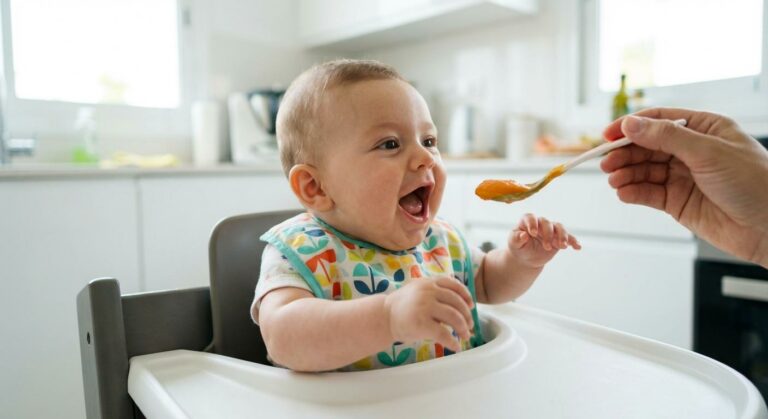
A Diaper change can feel effortless, until the first bright-red patch appears, a “blowout” climbs up the back, or your baby chooses that exact second to roll like an Olympic gymnast. You may be wondering: How often is often enough? Should you use wipes every time? When is cream helpful, and when does it make things worse?
With a few steady habits, gentle cleansing, careful drying, smart fit checks, and good timing after stool, most families see calmer skin, fewer leaks, and less stress. And yes, you can keep it quick without cutting corners.
Diaper change basics: what matters most
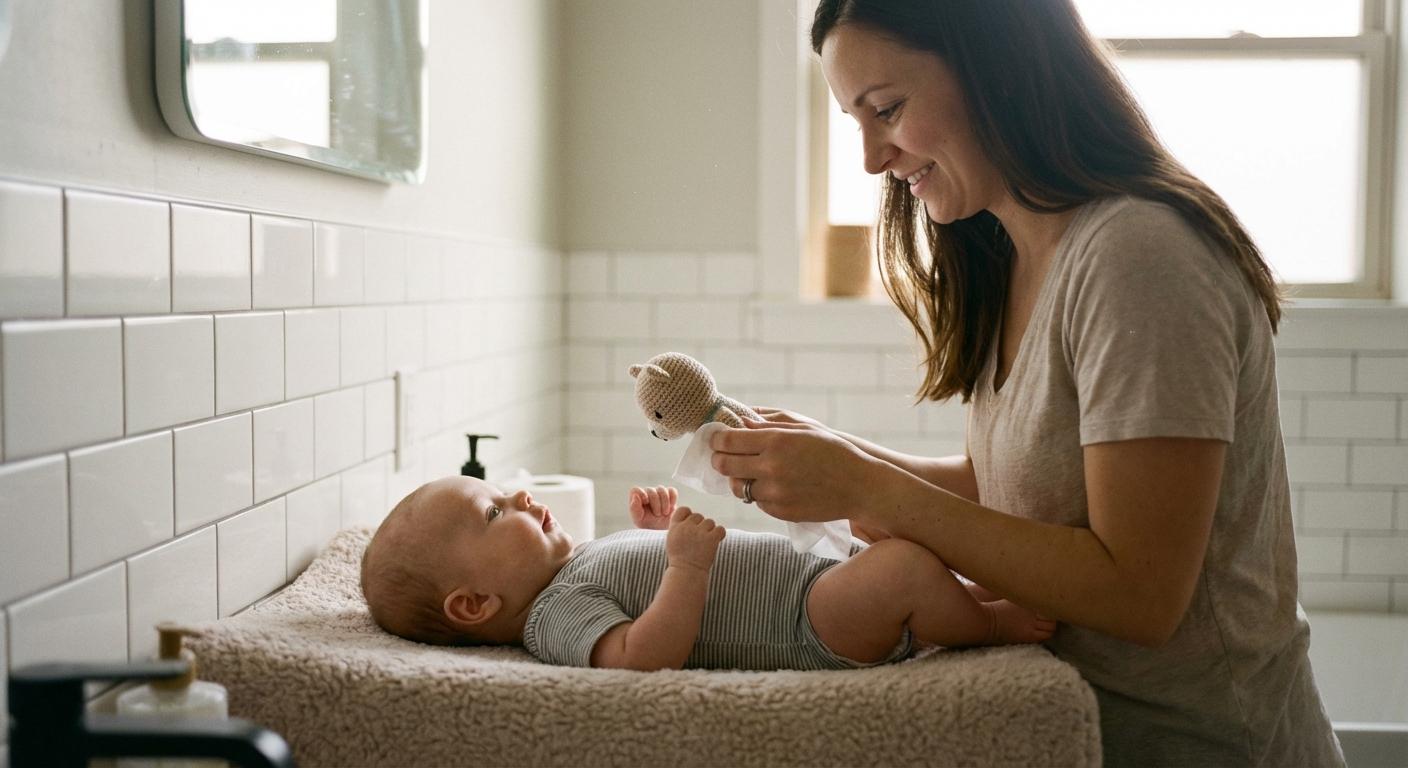
A Diaper change is a short sequence: remove the wet/soiled diaper, clean the perineal area (genitals + buttocks), dry thoroughly, then apply protection only if needed before fastening a clean diaper.
Why so much attention to “simple” skin? Because the diaper area is a perfect storm:


- Occlusion (skin covered and warm)
- Moisture (urine + sweat)
- Friction (elastic edges, thigh movement)
- Irritants (stool enzymes, changes in pH)
When skin stays damp, the outer barrier (stratum corneum) softens, this is called maceration. Add rubbing, and redness follows quickly.
Stool vs urine: why poop deserves speed
After stool, digestive enzymes (lipases and proteases) can inflame skin within hours. Stool also shifts local acidity, which can encourage overgrowth of microbes, especially Candida (yeast). A practical rule that truly helps: after poop, do a prompt Diaper change.
Four anchors that make a Diaper change calmer
- Clean: remove what needs removing, no “scrubbing.”
- Gentle: fewer passes, softer pressure, pat-dry.
- Safe: one hand on your baby from start to finish.
- Predictable: same order, same gestures (babies love patterns).
How often to do a Diaper change (by age and situation)
There is no single perfect number. Skin tolerance, diaper absorbency, feeding, and stool frequency all shape the rhythm.
Newborns (0–3 months)
Expect frequent wet diapers and often frequent stools.
- Change after every poop.
- Change when the diaper is clearly wet or heavy.
Many parents find a simple cadence: a Diaper change before or after feeds (choose what keeps your baby more settled, especially if reflux is an issue).
Infants (3–12 months)
As digestion settles, stool may become less frequent.
- A daytime check about every 2–3 hours is a helpful reference.
- Adjust for naps, outings, and sensitive skin.
Solids and toddlers (around 6 months–2+ years)
With solids, stool can be bulkier or more irritating. Movement increases friction. Fit becomes central.
- Recheck size often.
- Pull leg cuffs outward.
- Avoid very tight bodysuits compressing the diaper.
Nighttime: protect sleep without ignoring skin
If your baby is asleep and the diaper is only wet, many modern diapers can last until morning, if there is no leak and the skin looks calm.
Change at night when there is:
- stool
- leakage
- active diaper rash or significant redness
“It’s time” signs
- wetness indicator changes color
- diaper feels swollen/heavy
- stronger odor
- leaks at thighs or back
- fussiness or sudden discomfort
Wet diapers as a hydration clue (especially in babies)
You might hear clinicians talk about wet diapers as a quick hydration marker. It is not a perfect test, but it is a useful signal when taken with feeding, behavior, and tears.
A common pattern in the first days:
- Day 1: around 1 wet diaper
- Day 2: around 2 wet diapers
- Day 3: around 3–4 wet diapers
- Day 4–5: around 4–6 wet diapers
- After feeding is established: often around 6–8 wet diapers per day
Later, once solids are well introduced, some children sit closer to 4–6 wet diapers daily, depending on fluid intake and temperature.
If you notice a sudden drop in wet diapers, very dark urine, a dry mouth, no tears when crying, or unusual sleepiness, a call to your pediatrician is sensible, particularly during diarrhea or hot weather.
Supplies for a smooth Diaper change (simple, well chosen)
You do not need a mountain of products. You need the right basics, ready at arm’s reach.
Diapers: fit, absorbency, day vs overnight
A good fit prevents leaks and reduces rubbing.
- Waistband: you can usually slide two fingers under it.
- Tabs even, diaper centered.
- Leg ruffles/cuffs pulled out (a frequent leak fix).
- Consider an overnight diaper if nights are long.
If skin is reactive, fragrance-free diapers (no added perfumes/lotions) can reduce irritation.
Cleansing options: water, cloths, wipes
Think “clean” rather than “sterile.”
- Urine only: warm water + cotton/soft cloth is often enough.
- Stool: warm water first, if needed, a mild fragrance-free cleanser, then rinse.
- Wipes: useful outside the home, choose alcohol-free, fragrance-free, sensitive-skin options.
A helpful mental check: if the skin looks pinker after cleaning, friction may be the problem, not leftover stool.
Barrier products: zinc oxide, dimethicone, petrolatum
Barrier ointments reduce contact with moisture.
- Zinc oxide pastes: thick, protective, very helpful when rash is more pronounced.
- Dimethicone creams: protective film, often comfortable for mild irritation.
- Petrolatum (petroleum jelly): simple barrier, commonly used after circumcision to prevent sticking.
Apply a visible layer on clean, dry skin, no vigorous massaging.
Station basics
- stable changing surface (table with a secure caregiver stance, or floor mat)
- waterproof liner
- soft towel/cloth for patting dry
- spare outfit for baby (and realistically, a spare top for you)
- disposal bags or a lidded diaper pail
Setting up a safe changing station
Falls can happen fast. Safety is not a “nice extra.”
The rule that beats every strap
During every Diaper change, keep one hand on your baby. Straps can fail, babies can roll in seconds.
Clean vs dirty zones
- Clean zone: diapers, wipes/water, cream, spare clothes
- Dirty zone: bags, pail/trash, place for soiled clothes
This small setup change reduces the risky “I’ll be right back” moment.
Comfort for caregivers
Keep supplies within reach and choose a height that protects your back. For night changes: dim light, minimal stimulation.
Diaper change: step-by-step (disposable diapers)
1) Prepare first
- Wash or sanitize hands.
- Gather diaper, wipes/water, drying cloth, cream (if needed), disposal bag.
- Place baby centered, one hand stays on baby.
2) Open and remove without spreading mess
Open the diaper. If there is stool, use the front of the diaper to lift away bulk. Fold the dirty diaper inward.
3) Clean gently (front-to-back)
- Use gentle strokes.
- Clean folds (groin creases, buttock cleft) without repeated rubbing.
- Fresh wipe/cotton for each pass when possible.
4) Dry thoroughly
Pat dry, especially folds and between the buttocks. Dampness under a clean diaper fuels maceration.
5) Protect if needed, then fasten the clean diaper
- Healthy skin: often nothing.
- Pink/red skin: barrier layer, visible, not rubbed in.
Fasten evenly, check the waistband, and pull leg cuffs out.
6) Finish hygiene
Dispose of the diaper, wipe the surface if soiled, disinfect regularly, and wash hands with soap and water for at least 20 seconds.
Newborn-specific points
Umbilical cord stump
Keep it clean and dry. Fold the diaper down (or use a notched newborn diaper) so the stump is not rubbed.
Seek medical advice if you notice spreading redness around the stump, swelling, foul odor, or discharge.
Meconium (sticky first stools)
Meconium is thick and sticky. Warm water + cotton can be gentler than repeated wiping. Pat dry carefully.
Timing around feeds (reflux-prone babies)
If your baby spits up easily, a Diaper change before feeding may be more comfortable than right after.
Diaper change tips for girls and boys
Baby girls
Always wipe front-to-back to limit transfer of bacteria toward the urethra. Clean between folds gently, then pat dry.
Baby boys
“Surprise pees” are common. Cover the lower belly/pelvic area with a cloth for a few seconds while you prepare the new diaper. Point the penis downward before fastening to reduce leaks.
Uncircumcised penis
Clean only what you can see. Do not retract the foreskin, forced retraction can cause micro-tears and raise infection risk.
After circumcision
Follow your clinician’s instructions. Often, a thin layer of petrolatum prevents sticking. Seek medical advice for increasing redness, swelling, foul discharge, fever, or bleeding that does not stop with gentle pressure.
Real-life positions: when babies wiggle and toddlers resist
On-the-back changes
Keep steps consistent. A small toy or simple song can reduce fussing.
Fast changes for wiggly babies
Prepare everything first. If your baby arches, bend knees gently toward the belly, avoid pulling on ankles.
Standing changes for toddlers
Some toddlers cooperate better standing (especially for urine-only). Keep one hand steady on your child. Offer two acceptable choices (“stand by the wall or lie on the mat”), then keep the boundary calm.
Diaper rash prevention during a Diaper change
Why rashes happen
Most rashes are irritant contact dermatitis: moisture + friction + stool irritants. Diarrhea is a frequent trigger because liquid stool spreads and irritates quickly.
Cream or no cream?
If skin is clear, cream at every change is not mandatory.
Use barrier protection more proactively:
- during diarrhea or frequent stools
- at the first pinkness
- if rashes recur in the same areas
Apply a visible layer, don’t rub hard.
When rash improves in 24–48 hours (and what often helps)
If you are doing frequent Diaper change care and the rash is mild, you may see progress in one to two days. Helpful tweaks:
- temporarily increase change frequency (less time in moisture)
- simplify cleansing (warm water + cotton/soft cloth)
- pat dry longer than you think you need, especially folds
- use a thicker barrier layer for a short period (zinc oxide or dimethicone)
What tends to slow healing?
- repeated rubbing with wipes
- switching products repeatedly (new fragrances, new preservatives, new reactions)
- leaving stool in contact with skin, even briefly during diarrhea
When to suspect yeast (Candida)
Consider medical advice if the rash:
- is very bright red and involves folds
- has small “satellite” bumps around the main patch
- persists despite 24–48 hours of good basic care
A candidal rash may need an antifungal recommended by a clinician.
Nighttime Diaper change without fully waking your baby
Keep it boring: dim light, minimal talking, prepped supplies.
Worth changing:
- any stool
- leaks
- significant redness/rash
Often reasonable to wait:
- wet-only diaper, no leaks, calm skin, sleeping baby
Diaper change on the go
Pack a compact kit:
- diapers (more than you think)
- wipes or cotton + small water option
- portable changing pad
- disposal bags
- small barrier cream
- spare clothes
- hand sanitizer
In public restrooms, use your pad as a barrier and keep one hand on baby.
Health signs you may notice during a Diaper change
A diaper is a daily health snapshot. Color, smell, frequency, even the way your child reacts can provide clues.
Seek medical advice promptly for:
- fever in a baby under 3 months
- blood in stool or urine
- vomiting with poor intake
- signs of dehydration (fewer wet diapers, dark urine, dry mouth, no tears, unusual sleepiness)
- rash that spreads, oozes, bleeds, blisters, is very painful, or does not improve
Key takeaways
- A prompt Diaper change after poop is one of the best rash-prevention tools.
- Gentle cleaning + careful pat-drying (especially folds) protects the skin barrier.
- Fit matters: centered diaper, two-finger waistband, and leg cuffs pulled out reduce leaks.
- Overnight, a wet-only diaper can sometimes wait if your baby sleeps, skin is calm, and there are no leaks.
- For persistent or severe rash, suspected yeast, fever, blood in stool/urine, or dehydration signs, seek medical advice.
- Support exists: your pediatrician, nurse, pharmacist, and you can download the Heloa application for personalized tips and free child health questionnaires.
Questions Parents Ask
How do you change a diaper in a public restroom (hygienically)?
It’s understandable to feel a bit uneasy—public spaces can be stressful. You can place your changing pad down first (or a clean disposable liner), keep wipes and a clean diaper ready before you undress your baby, and use one “clean hand” for supplies while the other manages the diaper area. A small hand sanitizer is handy for you (soap and water when possible), and a sealable bag helps contain clothes or diapers until you find a bin.
What’s the best way to remove poop that’s stuck to the skin?
No need to scrub. If stool is dry or sticky, a warm, damp cotton pad or soft cloth can loosen it with a few gentle presses. Wiping with light strokes (rather than friction) often works better, especially in skin folds. If the area looks irritated, rinsing with warm water and pat-drying can feel more comfortable than multiple wipe passes.
When is it okay to size up diapers (and can the wrong size cause blowouts)?
Yes—fit is often the hidden cause of leaks. If you’re seeing frequent thigh gaps, red marks from tight elastics, or blowouts despite good positioning, sizing up can help. A diaper that’s too small may not cover the buttocks fully or may compress and push stool upward. A larger size with a snug waistband and flared leg cuffs often improves containment.
Further reading: